• Home
  • Membership
  • Shop
  • Cart
  • Our Farm
  • Gut Health
  • Herbal Practice
  • Buy Trusted Supplements
  • Nav Social Icons

  • Skip to primary navigation
  • Skip to main content
  • Skip to primary sidebar
  • Skip to footer
  • Home
  • Blog
  • About Me
  • Our Farm
  • Gut Health
  • HH Membership
  • My Books
  • Youtube
  • Podcast
  • Homesteading
  • Chickens
  • Herbs
  • Family
  • Farmhouse
  • Homemaking
  • Recipes
  • Sourdough
  • Contact Me
  • Herbal Practice
  • Buy Trusted Supplements
  • Mobile Menu Widgets

    Search

    Connect

Amy K Fewell | Homesteading for the Kingdom

Amy K Fewell | Homesteading for the Kingdom

  • Start Here
    • About Me
    • My Books
    • Podcast
    • Youtube
    • Gut Health
  • Blog
    • herbs
    • Bees
    • chickens
    • rabbits
    • Farmhouse
    • gardening
    • devotional
    • homemaking
    • sourdough
    • recipes
  • Courses & Books
    • HH Membership
    • My Books
  • herbs
  • Podcast
  • Contact Me

The Importance of Culling on the Homestead

April 3, 2018 · In: chickens, Featured, homesteading, rabbits

The Importance of Culling on the Homestead

Sometimes talking about sustainable farming means you have to talk about the hard stuff. The real stuff. The stuff that makes people look at you weird or think you’re a horrible person. One of those things is the process of a type of “natural selection”. And not in the evolution type of theory.

It’s the big “C” word that we don’t like to say, but that is absolutely necessary on the homestead, and that word is “cull”.

We can talk about herbs and natural preventatives all we want, all day long. And while I am a huge advocate of them, I understand that, in a sustainable farming set-up, I must cull if I want the best livestock I’ve ever had. It’s not just for my own sanity, it’s the necessary responsibility of a good farmer or homesteader.

There are many landrace breeds in livestock that you can own. Owning Icelandic chickens was one of the more interesting experiences for us (when we had them), because they truly were a landrace. They were different than our other chickens. They foraged differently. They slept differently. They interacted differently. Because for the last few centuries, they’ve had to. They’ve had to adapt to their surroundings. Not just when it comes to predators, but when it comes to diseases, parasites, breeding, and more.
People will often ask someone like Joel Salatin, “how do you worm your animals?” And he’ll chuckle and say, “well, we don’t.”

Most often, he doesn’t have to worm his animals due to the rotation of pasture and the method of allowing chickens to clean up the mess once the cows rotate. But if we want to get real here, we also know that if an animal is susceptible to getting worms—or any illness for that matter—then they aren’t worth keeping in a sustainable homesteading or farming lifestyle. And thus, the method of selecting or “holding back” the hearty livestock, and culling the rest. You then breed the hearty livestock that is not susceptible to issues, and you get a better group of livestock with each generation of selecting and holding back.

Let me just remind you that we’re talking about sustainable farming here, not just having a few chickens in the backyard. You’re perfectly fine purchasing a few chicks from the store every year if you’re just using egg layers. But in a sustainable farming business or practice, the game changes, drastically.
What Does “Cull” Mean?

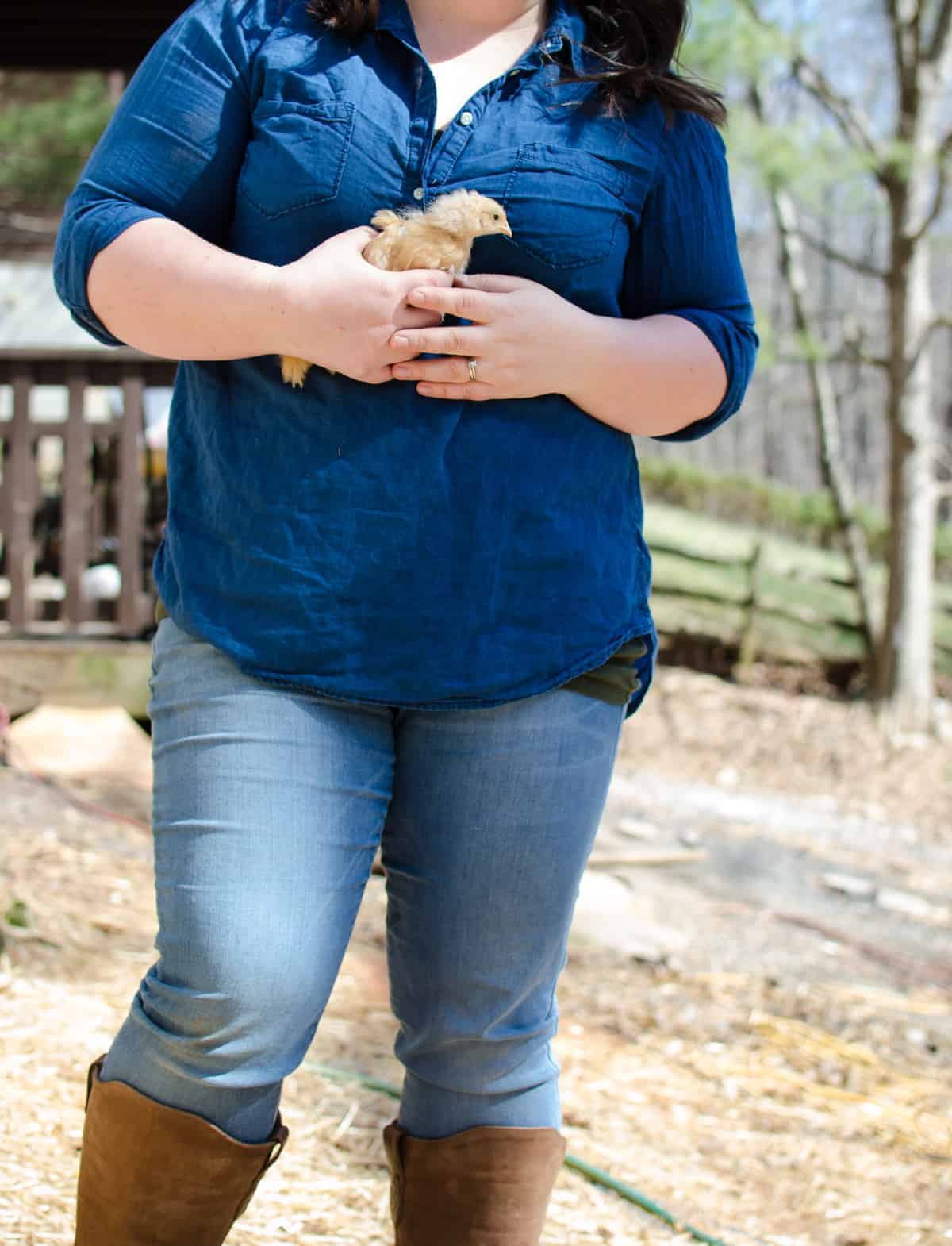
We hear the word “cull” in the homesteading community, and we immediately think “kill”, but that’s just not true. Culling is the process of “getting rid of” something. By your own choice, that can mean to kill or process, reaping the benefits of meat for your family. Or it could mean to sell or give away. When you see people selling livestock at auctions or farm sales, this is an act of “culling” your extras or non-desirable livestock. It doesn’t mean the stock is bad, it just means you don’t need it, or it’s of no further use to you in your breeding program.
Your Stock’s Offspring is Stronger

It’s the same with chickens, cows, pigs . . . any livestock. If you have a chicken that gets away from predators like nobodies business, hatch her eggs. She’ll pass on those traits to her offspring. If you have a cow that’s exceptionally healthy when others in your herd haven’t been, breed her. She’ll pass those desirable genetics onto her offspring. All within reason, of course. 
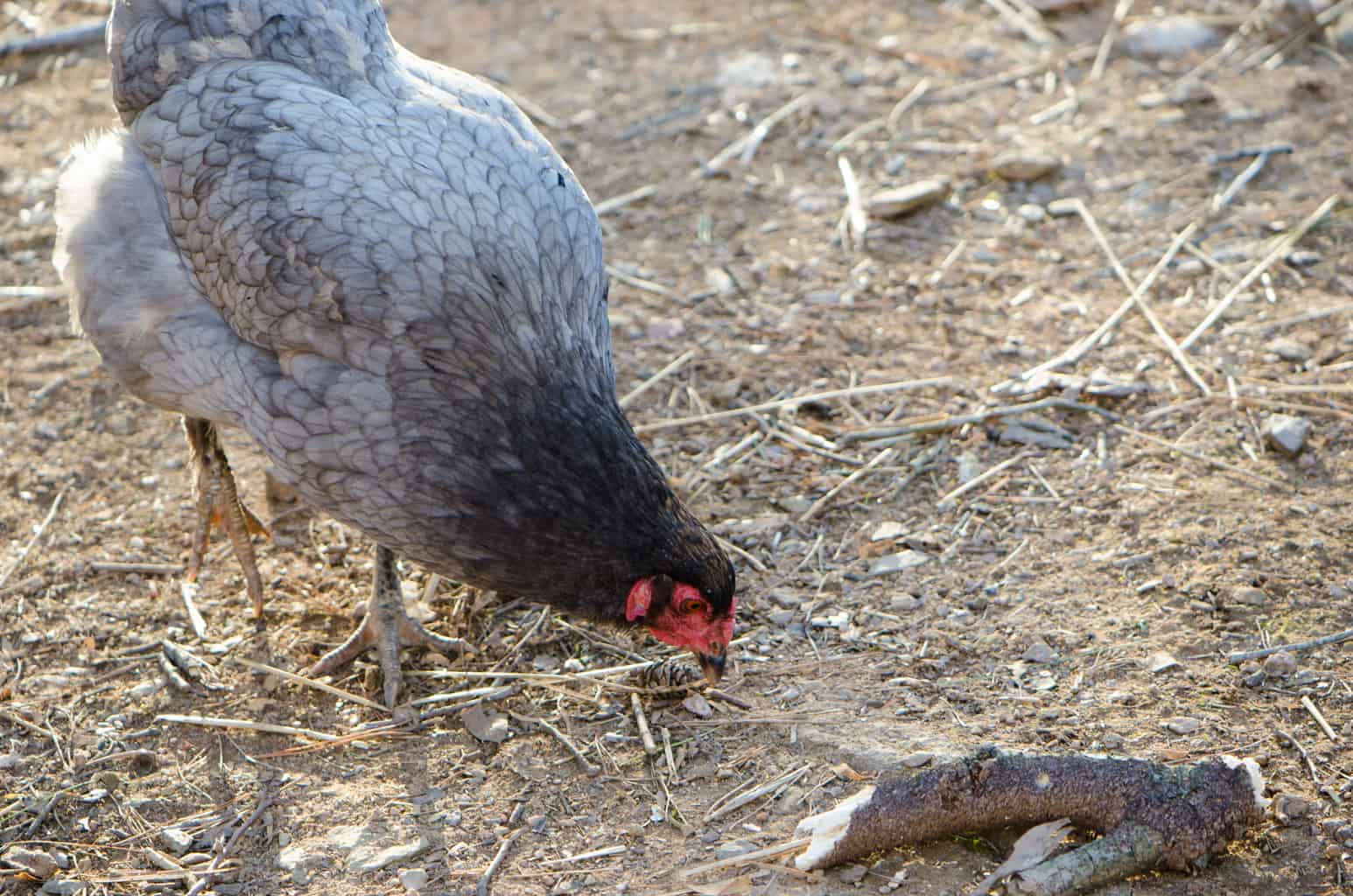
We find, more often than not, that when we began hatching our own chicks from our own flock, our flocks became increasingly more healthy, alert, and sustainable. When we purchase hatchery birds, while still being extremely useful, they aren’t as sustainable as the birds we hatch.

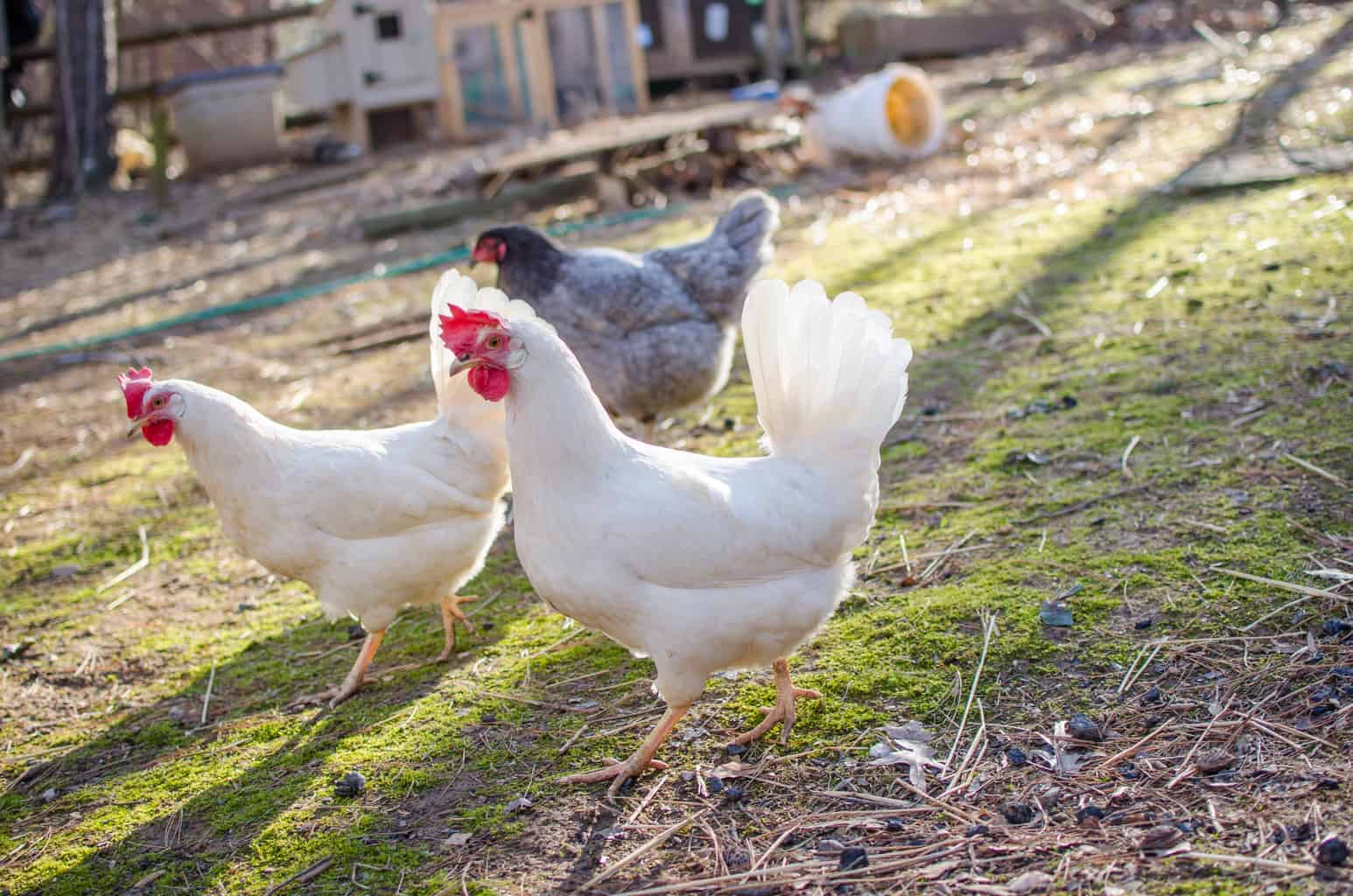
Here’s an example—a few months ago my flock had mites. This is a first for us, we’ve never had them before in all the years of chicken keeping and using herbal preventatives. Our flock consists of several hatchery birds that we had purchased previously that summer (White Leghorns, to be exact). The remainder of the flock consists of about four birds that we hatched from our own previous stock, years ago.

As I inspected each chicken that was in my flock, I noticed that the bulk of the mites were on the leghorns, while there were very few on the chickens we had hatched in previous years. In fact, two of the chickens we hatched most recently from our own stock didn’t have mites at all.

This was not coincidental, and my experience in genetics and breeding allowed me to realize this. This was the act of breeding livestock that had been hearty and not susceptible to parasites.

Another example—one year I purchase chicks from the farm store after I had hatched chicks of my own stock from the day before. They all housed together. Several of the hatchery chicks died, none of the chicks we hatched from our own stock died. As they grew, we found the hatchery juvenile chicks to be more susceptible to becoming egg-bound, not foraging as much as the chicks we hatched, and other issues that could arise.

Whether it’s a chick or a cow, these things continue to remain in genetics, and it’s why many sustainable farmers choose not to bring outside livestock onto their property unless they absolutely have to for better genetic lineage.
Culling is Good Animal Husbandry

I can remember the first time I mentioned culling in a local chicken group—I got mobbed. For starters, they didn’t realize that in the farming world, culling doesn’t just mean to “kill” (see above). And secondly, we apparently live in a generation where everything should live for 1,000 years on a farm whether it’s useful or not. And while I get that (and I have many of those myself!), when push comes to shove, sometimes you have to do nature a favor and cull.

If you aren’t actively breeding your livestock, this doesn’t pertain to you. But if you are actively breeding your livestock, then it is your responsibility to not breed whatever animals you can throw together.

In order to maintain a sustainable environment, to keep good and healthy livestock, and to be a good livestock keeper, you must cull out the livestock that isn’t beneficial to your breeding program. Otherwise, you’ll run into genetic issues, animals that are more susceptible to diseases and parasites, or worse. Let’s not forget that eventually, you’re going to want to sell some of that offspring. Are you going to start putting out bad stock into the breeding pool for others?

Consider this before and after breeding before things get “worse”.
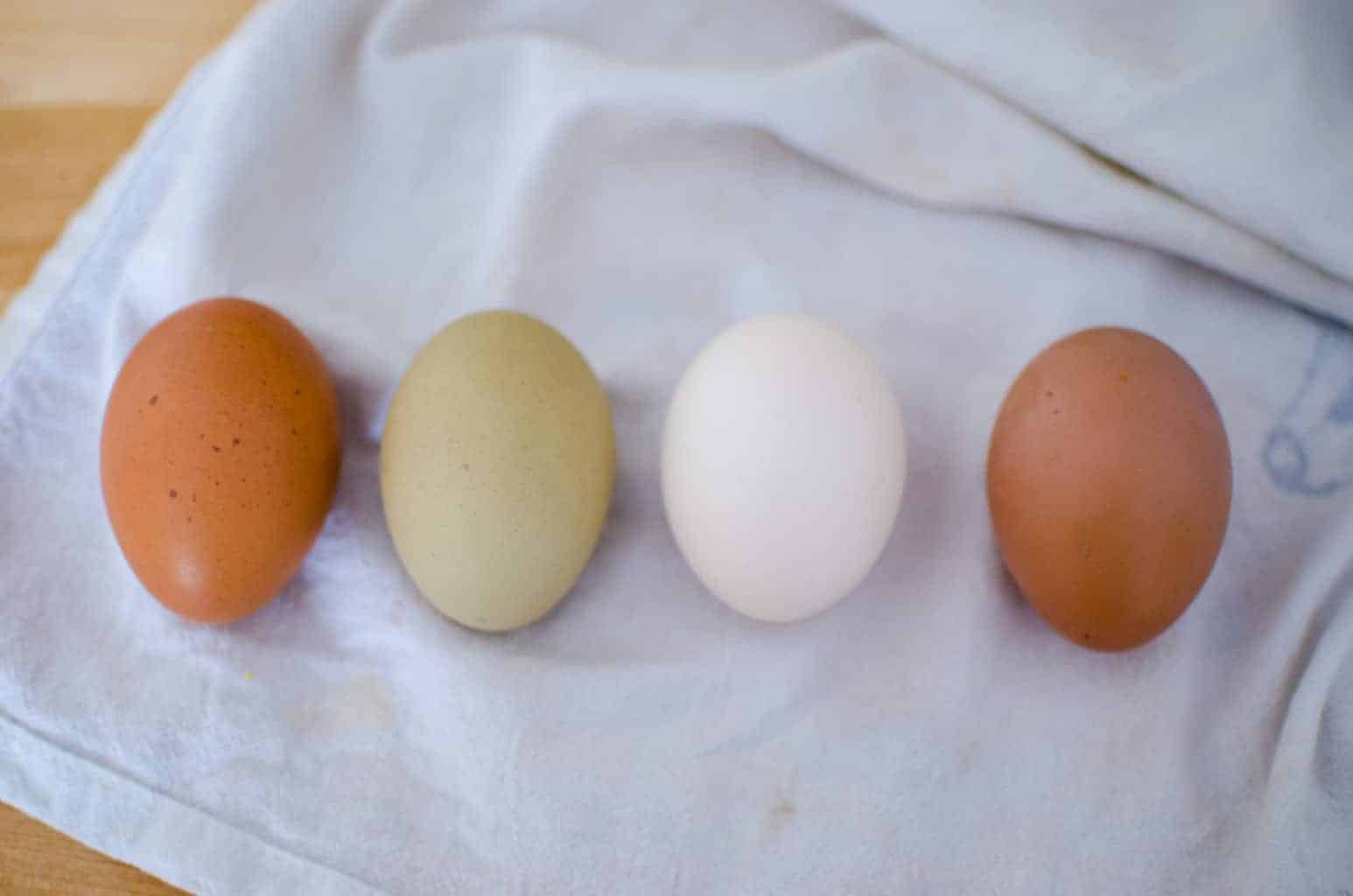
While we don’t like to talk about it, all of us that are on the road to sustainability know that it’s necessary. As you begin to breed and plan out your breeding programs, you’ll come to enjoy the process of connecting with your livestock and pulling out the desirable traits that you wish to see. It’s an incredible experience to be able to tailor your livestock herds and flocks to what you need on your own homestead.

So whether you’re breeding for sustainability, conformation, egg color and production, meat production, foraging ability, or just pretty livestock—consider all of these things before your next breeding adventure. And you just may like what nature has in store for you next time around!



By: Amy K. Fewell · In: chickens, Featured, homesteading, rabbits · Tagged: breeding, chickens, cull, culling, landrace, The Natural Chicken Keeper's Handbook

you’ll also love

When and Why Do Chickens Molt?
Broiler Chicken Breeds: 16 of the Best Meat Chickens
16 Sick Chicken Symptoms & Sick Chicken Treatments

Reader Interactions

Comments

  1. Amy says

    April 18, 2018 at 5:58 pm

    As a wannabe sustainable farmer, I appreciate the information in this post. The idea of culling is a tough one for me but I know it’s for the best. It’s nice to read honest material such as this, as my family is in the saving/planning stage for our farm. It helps me have a realistic view of the whole process.

    • amyfewell says

      April 18, 2018 at 7:06 pm

      I’m so happy it was helpful for you!

  2. Abby Butterfield says

    April 27, 2018 at 11:43 pm

    This is a great article! We are on our fourth year of raising chickens, and no matter how much space we give our chickens we have problems with feather picking. We are at a loss feeling like all the money spent on non gmo feed, free ranging on two acres and a large coop with plenty of nesting boxes doesn’t even matter. I keep feeling like we should start over with a whole new set of chicks but it just isn’t cost effective. My only other alternative is to cull the culprits we believe to be doing the feather picking, although we have had a problem with each flock we have for some reason. We have resorted again to using peepers, tried the no pick solution etc. Just posted on Craigslist to see if some can be removed but so far no interest as we are in a rural area. Do you have any experience with chickens pulling out each other’s feathers??

    • amyfewell says

      April 28, 2018 at 2:07 am

      Goodness, Abby! That sounds frustrating! So sorry you are dealing with this. Do you have a rooster with each flock? If so, that could the culprit. It might not be feather picking at all, it could be rooster tread or other issues.

  3. Samantha says

    February 22, 2021 at 4:52 am

    This is a great article, and reminds me that I not only want the best layer (easy on the hens with good production) and meat, I also should be looking at survival and overall health and function. Thank you!

  4. Diana Landsness says

    September 2, 2021 at 4:02 pm

    I too have a problem with feather plucking. I’ve seen it both inside my chop and while free range. But I also have a very horny and aggressive rooster who is tearing up the hens combs and feathers on their backs. He has gotten very aggressive toward me and my husband although he had learned not to attach the 2 dogs. They taught him (named the rooster Cock) that they can bite back. I think he got so mean because of last winter it got so cold that while I made the mistake of letting them out of their coop thinking they would be fine and not monitoring the weather until it was too late. I found them all huddled outside the coup and his waddles frozen solid. He ended up with severe frost bite on his Comb and feet. I’m still fighting with one sore on his thumb toe that I have had to cut out 3 times now and currently have willapa up again. We immediately brought him inside after putting the hens up. We keeper him wrapped in a towel on our lap and used our hands to help warm his waddles until they thawed out. He went through hell while healing and ended up losing both waddles to gangrene. If interested in seeing, I did take pictures. I even tried saving them with antibiotics. But as for the plucking by a few of my other hens. One more so than the others and three largest. I think that the 6 weeks when Cock was in our house healing she took over the coop as boss and is still very bossy with towards the other hens even with Cock out there. He’s had to put her in her place a few times. I want to get rid of Cock because of the aggressiveness towards us and the 12 hens he has. But my husband just loves him even though he attacks him when he gets close to the coop and lets them out. I used the hot potato method the shorten his spurs because he has punctured my legs 5 times with them. All I was doing was filling there food and water. Yes they free range but only on 1/2 acre of the 1.5 acres. What would you suggest. I am handicapped and have trouble at times of getting out to lock them up before dark. Try to because we caught a possum and have seen a fox walking down the street a few times. We made a raised coop but still need to make a pen. We have only had chickens for a year and a half. Newbies.

Next Post >

Starting Herb Seeds and Homemade Potting Soil (with video)

Primary Sidebar

meet amy

meet amy
hello!

I'm Amy. I love organic food but I love Oreo's. I love Jesus and His grace. I believe broken people make the biggest impact in the world when they share their stories. I believe in stories, and I'm sharing mine.

Read More

Connect

Search

join the tribe!

Ads & Sponsors

200x400

Advertise

Follow Along

@amy.fewell

Three weeks ago during our Friday night fellowship Three weeks ago during our Friday night fellowship, a consistent topic or word would come forth out of the individuals sitting around the table. As I sat and listened to each one so deeply, yet differently sharing, I realized that on this night, we were all mostly saying the same thing. This is often how Jesus will work through a group of believers—bringing each one together to share in unity. But differently. 

I immediately recalled Psalm 126–especially the part about weeping. How we sow with our tears but we reap in joy. How those who continually go forth weeping bear seed for sowing. 

Our genuine cries do something—they produce, and they sow. It is where we can feel the burden of another. When one cries, it is contagious. But really it is the mercy of God that we feel upon us. 

There is not a fellowship night that goes by anymore without someone, or multiple people now, crying. We’ve learned to embrace it. Why? Because we reap a harvest and bring our sheaves with us as we rejoice. 

Each tear is a seed that sows deeply into one another. Into others. Into ourselves. Our tears have a genuineness that many things do not have. And when they are genuine, they produce great fruit.

Ever since that night, I continue to see this scripture being spoken over and over again from leader after leader. Post after post. 

The Lord is stirring. He is doing something in His bride. He is calling back the captives, the dreamers, the singers. “Once again,” He says. With tears and weeping we sow, and with tears and weeping we harvest—rejoicing joyfully.
If you follow people online, you often call them a If you follow people online, you often call them an “influencer”. Let me be the one to tell you that most of us in the sphere that I am in do not consider ourselves “influencers”. Some may consider themselves teachers, leaders, ministers, and more, but the term influencer has never been something we’ve enjoyed. 

The reality is this—we found ourselves in the middle of a crossroad on our timeline where someone needed to pick up a mic and speak truth in the midst of chaos. Most of us have no interest in being online at all. We wouldn’t be sad if the internet disappeared tomorrow. But we were handed that microphone, influence, and anointing to go along with it.

Don’t be fooled—it’s not because of algorithms and marketing plans. If you are succeeding in this online world or your physical sphere of influence for Jesus, it’s because you were given the open door to do so. It’s not about you. It’s about what God knows He can entrust to you for His will and kingdom. 

Some people chase after people, trends, validation, recognition, and the spotlight. But can I tell you what comes along with those things? Hatred, bullying, misunderstanding, monitoring people and spirits, people lying about you, persecution—and if you’ve really made it, threats on your life and persecution.

You see, people want the influence. People want to be close to a Kingdom influencer. But if you aren’t ready to roll with the good AND bad, then you’re not ready. 

Jesus was the OG influencer, and He was spit on, lied about, and killed for His influence. Follower of Jesus—you are told to prepare for the same thing in the world. No matter your influence level.

A time is coming in America where influence online won’t matter anymore, yet the outcome will remain the same. The time to prepare for that is now—spiritually and emotionally. 

But take heart, dear one. He has overcome the world. I speak to believers and leaders everyday who are truly influencing to make a difference—some online, some never touching a screen. 

Jesus is building His church stone by stone. Some of us have mics, some of us will never be broadly known to man. Yet the struggle is still the same. Pray for us.
This morning I made a Mother’s Day tea—this one is This morning I made a Mother’s Day tea—this one is for you, ladies! 

My hormones have been all over the place as I inch closer to 40 and begin to slowly wean our little one. I’ve been snappy and know I need more nourishment. My skin has been out of sorts and, moral of the story, my body needs help. This tea is great for anyone—but it is especially healing for women. 

The jar made in the reel is a concentrate (I used lots of herbs), meaning, I add about 1 cup or more (whatever you’d like) of this liquid concentrate to my pint/quart jar and fill the rest with ice and cold water. But the “amounts” would stay the same in “parts”. 

If I were to add one more thing to this tea, it would be lemon balm. It is also very calming and aromatic. But since lemon balm is growing fresh right now, I add a sprig of it to each glass made with this herbal concentrate when I pour. 

This blend is fabulously cooling, nourishing to the body, and especially beneficial to women of all ages. 

You can add raw honey to sweeten this tea, and it is divine. 

🌺 Hibiscus flower (Hibiscus sabdariffa)
An incredible antioxidant which helps support the immune system, reduces oxidative stress, and supports your health at the cellular level. It may also help with cholesterol and cardiovascular health. This is a wonderful cooling herb for summer time, peri- and regular menopause. (Use sparingly while pregnant).

🌼Chamomile
Most noted for its ability to calm, relax, and cool. It is an efficient gentle anti-inflammatory and works well for the gastrointestinal tract. It is a gentle nervine, making it ideal for the central nervous system.

🌿 Stinging Nettle
An extremely nourishing herb, it is rich in iron, magnesium, calcium, proteins, and so many minerals. Nettle is anti-inflammatory and anti-allergenic. Nettle will help build strength in your body, and nourish it to its core—every system in the body is nourished by it. It is a natural antihistamine, mast cell stabilizer, and tonic.

🍃Red Raspberry Leaf
Rich in minerals and manganese. It works effectively in supporting and toning the reproductive system. It is also great for use as an antacid, hormones, heart and eye h
Never give up. Never give up.
If you’re like me, you avoid the doctor’s office a If you’re like me, you avoid the doctor’s office at all cost. Our littlest little ones have never been to the doctor, but there have certainly been instances where we needed to speak to one. 

Thankfully we have our own personal friend that is a doctor, but Dr. Ben isn’t taking anymore patients! And I have been looking for an alternative for all of YOU! 

Healthcare is changing, and it needed to. If you can’t find a freedom loving doctor near you, or you simply don’t want to foot the office, this is the most amazing option, and it’s inexpensive! 

The best part is that you get to sit right in your own home, just like a modern day house call. 

With the link below, you can get your first month free. It’s healthcare but a monthly membership. It is FREEDOM loving, decentralized healthcare. And I think many of you will benefit! 

Learn more here— (link in profile @amy.fewell )

https://www.goldcare.com/partner/amy-fewell

Footer

Learn More

Chickens
Homemaking
Herbs
Recipes
Devotionals

Info

About
Contact
Privacy Policy
Shop

stay in the know

Copyright © 2026 · Theme by 17th Avenue