• Home
  • Membership
  • Shop
  • Cart
  • Our Farm
  • Gut Health
  • Herbal Practice
  • Buy Trusted Supplements
  • Nav Social Icons

  • Skip to primary navigation
  • Skip to main content
  • Skip to primary sidebar
  • Skip to footer
  • Home
  • Blog
  • About Me
  • Our Farm
  • Gut Health
  • HH Membership
  • My Books
  • Youtube
  • Podcast
  • Homesteading
  • Chickens
  • Herbs
  • Family
  • Farmhouse
  • Homemaking
  • Recipes
  • Sourdough
  • Contact Me
  • Herbal Practice
  • Buy Trusted Supplements
  • Mobile Menu Widgets

    Search

    Connect

Amy K Fewell | Homesteading for the Kingdom

Amy K Fewell | Homesteading for the Kingdom

  • Start Here
    • About Me
    • My Books
    • Podcast
    • Youtube
    • Gut Health
  • Blog
    • herbs
    • Bees
    • chickens
    • rabbits
    • Farmhouse
    • gardening
    • devotional
    • homemaking
    • sourdough
    • recipes
  • Courses & Books
    • HH Membership
    • My Books
  • herbs
  • Podcast
  • Contact Me

Our Icies Have Moved! + Why We Are No Longer Breeding Icies.

May 4, 2015 · In: chickens, homesteading

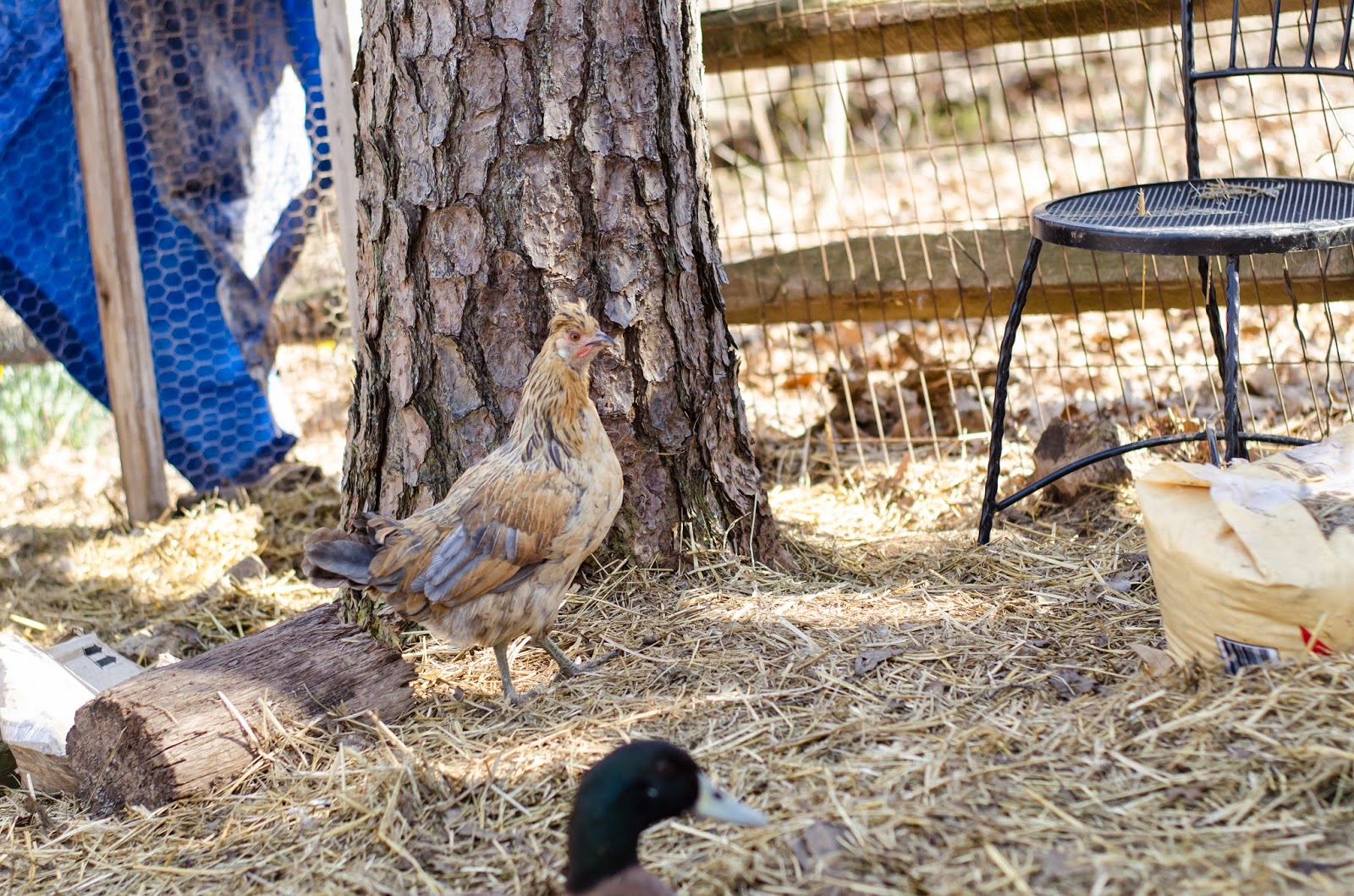
As you may remember from last weeks facebook and blog posts, out Icelandic chicken flock has found a brand new home. I wanted to take some time to sit down and tell you why we are no longer raising Icelandic Chickens, and hope that it will be an educational experience for those of you hoping to get into the landrace. They are beautiful, spunky, self-sufficient and hands down one of my favorite breeds. But unfortunately, several factors came into play, some unforeseen, and we had to make the difficult decision to find a brand new home for them.


First of all, they went to an awesome new home….

The Icies have settled in nicely at Walden Hall — a new Virginia Bed & Breakfast not too far from us. Their goal is to live a little more self-sufficient on the property — offering farm fresh breakfasts to their guests was top on the list. Our Icies are helping with that! You can find out more about Walden Hall by visiting their website, www.waldenhall.com. Or by visiting their facebook page.
We wish them much success and blessings on their new adventure!
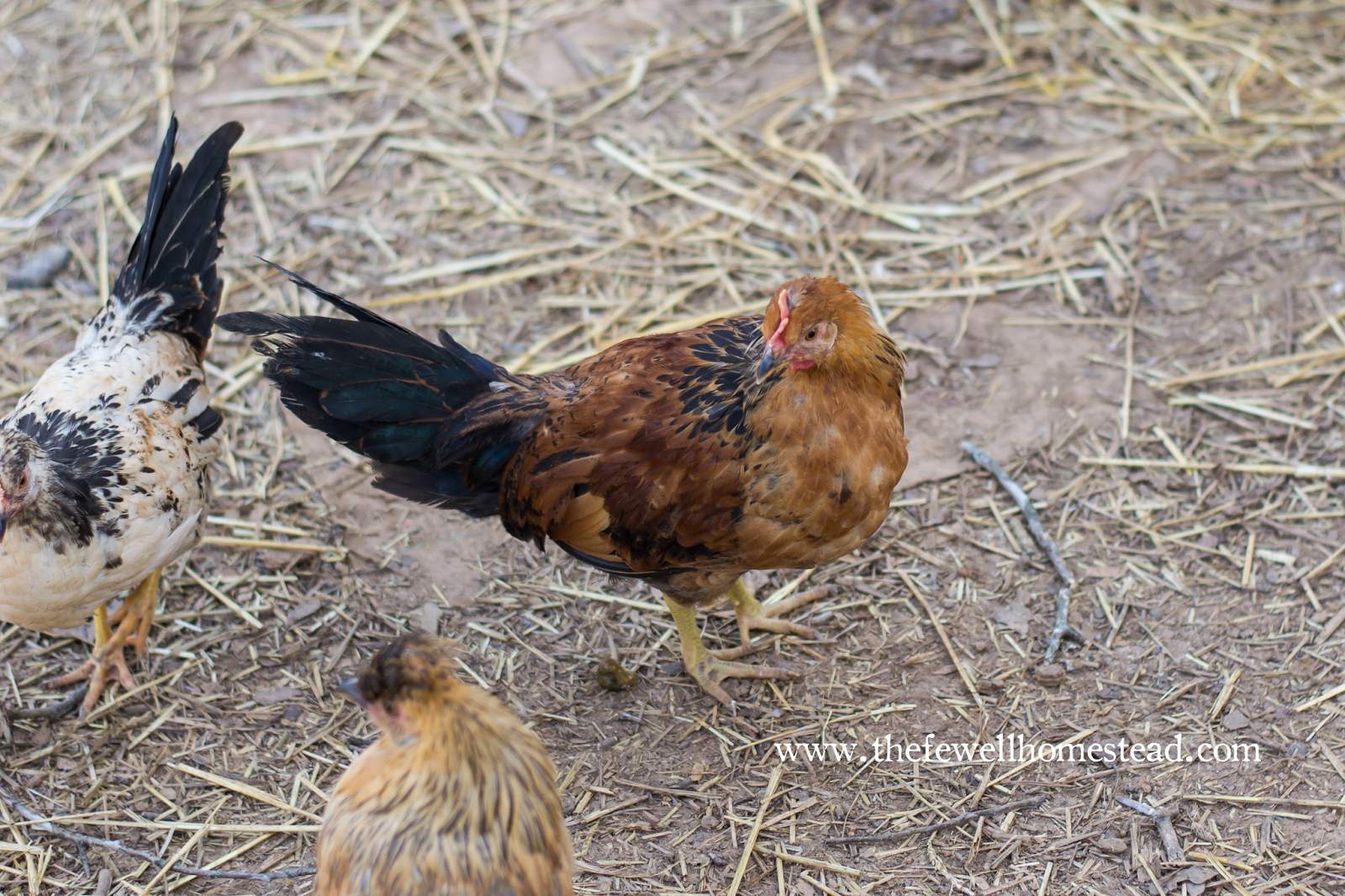
Now, onto the purpose of this blog, to educate!
As I mentioned, it was a very hard decision due to the amount of work and time I’ve put into educating myself about these gorgeous birds, but it was a necessary move for the well being of our birds and our homestead.
Here are the reasons why we decided to stop breeding Icelandic Chickens:
  • They can be wild and free. And rightfully so. We actually “homestead”, not just act like it. Everything here should live freely and as close to possible as they should, if our property allows. Unfortunately, we live on a half-acre, and this just wasn’t feasible enough for them. They like to roam and forage. This is why they are such amazing and self-sufficient creatures —  because they absolutely love to forage, constantly. Our property only allows about half of what they truly need. Which brings me to my next point…
  • They are amazing escape artists. Of all the chickens I have owned, none of them have ever mastered escaping the chicken run….ever. But every single Icie we owned could escape time and time again. They can clear a 10 ft fence. They can wiggle through the tiniest of holes. They can dig their way out after a few days if they are on solid dirt. And sometimes I’m convinced they teleport. We do not have an electrified fence. I am sure that if we had one, this problem would not have been as bad. But we try to use what we have, and electric fencing is not one of those things that we have laying around. We had already poured hundreds of dollars into a large chicken run, large chicken coop, and countless amounts of rabbit runs and hutches. We, personally, could not see the benefit in putting even more money into the chicken run and coop just for one particular breed (out of many) that we have. We needed to make a decision based on all of our chickens, not just one breed. And it would have been unfair for us to put countless amounts of dollars into Icie proofing our entire property rather than the other things that have been in motion here for well over 2 years.
  • They aren’t as personable as the rest of our breeds. This honestly wasn’t a big issue for me, but it might be for you. They are not nearly as personal and friendly once they are adults if they have been allowed to forage and free range. If you are going to confine them their entire lives, then they will certainly be personable and friendly, like any other breed. Just slightly flighty.
  • They are easy prey. And they were even easier because they didn’t stay in the run. I’ve had chickens free range for a few years now, only losing one to a hawk attack the first Summer we had chickens. ONE. Since getting Icies this fall, they have been picked off one by one. Day after day. This was an extremely big red flag for me. I was concentrating so much on their foraging abilities that I regretted to educate myself on their predator escape and attention skills (or lack, thereof?). This breed has survived for thousands of years by survival of the fittest, but apparently half of mine weren’t very fit! We had a coop attack one night — this is something we have never ever  had while living here. Guess which chickens they took? If you guessed the Icies, you would be correct. None of it makes any sense to me, but every single attack this Winter happened on our Icelandics (even in the coop/run), with the exception of one Delaware that was attacked by an Eagle this Winter (that was a new one for us!). I even tested this theory by going outside one evening and pretending to be a predator. They were blinded by a flash light and my dog came with me (they hate him in the daytime). I walked into the coop and touched individual chickens. My regular heritage breeds flipped out — alarming, moving, etc. The Icelandics simply pushed their heads further under their wings and hoped for the best. They barely made a peep! Maybe this is a great defense mechanism in Iceland, but not in Virginia.
The fact that they were an easy target was the deciding factor for me. I could not have an animal on the homestead that was a complete wild card. My love for the Icies was so strong — they have such rich history and I really enjoyed the thought of conserving the breed. But how can I conserve a breed if I’m just watching them get picked off one by one?
That was it — they needed a new home built like Fort Knox, because I absolutely could not offer that to them. Not here.
I’ll admit that I miss them. I miss seeing them run back and forth across the yard. I swear, they don’t walk anywhere…they just run. I miss their wild fluffy heads and their little blue ear-lobes. But I am much less stressed knowing that they are in a new home where they can be confined and only let loose after they feel safe there. And that when they are in their run, they cannot escape from it!
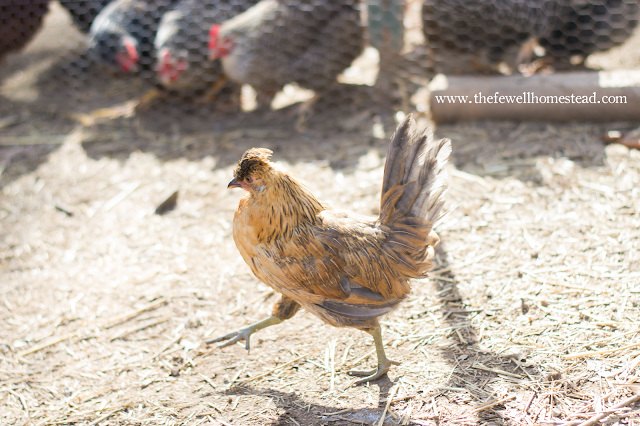
Do not let this blog discourage you from conserving this gorgeous landrace.
 
Each homestead is different. We have different amenities for our animals — some are more equipped than others. This breed, while extremely loved when they were here, just didn’t fit in. One day, when we have a larger property and start fresh, we will have Icies for our personal table eggs. The conservation of this breed did not die in my heart when they left here!
Icelandics truly are a breed that every homestead should have if possible. They are amazing when it comes to foraging, and are incredible at self-sufficiently replenishing themselves. However, as with any rare breed, their characteristics need to be considered before jumping into them headfirst. Sometimes bloggers tell you all the good things — but I’m here to tell you about the REAL things — good and bad. We assumed that, as with all the breeds we have, they would be the same — just more self-sufficient. My word, were we wrong!
I hope to bring another breed that is on the Livestock Conservancy’s “endangered list” here soon (that would fit in MUCH better), but again, only as a personal project and to help the conservation of them. Only a few, nothing crazy, and we would not be breeding them. However, the project most likely won’t happen until next Spring, or possibly this Winter. We will see, if that time comes!
I hope that this information can at least bring some awareness to the new Icelandic Chicken craze. There are so many people getting into them now and they completely lack the education they need because people are afraid to tell you the bad things, for fear you will stray away from them. Every single thing has pros and cons — but you need to make the decision based on what you can offer them and if your property is sufficient enough for them….not just whether you “like” them or not.

To find out more about Icelandic Chickens, visit our website!

By: Amy K. Fewell · In: chickens, homesteading · Tagged: Icelandic chickens, landrace chickens, rare chicken breed

you’ll also love

The Announcement You’ve Been Waiting For
10 Easy Steps to Start Raising Chickens10 Easy Steps to Start Raising Chickens
The Genetics of a Might But Tiny Homestead Milk Cow
Next Post >

When My Heart Is Overwhelmed {and a free printable}

Primary Sidebar

meet amy

meet amy
hello!

I'm Amy. I love organic food but I love cookies too. I love Jesus and His grace. I believe broken people make the biggest impact in the world when Jesus makes them whole, and when they share their stories. I believe in stories, and I'm sharing mine.

Read More

Connect

Search

Ads & Sponsors

200x400

Advertise

Follow Along

@amy.fewell

It's been a few weeks, and a lot happened while th It's been a few weeks, and a lot happened while the garden kept growing. Here's your Weekly Ag Brief—most important first. One thread ties it together: the gap between what Washington SAYS about protecting farmers and clean food, and what the ledger actually shows. 

🥩 FOREIGN BEEF: Trump moved to bring in up to 300,000 metric tons of tariff-free foreign beef to lower prices—after already quadrupling Argentine imports in February. Ranchers (and even Republican senators) are furious, because cheap imports undercut the very prices producers need to rebuild the herd. Know your rancher. Buy direct.

🪰 SCREWWORM: The cattle border reopens TOMORROW, Aug. 24 (coincidence?)—even after Mexico's Sonora state confirmed its first case days earlier. 44 U.S. cases and climbing. Keep checking your animals.

🥬 LETTUCE UPDATE: The imported-iceberg parasite outbreak became one of the largest on record—10,930 sick, 17 states, 2 deaths. Industrial lettuce from Mexico. Your garden greens were never in it.

🏛️ FARM BILL: Collapsed in committee Aug. 6 over a SNAP fight. Back to the drawing board in September.

✅ TWO WINS: A court ordered USDA to close the GMO-labeling loopholes (no more hiding GMOs in oils & sodas, no more QR-code-only labels). And MAHA moved to close the food-additive "GRAS loophole."

⚖️ BUT THE LEDGER CUTS BOTH WAYS: glyphosate got a liability shield, and the EPA eased scrutiny of "forever chemicals" in the sludge spread on farmland (comment window closes Sept. 4).

The closer your food is to your own hands, the less any of this can touch you.
Full breakdown on my Substack — link in bio. Stay watchful, stay rooted.

🌱Comment BRIEF and I’ll send it to your inbox.
Here comes that cheap beef the government is “impo Here comes that cheap beef the government is “importing” this year 😆

Yall don’t remember this but about 13 years or so ago Aldi got sued because their hamburger meat was supplemented with horse meat. History always repeats itself. 

Grow your own. And if you can’t, buy local. 

🥩 TAG YOUR FAVORITE LOCAL BEEF FARMER BELOW!

PS-I totally believe in managing the earth, but this all sounds fishy. Kind of like when they released wolf hybrids (coy-wolves) on the east coast to manage the deer population. But no one wants to talk about that either (we’ve seen them many many times here).
The truly traditional practitioner and herbalist d The truly traditional practitioner and herbalist did not have a need for asyra machines or muscle testing. These things are based on falsities, not skill and trade. The world of wellness is truly a skill and trade. Energy “healing”, and energy detecting machines either dabble in new ageism, or put the skill on a man made machine that can get things wrong many many times. 

The experienced practitioner and family herbalist will evaluate the indications of the client or patient. What does the tongue look like—is it red, elongated, covered in film, dry? Are the extremities cold or hot? Is the skin pale and blue, or pink and inflamed? What organ affinities are being affected? What is the state of the internal and external tissue? A whole body assessment is required. 

Modern holistic wellness has become more like allopathic medicine than it should. The practitioner should be able to access the subject, and make corresponding recommendations based on that evaluation.

Everything else is a cop-out. 

For years I treated herbalism the way one would treat modern medicine. Oh you have a headache? Try this. Fever? You need this herb. But as I’ve grown in skill and knowledge, I’ve realized that while in God’s mercy, much of that has worked, I have seen it work better when I have crafted the skill of the traditional practitioner.

Don’t get me wrong—modern medicine has its place. That’s not what I’m saying. But there is more. Much more. 

I aim to teach you this, friends. What should herbalism and natural wellness truly look like? We must redeem the original design for health. Health is not treating symptoms. True healthcare says things like “the body indicates it is cold and stagnant—how do we move the body towards dispersing heat and releasing stagnation?” 

The germ is not the issue—it is thriving in a particular environment.
The disease is not the enemy—it is the indication.

This is the way.
I don’t know why it surprises me but every time I I don’t know why it surprises me but every time I see or hear something like this, it reminds me how EXTREMELY ignorant Americans are about finances and the food system. 

The farmer gives his or her entire LIFE to put food on YOUR table, just so he can make MAYBE $2/lb while the store charges $10/lb. Through rain or snow. Heat or cold. Sun up to sun down. And you think beef prices need to come DOWN?

How about this instead:
Fight for lower state and federal taxes.
Fight for diminishing the hundreds of things we pay the GOVERNMENT.
Stop buying mindless things. Know where your food comes from.

You pay taxes on your home, your food, your clothing, the Starbucks coffee, anything you buy from anywhere. You pay taxes on your income and beyond. 

Hello? Tap tap—is this thing on? 

Have we not considered how it is CHEAPER to IMPORT beef and pay less for it when it travels thousands of miles from out of country to your grocery store? 

Ludicrous. We will become a nation that is dependent on other nations (hello China, the largest pork producer in America), the big 4 oligarch packers, and whatever the government wants to feed us.

Dear America, your mindset needs to shift and change. Otherwise we are doomed. You’ll be living the hunger games before 2030.
This does absolutely nothing to fix the declining This does absolutely nothing to fix the declining American beef herd.

Just so we’re all on the same page.

Flooding the market with cheaper imported beef doesn’t rebuild American herds. It doesn’t shorten the supply chain. It doesn’t help cattle producers recover from years of drought, high feed costs, high input costs, land pressure, and shrinking margins.

What it does do is train American consumers to expect beef at a price that may not reflect what it actually costs an American rancher to raise it.

You cannot say you want to rebuild the American beef herd while simultaneously undercutting the market American cattle producers depend on.

Cheap beef today does not necessarily equal food security tomorrow.

If we actually want a strong domestic beef supply, we need more cattle raised here. More processing capacity here. More resilient regional food systems. And ranchers who can actually make enough money to keep raising cattle.

Because once the American rancher is gone, bringing in cheaper beef from somewhere else isn’t a solution.

It’s dependency.

And that is the exact opposite of food security.

Footer

Learn More

Chickens
Homemaking
Herbs
Recipes
Devotionals

Info

About
Contact
Privacy Policy
Shop

stay in the know

Copyright © 2026 · Theme by 17th Avenue