• Home
  • Membership
  • Shop
  • Cart
  • Our Farm
  • Gut Health
  • Herbal Practice
  • Buy Trusted Supplements
  • Nav Social Icons

  • Skip to primary navigation
  • Skip to main content
  • Skip to primary sidebar
  • Skip to footer
  • Home
  • Blog
  • About Me
  • Our Farm
  • Gut Health
  • HH Membership
  • My Books
  • Youtube
  • Podcast
  • Homesteading
  • Chickens
  • Herbs
  • Family
  • Farmhouse
  • Homemaking
  • Recipes
  • Sourdough
  • Contact Me
  • Herbal Practice
  • Buy Trusted Supplements
  • Mobile Menu Widgets

    Search

    Connect

Amy K Fewell | Homesteading for the Kingdom

Amy K Fewell | Homesteading for the Kingdom

  • Start Here
    • About Me
    • My Books
    • Podcast
    • Youtube
    • Gut Health
  • Blog
    • herbs
    • Bees
    • chickens
    • rabbits
    • Farmhouse
    • gardening
    • devotional
    • homemaking
    • sourdough
    • recipes
  • Courses & Books
    • HH Membership
    • My Books
  • herbs
  • Podcast
  • Contact Me

Inexpensive Photography Backdrops & Tips for Homestead Bloggers

December 15, 2016 · In: Farmhouse, homesteading, Simple Living

Over ten years ago, I began my blogging journey. In the beginning, it was just words. I allowed words to flow out of me and used stock photos if I needed them. Sometimes, I didn’t even use photos. The people who read blogs back then were people who simply enjoyed reading—with or without photos. They were people who enjoyed connecting with pleasant words and stories, like on the pages of a novel. But fast forwarding to today, now days, you have to be a photographer in order to have a successful blog—or at least take exceptionally good cell phone photos.

Seeing as I’m a professional photographer, this isn’t an issue for me. Though sometimes, it can be frustrating to have to break out the “real” camera. Even so, I still need inexpensive ways to make my photos look great.

As a homesteader, we try to be self-sufficient and recycle whatever we can. The same goes for our blogs and photos. No one wants to see a photo of your freshly made perfect pie on a dark dirty oven top caked in flour remnants and last nights dinner. I mean, I do, because that’s real life, but if you want to get any actual “hits” on the post, you better clean up and tighten up that lighting! As a homesteader, who the heck has time to do that? You just want to throw down a backdrop over top of it all or in front of a window, and let the world think your house is in order when it’s really dirty as all get out.

Yep, you know it. I said it. Amen.
As a photographer and homesteader, I’ve found some pretty cost effective and beautiful backdrops to use over the past few years, and I decided I’d share some of them with you!

Use What You Have

One of your greatest assets is that you’re a homesteader. This means you have all kinds of junk laying around. You probably have some old barn wood pieces, some clean flour cloth dish towels, or maybe some antique wooden crates.
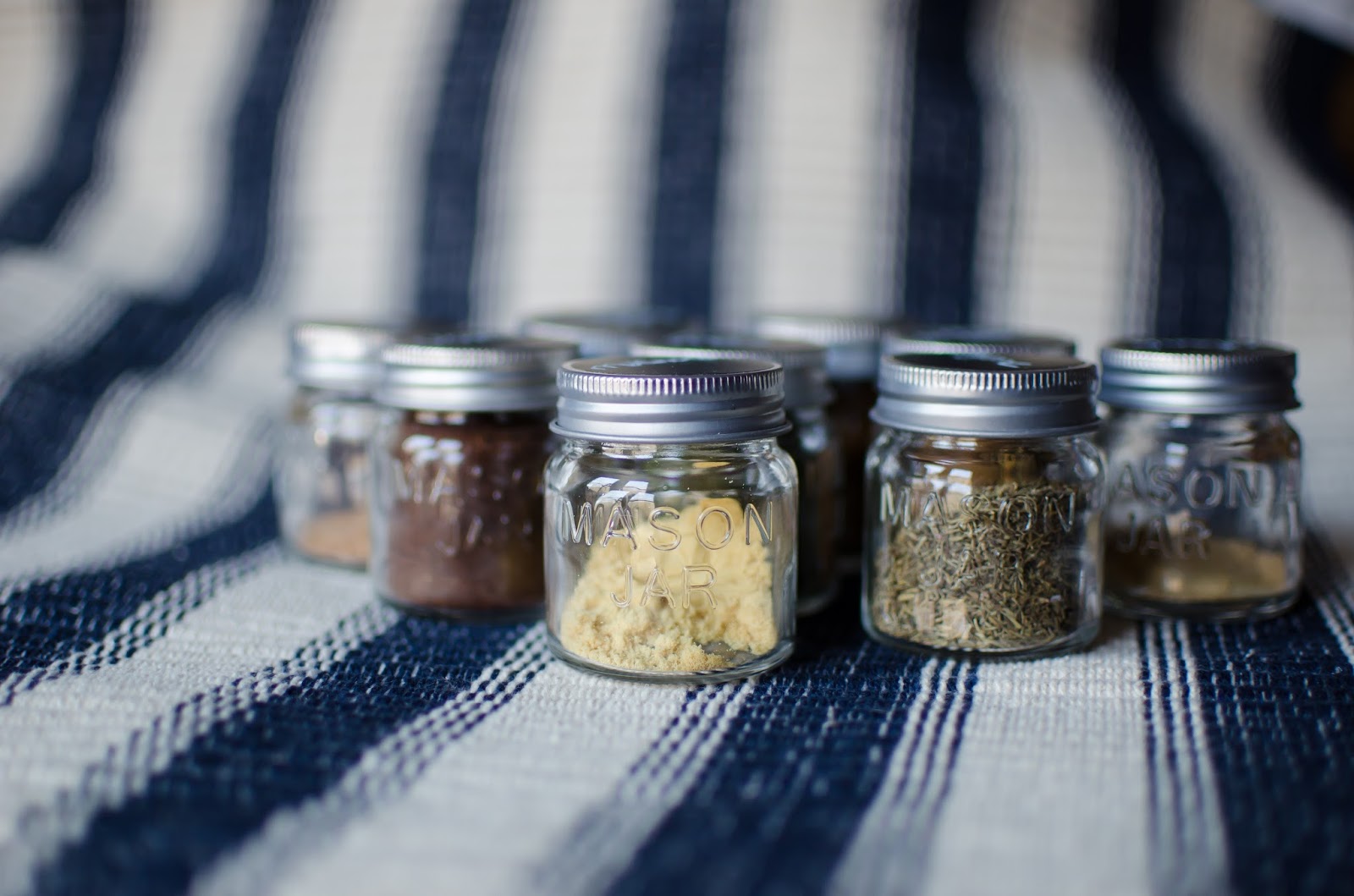
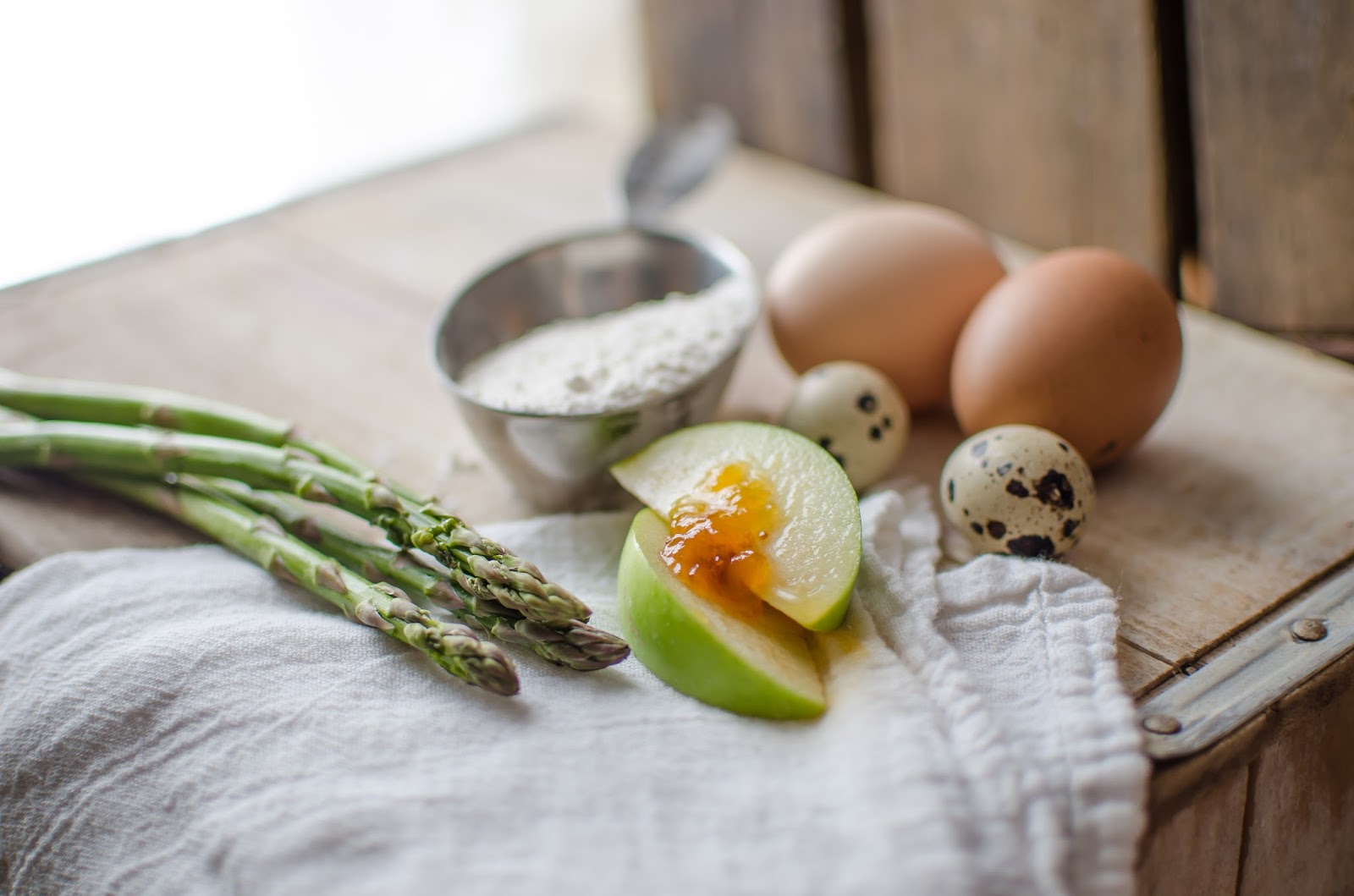
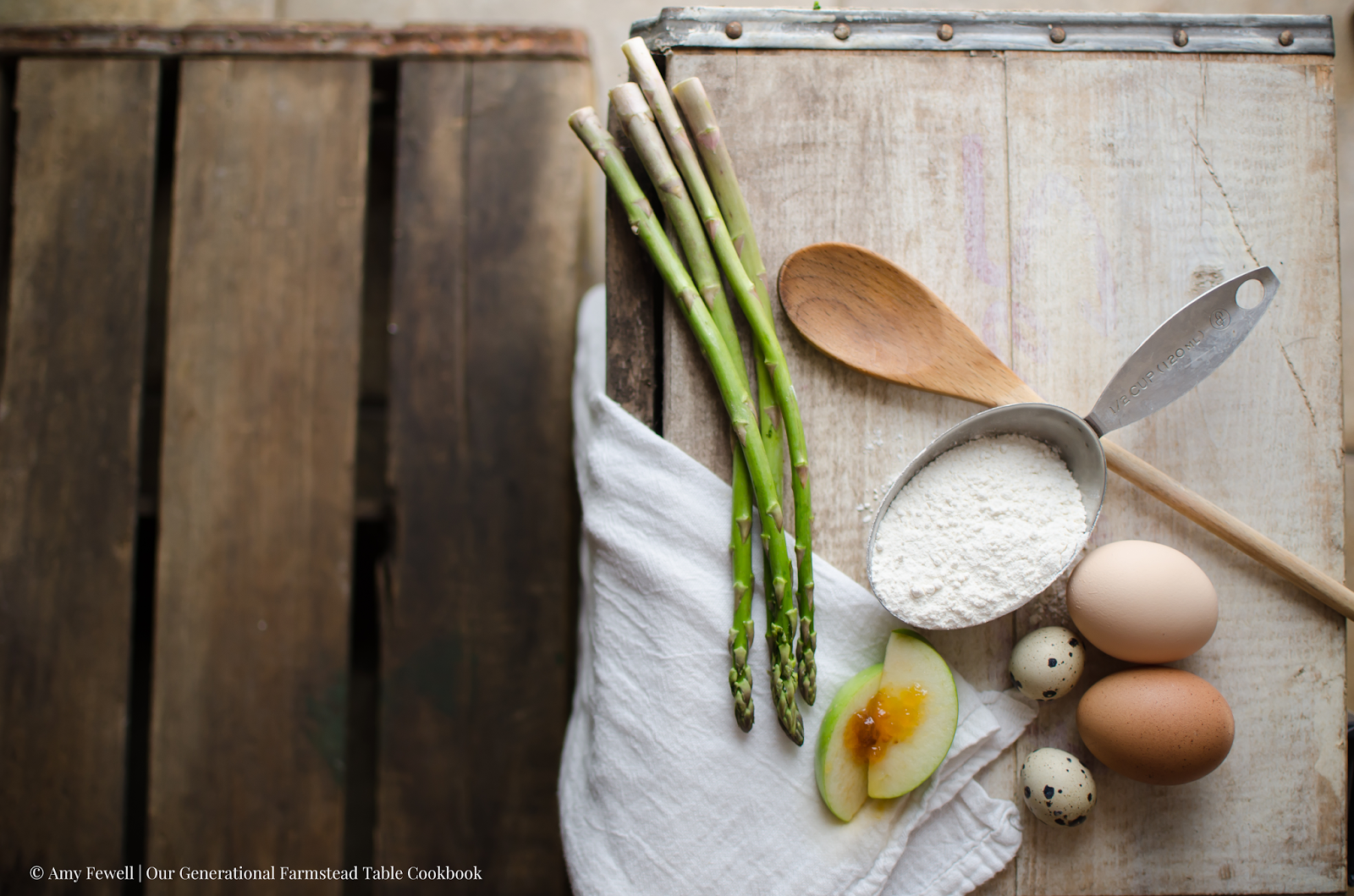
That’s what I used in the two photos above. Just two old wooden crates, side by side, in the first photos. The first (main) photo will actually be the photo wrap for my upcoming cookbook. In the second photo, I used two different crates, and stacked one behind the other. You can find these super cool brew or kombucha bottles here.
Here are some of the things that I typically have laying around that I use the most.
  • wooden crates
  • barn wood or wood remnants
  • Flour Sack Dish Towels
  • Vintage Dish Towels
  • antique plates (ex: blue willow)
  • my tile floor in my kitchen
  • old baking sheet
  • your own wood flooring in your home
  • my deck and/or stairs (wood)
You can spice things up by adding herbs, branches, leaves, berries, and more—scattered about.

Purchasing Inexpensive Backdrops

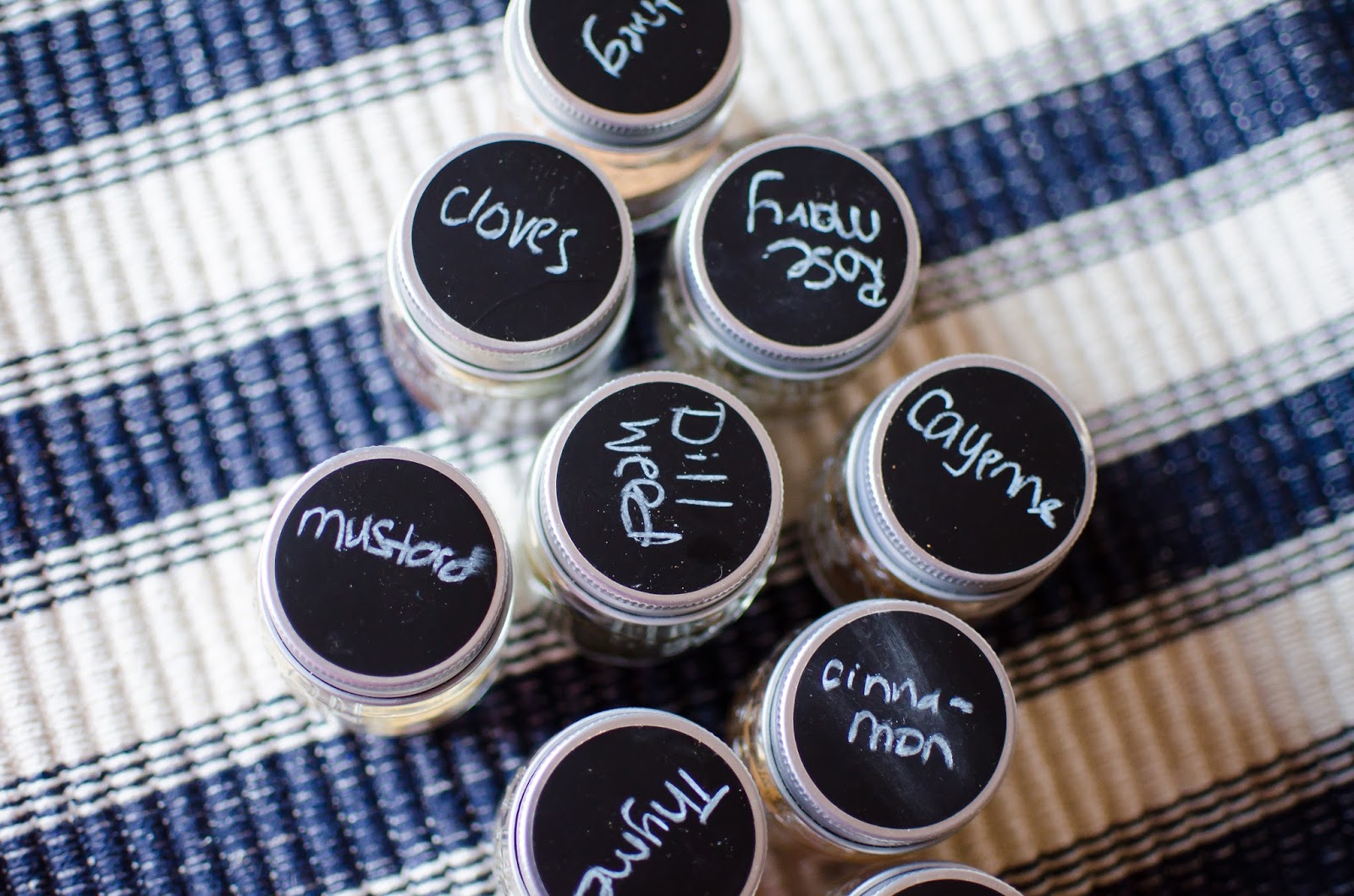
If what you have laying around doesn’t work for you, then you can purchase inexpensive, and multi-use, backdrops from your local hardware or specialty store. One of my favorite things to use, as seen above, are scatter rugs. You can purchase different types and colors of scatter rugs very inexpensively at your local big chain hardware store such as Lowe’s or Home Depot. I purchased the above rug for less than $6 on sale. So, I bought two! They are thick and durable, and easy to clean.
Another option, along the same lines as the scatter rug, are table runners. Table runners are a dime a dozen during the holidays. You can get some pretty exceptional runners on clearance after Thanksgiving and Christmas. Actually, I bought the table runner in the photo above out of the $1 bin at Target this year. It allows you to add dimension, be it on a wooden kitchen table, or on a different kind of backdrop.
Here are some item’s I’ve purchased inexpensively to use as backdrops.
  • Burlap (from your local craft store or online)
  • Cheese cloth
  • Scatter Rugs
  • Slate pieces
  • Bricks

Lighting, Editing, and Camera Equipment

While backdrops are inexpensive and fabulous, they won’t make a bit of difference if you don’t have some knowledge of lighting. And if you’re looking for a true pro look, you may even need to invest in some camera equipment. If you already have a DSLR camera (or are thinking about investing in one), this section is for you.
When taking a photo, I always use natural light. I have never had to use artificial lighting in any of my photos. Ever. Not once.
I accomplish this by taking all of my photos next to a large window where lots of light comes through. If the light is too much, you can drape a white sheet over it, as I did in this photo above. This creates an illuminating effect, and produces beautiful shadows. There is a common misconception that your product or subject in the photo has to be fully illuminated, and that’s just not true. The best photos have depth, and shadows are necessary. In the photo above, the window is off to the side, which creates shadows for the eggs and other food. Drawing your focus in on the center of the photo.
You can also note the depth of field is very shallow. For people who aren’t photographers — “that blurry stuff there in the background.” Most people want to learn how to create a depth of field, meaning having the focus on one thing, while all other things begin to blur out. This is naturally created through the camera lens. You can manually create it while editing, but the effect is not the same, as it creates no depth, just focus.
Your next important step is editing. Many people enjoy editing through free photo editing apps and programs. But if you’re serious about your photos, I highly suggest investing into Photoshop Elements. It is not nearly as expensive as other photoshop programs, and it is a one time fee. You can even find an older version—I use version 10 often, simply because I’ve never upgraded.
I would also encourage you to shoot in RAW with your DSLR instead of jpg if you plan to edit your photos. It allows you to easily manipulate the lighting and doesn’t compress the photo as bad as a jpg. And I would also encourage you to learn out to shoot in manual mode, allowing you to focus where you want to focus, and more.
Here are some equipment recommendations.
  • Photoshop Elements editing software
  • 35 mm lens (I use Nikon. The beauty is in the lens, not the camera body)
  • Nikon Camera — I use a D7000, but I started out with a D3100
  • Tripod
  • Camera Cards
Ultimately, making sure that your lighting is correct, and that your backdrop is pretty or interesting—creating depth with layers—are the two key components you need to a beautiful homestead blog photo. If you can nail those, you’re on a pretty good path to becoming a little more involved in your photo taking skills for your blog!
Enjoy the little things, and remember every now and then to show the real mess in the midst of the pretty. Because, while beautiful photos get lots of traffic on websites, being raw and real every now and then gets even more.

By: Amy K. Fewell · In: Farmhouse, homesteading, Simple Living · Tagged: bloggers, farmhouse, homesteading, photography backdrops

you’ll also love

The Two-Breed System for Year-Round Meat Chicken Breeding
Homesteading: Building a Parallel System of Kingdom Economy
In Praise of the Simple Onion

Reader Interactions

Comments

  1. Kristi @HomesteadWishing says

    April 16, 2018 at 2:20 am

    It took me a few years to learn about these little tricks! I think one of my favorite is to use pretty dish towels or flour sacks. I did find some amazing thin pieces of wood slates (for $18 bucks) at Home Depot. I bought one and polyurethaned it, and now it’s the perfect backdrop for my photos! Hoping to do something to the backside to make it a dual sided.

    Thanks for the tips!

    • amyfewell says

      April 18, 2018 at 7:06 pm

      I love it!

Next Post >

The Task of Raising Warrior Sons

Primary Sidebar

meet amy

meet amy
hello!

I'm Amy. I love organic food but I love cookies too I love Jesus and His grace. I believe broken people make the biggest impact in the world when they share their stories. I believe in stories, and I'm sharing mine.

Read More

Connect

Search

Ads & Sponsors

200x400

Advertise

Follow Along

@amy.fewell

Since 2023, I have not been able to shake it. Aft Since 2023, I have not been able to shake it.

After dreams, after long conversations with the Lord, I keep coming back to the same word: something is coming, and God is calling His people to a modern-day Goshen.

Here is what stops me every time. When the plagues fell on Egypt—the hail, the darkness so thick you couldn’t see your own hand—there was one region that still had sunlight and bread on the table. Goshen. 

When God showed Pharaoh a famine was coming, He used Joseph to govern a nation and provide. Goshen was a place of refuge for his family.
 
Same nation, famine, plagues. Two completely different outcomes. The difference was simply that Goshen was where God’s people dwelt. Refuge is the whole point.

During the Exodus plagues, because they happened so suddenly, God providentially sheltered Goshen—the land where His people dwelt. 

But Goshen didn’t happen the same way during Joseph’s time. Years before the famine ever came, God warned Joseph, and Joseph stored up grain through seven years of plenty so his people would eat when the whole land went hungry. 

That is the pattern: provision prepared before the crisis, a people set apart, a storehouse standing ready when the world runs empty—spiritually and physically.

I believe God will once again build both times of Goshen.

So the question isn’t “will this happen again?” The question is, will you be ready? Why is the church not already prepared?

We have built beautiful buildings and polished productions. But when the shelves go bare, what is in the storehouse? 

Will we stand in the same line as everyone else? 

Not me. Not my family. Not the people who sit at my table.

This is Acts 4—land laid down, abundance shared, not one needy person among them. That church had become Goshen, and we can be that again. This isn’t archaic. It’s a blueprint for survival and provision.

The time to build is now. Not out of fear, but out of grace, mercy, and obedience.

Comment GOSHEN to read the entire new Substack…
I walked out one morning, years ago, and found my I walked out one morning, years ago, and found my flock had become mite magnets. Northern Fowl Mites, to be exact.

If you've never dealt with them, I’m so sorry. They feed on your birds' blood, dead skin, and feathers—most often carried in by wild birds passing overhead. And once they've moved in, the feed-store chemicals will burn your chickens' skin before they ever solve the problem.

So I did what our grandmothers would've done. I reached for what the Lord already set growing right on our own homestead.

Here's what actually cleared my flock—no chemicals:

🐓 Strip the coop bare. Pull ALL the bedding, burn it, don't compost it. Leave that floor bare for 2–3 weeks so the mites have nowhere left to hide.

🐓 Treat the coop. Eucalyptus, tea tree, lavender, peppermint, basil + cinnamon bark oils, sprayed top to bottom into every crack and crevice. Dust the roosts with wood ash or DE.

🐓 Dust your birds. Wood ash worked into the skin at the neck, vent, tail gland, and under the wings. I'll take wood ash over DE any day.

🐓 The garlic spray. A Clemson University study found topical garlic wiped out mite infestations in laying hens. My spray pairs it with those same oils and gets applied at night, after they've roosted—when the mites come out to feed.

And yes, your eggs are perfectly safe to eat the whole time. It's applied to skin and feathers, never fed.

God didn't hide your flock's healing behind a chemical label. He set it growing free—in the fields, in the ash of your wood stove, in a bulb of garlic on your counter. That's what stewardship looks like.

📖 The full step-by-step—recipe, treatment schedule, and timing—is on the blog. Comment MITES and I'll send it straight to your inbox.

I'm a homesteader and family herbalist, not your vet—always tend your flock at your own discretion.
🌾 THE MORNING AG BRIEF: What D.C. Did to Your Food 🌾 THE MORNING AG BRIEF: What D.C. Did to Your Food System This Week

Coming out of July 4th, USDA and Congress moved on beef processing, fertilizer, farm labor, and how the federal government defines "regenerative." Some of it matters. Some of it's being oversold.

This week's brief breaks down:

🥩 A new $500M fund for small/mid-size beef processors — packers excluded
🧪 A $500M fertilizer program that won't lower your feed store prices anytime soon
📋 A new USDA complaint portal for producers facing federal overreach
👷 The biggest farm-labor bill in 40 years (not law yet — but watch it)
🌱 The "regenerative ag" executive order everyone's celebrating — and why the word itself is the real story

Plain-language, honestly sourced, no hype either direction. Because staying informed is its own kind of self-reliance.

📖 Full brief on the substack—comment JULY and I’ll send it straight to you.

👇 What stood out to you this week?
If there's one herb worth learning this year, let If there's one herb worth learning this year, let it be yarrow.

It looks like a common weed along the tree line and field—but the Lord tucked an entire medicine chest inside this single flower.

Here's your basic rundown on yarrow (Achillea millefolium):

🌿 Stops bleeding + heals wounds—its most famous use, carried into battle since the days of “Achilles”
🌿 Reduces fever by helping the body sweat it out (diaphoretic)
🌿 Clears excess mucous at the onset of a cold or flu (anti-catarrhal)
🌿 Aids digestion—a bitter herb that stimulates stomach acid and saliva
🌿 Anti-inflammatory + anti-spasmodic for aches and cramping
🌿 A mild sedative that eases anxiety and supports sleep
🌿 Antimicrobial—studied against bacteria like E. coli
🌿 Traditionally used for pneumonia, rheumatic pain, and hemorrhage

⚠️ A few cautions: don't use yarrow until the end of pregnancy (it can cause uterine contractions), don't take it longer than 2 weeks at a time, and know it can lower blood pressure if you're already on medication for it.

"He causeth the grass to grow for the cattle, and herb for the service of man." — Psalm 104:14

Herb for the service of man. He didn't hide our healing behind a prescription counter — He set it growing free in the fields, waiting for hands willing to learn.

That's what empowerment really is. Not fear. Just knowing what grows beneath your feet and how to steward it for the people you love.

On the blog I've written it all out — how to grow and harvest yarrow, every medicinal use, the full safety notes, and my simple tincture recipe so you can keep it on your shelf year-round.
Go learn your yarrow, friend. Then go teach it to your children.

🌿 For the full post + tincture recipe comment YARROW and I’ll send it to your inbox.

I'm a family herbalist, not your doctor—always use herbs at your own discretion.
We were endowed with inalienable rights by our Cre We were endowed with inalienable rights by our Creator. Yet it’s hard to fathom that we live in a country where you are considered a tenant, not an owner, of your property. If you don’t pay personal property taxes, your land will be taken from you. 

There are many reasons why it’s hard to look at America and wonder how we got to where we are today. How a nation that was once so free is now so arguably not. And yet, it is even harder to think that it is still more free than most other nations. 

On the 250th birthday of America, may we richly and deeply set with these things in our heart. Freedom must be fought for. It is not something you declare and then hope happens. It is a process of day in and day out, fighting for freedom. Our founding fathers knew this. 

Men didn’t just sign a document and suddenly they were free. In fact many of them (and their families) lived lives that were not peaceful. They were ridiculed and persecuted. 

Richard Stockton was captured by Loyalists in late 1776 and imprisoned in harsh conditions in New York. His estate, Morven, was looted and occupied. Francis Lewis had his Long Island home destroyed by the British, and his wife was taken prisoner and treated harshly. Abraham Clark had two sons captured and held on the notorious British prison ship HMS Jersey, where conditions were deadly. He reportedly refused to recant his signature even when it might have improved their treatment. John Witherspoon—the only clergyman signer—lost his son James, killed at the Battle of Germantown (1777). Rutledge, Heyward, and Middleton were captured when Charleston fell in 1780 and held as prisoners of war before being exchanged. John Hart had his farm raided and had to flee; his health was already failing and he died in 1779.

These men fought for freedom. They knew the price they had to pay. The question today—250 years later—is this….

How willing are you to fight for freedom? 

May God  direct this nation in the days ahead. May we never forget that it is only by His hand that we are free. And may we all understand that there is a much greater kingdom to be a part of, with a king that rules forever, and His name is Jesus.

God

Footer

Learn More

Chickens
Homemaking
Herbs
Recipes
Devotionals

Info

About
Contact
Privacy Policy
Shop

stay in the know

Copyright © 2026 · Theme by 17th Avenue