• Home
  • Membership
  • Shop
  • Cart
  • Our Farm
  • Gut Health
  • Herbal Practice
  • Buy Trusted Supplements
  • Nav Social Icons

  • Skip to primary navigation
  • Skip to main content
  • Skip to primary sidebar
  • Skip to footer
  • Home
  • Blog
  • About Me
  • Our Farm
  • Gut Health
  • HH Membership
  • My Books
  • Youtube
  • Podcast
  • Homesteading
  • Chickens
  • Herbs
  • Family
  • Farmhouse
  • Homemaking
  • Recipes
  • Sourdough
  • Contact Me
  • Herbal Practice
  • Buy Trusted Supplements
  • Mobile Menu Widgets

    Search

    Connect

Amy K Fewell | Homesteading for the Kingdom

Amy K Fewell | Homesteading for the Kingdom

  • Start Here
    • About Me
    • My Books
    • Podcast
    • Youtube
    • Gut Health
  • Blog
    • herbs
    • Bees
    • chickens
    • rabbits
    • Farmhouse
    • gardening
    • devotional
    • homemaking
    • sourdough
    • recipes
  • Courses & Books
    • HH Membership
    • My Books
  • herbs
  • Podcast
  • Contact Me

Using Astragalus to Boost Your Chicken’s Immune System

November 27, 2017 · In: chickens, Featured, herbs

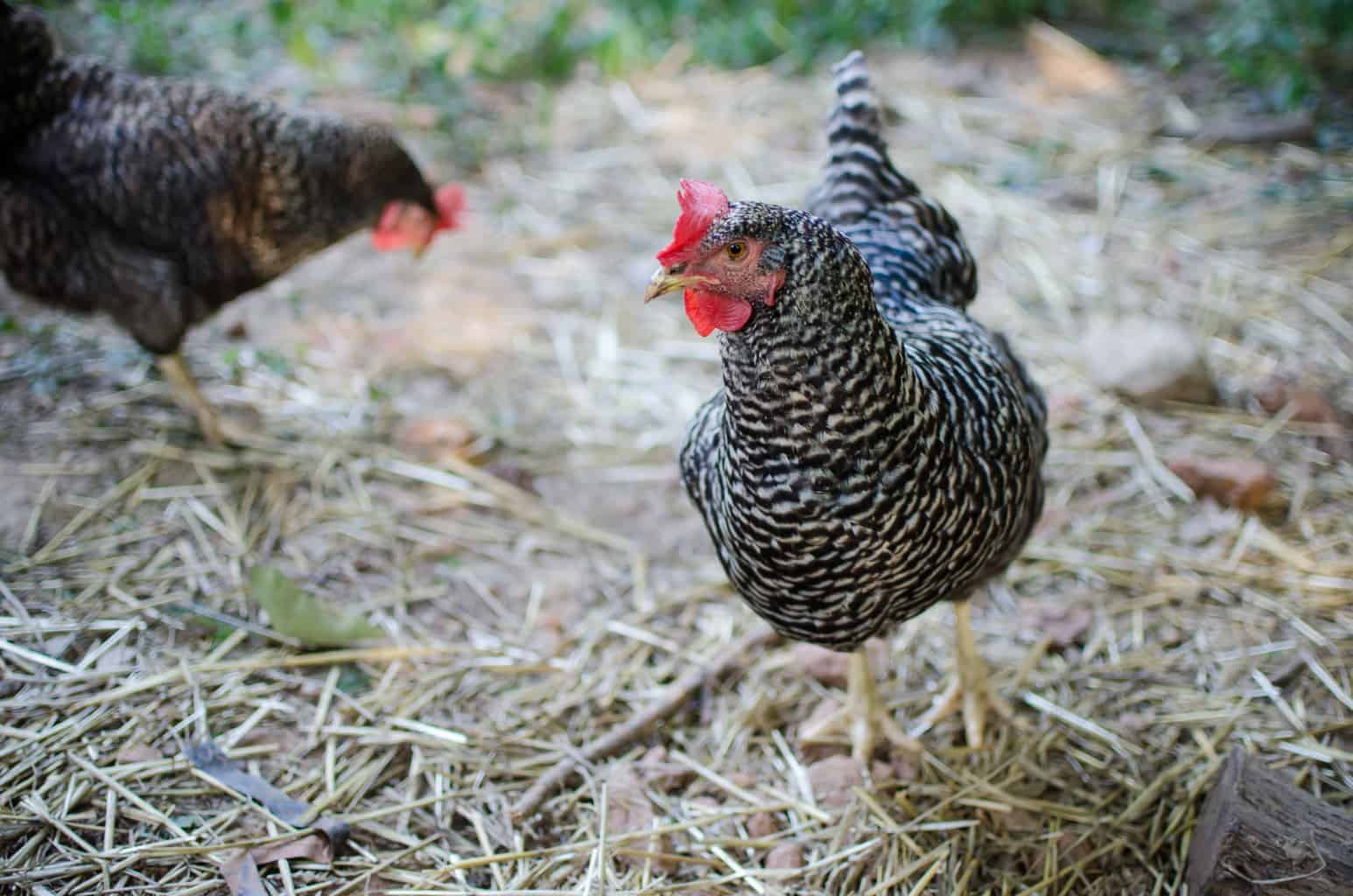
When you first begin your homesteading adventure, you typically begin with the gateway animal—chickens. Chickens are some of the most entertaining of livestock that you can have. They offer eggs each day (or almost each day), a cute egg song, and a beautiful scene across your landscape when, and if, they free range. There’s nothing quite as beautiful as chickens in their free ranging element.
But what happens when you start realizing that chickens can also be the most complex animal on the homestead, especially when it comes to their health?
Joel Salatin often says that he’s not in the business of treating animals because his animals typically don’t get sick. Through the efficiency of rotational grazing, including his chickens, it leaves little room for bacteria and diseases to take hold of his animals. We believe in this method as well.
But there can be times when you simply can’t help the situation. It can be due to genetics, compromised immune systems, or migrating birds that carry diseases….sometimes you might not be able to avoid a situation completely.
This is where the world of herbalism comes into play on the holistic homestead.
We use herbs as a way to prevent, not just treat. In fact, using herbs to prevent can be much more effective for livestock than the act of treating with herbs. Anyone can prevent illnesses with herbs, but it takes education and knowledge to treat livestock properly with herbs. You can learn about that in my new book, The Homesteader’s Herbal Companion. 
 
Thankfully, through good genetics and herbal prevention, we haven’t had a sick chicken on this homestead in years. We believe this is due to good immune system and immune stimulating herbs. The chicken’s immune system is much like any other immune system, and therefore, we confidently know that it can be stimulated just like a human’s immune system.
A good herbalist knows that it isn’t just folk methods that create good remedies and prevention. Confidently preventing and treating with herbs begins with scientific knowledge and proven clinical studies in the modern world.
Let’s begin with the herb of choice when it comes to immunity boosting, and then we’ll dive into the scientific specifics of it.
 

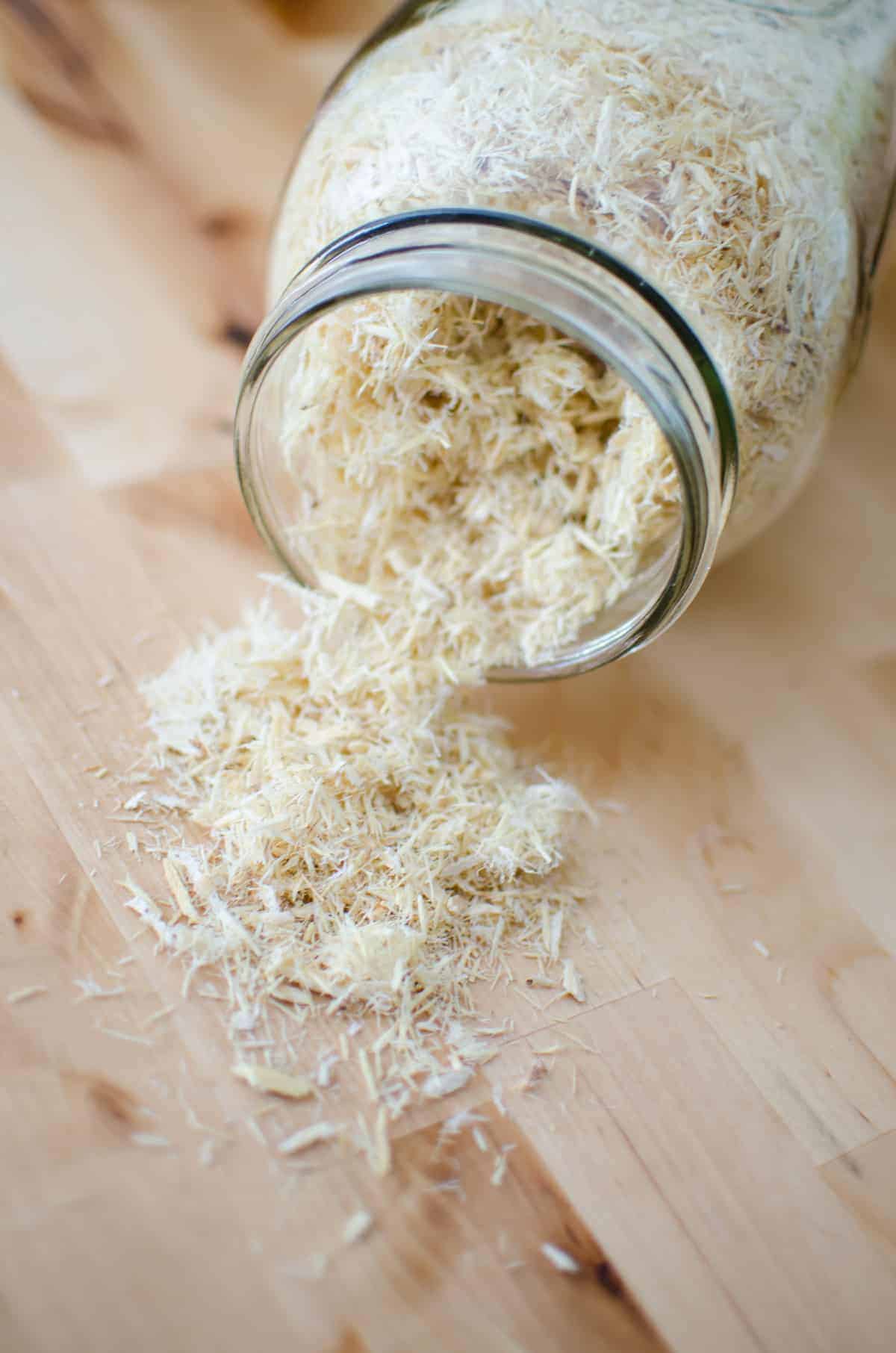
Astragalus (Astragalus membranaceus) is a fairly new herb to many people. It’s widely popular in Chinese and Eastern medicine. Much like their love for ginseng, eastern herblists simply adore Astragalus root. It has been traditionally used for over 5,000 years to help boost the immune system and cure many common ailments. But did you know we can use this herb for our livestock too?

Uses of Astragalus: immune support, adaptogenic, helps body adapt to stress, antibacterial, antiviral, reduces the common cold and flu, increases white blood cell count, anti-inflammatory, protects cardiovascular system


So we know that Astragalus not only supports the immune system, but it also helps the body adapt to stress, which plays a major role in a healthy immune system. Boosting the white blood cell count is also a highly effective way to fight off illness and diseases. It is also antibacterial, and we all know bacteria are the worst when it comes to the wonderful world of chickens.

In a clinical study done by the South China Agricultural University, hundreds of chicks were infected with Avian Flu, both in the egg (in vitro) and once hatched (in vivo). Scientists studied the effects of several different treatments, including astragalus root, in a controlled environment. This is the only way to properly study treatments as there are so many factors that play a role.


From this study, the following conclusions were derived:

1. At an appropriate concentration (231.25μg/mL) APS (astragalus root) can drastically reduce the proliferation of H9N2 virus (avian influenza).
2. APS enhanced the proliferation of CEF cells when used at concentrations > 9.766μg/mL. The exception, the simultaneous addition of APS and virus at APS concentrations of 2,500μg/mL and 1,250μg/mL.
3. APS effectively increases the expression of IL-2, IL-4, IL-6, IL-10, LITAF and IL-12, promotes cell growth, and enhances anti-H9N2 activity.
4. APS promoted a rapid humoral response following H9N2 vaccine immunization or H9N2 AIV infection.
5. The appropriate dose of APS (5 and 10mg/kg) significantly enhanced the specific immune response in chickens, and improved vaccine effectiveness; promoting an earlier peak that increased rapidly and was sustained for a longer period of time.
6. The CD4+, CD8+ T lymphocyte content and CD4+/CD8+ values for all the APS treatment groups were higher than those for the untreated (no APS) control group. The values for the 5 and 20mg/kg APS dose groups were significantly higher than the control group, which indicated that the appropriate dose of polysaccharide can promote the production of peripheral CD4+ and CD8+ lymphocytes in chickens, thereby enhancing cellular immunity.
7. APS inhibited H9N2 both in vitro and in vivo.

The precise mechanisms responsible for the response to APS require further examination. On the whole, APS has the potential to diminish disease progression in H9N2 infected chickens, and its use could provide alternative strategies for the control of H9N2 AIV infection. [NCBI]


I know, it’s a lot of information, but I think for those of you who aren’t proficient in scientific talk, you can read enough in between the lines to know that astragalus root was a win. A major win.While the study concludes that more trials need to be run, it was very confident in the findings that astragalus has the potential to diminish disease progression in avian influenza infected chickens, and could provide alternative strategies for the control of avian influenza as a whole.The most surprising part, however, is that this clinical trial was done in 2013. And here we are in 2017 (at the writing of this blog), and we’ve yet to hear anything about this in the United States. Unless, of course, you’re a researching and studying herbalist like myself.All we’ve heard are the detrimental effects of avian flu on our chickens—in backyards, in poultry warehouses, on farms large and small. But we’ve not been informed that there can be a better way. That avian flu can be beat.My friends, that starts with you, and me, and all of the mini, full time, and hardcore farmers and homesteaders across the globe.
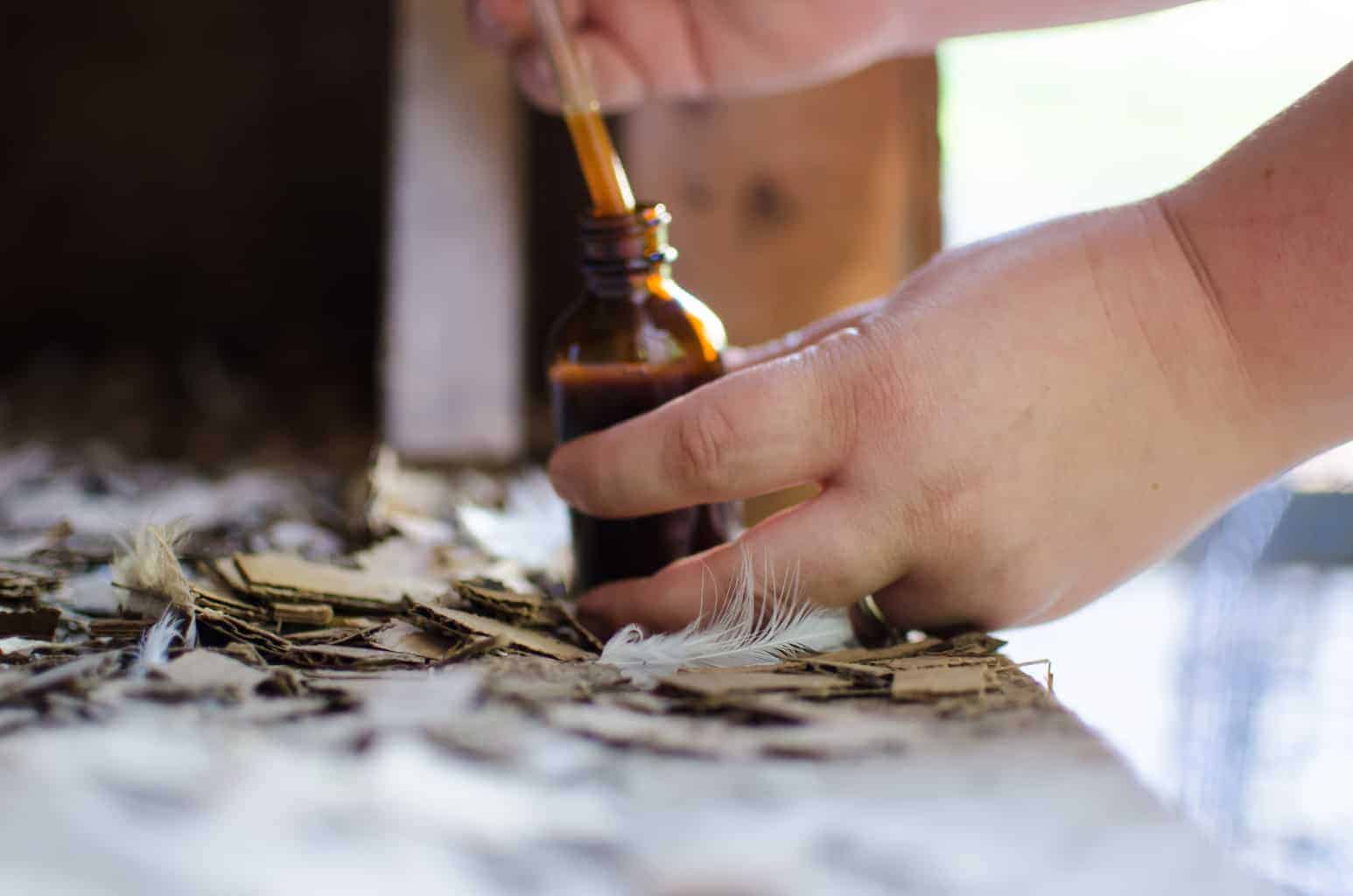


So how to we use astragalus to prevent bacterial outbreaks and viruses?

It’s simple, really.

Make an Astragalus Tincture

First things first. If you go and read this study, and I encourage you to do so, you’ll find that the way they administered the astragalus root was typically by an extraction. Scientists do this much more efficiently than we can do at home. They literally pin point the exact medicinal qualities that they want to extract, and do exactly that on fancy machines. But we can mimic this very well by creating a tincture at home.
 

A typical tincture of dried herbs is used with a 1:5 or (up to) 1:10 ratio (herb:liquid) and 80-100 proof vodka, or glycerin. It is best to use dried astragalus root for this tincture.

—————————
Tincture measurement examples:

1 ounce of dried herb to 5 ounces of liquid (1:5).
3 ounces of dried herb to 15 ounces of liquid (because 3×5 [1:5] is 15 — therefore 1:5 = 3:15)
3 ounces of fresh herb to 6 ounces of liquid (because 3×2 [1:2] is 6 — 1:2 = 3:6)
—————————-

Begin by measuring out your dried root and vodka in separate containers. Next, add your dried root to a mason or glass jar, then cover completely with your pre-measured vodka.

Cap tightly and shake well. Don’t forget to label your tincture!

Leave your mason jar in a temperature controlled area, like a cabinet or pantry, out of direct sunlight. Shake once or twice each day to keep the tincture mixed and the herbs saturated.
Your tincture will be ready after 4-6 weeks, depending on the time period you wish to allow it to extract.
When your tincture is ready, strain the herbs out, bottle the remaining liquid into a brown glass eyedropper bottle, and store it in your medicine cabinet (dark place) or refrigerator for 18-24 months or more. If kept in your fridge, it can last much longer. It all depends on the environment around you. Some tinctures can last 5+ years in a medicine cabinet.
Administer 2-3 drops directly into the bird’s mouth every 6-12 hours once symptoms occur. Or add 3-5 drops to chicken waterer every few days to help boost the immune system as a preventative.
You can read why I use this method of making a tincture instead of the folk method here.


Offer Astragalus as a Decoction

One of my favorite ways to offer astragalus to my chickens as a preventative is to offer it as a decoction. A decoction is much like a tea, but different. An infusion is the way we make a tea, by putting our herbs into a cup and pouring boiling water over them. But a decoction is actually the process of boiling the herb, mostly roots and berries, for an extended period of time in order to extract the medicinal benefits of it.
 
Do this by placing your dried herbs into a pot on your stovetop, and cover the herbs with water.
 
Bring your water to a boil, then turn down to a medium heat rolling simmer and cover your pot. Maintain this level of simmer until your mixture has reduced by half, or for about 30-40 minutes.
 
Once complete, strain your mixture into a glass jar for future use, and store in the refridgerator. Keep in mind that the medicinal benefits in the decoction only last for about 12-24 hours, so it’s best to make smaller batches as needed. Sometimes I push it to 48 hours if I’m feeling confident.
 
As you offer new water to your chicken’s waterer, offer 1-2 tablespoons of decoction per gallon of water. I often do this once in the morning and once in the evening. If I stretch the decoction for two days, this means they’ll be treated 4 times.
 
Doing this once a week is really all that’s needed. If an outbreak should occur, or you are feeling suspicious of symptoms, offer it daily for 14 days.
 
 
Astragalus (Astragalus membranaceus) comes with no safety warnings, which means, within reason, there are no known side effects on your livestock. The only time astragalus should be avoided is when grow in the wild and is available for livestock to graze off of. The root of the plant is perfectly fine.
 
Astragalus can also be used with your other livestock to help boost the immune system, treat viruses and bacterial issues, and as a natural anti-parasitic.
 
This herb can especially be used in your home for your family. You can find out how to make an elderberry and astragalus syrup here, which helps boost the immune system and rid the body of the flu.
 
Want to learn more about herbs on the homestead? Order my new book, The Homesteader’s Herbal Companion, now, and look for future books coming soon!


Purchase the products mentioned in this blog:


By: Amy K. Fewell · In: chickens, Featured, herbs · Tagged: astragalus, avian flu, chickens, herbs, immune system

you’ll also love

The Medicinal, Nutritional, and Famine Benefits of Lambs Quarters (Chenopodium album)
15 Chicken Processing Day Mistakes That Waste Time and Meat
The Two-Breed System for Year-Round Meat Chicken Breeding
Next Post >

Flu Fighting Elderberry and Astragalus Syrup

Primary Sidebar

meet amy

meet amy
hello!

I'm Amy. I love organic food but I love cookies too. I love Jesus and His grace. I believe broken people make the biggest impact in the world when Jesus makes them whole, and when they share their stories. I believe in stories, and I'm sharing mine.

Read More

Connect

Search

Ads & Sponsors

200x400

Advertise

Follow Along

@amy.fewell

That’s all… That’s all…
What if understanding the blood requires us to loo What if understanding the blood requires us to look beyond laboratory values—and begin observing the whole person again?

Historically, herbalists did not think about blood only in terms of its composition. They observed its movement, distribution, temperature, and relationship with the tissues. They noticed whether a person was pale or flushed, cold or hot, depleted or congested. They paid attention to the pulse, skin, digestion, menstruation, sweating, energy, and even the way these patterns changed with the seasons.

In Southern and Appalachian folk medicine, this developed into an entire system of blood typology. Practitioners used terms such as high blood, low blood, thick blood, thin blood, fast blood, slow blood, good blood, and bad blood to describe constitutional patterns within the person.

These terms should not be translated directly into modern medical diagnoses. “Thick blood,” for example, did not necessarily mean increased blood viscosity, just as “high blood” did not simply mean hypertension. They were part of a much broader observational framework.

One of the most fascinating parts of this tradition was the connection between blood, seasons, and trees. The old practitioners did not have our modern terminology for these health mechanisms. But they were paying attention.

And that is perhaps one of the most valuable things traditional herbalism can teach us—instead of immediately asking, “What herb is good for circulation?” we can learn to ask better questions. We can learn better ways.

This is the subject of my new 6-part series, The State of the Blood, inside the Homestead Herbalist membership. My goal isn’t simply to give you another list of herbs to memorize. I want to help you recover the skill that traditional practitioners relied upon for generations—observation and intimate assessment. 

Part One of The State of the Blood is now available inside the Substack membership.

🌿 Comment LESSON and I’ll send it to your inbox.
It's been a few weeks, and a lot happened while th It's been a few weeks, and a lot happened while the garden kept growing. Here's your Weekly Ag Brief—most important first. One thread ties it together: the gap between what Washington SAYS about protecting farmers and clean food, and what the ledger actually shows. 

🥩 FOREIGN BEEF: Trump moved to bring in up to 300,000 metric tons of tariff-free foreign beef to lower prices—after already quadrupling Argentine imports in February. Ranchers (and even Republican senators) are furious, because cheap imports undercut the very prices producers need to rebuild the herd. Know your rancher. Buy direct.

🪰 SCREWWORM: The cattle border reopens TOMORROW, Aug. 24 (coincidence?)—even after Mexico's Sonora state confirmed its first case days earlier. 44 U.S. cases and climbing. Keep checking your animals.

🥬 LETTUCE UPDATE: The imported-iceberg parasite outbreak became one of the largest on record—10,930 sick, 17 states, 2 deaths. Industrial lettuce from Mexico. Your garden greens were never in it.

🏛️ FARM BILL: Collapsed in committee Aug. 6 over a SNAP fight. Back to the drawing board in September.

✅ TWO WINS: A court ordered USDA to close the GMO-labeling loopholes (no more hiding GMOs in oils & sodas, no more QR-code-only labels). And MAHA moved to close the food-additive "GRAS loophole."

⚖️ BUT THE LEDGER CUTS BOTH WAYS: glyphosate got a liability shield, and the EPA eased scrutiny of "forever chemicals" in the sludge spread on farmland (comment window closes Sept. 4).

The closer your food is to your own hands, the less any of this can touch you.
Full breakdown on my Substack — link in bio. Stay watchful, stay rooted.

🌱Comment BRIEF and I’ll send it to your inbox.
Here comes that cheap beef the government is “impo Here comes that cheap beef the government is “importing” this year 😆

Yall don’t remember this but about 13 years or so ago Aldi got sued because their hamburger meat was supplemented with horse meat. History always repeats itself. 

Grow your own. And if you can’t, buy local. 

🥩 TAG YOUR FAVORITE LOCAL BEEF FARMER BELOW!

PS-I totally believe in managing the earth, but this all sounds fishy. Kind of like when they released wolf hybrids (coy-wolves) on the east coast to manage the deer population. But no one wants to talk about that either (we’ve seen them many many times here).
The truly traditional practitioner and herbalist d The truly traditional practitioner and herbalist did not have a need for asyra machines or muscle testing. These things are based on falsities, not skill and trade. The world of wellness is truly a skill and trade. Energy “healing”, and energy detecting machines either dabble in new ageism, or put the skill on a man made machine that can get things wrong many many times. 

The experienced practitioner and family herbalist will evaluate the indications of the client or patient. What does the tongue look like—is it red, elongated, covered in film, dry? Are the extremities cold or hot? Is the skin pale and blue, or pink and inflamed? What organ affinities are being affected? What is the state of the internal and external tissue? A whole body assessment is required. 

Modern holistic wellness has become more like allopathic medicine than it should. The practitioner should be able to access the subject, and make corresponding recommendations based on that evaluation.

Everything else is a cop-out. 

For years I treated herbalism the way one would treat modern medicine. Oh you have a headache? Try this. Fever? You need this herb. But as I’ve grown in skill and knowledge, I’ve realized that while in God’s mercy, much of that has worked, I have seen it work better when I have crafted the skill of the traditional practitioner.

Don’t get me wrong—modern medicine has its place. That’s not what I’m saying. But there is more. Much more. 

I aim to teach you this, friends. What should herbalism and natural wellness truly look like? We must redeem the original design for health. Health is not treating symptoms. True healthcare says things like “the body indicates it is cold and stagnant—how do we move the body towards dispersing heat and releasing stagnation?” 

The germ is not the issue—it is thriving in a particular environment.
The disease is not the enemy—it is the indication.

This is the way.

Footer

Learn More

Chickens
Homemaking
Herbs
Recipes
Devotionals

Info

About
Contact
Privacy Policy
Shop

stay in the know

Copyright © 2026 · Theme by 17th Avenue