• Home
  • Membership
  • Shop
  • Cart
  • Our Farm
  • Gut Health
  • Herbal Practice
  • Buy Trusted Supplements
  • Nav Social Icons

  • Skip to primary navigation
  • Skip to main content
  • Skip to primary sidebar
  • Skip to footer
  • Home
  • Blog
  • About Me
  • Our Farm
  • Gut Health
  • HH Membership
  • My Books
  • Youtube
  • Podcast
  • Homesteading
  • Chickens
  • Herbs
  • Family
  • Farmhouse
  • Homemaking
  • Recipes
  • Sourdough
  • Contact Me
  • Herbal Practice
  • Buy Trusted Supplements
  • Mobile Menu Widgets

    Search

    Connect

Amy K Fewell | Homesteading for the Kingdom

Amy K Fewell | Homesteading for the Kingdom

  • Start Here
    • About Me
    • My Books
    • Podcast
    • Youtube
    • Gut Health
  • Blog
    • herbs
    • Bees
    • chickens
    • rabbits
    • Farmhouse
    • gardening
    • devotional
    • homemaking
    • sourdough
    • recipes
  • Courses & Books
    • HH Membership
    • My Books
  • herbs
  • Podcast
  • Contact Me

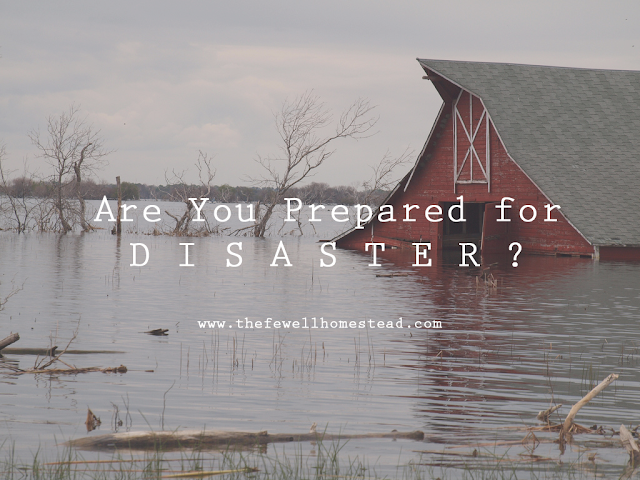
Are You Prepared For Disaster on Your Homestead?

October 1, 2015 · In: homesteading, prepping

photo credit: Dawn Bradshaw
Whether it’s rains and flooding, a hurricane or tornado, a snow storm, fire, or some other natural disaster — the biggest question is, are you prepared for it?
 
We can never base our lives off of the “what-ifs”, but when the threat of the “what-ifs” become a reality, you should never be caught off guard, especially on your homestead with animals that depend on you for their care.
Preparing for disaster isn’t something I thought I would have to do when my husband and I first got married. Farm animals weren’t even something we saw in our future, as we laid peacefully in our small one-bedroom town apartment. Now, living out here, it’s something that we have to think about. We have livestock that depend on us, a child that depends on us, a river in the back, and a basement that could flood at any moment.
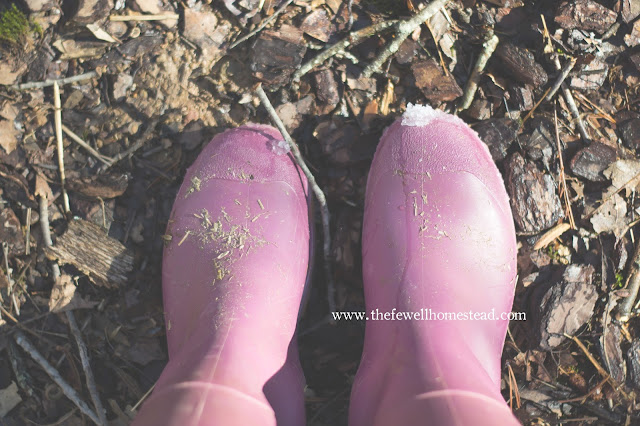
Here are some things that we do to help prepare ahead of a disaster. 


Prepare Your Household
Before all other things, you need to make sure that your family and household are in order. Animals and barns are replaceable, the people you love are not. Your family should have a routine. Who does what when threats of storms and natural disasters loom? Each person should have a job that they know how to do and do it well. Yes, this might mean you have to practice, but it’s well worth it.
If you have small children, this might be even more of a job for you. You are solely responsible for the safety and well being of those little ones.
Make sure you have the following things on hand at all times in case a disaster takes you off guard.
  • A generator. If you have the funds, it’s well worth the investment. You can even find them inexpensively on social media yard sale sites, farm barter sites, and craigslist. If you have freezers full of meat, this is especially necessary.
  • Canned and non-perishable food items. Those Summer veggies come in handy in the Winter time if you lose power during a snow storm. Otherwise, stock up on organic items, such as veggies and broth. No need to go all “end of the world”, but it’s good to be prepared.
  • A wood stove and air conditioning unit. This isn’t possible for everyone, but if it is, I highly suggest investing in heating with wood. This comes in extra handy during the winter months if you lose power or have a large snow storm come through. It’s even great during those fall hurricane days. Wood stoves can heat your home as little or as much as you’d like, but it’s also a necessary heat element for cooking. We always say that we would rather lose power in the cold months rather than the hot months. It’s extremely easy to cook on a wood stove. As far as an air-conditioning unit, it’s not necessary, but if you have a generator, you’ll thank yourself!
  • Cell phones charged and good service. Your home phone is bound to go, make sure you have your cell phones charged and ready. If you don’t have good service, invest in a cell phone booster or know a good spot where you can get service.
  • Weapons and ammo. You might have to protect  yourself, but chances are, you’ll need it more for hunting your own food should you run out or need it in a pinch.
  • Prepare for flooding. This is something we do every single time the threat of hurricanes or heavy rains come. If you have a basement or area of your property that is prone to flooding, get this under control before the rain comes. Ask me how we know –insert eye roll–. If you do not prepare, you will regret it. Create ditches around your home to direct water away from it. Put in french drains if necessary (before the threats come). Whatever you do, make sure your house doesn’t flood in the middle of a disaster. Sandbags might be necessary if you live in a low country area. And ultimately, you just might have to make the decision to leave your home after everything is battened down. Your life is worth far more.
  • Have plenty of flash lights, candles, batteries, and oil lamps. These are things you can prepare for well in advance. Make sure you have a good source of light, and more than one.
  • Blankets, hats, coats, extra clothes. Enough said.
  • Medicine & first aid kit. Make sure your herbal remedies, medicines, and first aid items are easily at hand. Make sure you are never on the verge of needing a refill — always have it on hand.
  • Games and entertainment….especially if you have children. Have a “game crate” around so it’s easy to find.
  • An escape route. Sometimes, you can do everything possible and it’s still not enough. Make sure you have a plan of escape. We have rivers on all sides of us, we can only get so far before we hit flooded roads should that type of disaster happen. Make sure you have a plan in place, not only for your family together, but for your family apart. Sometimes a disaster may hit when someone isn’t home. How will you get to them? Where is your meeting point? These are things each of you should know ahead of time.
Prepare Your Homestead
There are also things you need to think about when it comes to ensuring the safety of your homestead and animals.
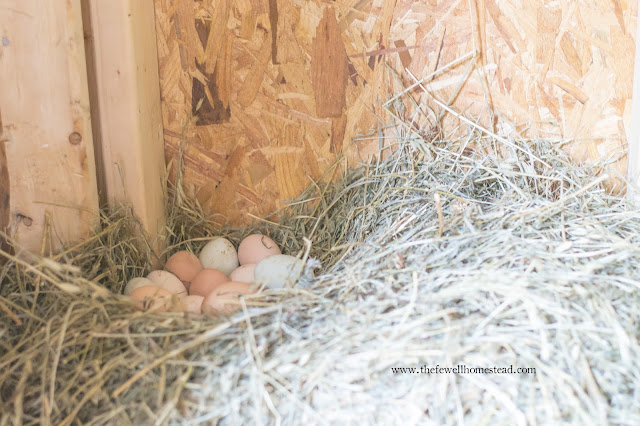
  • Water source. You need to know where their water is going to come from at all times. If it’s winter time and you lose power or the ability to get water from the hose, what will you do? A manual well pump is something you should highly consider.
  • Feed and treats. These are things you should never be on the verge of running out of. Always make sure you have enough for a weeks supply.
  • What if your homestead floods? Where will your animals go? This is probably one of the hardest things to think about. Many people won’t have to think about it, but for those of us who live near a water source, it’s a necessity. For small livestock, move them as close to the house or furthest away from the water source as possible. Yes, this means you need to plan in the heat of the moment. For larger livestock, that’s something that will depend on your property. Make proper plans ahead of time so that you don’t have to “think” about it when disaster strikes.
  • Wind and Rain. Wrap those hutches up (and any open areas) with plastic. Make sure that any animals in open spaces have ample shelter and security. A wet animal isn’t always a happy animal. Make sure all animals have a “higher shelter” that they can get to if necessary that is easily accessible.
  • Snow and Winter. Winter time is the worst for homesteaders, in my opinion. I have seen too many homesteaders lose animals because of extremely cold conditions or Winter storms, simply because they did not prepare for them. Have plenty of straw on hand. Make sure all animals are in a draft free shelter. Hutches should be wrapped and stuffed full of straw. Stalls should be warm too. Please do not use a heat lamp, it is not necessary and it is extremely dangerous. The one year we used a heat lamp, it did more harm than good. Also, if you lose power, you don’t want your animals to be accustomed to heat and then suddenly have to adjust to extremely cold temps. Make sure you have a “plowing” plan. Have the tractor or ATV ready to plow everyone out, but keep on top of it while it’s snowing. Don’t think you can be a hero and tackle it when it’s all over with. It’s not easy plowing 18 inches of snow.
  • Have the necessities. An animal first aid kit. Halters and leads. Extra mending tools and fencing for fences and anything else that might go wrong. Gloves, extra boots, and your vets number on hand.
Prepare Yourself — Physically and Spiritually
Most of these things mentioned above are just common sense. We all know how to take care of our animals and families. Though, some of us suck at preparing in advance. This isn’t a blog promoting freeze dried foods and doomsday prepping. It’s a blog to help you prepare with common sense tactics. Learn what’s around you and how to use it or overcome it, because doomsday prepping could certainly not work in your benefit at times. People and things can take your food, but they cannot take your knowledge and strength.
The final thing, and one that is least prepared in advance — prepare yourself. Physically, mentally and spiritually.
You must be able to keep your family together in a disaster. You can lose your mind after it’s all over with, but in the moment, it’s not an option.
  • Get in shape and know your body. You need to understand that your health is important, not just for your sake, but for other peoples sake should something happen on your homestead. This isn’t something you can go out to the store and buy the day before a disaster. This is something that you should work on constantly. What are you limits? Could you pull yourself out of rushing water if you got caught in it? Could you pick your child up and run for your life if necessary? It’s not something we like to think about, but it’s something we have to think about.
  • Hide His word in your heart. Because that Bible might not be close by in a freak situation.
  • Learn how to completely rely on Him. And understand that every single thing in this world happens for a reason. It might not be directly “God” all of the time, but He certainly makes all things work for His good and for the good of those who love Him.(Romans 8:28)
  • Encourage yourself so that you can encourage your family. This might look different to you than it does to me. But you  must be mentally able to keep your family going through it all. If you start flailing about in a tantrum or stress or fear, so will they. This also goes along with relying on God, because there’s absolutely no way you can do it alone. Keeping calm and peaceful in a situation that is anything but — it’s a pretty big deal.
There are so many things that we, as individuals, would do differently and must prepare differently. We are all different and have unique characteristics and homesteads. Whatever it may be, make sure you are prepared, whether you know the disaster is coming, or whether you’re completely taken off guard. It’s not a fear tactic, it’s your responsibility. Our ancestors and people in the Bible were prepared for these things most of the time (Ecclesiastes 11; Proverbs 6; Proverbs 13:16; and more) . Why shouldn’t we be?


RESOURCES


By: Amy K. Fewell · In: homesteading, prepping · Tagged: homestead disaster, natural disaster, preparedness, prepping

you’ll also love

Prepper Supply List for Your Emergency Pantry
Preparing for Emergencies on the Homestead
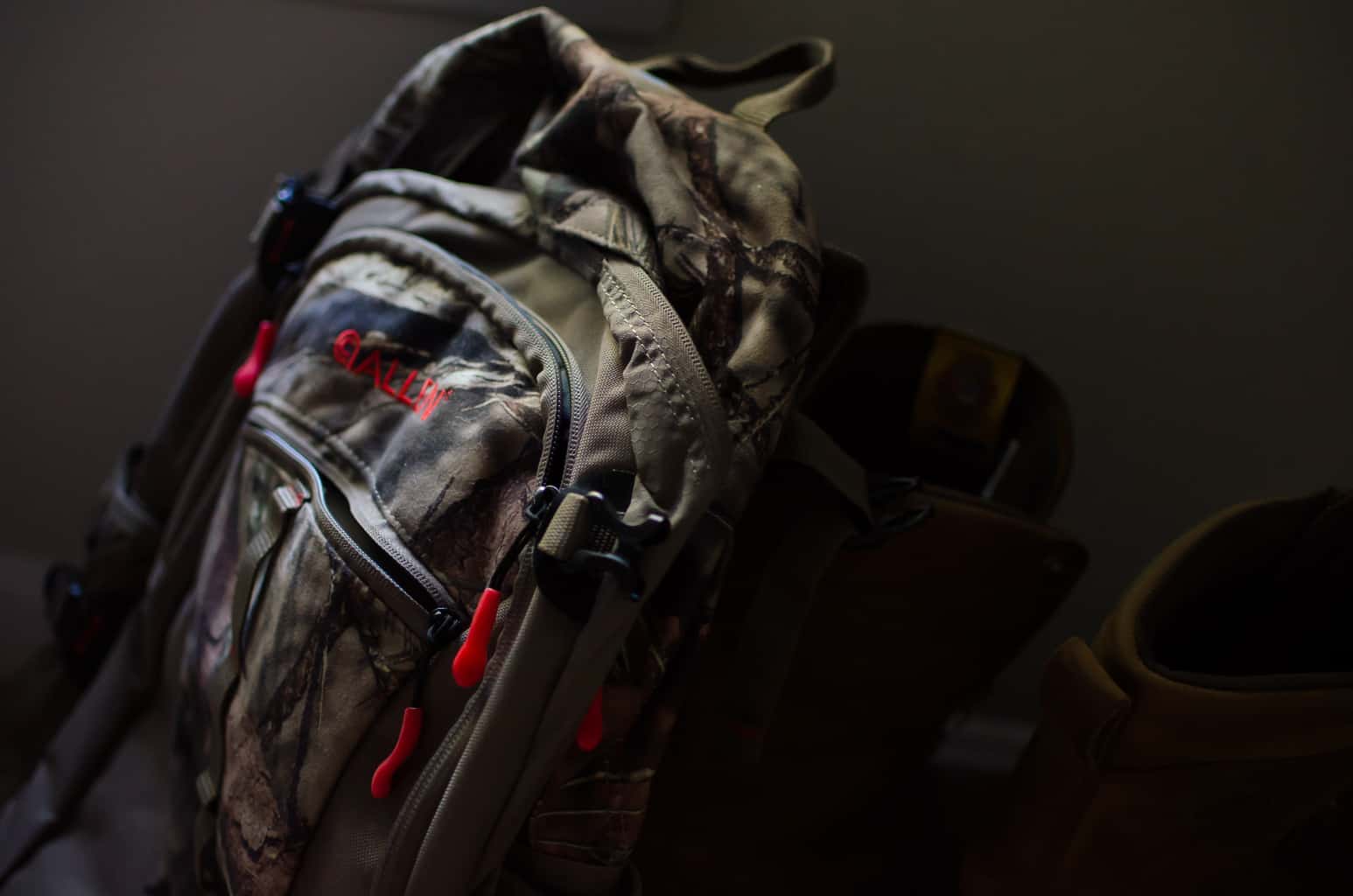
Quick and Easy Prepper Backpack and Tools
Next Post >

{Semi Wordless Wednesday} | Never Speak Badly

Primary Sidebar

meet amy

meet amy
hello!

I'm Amy. I love organic food but I love cookies too I love Jesus and His grace. I believe broken people make the biggest impact in the world when they share their stories. I believe in stories, and I'm sharing mine.

Read More

Connect

Search

Ads & Sponsors

200x400

Advertise

Follow Along

@amy.fewell

One of the greatest losses of the modern age isn’t One of the greatest losses of the modern age isn’t that we’ve forgotten how to grow food.

It’s that we’ve forgotten how to pass wisdom from one generation to the next.

For thousands of years, children learned by watching. They stood beside their fathers in the field and their mothers in the kitchen. They listened to stories around the table instead of scrolling through strangers’ opinions. They inherited not just possessions, but perspective. They gleaned wisdom, because you cannot buy wisdom.

Today, we outsource almost everything.

We outsource our food, health, and education.
We outsource our elderly.
We outsource discipleship. 
We even outsource our sense of purpose.

Then we wonder why so many people feel disconnected from the land, from one another, and from God’s design for community.

The answer isn’t merely to move to the country or buy a few chickens. It’s to become the kind of person worth learning from.

Live in such a way that your grandchildren will know how to pray because they heard you pray. They’ll know how to steward because they watched you steward. They’ll know how to preserve food, mend a fence, comfort a neighbor, and open their Bible because those things were ordinary in your home.

The most valuable inheritance you can leave isn’t acreage or a savings account.

It’s a life that quietly proved faithfulness is still possible in a world that rewards convenience.
Some of the holiest work you’ll ever do will never Some of the holiest work you’ll ever do will never trend online.
It won’t be standing on a stage. It won’t be gaining followers. It won’t be building a platform or hearing applause.

It might look like pulling weeds before the sun comes up while your children still sleep. It might look like teaching someone to bake bread, praying over a sick neighbor, fixing a broken fence, or carrying another burden that no one else even notices.

The Kingdom of God has always advanced through ordinary acts of faithful obedience.

Noah built.
Ruth gleaned.
David tended sheep.
The disciples mended nets.

Jesus spent most of His earthly life working with His hands before beginning His public ministry.

We’ve been taught to chase visibility when Scripture continually points us toward faithfulness.

The world measures influence by how many people know your name. Heaven measures it by whether the Father knows your heart.

So plant the garden.
Raise the children.
Visit the widow.
Read the Word.
Milk the cow.
Teach the skill.
Share the meal.
Open your table.
Keep doing the quiet work.

Because one day you’ll realize those hidden moments weren’t interruptions to your purpose—they were your purpose all along.

The greatest harvests are almost always growing underground long before anyone sees green above the soil.

(PS—hard to believe this little girl will be FOUR next month 😍 She was just a few days fresh in this photos)
🌼 FEVERFEW (Tanacetum parthenium) I keep finding 🌼 FEVERFEW (Tanacetum parthenium)

I keep finding these little volunteer feverfew plants all over my garden, and I love it.

For centuries, feverfew has earned a place in apothecaries and cottage gardens alike. With its cheerful daisy-like flowers and aromatic foliage, this member of the Asteraceae family has long been valued as a medicinal herb throughout Europe and beyond.

🌿 Botanical Name: Tanacetum parthenium
🌿 Common Names: Feverfew, featherfew, bachelor’s buttons (regional)
🌿 Family: Asteraceae (Daisy Family)
🌿 Parts Used: Primarily the leaves and flowering tops, used fresh or dried.

Historically, herbalists reached for feverfew to support the body in a variety of ways:

🧠 Headache & Migraine Support
Perhaps feverfew’s best-known traditional use is for recurring headaches and migraines. Researchers have identified compounds such as parthenolide, a sesquiterpene lactone that may influence inflammatory pathways and vascular function, making feverfew one of the most studied herbs for migraine prevention.

✨ Inflammatory Support
Traditional herbalists often used feverfew to help calm inflammation throughout the body. Modern studies suggest it may modulate inflammatory mediators, though more research is needed to fully understand its clinical applications.

🤒 Fever & Seasonal Illnesses
As its common name suggests, feverfew was historically brewed into teas or tinctures during febrile illnesses. Its long history explains how it received its memorable name.

💃 Women’s Herbal Tradition
Throughout history, feverfew has appeared in folk medicine traditions for menstrual discomfort and cycle support. Because of its potential effects on uterine activity, it is generally not recommended during pregnancy.

🦴 Joint & Musculoskeletal Comfort
Some herbal traditions have used feverfew for occasional joint discomfort and stiffness, particularly when associated with inflammatory conditions.

🍃 Digestive & General Wellness
Bitter compounds within the herb have historically been used to stimulate digestion and support overall gastrointestinal health

Add this one to your homestead herbalism list to grow in your garden!
I wrote this substack some time ago and then forgo I wrote this substack some time ago and then forgot to finish the series. But it seemed really relevant to share once again. It's the last I'll share on this!

It's one of the most quoted phrases in Scripture—and one of the most misunderstood.
For generations, a single verse has been lifted out of context to build entire doctrines that limit, discourage, or even silence women whom God has clearly called to serve, teach, prophesy, disciple, and lead under His authority. But what if we've been reading Paul's words without reading the entire letter? What if we've missed the historical context, the original language, and the broader testimony of Scripture?
Throughout the Bible, God consistently uses women to accomplish Kingdom purposes. One of the issues is that the American version of church is not the New Testament version and structure.
Deborah judged Israel. Huldah prophesied to kings. Priscilla instructed Apollos. Phoebe served the early church. Anna proclaimed the coming Messiah. Philip's daughters prophesied. At Pentecost, Peter declared that the Spirit would be poured out on sons and daughters, fulfilling Joel's prophecy.
So how do we reconcile those examples with passages like 1 Timothy 2?
The answer isn't found in reading one verse in isolation—it's found in studying the WHOLE counsel of God.
In this article, I take a deep dive into the Greek language behind "authority", "dominion", and "silence," examine the context surrounding Paul's instructions to Timothy, and explore why many common assumptions about this passage deserve a second look. We also look back to Genesis, the design of marriage, mutual submission, and the biblical pattern of accountability within the body of Christ.
The goal isn't to promote cultural trends or modern ideologies.
The goal is to return to Scripture itself.
The Kingdom needs men who sacrificially lead and protect.
The Kingdom needs women who faithfully steward the gifts God has entrusted to them.
If you don't read the whole Book, it's easy to build an entire doctrine on a single sentence.
🌿Comment SILENT and I'll shoot you the link to your inbox!
I have always thought it was so interesting, and s I have always thought it was so interesting, and so telling, when people believe that a woman in a leadership position in the church means she is against men and out of order. 

But many of the same people are ok with a woman in leadership in earthly things, like business, and politics. 

Here’s the reality, men and women were created completely different. We have different emotions, abilities, and giftings. The men I know that are extremely confident in their manhood and burly in nature will immediately tell you they need a woman to help keep them organized. And the women that are confident in their womanhood and feminity will immediately tell you that they need men to help keep them grounded, logical, and not emotionally driven. 

The kingdom was created to be whole—not half. 

So when people say things about women in ministry with a broad stroke, it hurts the body of Christ. Because there is neither male nor female, Jew nor Gentile. 

There are certainly women who should not be in leadership. I have met many of them. They actually do disrespect men and always think men are out to get them. These are the women that we are warned about throughout scripture and the Early church writings. But that does not give the Church the right to broad stroke women as a whole.

That would be like me saying that men are conniving, aggressive, and mean just because I’ve experienced that from a few men in church. But that would be silly and incorrect, wouldn’t it? 

The most healthy church bodies that I’ve been a part of have men as strong leaders with women as complimentary leaders, and never having rule over one another. Who has the final say? Jesus does. Because isn’t that what the church was created to do—seek God in all things? Together?

We must start from the beginning in America. Starting with what the actual early church looked like. When we begin to see that the ministry roles listed in scripture (apostle, prophet, evangelist, pastor/shepherd, teacher) were never governing roles (like elders and deacons), we might simmer down a bit and realize this isn’t as hard as the church Pharisees have made it. 

@thechurchstorehouse has free teachings on this �

Footer

Learn More

Chickens
Homemaking
Herbs
Recipes
Devotionals

Info

About
Contact
Privacy Policy
Shop

stay in the know

Copyright © 2026 · Theme by 17th Avenue