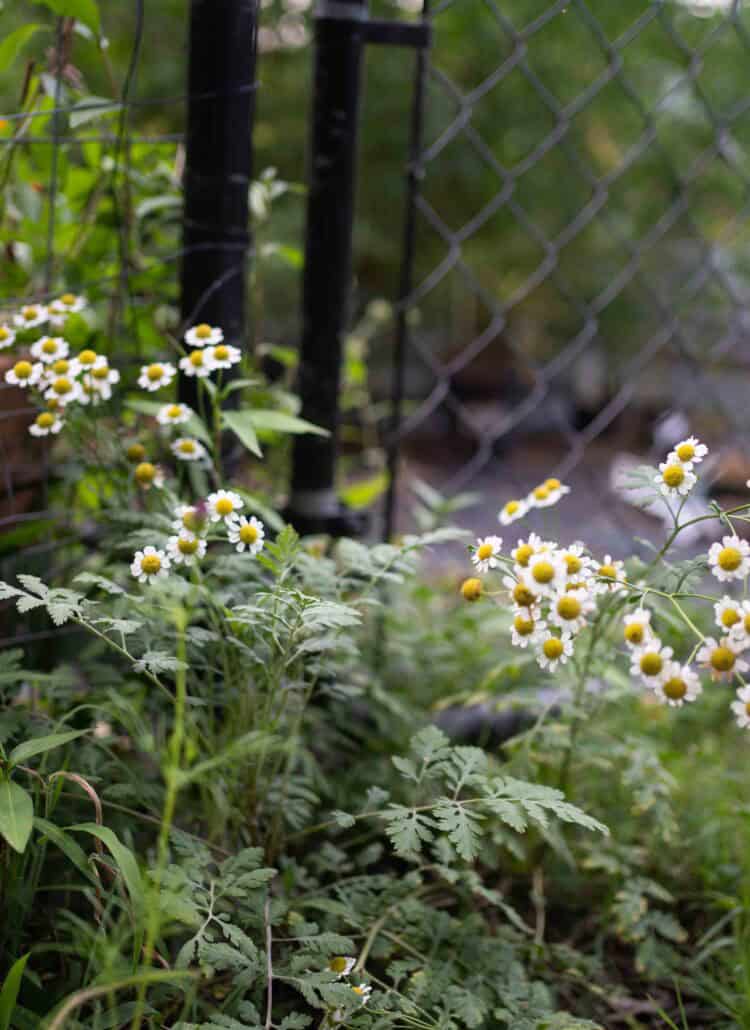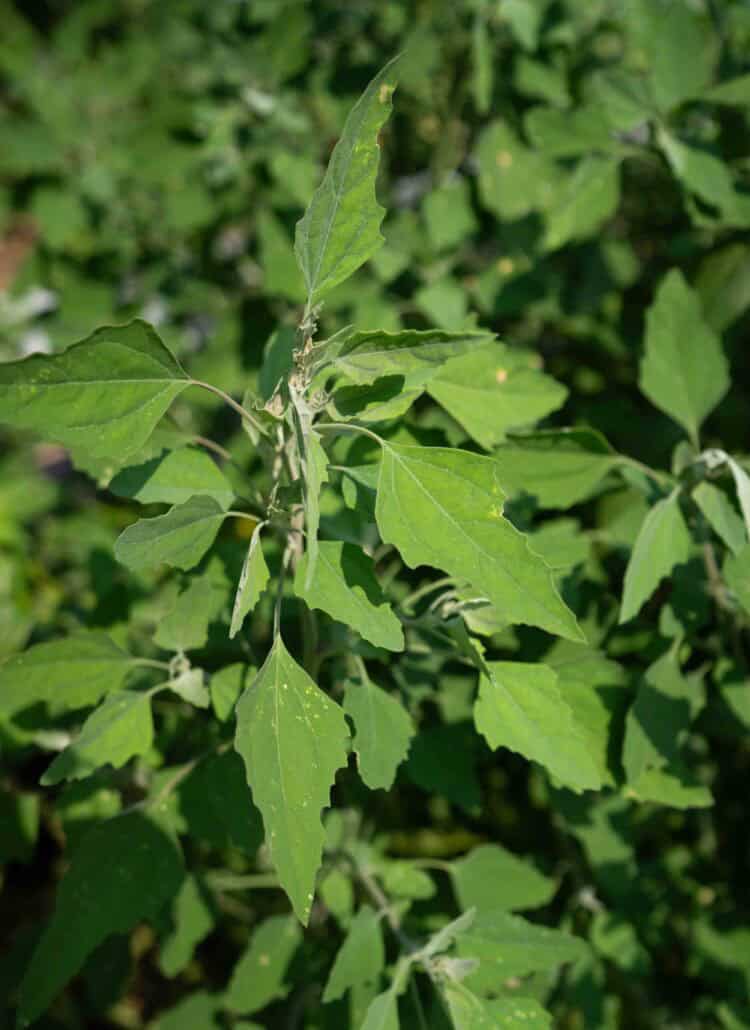
Every October, the same bottle comes off the shelf. Someone at church sniffles, a child comes home from co-op with a cough, and out comes the echinacea. I understand the habit. Echinacea is the herb most of us learned first. It’s on every grocery store endcap, and for years it was sold as the immune herb.
But the more time I spend with the old herbal records, the less I reach for echinacea for colds and flu. Echinacea is a good medicine. It just isn’t the medicine most people think it is. And there are better herbs for cold and flu season, several of which you can grow right on your own homestead.
Let’s talk about what echinacea was traditionally used for, whether echinacea actually works for colds, and the 14 herbs I keep in my home apothecary instead.
What Was Echinacea Traditionally Used For?
Echinacea’s traditional reputation was for snakebite, infected wounds, boils, and blood poisoning—not head colds.
The plant’s story starts on the Great Plains. Echinacea angustifolia (E. angustifolia), the narrow-leaved purple coneflower, was used by Native Americans of the Plains nations for snakebite, insect stings, toothache, sore throats, burns, and wounds. The root was chewed, held against painful places, or applied as a poultice. So much of its early use was topical use.
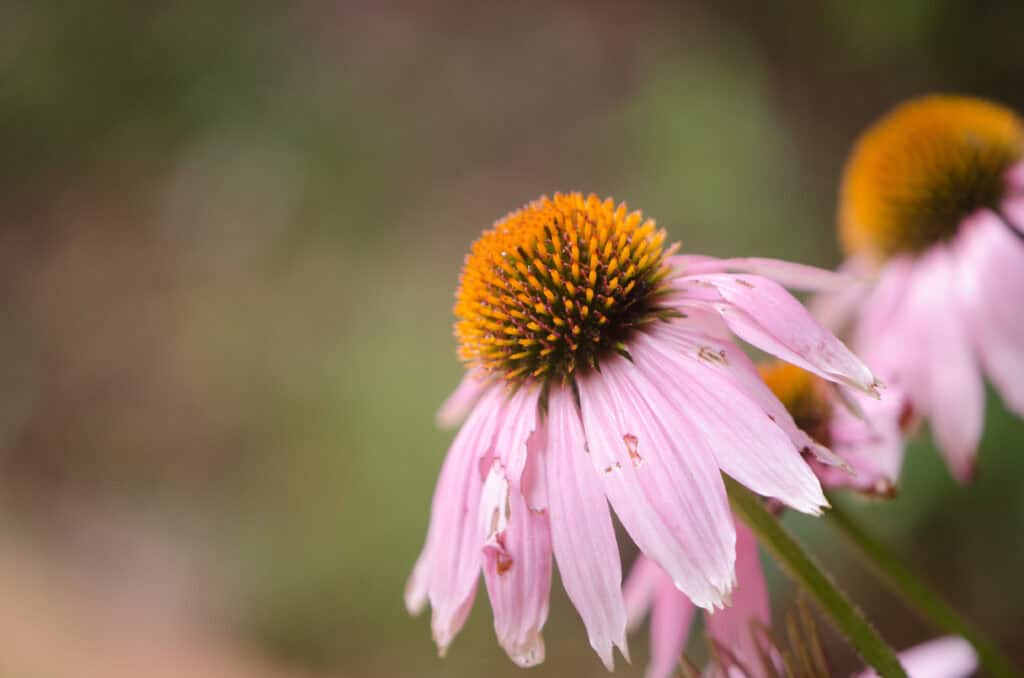
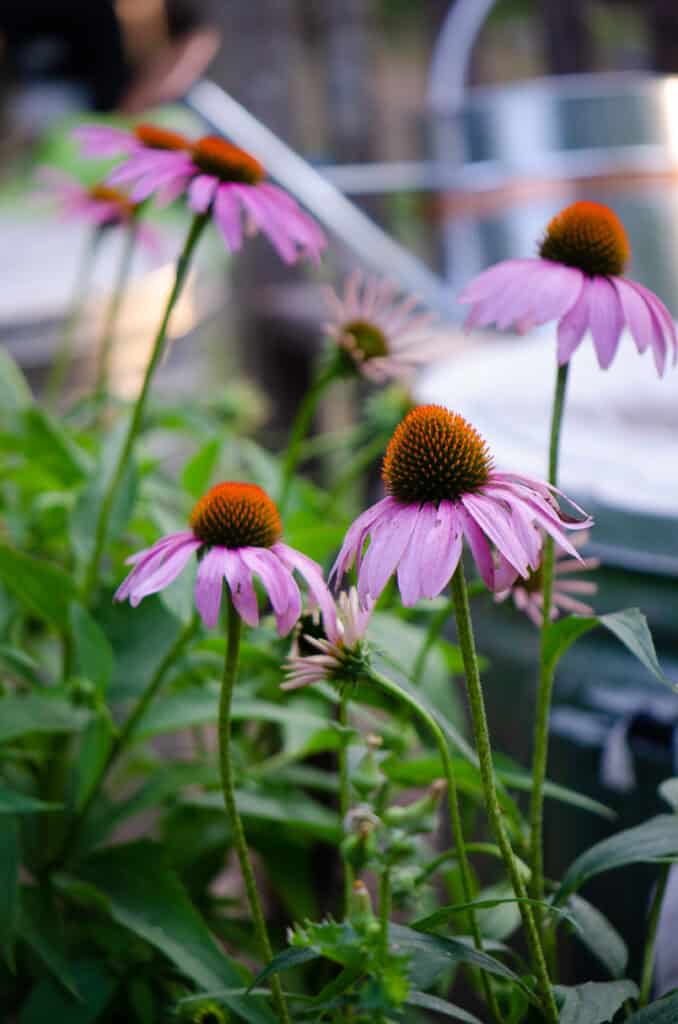
There are about nine species of echinacea, all native plants of North America, found mostly across the eastern United States and the Great Plains. The genus name comes from the Greek echinos, meaning hedgehog, for the spiny center cone. Common names vary by species: purple coneflower for Echinacea purpurea (E. purpurea), pale purple coneflower for Echinacea pallida (E. pallida), and yellow coneflower for Echinacea paradoxa (E. paradoxa), the only one with yellow rather than purple flowers. All echinacea spp. belong to the daisy family, alongside black-eyed Susan, and share the drooping ray flowers around a raised cone. The medicinal herb the old doctors prized came mostly from the echinacea roots of E. angustifolia and E. pallida.
In the 1870s, a Nebraska lay doctor named H.C.F. Meyer learned of the root and began selling it as “Meyer’s Blood Purifier.” He reportedly offered to let a rattlesnake bite him to prove its worth. The Eclectic physicians, America’s botanical doctors of the 1800s, took notice. John King and John Uri Lloyd studied it, and by the early 1900s it was one of the most widely used remedies in Eclectic practice.
Look at what those doctors used it for:
- Snakebite and venomous stings
- Boils, carbuncles, and abscesses
- Old, slow-healing ulcers and sores
- Septic conditions, gangrene, and “bad blood”
- Fevers with a low, sluggish, toxic character
The picture they describe is a body that is losing ground to infection: tissue that turns dark or purplish, wounds that smell foul, a person who is weak and depressed rather than hot and fighting. That is a very different picture from a runny nose and a scratchy throat on a healthy kid.
The energetics and tissue state information for echinacea will help you a lot as you prepare to use it.
Energetics: pungent, bitter, cooling, and drying, with a tingling, saliva-producing bite on the tongue.
Tissue states that Echinacea helps: depression with toxicity. Echinacea fits the body that has stopped fighting well, where infection is spreading, tissue is breaking down, and the person feels heavy, dull, and unwell.
Does Echinacea Work for Colds?
The cold-and-flu reputation grew out of 20th-century lab research and marketing, not out of the herbal tradition.
As the Eclectic schools closed in the early 1900s, interest in echinacea moved to Germany. In the 1930s, Gerhard Madaus set out to bring the American root home. He ended up growing a different species, Echinacea purpurea, and building a pressed-juice product from it. German researchers then studied it in the lab as an “immune stimulant,” and the idea of echinacea as a general cold preventive took off from there. By the 1990s it was one of the best-selling herbal supplements in America.
Herbalist Matthew Wood, MS, who has practiced traditional Western herbalism since 1982, has written a paper on this called “The Echinacea Debacle.” His argument is that the head-cold use was built on speculation by researchers who weren’t practicing herbalists, while the old records point to snakebite, sores, boils, and septic states. It’s worth reading if you have access to it (it’s housed in the Herbs A-Z program).
In fairness, a few Plains tribes did use the root for sore throats and coughs. So I wouldn’t say echinacea has nothing to do with respiratory illness. But “a remedy for a septic sore throat” is a long way from “take this every time you feel a sniffle.”
The modern research reflects that confusion. Echinacea supplements are among the best-selling dietary supplements in the country, usually marketed to “boost the immune system.” Yet one major clinical trial in the New England Journal of Medicine found it didn’t help, while a later analysis in The Lancet Infectious Diseases said it did (BioSpace). A 2014 Cochrane systematic review of 24 trials concluded the overall evidence for treating colds was weak (Cochrane).
Part of the problem is that studies test different echinacea species, different plant parts, and different echinacea extracts, from pressed E. purpurea juice to dried root capsules, and the results swing accordingly. When an herb is used outside its true picture, mixed results are exactly what you’d expect.
Even where a randomized controlled trial does show some benefit for upper respiratory tract infections, the effect tends to be small. That’s why reviewers keep using the phrase weak evidence.
If you do buy echinacea products, read the product label closely. Herbal products are sold as dietary supplements, not approved by the Food and Drug Administration the way drugs are, so the species, the parts of the plant used (roots, leaves, or flower heads), and the strength vary widely from one specific echinacea product to the next. Compounds like cichoric acid and alkamides, the source of that tongue-tingling bite, are often credited with echinacea’s medicinal properties and anti-inflammatory effects. How much of them survives in a capsule or a cup of herbal tea is hard to know.
14 Better Herbs for Cold and Flu Season
These are the herbs that fit better for cold and flu season, because each one matches a real need in the body rather than a marketing promise. Before you grab echinacea, look for one of these.
First, Read the Body: Tissue States and Herbal Energetics
Before choosing an herb, the old herbalists looked at the person: hot or cold, damp or dry, tense or lax. Traditional Western herbalism describes six basic tissue states:
- Heat (excitation): red, hot, irritated, inflamed
- Cold (depression): pale, sluggish, weak, chilled
- Dry (atrophy): dry skin, dry cough, thirst, little secretion
- Damp (stagnation): congested, boggy, thick mucus that won’t move
- Tension (constriction): spasm, tightness, wound-up nerves
- Relaxation (damp/lax): runny, dripping, leaking, poor tone
Herbs carry their own energetics. A warming, drying herb like thyme suits a cold, damp chest. A cooling, moistening herb suits a hot, dry one. Matching the two is the whole art, and it’s why one “immune herb” can never fit everyone.
Elderberry (Sambucus nigra, S. canadensis)
Elderberry is my first line when sickness is going around. It has a long history in European and American folk medicine, and it’s one of the few cold-season herbs with decent human research behind it, including small trials on influenza and on colds in air travelers.
Energetics: the berries are sour-sweet, cooling, and slightly drying; the flowers are cooling and relaxing.
Tissue state: heat in the early stage of illness, when the body is just beginning to fight. The flowers fit heat with tension, a fever that needs help opening up to a sweat.
It’s also a homestead plant. American elder grows along fencerows and ditches across much of the country, and a few bushes will keep a family with syrup all winter. I take it at the first sign of illness, more often when someone in the house is already sick.
Always cook the berries. Raw berries, stems, and leaves contain compounds that can upset the stomach.
Elecampane (Inula helenium)
Elecampane is the herb I reach for when a cold settles into the chest. It’s a warming, bitter, aromatic root that helps move stuck mucus and strengthens lungs that feel weak and boggy. Old herbals call it a remedy for coughs that linger and won’t clear.
Energetics: warming, drying, bitter, and aromatic.
Tissue state: cold and damp, with relaxed, weak lung tissue. Think of the person with a pale face, a wet cough that rattles, and mucus that keeps coming without ever clearing.
It’s an easy, tall perennial in the garden, and the root is dug in fall of its second or third year. I like it as a honey, a syrup, or a tincture.
Astragalus (Astragalus membranaceus)
Astragalus is a building herb, not a crisis herb. In Chinese medicine it’s used to strengthen the body’s outer defenses before illness arrives. I add slices of the root to soups and bone broths through fall and winter.
Energetics: sweet, slightly warming, and gently building.
Tissue state: depletion with a lax surface. It fits the person who catches every bug, sweats easily, tires quickly, and never seems to fully bounce back.
The traditional rule is to stop astragalus during an acute fever or infection and resume once you’re well. Use it in the healthy season. But I have also used it during infections when the body needs a good immune modulator.
Reishi (Ganoderma lucidum)
Reishi is a woody medicinal mushroom used for centuries in Asia. It’s slow, steady, and long-term, and it’s best for people who catch everything because they’re run down, stressed, and not sleeping. It’s made as a long-simmered decoction or added to broth.
Energetics: bitter, slightly sweet, and close to neutral in temperature, so it suits most constitutions.
Tissue state: depletion with tension. Reishi fits the wired-and-tired person, stressed, sleeping poorly, and run down enough that their defenses have slipped.
American Ginseng (Panax quinquefolius)
American ginseng is part of our own Appalachian heritage. Unlike its warmer Asian cousin, it’s cooling and moistening, which makes it well suited to tired, dried-out people who keep catching colds. A standardized extract of it has been studied for reducing how often adults catch colds.
Energetics: sweet, slightly bitter, cooling, and moistening.
Tissue state: dryness and depletion with heat. Picture someone worn thin, thirsty, with dry skin or a dry cough, who runs warm and gets exhausted easily.
Wild ginseng is over-harvested. Buy cultivated or woods-grown roots, or better yet, plant some in a shaded hardwood corner of your own land.
Black Seed (Nigella sativa)
Black seed, sometimes called black cumin, has been treasured across the Middle East and North Africa for millennia. Its main compound, thymoquinone, has been studied for immune and respiratory support, including in people with asthma. I use the seeds in cooking and the cold-pressed oil by the capsule
Energetics: pungent, bitter, warming, and drying.
Tissue state: cold and damp, with congestion, seasonal stuffiness, and sluggish digestion. Because it’s warming and drying, it’s less suited to someone who already runs hot and dry.
Boneset (Eupatorium perfoliatum)
Boneset was the American fever herb of the 1800s. Settlers and Native peoples alike used it, and nearly every farmhouse had bundles hanging in the attic. The name likely comes from “break-bone fever,” the deep, aching flu that feels like it’s in your very bones.
Energetics: bitter, cooling to slightly warming depending on how it’s taken, drying.
Tissue state: fits a fever that won’t break, with chills alternating with heat, deep muscle and bone aches, and a heavy, sluggish feeling. It’s for the person who is miserable and stuck, not the one running a bright, clean fever.
How to use: a hot infusion encourages sweating and helps a stalled fever move. Taken cool, it acts more as a bitter tonic. Small doses work best; it’s intensely bitter and large amounts can cause vomiting.
Boneset grows wild in wet meadows and ditches across the eastern half of the country, and it’s easy to establish in a damp corner of the homestead.
Linden (Tilia spp.)
Linden, also called basswood or lime blossom, is one of the gentlest fever herbs I know, and one of the best for children. The flowers and their papery bracts make a sweet, pleasant tea that little ones actually drink.
Energetics: cooling, moistening, relaxing.
Tissue state: heat with tension. Think of the child who is hot, flushed, restless, and can’t settle, with a fever that won’t come out because the body is wound tight. Linden relaxes the surface so the body can sweat and rest.
How to use: a warm infusion of the flowers, sweetened with honey for children. It pairs beautifully with elderflower and a little peppermint—an old-fashioned fever tea.
Basswood is a native tree across much of the eastern U.S. Harvest the blossoms in early summer, dry them well, and you’ll have a winter’s supply from one tree.
Licorice Root (Glycyrrhiza glabra)
Licorice is the moistener. When a cough is dry, tickling, and raw, and every breath feels like sandpaper, licorice coats and soothes the irritated tissue.
Energetics: sweet, moistening, slightly cooling.
Tissue state: dryness with heat and irritation. It’s the counterpart to elecampane: elecampane dries up a wet, boggy chest, while licorice moistens a dry, hot one. It’s also a classic harmonizer, often added in small amounts to smooth out and sweeten bitter formulas.
How to use: a small piece of root simmered in tea, a pinch added to a cough syrup, or a lozenge. A little goes a long way.
Licorice is not an everyday herb for everyone. Taken in large amounts or for long stretches, it can raise blood pressure and lower potassium. Keep it short-term and modest.
Thyme (Thymus vulgaris) & Ginger (Zingiber officinale)
These two kitchen herbs are the warming, drying pair for the cold, damp chest.
Thyme energetics: warming, drying, aromatic, antispasmodic.
Tissue state: cold and damp, with thick, congested mucus and a spasmodic, hacking cough. Thyme is strongly antimicrobial, and its aromatic oils work right where they’re needed in the lungs. Use it as a strong tea with honey, a syrup, or a steam bowl with a towel over your head.
Ginger energetics: pungent, warming, stimulating.
Tissue state: cold and depressed, with chills, a pale face, and poor circulation. Fresh ginger is more diffusive and helps bring on a sweat at the first chill. Dried ginger is hotter and deeper, better for warming a cold stomach and a body that can’t get warm.
Because both are drying and heating, they’re the wrong choice for a hot, dry, irritated cough. That’s where linden and licorice come in.
Garlic, Yarrow, and Mullein
Don’t overlook what’s already in your kitchen and garden:
- Garlic: hot and drying; raw, crushed, and eaten in honey or on toast at the first sign of illness
- Yarrow: the old fever herb for a hot, dry fever that won’t break, taken as a hot tea to open the pores
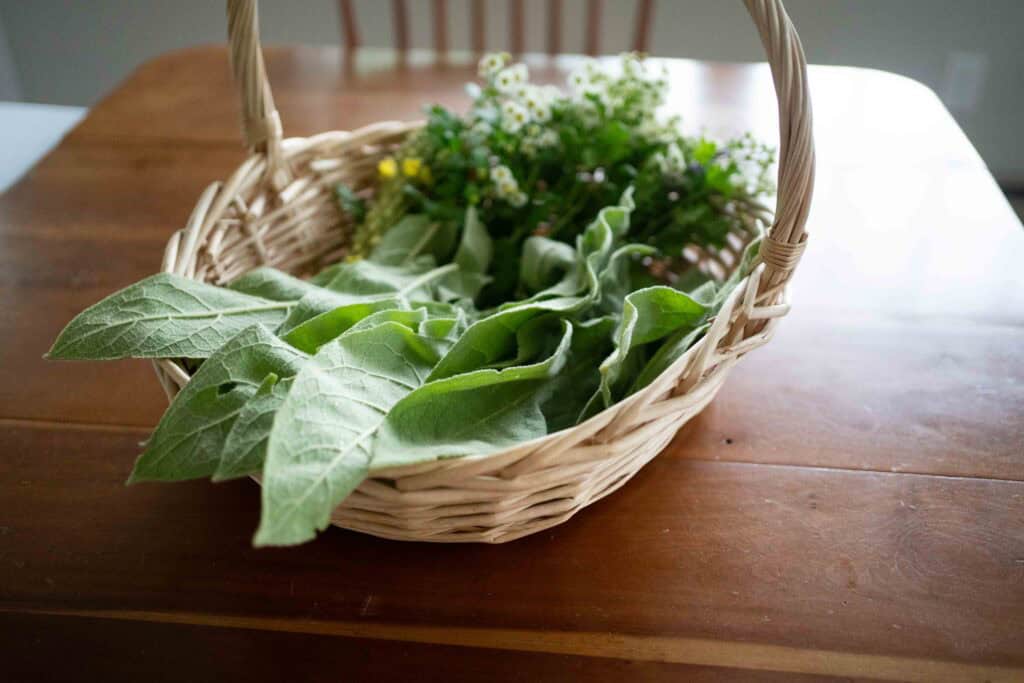
- Mullein leaf: moistening and soothing for dry, irritated, hacking coughs
Herbal Safety: Cautions and Interactions
Herbs are real medicine, so they deserve real respect.
- Elderberry: cook the berries; never use raw berries, stems, or leaves.
- Echinacea, elecampane, boneset, and yarrow: all are in the daisy family, so allergic reactions are possible if you react to ragweed or chamomile. Echinacea’s most common adverse effects are stomach aches, nausea, and rash, especially at higher doses. Talk to your health care provider before using it with autoimmune diseases or other ongoing health conditions. Avoid elecampane, boneset, and yarrow in pregnancy.
- Boneset: use small doses for short periods; large amounts can cause vomiting, and the fresh plant shouldn’t be used.
- Licorice: keep it short-term; avoid with high blood pressure, heart or kidney conditions, and in pregnancy.
- Astragalus: set it aside during acute infection. Talk to your doctor if you take immune-suppressing medications.
- Reishi: may affect blood clotting; use caution with blood thinners and before surgery.
- American ginseng: may interact with blood thinners and blood sugar medications.
- Black seed: may lower blood sugar and blood pressure; use culinary amounts only in pregnancy.
And please know when to call for help. High or lasting fevers, trouble breathing, a sick infant, a red streak running up from a wound, or anyone getting worse instead of better all may require modern medical attention. Herbs are for tending the home, not for ignoring an emergency.
Which Herb Should You Use? A Quick Guide by Symptom
The real lesson isn’t “echinacea bad, elderberry good.” It’s that every herb has a picture, and good herbalism matches the herb to the person and the stage of illness.
| Stage | What it looks like | Tissue state | Herbs that fit |
|---|---|---|---|
| Building season | Healthy, but run down or prone to catching everything | Weak, depleted | Astragalus, reishi, American ginseng, black seed, elderberry |
| First signs | Scratchy throat, chills, sneezing, “something’s coming on” | Cold, early | Elderberry, garlic, fresh ginger, yarrow tea |
| Bright, restless fever | Hot, flushed, can’t settle | Heat with tension | Linden, elderflower, yarrow |
| Stuck fever | Chills and heat by turns, deep bone aches | Heavy, stagnant | Boneset |
| Settled in the chest | Wet, lingering cough, tired lungs | Cold and damp | Elecampane, thyme, ginger |
| Dry cough | Hacking, irritated, unproductive | Dry with heat | Licorice, mullein leaf |
| Infection losing ground | Boils, infected wounds, foul or darkening tissue | Depressed, septic | Echinacea, plus a medical evaluation |
Notice where echinacea lands. It belongs in the apothecary, especially for infected cuts, boils, infections, and bites on the farm. It’s just not the bottle for every sniffle in October. Echinacea is absolutely incredible for infections, but the common cold is not necessary infection level.
Building Your Cold and Flu Home Apothecary
The old herbalists didn’t grab one bottle for everything. They watched the person in front of them, knew their plants, and chose carefully.
That’s the kind of herbalism I want for our homes. Plant an elder hedge. Put elecampane in the back of the garden. Tuck astragalus into your broth jars and keep black seed in the spice cabinet. Learn what each one is for, and you’ll find you need the grocery store endcap far less.
God gave us a remarkable pharmacy in His creation. Our job is to steward it wisely, and that starts with knowing the plants for what they really are. These herbs listed are a great starting point for cold & flu season!
Frequently Asked Questions
Is echinacea good for colds?
The evidence is weak. A 2014 Cochrane review of 24 trials found that some echinacea products might help slightly, but the overall effect on colds was small and inconsistent. Traditionally, echinacea was used for snakebite, boils, and septic infections, not the common cold. However, when a deep infection occurs (like in pneumonia), echinacea could be beneficial.
What is the best herb for a cold?
It depends on the person and the stage of the cold. Elderberry is a good choice at the first signs. Elecampane and thyme suit a wet cough that has settled in the chest. Licorice and mullein suit a dry, irritated cough. For building resistance before cold season, astragalus, reishi, and American ginseng are traditional choices.
What’s the difference between elderberry and echinacea?
Elderberry is cooling and suits the early, hot stage of a cold or flu, and it has more human research for colds and flu. Echinacea is traditionally a remedy for spreading, septic infections like boils and infected wounds.
What herbs help with a cough?
For a wet, lingering cough, try elecampane or thyme. For a dry, hacking cough, try licorice root or mullein leaf. Matching the herb to whether the cough is wet or dry matters more than the herb itself.
What herbs are safe for children with a cold?
Gentle herbs like linden, elderflower, and cooked elderberry are traditional choices for children.
What are tissue states in herbalism?
Tissue states are a traditional Western herbalism framework for reading the body: heat, cold, dry, damp, tension, and relaxation. Herbalists match an herb’s energetics, such as warming or cooling, to the person’s tissue state.
References
Historical and Traditional Sources
- Felter, H.W., and Lloyd, J.U. King’s American Dispensatory, 18th ed., 1898. Echinacea entry, via Henriette Kress’s herbal archive.
- Lloyd Brothers. A Treatise on Echinacea, Cincinnati, 1917. Covers Meyer, King, and the Eclectic introduction of the root.
- Hobbs, C. “Echinacea: From Native American Panacea to Modern Phytopharmaceutical.”
- Wood, M. “The Echinacea Debacle.” Housed in the Herbs A-Z program. Website.
Clinical Research
- Karsch-Völk, M., et al. “Echinacea for preventing and treating the common cold.” Cochrane Database of Systematic Reviews, 2014. Reviewed 24 trials and found the overall evidence for treatment effects weak.
- “When Medical Studies Collide.” BioSpace. On the conflicting NEJM and Lancet Infectious Diseases echinacea findings.
- Tiralongo, E., Wee, S.S., and Lea, R.A. “Elderberry supplementation reduces cold duration and symptoms in air-travellers.” Nutrients 8(4):182, 2016.
- Predy, G.N., et al. “Efficacy of an extract of North American ginseng… for preventing upper respiratory tract infections.” CMAJ 173(9):1043–1048, 2005.
- Koshak, A., et al. “Nigella sativa supplementation improves asthma control and biomarkers.” Phytotherapy Research 31(3):403–409, 2017.
- “The efficacy of Nigella sativa supplementation for asthma control: a meta-analysis.”
Further Reading
- Wood, M. The Earthwise Herbal: A Complete Guide to Old World Medicinal Plants and …New World Medicinal Plants. North Atlantic Books.
- Wood, M. The Practice of Traditional Western Herbalism. North Atlantic Books. The source for the six tissue states framework.
- Felter, H.W. The Eclectic Materia Medica, Pharmacology and Therapeutics, 1922.
- Moerman, D. Native American Ethnobotany. Timber Press.