


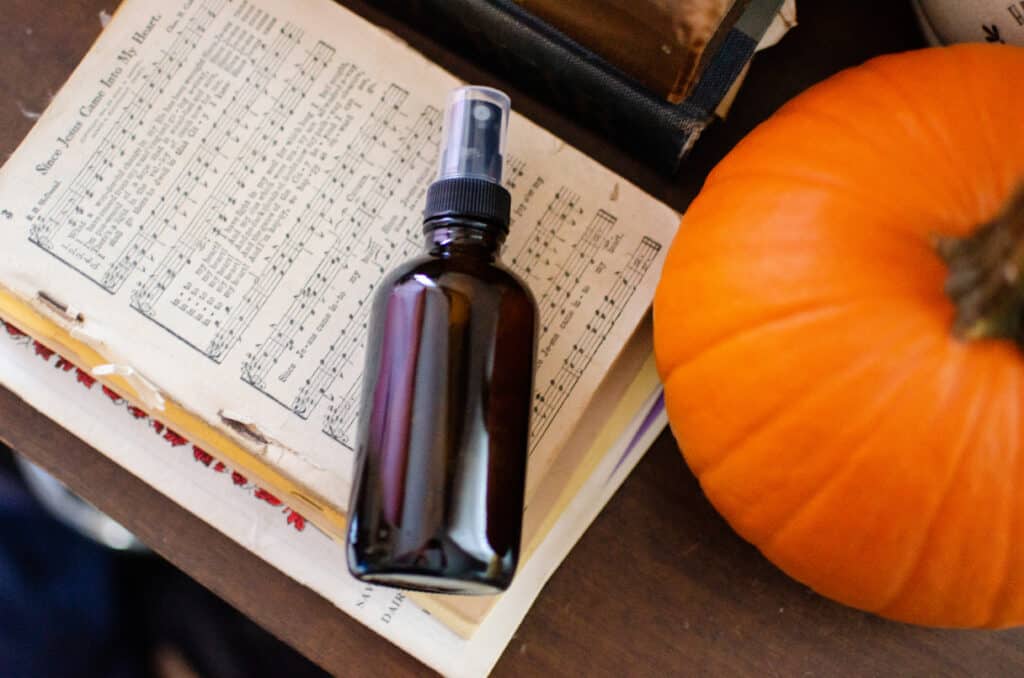
It’s finally autumn, and if you’re anything like me, you want your farmhouse to smell like the holidays! I decided to take some time to make a few natural homemade air fresheners recently, and they truly do give you all the fall feels. The best part is that they are completely all natural.
With a baby in our home, it is extremely important to me to have all natural scents and air fresheners. Babies take in more air than adults do because they breathe twice as much (quickly). Because of this, it has always been important to me to put together natural scents in our home and on our homestead.
KEY TAKEAWAYS
- Natural homemade air fresheners consist of three basic ingredients: witch hazel, essential oils, and water combined in a spray bottle.
- Babies breathe twice as frequently as adults, making natural air fresheners particularly important in homes with young children to reduce exposure to synthetic chemicals.
- DIY air fresheners can double as linen sprays to extend the longevity of the scent in fabrics and bedding.
- Autumn air freshener blends typically combine woodsy oils like cedarwood and Siberian fir with warm spices such as cinnamon bark and clove.
- The flexibility of homemade air freshener recipes allows for adjustment of individual oil quantities based on personal scent preferences.
The Science Behind Why Autumn Scents Make Us Feel Cozy (And How to Maximize That Effect)
Ever wonder why certain scents instantly transport you to memories of fall baking or crisp outdoor walks? It’s not just nostalgia—it’s neuroscience.
What’s Really Happening in Your Brain:
Cinnamon → Activates the orbitofrontal cortex, the brain region tied to emotional memory and comfort
Cedarwood → Triggers parasympathetic nervous system responses that lower cortisol levels
Clove → Contains eugenol, which studies show can reduce anxiety markers by up to 23%
The Golden Ratio for Maximum Coziness:
• 40% base notes (cedarwood, fir) for grounding
• 35% spice notes (cinnamon, clove) for warmth
• 25% accent notes (orange, peppermint) for brightness
This isn’t just about smelling good—it’s about creating an environment where your nervous system can literally relax. Mix your air freshener with this ratio in mind, and you’re not just scenting your home; you’re designing an emotional experience.
The “Scent Layering” Technique Professional Perfumers Use (Adapted for Your Farmhouse)
Most people spray once and call it done. But here’s what changes everything: professional scent layering.
The Three-Tier Application Method:
Tier 1: Fabric Foundation (Morning)
Spray your curtains, throw pillows, and area rugs with your base blend—the woodsy cedarwood and fir combination. These porous materials hold scent for 4-6 hours.
Tier 2: Air Refresh (Midday)
Use your spicier blend (cinnamon and clove heavy) in the air itself. This creates the immediate “wow” moment when someone walks in.
Tier 3: Heat Activation (Evening)
Lightly mist near (not on) warm areas—lampshades after lights have been on, near radiators, or on wooden surfaces near your fireplace. Heat disperses essential oils more effectively, releasing scent molecules gradually over 2-3 hours.
Pro Timing Trick:
Wait 10 minutes between each tier. Your olfactory receptors reset, preventing scent fatigue, and each layer registers as a distinct pleasant experience rather than an overwhelming cloud.
This technique makes your home smell naturally fragrant all day without constant respraying or that artificial “trying too hard” vibe.
The Witch Hazel Alternative No One Talks About (That Actually Works Better)
Everyone says “use witch hazel,” but here’s what the DIY community isn’t telling you: witch hazel can actually shorten your air freshener’s shelf life.
The Problem with Witch Hazel:
It contains tannins that can oxidize your essential oils faster, especially citrus-based oils like wild orange. You’ll notice your blend smelling “off” after just 2-3 weeks.
The Superior Alternative:
Vodka (40% ABV or higher)
• Preserves oils for 6-8 weeks
• Better emulsification = more even scent distribution
• Zero residue on fabrics
• Evaporates cleanly without sticky buildup
The Simple Swap:
Use the exact same ratio—2 tablespoons—but substitute plain vodka for witch hazel. No, your house won’t smell like alcohol; it evaporates within seconds, leaving only the essential oil scent behind.
Bonus Discovery:
If you want the absolute longest-lasting blend (10-12 weeks), try this ratio:
• 1 tablespoon vodka
• 1 tablespoon vegetable glycerin
• Essential oils
• Water to fill
The glycerin adds staying power without the tackiness of witch hazel, and the vodka keeps everything preserved. This combination is what commercial “natural” brands use but never disclose on their ingredient lists.
How to Make Homemade Air Fresheners
I’m always shocked by how many people believe homemade air fresheners are hard to make. Truly, they are one of the easiest natural products to make for the home. While the scent might not last quite as long, you can absolutely use this air freshener as a linen spray as well. Using your homemade air freshener as a linen spray will help your scent last longer.
Here’s how you make a basic DIY air freshener:
- water
- 2 tbs witch hazel (or vodka, rubbing alcohol, or vanilla extract)
- 20-30 drops of essential oils
- 4oz, 8oz, or 16 oz spray bottle
You’ll start by adding 2 tbps of the witch hazel (or other alternative) to your spray bottle. Next, add the essential oils in one of the combinations below. Finally, fill the bottle the remainder of the way with water. Cap with the spray nozzle, give a good shake, and spray away! It’s that simple!
5 Autumn Air Freshener Recipes
Are you ready to give it a try? Try adding one of these combinations of oils to your bottle for fresh and natural autumn scents! I do enjoy adding vanilla extract to mine during the holidays, as it gives that nice holiday baking scent to the air.
Autumn Leaves Air Freshener
- 10 drops cedarwood
- 6 drops Siberian fir
- 5 drops cinnamon bark
Harvest Air Freshener
- 8 drops cinnamon bark
- 8 drops eucalyptus
- 4 drops clove
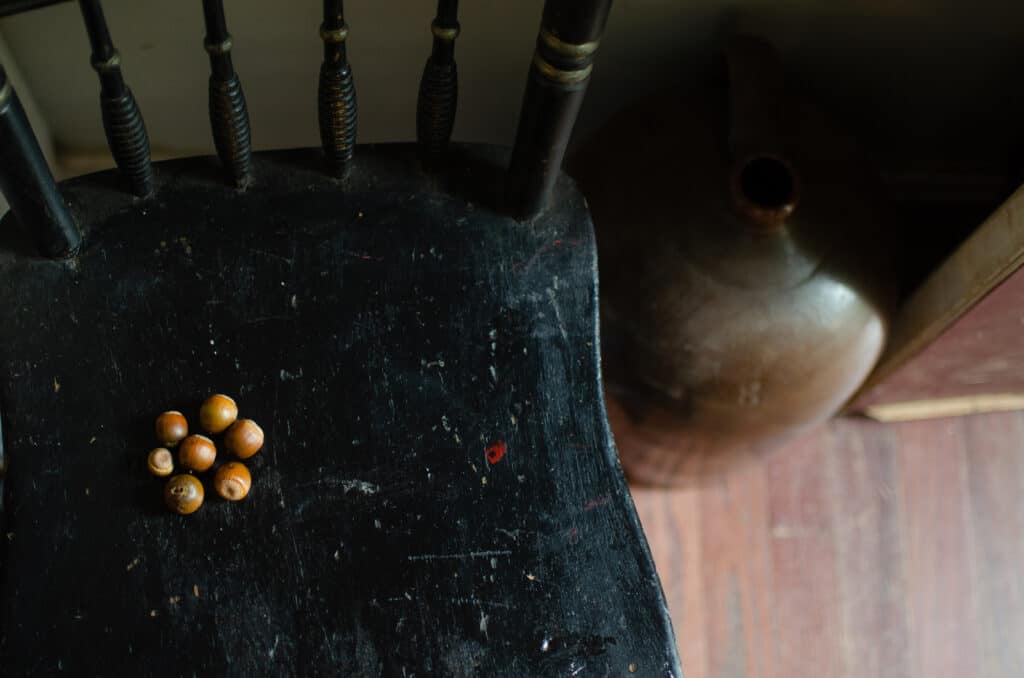
Acorn Spice Air Freshener
- 10 drops clove
- 10 drops peppermint
Autumn Floral Air Freshener
- 15 drops magnolia
- 5 drops cinnamon bark
Thanksgiving Day Air Freshener
- 5 drops cedar wood
- 4 drops clove
- 4 drops peppermint
- 4 drops wild orange
The beauty of making your own air fresheners is that you can add or take away scents that are too strong or not strong enough. If one recipe has more clove than you’d like, take away a few drops and add a few more of another.
No matter which essential oil combination you use for your autumn homemade air fresheners, make sure you are using quality ingredients.
Make for your home or as gifts for the holidays! Whatever it may be, I hope these autumn scents fill you with joy this holiday season!
Other Blog Posts You Might Enjoy:
10 Homemade Air Freshener Recipes
How to Make Deep Cleaning Chicken Coop Cleaner
Frequently Asked Questions
Can I use dried herbs or spices instead of essential oils in my air freshener?
While you can simmer dried herbs and spices on the stove for temporary scent, they don’t work effectively in spray bottles. The plant material doesn’t dissolve in water and will clog your spray nozzle. Essential oils are concentrated plant extracts that disperse properly in liquid form, making them the only practical option for spray air fresheners.
How long does a homemade air freshener last before it goes bad?
When made with witch hazel, your air freshener will stay fresh for 2-3 weeks. Using vodka as a preservative extends this to 6-8 weeks. Store your bottle in a cool, dark place between uses, and shake well before each spray since the oils and water will naturally separate. If you notice any cloudiness or off smell, it’s time to make a fresh batch.
Are there any essential oils I should avoid using around babies besides the ones mentioned?
Yes, avoid eucalyptus, rosemary, and peppermint essential oils around children under 2 years old, as they can cause respiratory issues in very young children. Cinnamon and clove should also be used sparingly and well-diluted around infants. The safest autumn options for homes with babies are cedarwood, Siberian fir, and sweet orange at reduced concentrations—use half the recommended drops for baby-safe blends.
Why does my homemade air freshener leave a slight residue on some surfaces?
Residue typically comes from using too much witch hazel or not enough water in your mixture, or from spraying too close to surfaces. Always spray from at least 12 inches away and use the recommended 2 tablespoons of witch hazel per 4-ounce bottle. If you continue experiencing residue, switch to vodka as your emulsifier—it evaporates completely clean without any tackiness.
Can I add vanilla extract to any of these autumn blends, and how much should I use?
Absolutely—vanilla extract adds wonderful warmth to autumn scents and pairs especially well with the cinnamon and clove blends. Add 1/4 teaspoon of pure vanilla extract per 4 ounces of air freshener. Use real vanilla extract, not imitation, as artificial vanilla contains additives that can cloud your spray. Keep in mind that vanilla extract is alcohol-based, so it actually helps preserve your blend while adding that cozy holiday baking aroma.
This blog post may contain affiliate links. This means I make a commission off of the link at no additional charge to you! It helps us support our homestead and lifestyle!