• Home
  • Membership
  • Shop
  • Cart
  • Our Farm
  • Gut Health
  • Herbal Practice
  • Buy Trusted Supplements
  • Nav Social Icons

  • Skip to primary navigation
  • Skip to main content
  • Skip to primary sidebar
  • Skip to footer
  • Home
  • Blog
  • About Me
  • Our Farm
  • Gut Health
  • HH Membership
  • My Books
  • Youtube
  • Podcast
  • Homesteading
  • Chickens
  • Herbs
  • Family
  • Farmhouse
  • Homemaking
  • Recipes
  • Sourdough
  • Contact Me
  • Herbal Practice
  • Buy Trusted Supplements
  • Mobile Menu Widgets

    Search

    Connect

Amy K Fewell | Homesteading for the Kingdom

Amy K Fewell | Homesteading for the Kingdom

  • Start Here
    • About Me
    • My Books
    • Podcast
    • Youtube
    • Gut Health
  • Blog
    • herbs
    • Bees
    • chickens
    • rabbits
    • Farmhouse
    • gardening
    • devotional
    • homemaking
    • sourdough
    • recipes
  • Courses & Books
    • HH Membership
    • My Books
  • herbs
  • Podcast
  • Contact Me

Herbal Oatmeal for Chickens (with video)

May 21, 2018 · In: chickens, ducks, Featured, herbs, recipes, videos

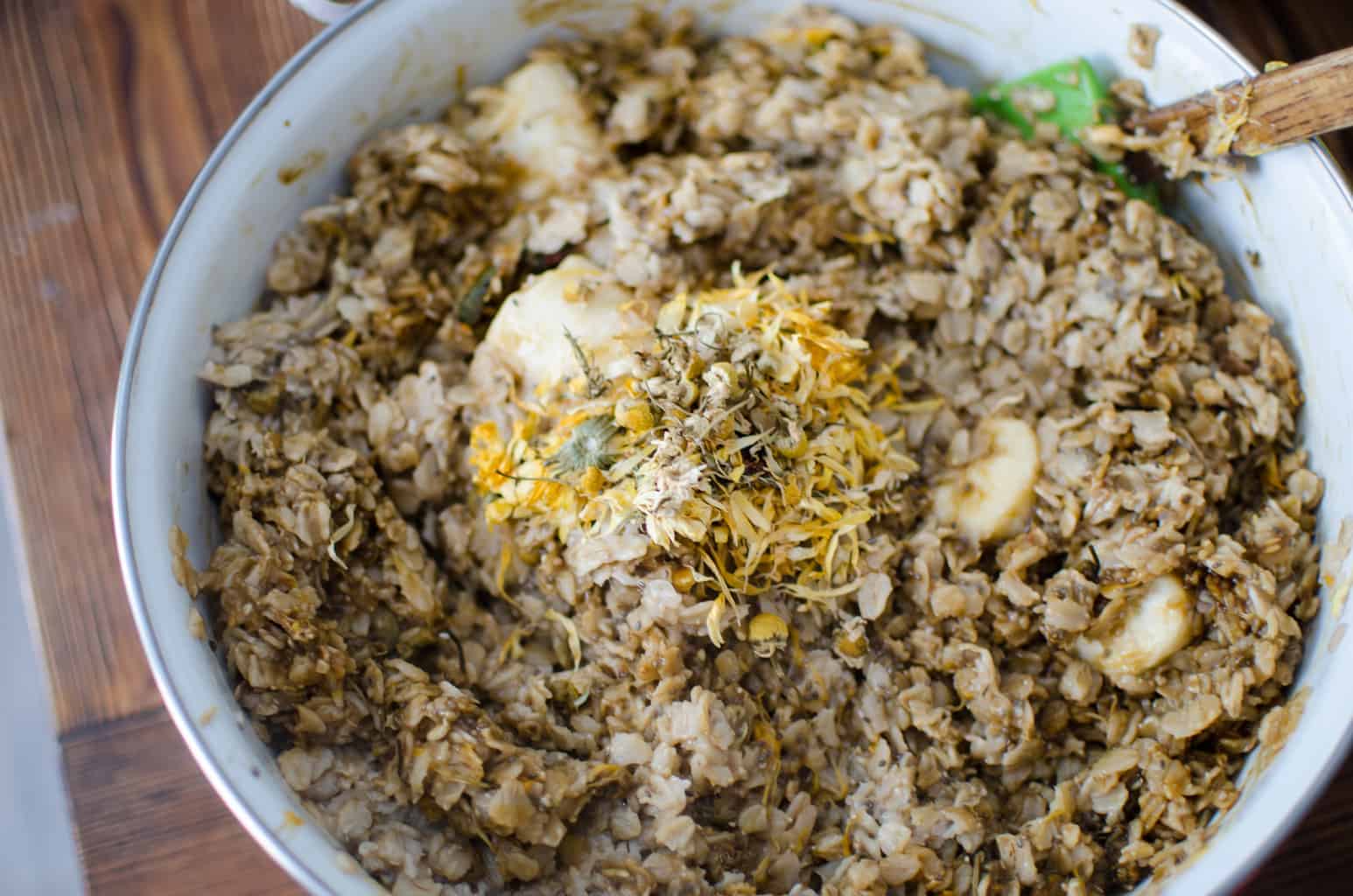
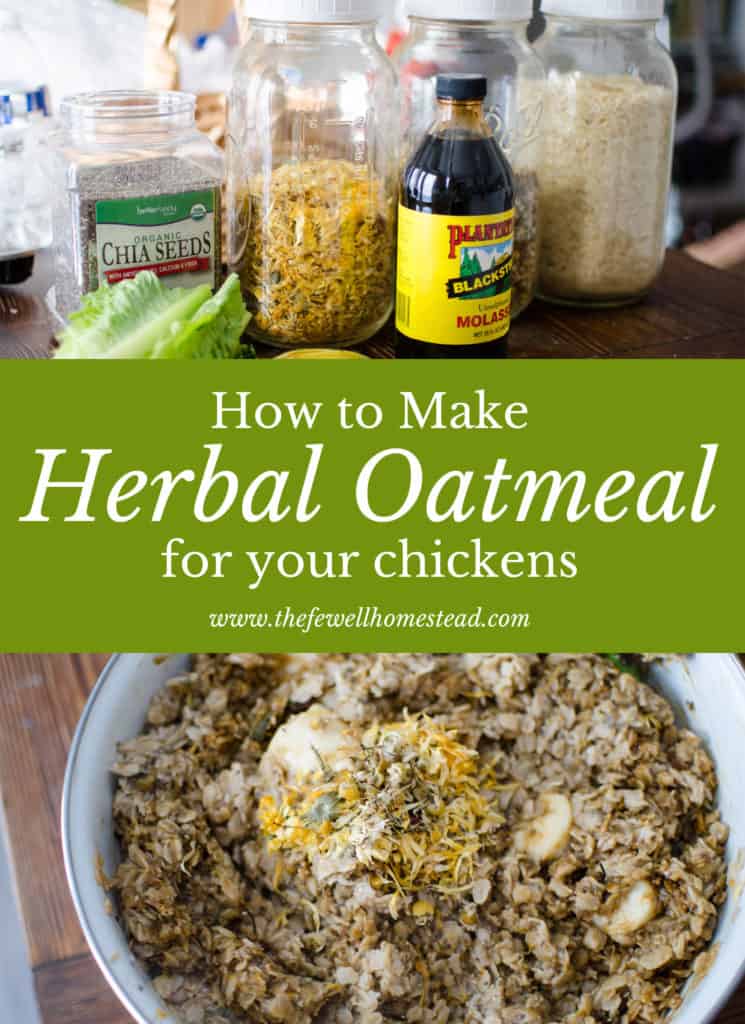
Giving herbs to your chickens isn’t a new concept, and neither is giving oatmeal. But what about offering herbal oatmeal to your chickens? No that, my friends, is something worth writing about! Combining both of these wonderful treats into an herbal oatmeal is a sure way to get those beneficial and medicinal herbs into your favorite chooks. Whether it’s maintenance herbs as a preventative, or treating an entire flock for internal issues, you’ll want to keep this versatile recipe on hand.
A Word on Oatmeal

Oatmeal should never be given to chickens on a regular (daily) basis. If you are mixing up your own chicken feed, you can certainly add dried oats to it, but as a meal replacement, oatmeal shouldn’t be your top choice. Oatmeal can cause diarrhea in chickens, and if given too long, can start to create vitamin and mineral deficiencies. We only offer this oatmeal to our chickens once a week or once every other week as a herbal maintenance and a treat. Otherwise, our chickens are happily eating scraps, grass, bugs, rodents, and their homemade layer feed (which you can find in my new book coming in Spring 2019!)
What to Put in Your Herbal Oatmeal

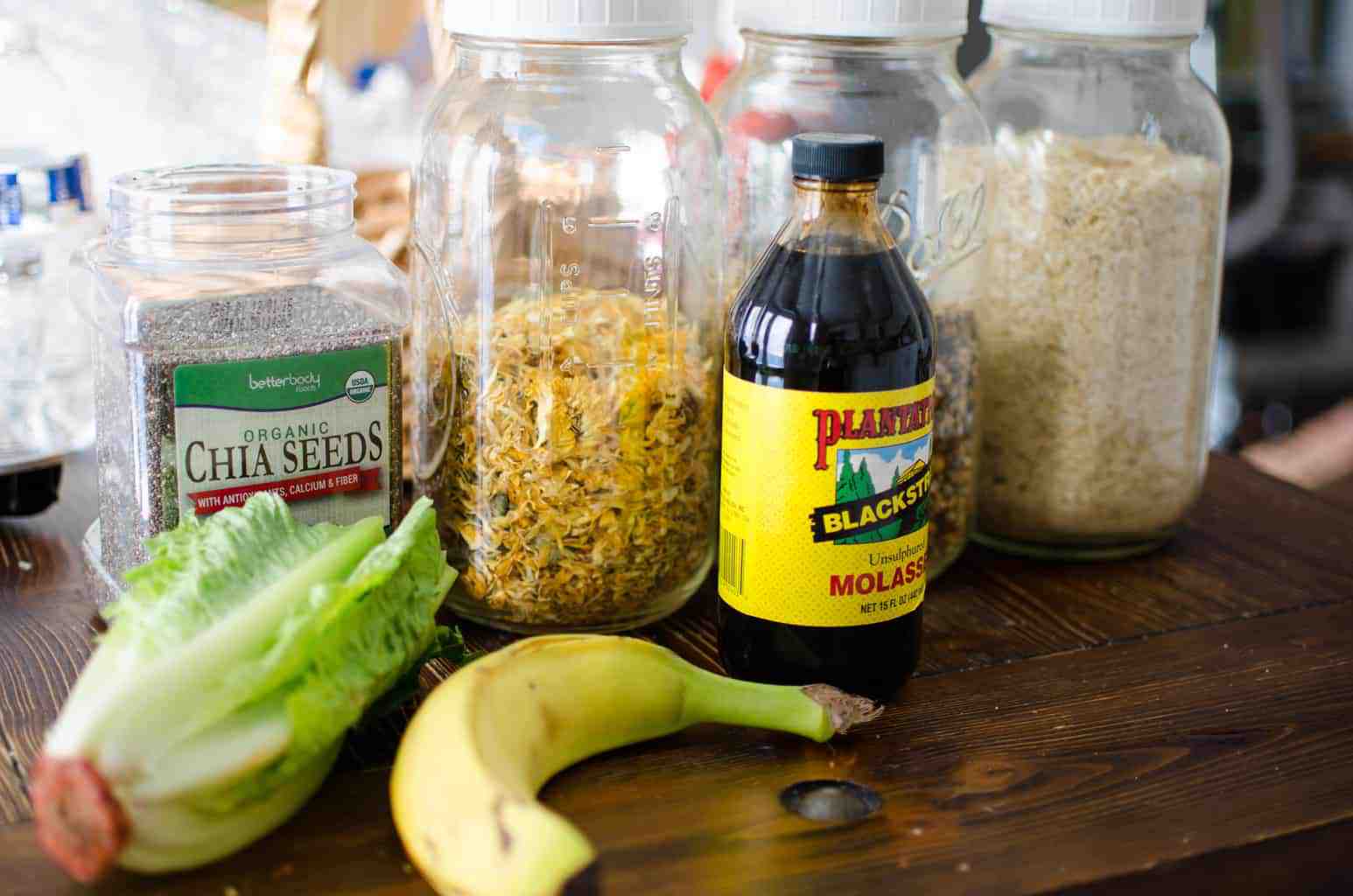
Start by choosing items that you might need to get rid of already, like blackened or imperfect fruit and vegetables. This will allow you to get rid of some waste while still offering your chickens a healthy treat. After that, consider adding some of the following:

  • Blackstrap Molasses: Molasses has been used in livestock feed for centuries. It is a great source of calcium, magnesium, manganese, potassium, copper, iron, phosphorus, chromium, cobalt, and sodium. It’s also full of vitamins like vitamin B-3, vitamin B-6, thiamine, and riboflavin.
  • Chia Seeds: These little seeds are full of vitamins A, B, E and D, and minerals, including sulphur, iron, iodine, magnesium, manganese, niacin and thiamine. They are a great source of antioxdants! They are also more easily digestible once they become wet, so make sure you mix them thoroughly in the oatmeal. They are a fabulous source of protein, fiber, and calcium.
  • Whole Flax Seeds: These little seeds are part of the “super foods” family for us humans, but they are also super food for chickens, too! And incredible source of Omega 3 fatty acids, these will not only benefit your chickens and enhance their egg yolk, but it will benefit your health through the eggs that you eat as well. Flax seeds are high in fiber and antioxidants, help the digestive tract, and will promote the overall good health of your chickens.
  • Herbs: That’s right, now we’re getting down to the nitty-gritty of things. Adding herbs to this mix will help maintain good health with your chickens, and you can pick and choose herbs for whatever you’re trying to accomplish with your flock. Let’s go over some of my favorite herbs to add in the next section.

 

Some of My Favorite Herbs

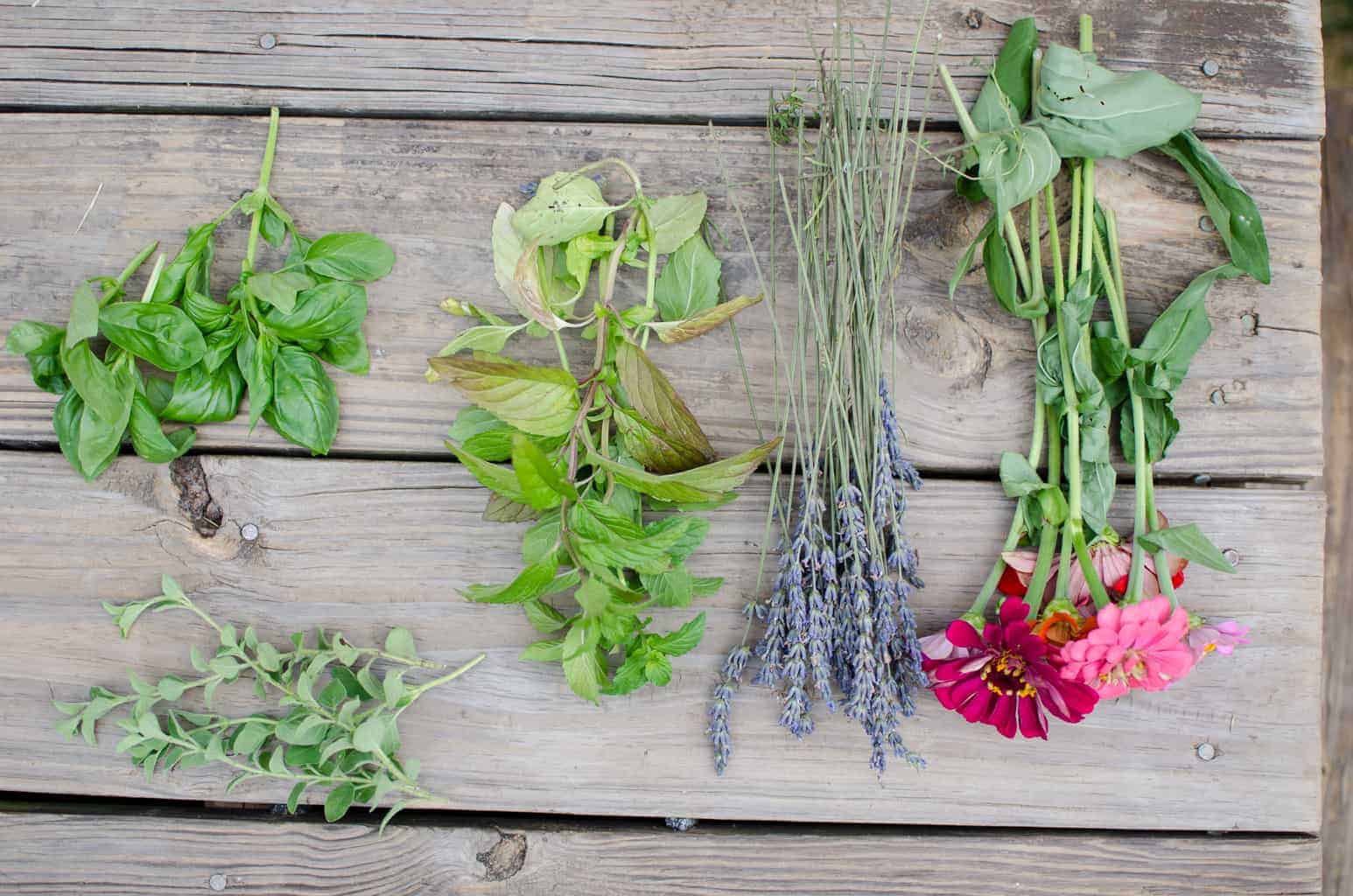
There are hundreds of herbs that you can choose from, and I would encourage you to grab a copy of my books to read more in depth about herbs and have more herbal options, but here are some of my favorite herbs to use with my chickens.

  • Thyme: a natural antiparasitic
  • Oregano: a natural antibiotic
  • Astragalus: naturally boosts the immune system, adaptogen, antiviral, antibacterial
  • Calendula: full of Omega-3s, vitamins E, K, and B-complex vitamins
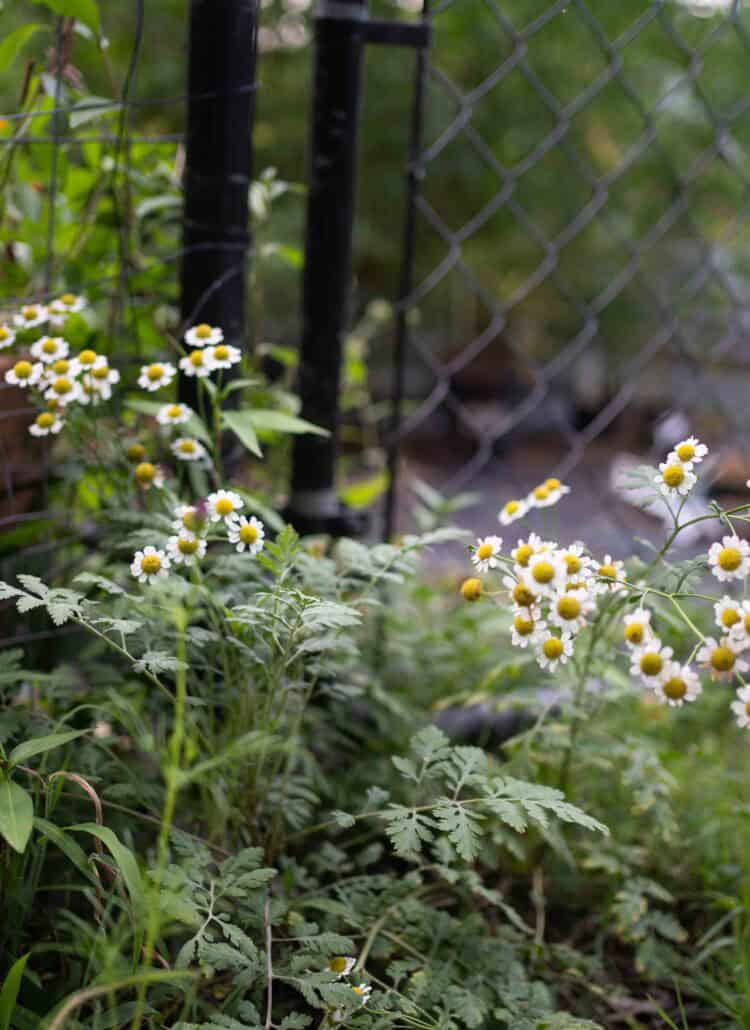
  • Chamomile: aids in digestion, helps heal mucous membranes, is anti-inflammatory, antispasmodic, and can act as a mild sedative
  • Comfrey: high in vitamins A, C, and B-12, and is also high in protein. Comfrey leaves contain calcium, potassium, phosphorus, and some iron. Is a natural anti-inflammatory and boosts the immune system.
  • Echinacea: boosts the immune system, is a natural antibacterial and antiviral
  • Nasturtium: may be helpful during the dewormer or preventative worming of your chickens
How to Make Herbal Oatmeal

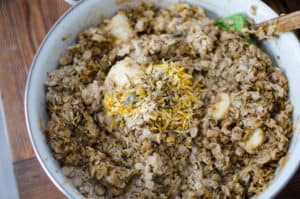
It’s really quite simple. Once you’ve decided what you’d like to put into your oatmeal, now it’s time to mix it all up. Here’s what I normally do, though I just eyeball it. Depending on your flock size, make sure you aren’t giving them so much that they won’t eat it all within 30 minutes. Adjust oatmeal amount as needed. The molasses, seed, and herb amounts can stay the same!

Herbal Oatmeal for Chickens

4 cups steel cut oatmeal
5 cups water
1 large handful each flax seeds, chia seeds, and herbs of choice
4-5 tbps blackstrap molasses

  1. Bring water to a boil on stovetop, add oatmeal.
  2. Cook for 5 minutes on medium heat until water is absorbed.
  3. Remove from heat and place oatmeal into a large bowl. Add remaining ingredients and mix well.
  4. Allow to cool to room temperature before offering to your chickens.
  5. Give once a week or every few weeks for herbal maintenance!
Watch how to make the oatmeal here!
By: Amy K. Fewell · In: chickens, ducks, Featured, herbs, recipes, videos · Tagged: Amy Fewell, chickens, herbs, oatmeal, recipe, The Fewell Homestead

you’ll also love

The State of the Blood | Part 2
The State of the Blood | Part One
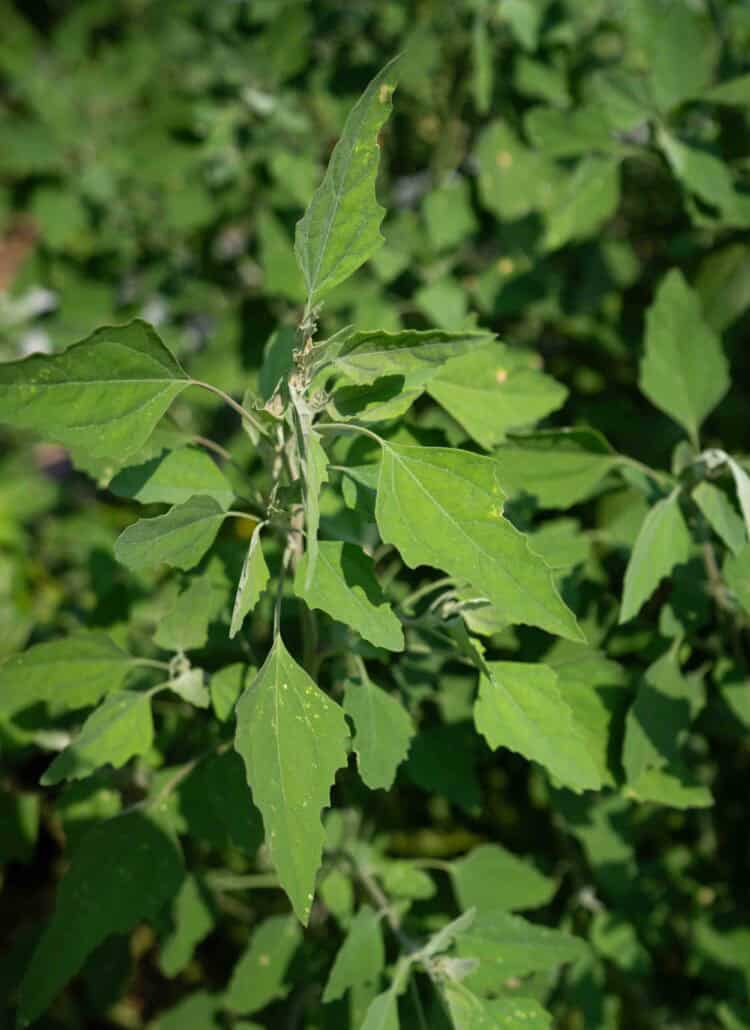
The Medicinal, Nutritional, and Famine Benefits of Lambs Quarters (Chenopodium album)
Next Post >

Taking a Vacation When You Homestead (with video)

Primary Sidebar

meet amy

meet amy
hello!

I'm Amy. I love organic food but I love cookies too. I love Jesus and His grace. I believe broken people make the biggest impact in the world when Jesus makes them whole, and when they share their stories. I believe in stories, and I'm sharing mine.

Read More

Connect

Search

Ads & Sponsors

200x400

Advertise

Follow Along

@amy.fewell

This… This…
Day 485 of healing my body after baby number 4. It Day 485 of healing my body after baby number 4. It’s a journey, especially running on 3-4 hours of sleep every night with only a partially weaned baby. But, nevertheless, it is. Thankfully I can support my body through it, and you can too! 

This nourishing herbal infusion brings together herbs that support the body through stress, hormonal changes, inflammation, and digestive discomfort.

I add ½ to 1 tablespoon of each dried herb to my infusion teapot, pour hot water over the herbs, cover, and allow them to steep before straining. You can drink 2-3 cups per day. This little tea pot makes about 3 normal sized coffee cupfuls of tea.

• Rose supports the nervous system, uplifts the mood, and gently nourishes the heart and reproductive tissues during hormonal transitions.

• Stinging nettle provides nutrient-rich support with iron, calcium, magnesium, and other trace minerals important to the endocrine system.

• Lemon balm calms stress-related tension while supporting healthy digestion, mood, sleep, and thyroid function.

• Peach leaf is traditionally used as a cooling, moistening herb for heat, irritation, nausea, and nervous tension that may accompany hormonal changes.

• Turmeric supports a healthy inflammatory response, liver function, digestion, and the body’s metabolism and elimination of hormones.

• Peppermint cools excess heat and supports digestion, liver function, mental clarity, and relief from occasional nausea or headaches.

This is a beautiful example of how herbs can nourish multiple systems at once—the nervous, digestive, endocrine, and reproductive systems—while also supporting the body’s foundational nutritional needs.
In a world that is increasingly fake, uniqueness a In a world that is increasingly fake, uniqueness and the ability to be known by something deeply personal, such as your name, is important. This seal says “House of Fewell”. Because as we move into the times ahead, you’ll be known in your community by which “house” you’re from (I’ll write about this more soon). Not just your family name, but the house of Yahweh. 

So, I thought I’d start a new family tradition. Bring back the signet and wax seals.
Two people can both tell you they have “poor circu Two people can both tell you they have “poor circulation” and need completely different herbal approaches.

One may be pale, chilly, sluggish, have cold hands and feet, prefer warm food, and feel considerably better when the weather warms.

Another may flush easily, run hot, dislike summer heat, become restless when overheated, and notice inflammatory complaints worsening with warmth.

The complaint may be the same, but the pattern is not.

In traditional Western herbalism, Heat/Excitation represents excessive activity. We may observe warmth, redness, flushing, irritation, restlessness, a more active pulse, and blood tending toward the surface.

The herbal direction may include cooling, calming, relaxing, or moderating herbs such as yarrow, rose, lemon balm, hibiscus, hawthorn, and elderflower.

Cold/Depression represents insufficient activity. We may see pallor, cold hands and feet, sluggish peripheral circulation, low energy, slower digestion, worsening with cold, and improvement with warmth or movement.

Here we may consider warming and stimulating herbs such as ginger, cayenne, rosemary, cinnamon, angelica, and historically sassafras.

But this is where herbalism requires more than matching symptoms to herbs.

Cold hands do not automatically mean Cold/Depression. Tension and constriction can also restrict blood flow to the extremities. Likewise, heat can exist alongside stagnation.

One symptom does not make a tissue state.

Instead of asking:
“What herb improves circulation?”

Ask:
"What is the blood actually doing—and why?"

Is the person hot or cold? Tense or relaxed? Stagnant or moving freely? Dry or damp? Depleted or robust?

Once we understand the direction of the pattern, we can begin choosing herbs much more intelligently.

Part Two of my "State of the Blood" series is now available inside the Homestead Herbalist membership.

🌿 Comment LESSON and I'll send it to your inbox!
Reach out! 🇺🇸 👩🏻‍🌾 Reach out! 🇺🇸 👩🏻‍🌾

Footer

Learn More

Chickens
Homemaking
Herbs
Recipes
Devotionals

Info

About
Contact
Privacy Policy
Shop

stay in the know

Copyright © 2026 · Theme by 17th Avenue