• Home
  • Membership
  • Shop
  • Cart
  • Our Farm
  • Gut Health
  • Herbal Practice
  • Buy Trusted Supplements
  • Nav Social Icons

  • Skip to primary navigation
  • Skip to main content
  • Skip to primary sidebar
  • Skip to footer
  • Home
  • Blog
  • About Me
  • Our Farm
  • Gut Health
  • HH Membership
  • My Books
  • Youtube
  • Podcast
  • Homesteading
  • Chickens
  • Herbs
  • Family
  • Farmhouse
  • Homemaking
  • Recipes
  • Sourdough
  • Contact Me
  • Herbal Practice
  • Buy Trusted Supplements
  • Mobile Menu Widgets

    Search

    Connect

Amy K Fewell | Homesteading for the Kingdom

Amy K Fewell | Homesteading for the Kingdom

  • Start Here
    • About Me
    • My Books
    • Podcast
    • Youtube
    • Gut Health
  • Blog
    • herbs
    • Bees
    • chickens
    • rabbits
    • Farmhouse
    • gardening
    • devotional
    • homemaking
    • sourdough
    • recipes
  • Courses & Books
    • HH Membership
    • My Books
  • herbs
  • Podcast
  • Contact Me

{Raising Dairy Goats} From someone who’s never owned them….

July 31, 2014 · In: homesteading

A couple of months ago my neighbor brought me some fresh goats milk, and I have been hooked ever since. I could not believe the richness and flavor that was GOOD. I had witnessed people drinking goat’s milk before — you know, that nasty odor-full sour milk. But this was nothing like that. I would soon find out that it was due to good husbandry skills and a clean environment

And so began my want….or…need….to have dairy goats.

Husband did not understand this need, hence, why we do not have them yet!

Men….pffft….
Anyhow….
http://www.woolydogdown.com/3


Husband agreed to consider it if I could gather all of the information together about dairy goats and present it to him. He wanted to know three specific things….


  • How much was it going to cost him?
  • How often do they need to be milked by me?
  • Where on earth are we going to put them?

See what I did there?….

So needless to say, he gave me a week to figure this all out. Husband underestimate’s my ability to research things, so I only needed 6 hours. Call me an overachiever…I dare you…

Here are the things that I discovered:
http://www.silveroaksranch.com/
What are the basics?
First of all, you’ll need to know how to refer to your goats, no matter what breed.
Goat babies are called “kids”.
A female juvenile goat is called a doeling.
A male juvenile goat is called a buckling, or if he is “fixed”, he is called a whether.
An adult female goat is called a doe, and an adult male goat is called a buck (or whether).
You should know that you will need to have 2 or more goats at one time. Because goats are companion animals, you cannot (or should not) only have one goat. They will be very sad, and who wants a sad goat? Besides, they will drive you crazy with their cries for a companion all day long.
You can purchase goats as kids, or you can purchase them as adults. In many cases, it is better to purchase them as kids because they become used to you and are easier for milking when they are older. However, sometimes that’s just not what you want, you want to get started right away. In which case, you can purchase does and bucks, and breed them  yourself, or you can purchase does that are already bred. Prepare yourself to spend between $75 to $500 for a goat. Quality milking goats are much more expensive, but well worth the money.
There are many things that you’ll need to look for when choosing to buy a goat. Make sure they come from milking lines. Many times people purchase goats that are just a particular breed that they want, but as with anything, if they are not bred for quality, then you’re stuck with a goat that isn’t a good milker for multiple reasons. Adult does will need to have large enough udders/teets for milking. If they are too small, they are useless because you will not be able to milk efficiently.
You should also make sure that the environment that they were born in is clean and disease free. Goat’s can get diseases quickly and die, just like any other animal. It helps tremendously if you purchase a goat from a breeder that has tested negative for diseases and has a closed herd. Again, you truly do get what you pay for. My motto has always been, “if you’re going to do something, do it right and offer the best.” If I cannot offer the best to my family or customers, it’s not worth my time, and every single one of them knows that!
What kind of goats?
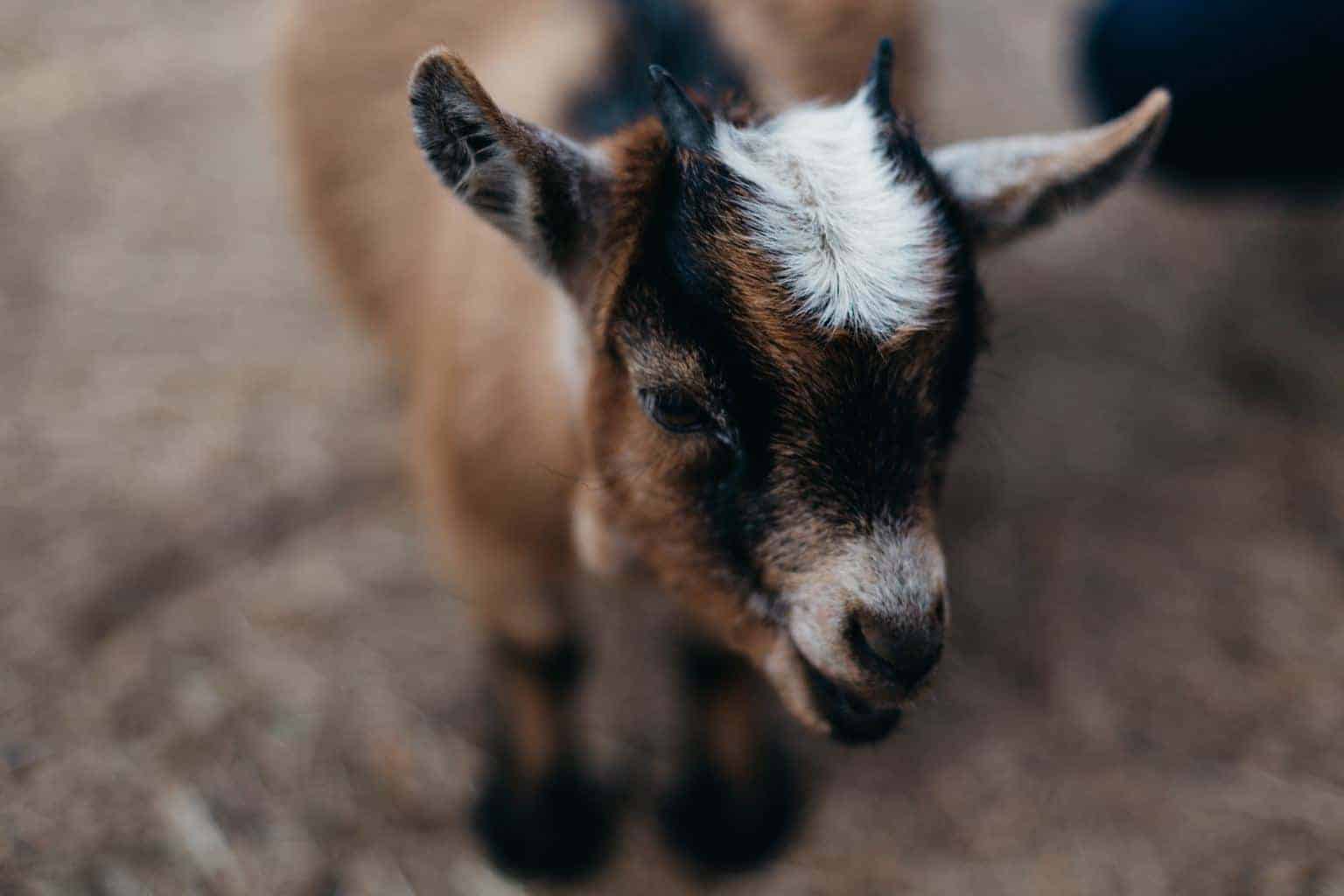
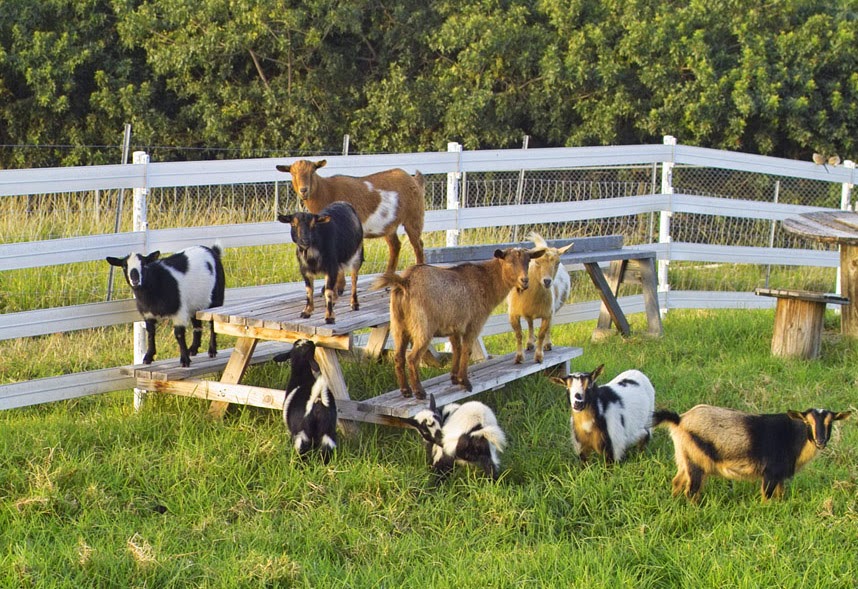
Because of their small body type, I decided that Nigerian Dwarf goats would be the best option for us. They also have a very high fat content in their milk, which makes it extra creamy and perfect for making cheese and butter — however, you may consider buying a cream separator for goat’s milk, as it is naturally homogenized (see product list below). Homogenized means that the cream and milk are naturally combined, so there is no cream that quickly rises to the top, as it does in cow milk etc. However, a separator isn’t necessary — you can read more here when that time comes.
There are, of course, many other dairy goat options, such as the Nubian (gorgeous goats!), LaMancha, Alpine, Oberhasli, Toggenburg, Saanen, and Sable. The most popular are the Nigerian Dwarf, Nubian, and LaMancha. The bigger the goat, the more milk they produce, of course.
What about the milk?
Goats must be bred yearly in order to have a milk supply. Each doe can have 2-4 kids (yep, that’s what they’re called!) at a time. You can then sell or retain the kids. But if you’re like us, you’d want to sell them. Goat kids can sell between $75 and $250 each here in Virginia, depending on the breed and quality. This will help offset your yearly feed cost.
Once your doe has kidded, the babies will need to nurse for about 2 weeks before you start milking. The amazing thing about goats is that they hold back milk for their babies, so you can get your milk, and babies still have enough for them as well! Does that are already milking but are preparing to kid should be dried out 2 months before kidding, so you’ll need to stagger your pregnancies if you want milk all year long.
Goats can produce up to (and sometimes more) a 1/2 gallon to a gallon per goat, per day. It all depends on the breed. This means that if you have two milking does at one time, you could potentially be milking a gallon  to two gallons each day (again, depending on the breed). This was appealing to me, as I have friends and family members that would be interested in milk shares. And it would give me a lot of milk to make butter and cheese with (which my egg customers would love!).
In the state of Virginia, you are not legally allowed to buy raw milk (of any kind or breed). However, you are allowed to “own” a share in a goat herd, and you pay monthly for the upkeep and care of the goat. Normally, you would pay a $35 or so, one time fee for your “share” of the goat (which you would receive back if you chose to stop your share). Then you would pay a monthly fee, designated by the farmer, for the boarding of the goat. In return, you would receive your milk each week in 1/2 gallon glass jars. It is up to the farm as to how much milk you receive, each farm and homestead is different. Some only give a 1/2 gallon each week as your milk share, other’s give a full gallon.
I had figured up that we could be getting as much as 7 gallons of milk per week. Since we only go through 3 or so ourselves (I’d be making butter and cheese), we may have room for one milk share to begin with. Which would help offset the cost of feed.
Housing, shelter, and space needed?
Because I am choosing to go with Nigerian Dwarf goats, they need a lot less space than a full size goat would. They can easily fit on an open 1/4 acre by themselves, and even smaller. However, we prefer that our animals have free roam, and lots of it.
Goats don’t need an elaborate shelter, but they do need something that gets them out of the elements — rain, snow, wind, cold and heat. We found a lot of great things on pinterest that showed us how to build shelters out of re-purposed wood and other items. Make sure they have a nice bed of hay, and you’re good to go. I, personally, would add a sliding door for those downright frigid winter nights.
What do you feed them? How much does it cost?
This was the kicker for me, and the one thing I could not convince husband to reason with me on. He’s a math whiz, and a darn good one. I am no match for his mad arithmetic skills.
Milking does eat alfalfa bales and grain/feed. Since we raise our animals all naturally, we would need to find a non-gmo feed and alfalfa bales. That’s the whole point of raising what we eat, right?
Non-milking does do not (and probably should not) need to eat alfalfa like milking does do, they can have hay. Hay is a dime a dozen around here, and I could get some from my grandfather or friends (we have lots of actual farmer friends!)
Two does would go through 1 bale of alfalfa per week. A bale of alfalfa in VA can range from $5 to $10, depending on the quality. We would need 60-80 bales of alfalfa to get us through the year.
We live on a half acre, where in the heck am I putting 60-80 bales of alfalfa?!
At $5 a bale, it would cost (for alfalfa alone) $300-$400 a year for the bales.
Grain/feed is $16-$20 per bag, depending on the brand. We would need 2 bags per month, so $32+ per month, $384 per year.
The total cost per year for feed would be $600-$700. That’s roughly $1.64 per gallon of milk, but only if we milk 7 gallons a week, and that’s just not going to happen because the longer a doe milks, the less milk you get from her until she kids again.
It comes out to $50-$60 per month to tend to them, which really isn’t too bad….as long as nothing goes wrong.
Other costs that you need to consider…..
Shelter:  are you going to purchase one or make your own?
http://novitiatehomesteader.blogspot.com/

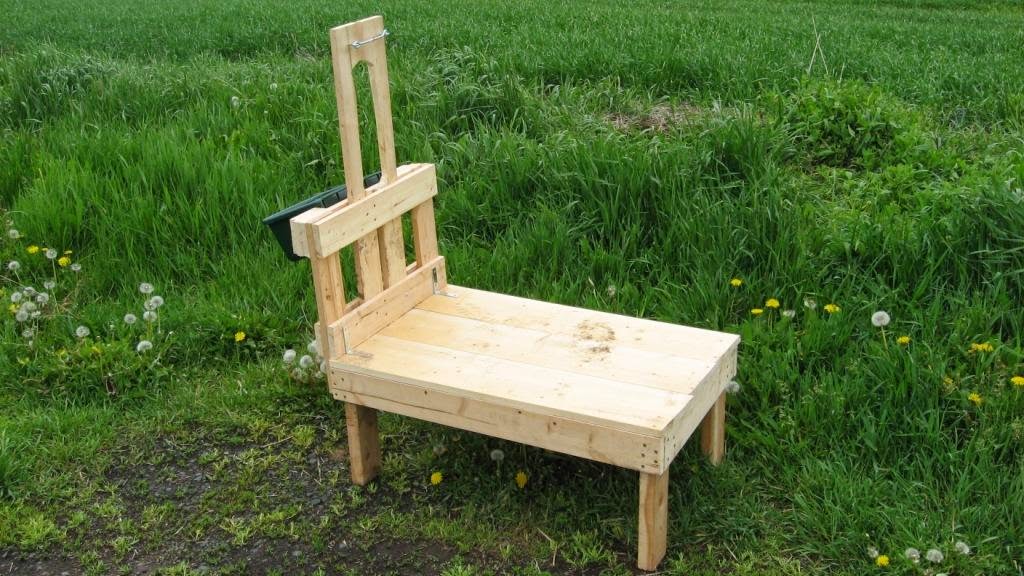
Milking stand : again, are you making your own or purchasing one? You can make your own for as low as $20, or as much as $100.

Half Gallon Mason Jars — you can purchase them from your local feed store, TSC, or on amazon.

One or two Milk Pails — because you’re going to need to put that milk into something before bottling it!
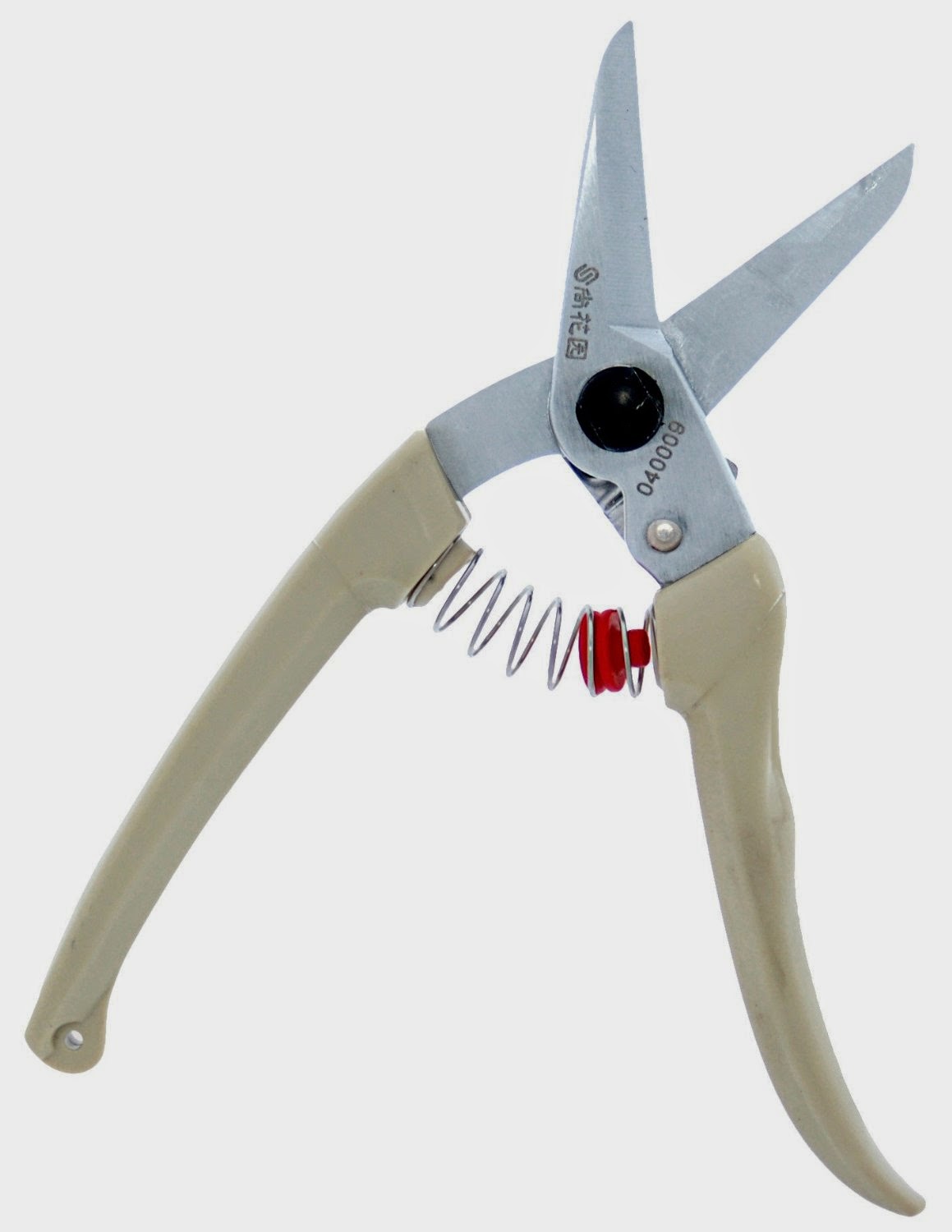
Hoof trimmers: because those hoofs don’t trim themselves.

Mesh Funnel: to trap any hair or debris that got into the milk on the way back to the house.

There are other things that you can buy to make your life easier, but you’ll figure that out as you go along.

…after all, I’ve never even owned goats, but my word, can I research them!!

In the end, we are in the middle of doing small renovations to our home in hopes of selling this coming Spring (2015). Our goal is to purchase a larger lot of land with a home already on it, or on which we can put our home. This would give us more room for more animals and a more self sufficient lifestyle.

But as we know, sometimes life has different plans for us — so if that time never comes, we will be happy and extremely grateful for what we have already….

I wish you the best of luck in your dairy goat journey, if you decide to take that journey. And one day, when we have more land (prayerfully in the next year!), be fully prepared to be bombarded with goat blogs!!

happy homesteading,
amy


**Linked up over at The Elliott Homestead!!**

By: Amy K. Fewell · In: homesteading · Tagged: goats

you’ll also love

Why We Support Certain Methods of Commercial Farming
The Year of Simplicity and Home
How to Make and Pressure Can Chicken Bone Broth (with video)
Next Post >

All in the name of Love + Humility

Primary Sidebar

meet amy

meet amy
hello!

I'm Amy. I love organic food but I love Oreo's. I love Jesus and His grace. I believe broken people make the biggest impact in the world when they share their stories. I believe in stories, and I'm sharing mine.

Read More

Connect

Search

join the tribe!

Ads & Sponsors

200x400

Advertise

Follow Along

@amy.fewell

Sometimes you’ll hear people say “I have good frie Sometimes you’ll hear people say “I have good friends”. But recently I have found myself saying “I have steadfast friends”. 

The definition of someone who is steadfast means to be resolutely firm, loyal, and unwavering in your beliefs, actions, or loyalty. A steadfast person is reliable, stays focused on their purpose, and refuses to give up or change their mind, even when faced with difficult circumstances.

To be a steadfast friend means you have a mission and purpose, and you don’t waver from it. That purpose is the kingdom of Yahweh. 

For the last 5 to 10 years I have had a fluid group of friends. Some come and some go. But there is a core group that has remained through it all. The enemy has tried to divide and conquer. And sometimes we still have to realize this. But yet, here we are…steadfast. 

Sometimes we pick at each other, get mad at each other, assume or think wrongly. Sometimes we don’t talk for a week. Sometimes we talk everyday. But here’s the truth, and I think I can say it with full confidence….

We love one another enough to praise each other when it is due, and to correct each other when it is due. To push each other to the next level, and to tell each other when to sit down and be silent. Without getting offended and storming off to find a new friend group. 

It is incredibly rare, I am discovering, to see this in action. There is something beautiful about friends that see you at your worst and choose to be steadfast. No worldly judgement. When I’m lacking, they have abundance. When they are lacking, I have abundance. When they are crying, I can be strong. When I am crying, they can be strong (and some will cry with me 😆). 

1 Cor 15:58 says “Therefore, my beloved brothers, be steadfast, immovable, always abounding in the work of the Lord, knowing that in the Lord your labor is not in vain.”

How committed are you to other people? Because the kingdom is about kinship, not friend hopping. It’s about kindred spirits, not emotional highs and lows to please the flesh. 

Don’t just find good friends—find steadfast friends. And more importantly…be a steadfast friend.
If you’re trying to grow a garden while raising ba If you’re trying to grow a garden while raising babies, chasing toddlers, homeschooling, cooking meals, and keeping a home—you don’t need perfection. You need rhythms that work with your season of life.

Here are a few simple things that make gardening with little ones so much easier:

• Work the garden in the early morning or evening when the heat and sun are lower. It’s easier on your body, your plants, and your children.

• Harvest herbs and vegetables in the morning when they are most hydrated and nutrient dense. The flavor, oils, and freshness are often at their peak before the heat of the day sets in.

• Keep a kiddie pool, shaded tent, or simple play area near the garden so little ones can stay close, play safely, and still be part of what you’re building.

This is the beauty of homestead life. Children don’t always have to be separated from the work—they can grow alongside it.

The garden doesn’t just feed your family.
It disciples them too.
Three weeks ago during our Friday night fellowship Three weeks ago during our Friday night fellowship, a consistent topic or word would come forth out of the individuals sitting around the table. As I sat and listened to each one so deeply, yet differently sharing, I realized that on this night, we were all mostly saying the same thing. This is often how Jesus will work through a group of believers—bringing each one together to share in unity. But differently. 

I immediately recalled Psalm 126–especially the part about weeping. How we sow with our tears but we reap in joy. How those who continually go forth weeping bear seed for sowing. 

Our genuine cries do something—they produce, and they sow. It is where we can feel the burden of another. When one cries, it is contagious. But really it is the mercy of God that we feel upon us. 

There is not a fellowship night that goes by anymore without someone, or multiple people now, crying. We’ve learned to embrace it. Why? Because we reap a harvest and bring our sheaves with us as we rejoice. 

Each tear is a seed that sows deeply into one another. Into others. Into ourselves. Our tears have a genuineness that many things do not have. And when they are genuine, they produce great fruit.

Ever since that night, I continue to see this scripture being spoken over and over again from leader after leader. Post after post. 

The Lord is stirring. He is doing something in His bride. He is calling back the captives, the dreamers, the singers. “Once again,” He says. With tears and weeping we sow, and with tears and weeping we harvest—rejoicing joyfully.
If you follow people online, you often call them a If you follow people online, you often call them an “influencer”. Let me be the one to tell you that most of us in the sphere that I am in do not consider ourselves “influencers”. Some may consider themselves teachers, leaders, ministers, and more, but the term influencer has never been something we’ve enjoyed. 

The reality is this—we found ourselves in the middle of a crossroad on our timeline where someone needed to pick up a mic and speak truth in the midst of chaos. Most of us have no interest in being online at all. We wouldn’t be sad if the internet disappeared tomorrow. But we were handed that microphone, influence, and anointing to go along with it.

Don’t be fooled—it’s not because of algorithms and marketing plans. If you are succeeding in this online world or your physical sphere of influence for Jesus, it’s because you were given the open door to do so. It’s not about you. It’s about what God knows He can entrust to you for His will and kingdom. 

Some people chase after people, trends, validation, recognition, and the spotlight. But can I tell you what comes along with those things? Hatred, bullying, misunderstanding, monitoring people and spirits, people lying about you, persecution—and if you’ve really made it, threats on your life and persecution.

You see, people want the influence. People want to be close to a Kingdom influencer. But if you aren’t ready to roll with the good AND bad, then you’re not ready. 

Jesus was the OG influencer, and He was spit on, lied about, and killed for His influence. Follower of Jesus—you are told to prepare for the same thing in the world. No matter your influence level.

A time is coming in America where influence online won’t matter anymore, yet the outcome will remain the same. The time to prepare for that is now—spiritually and emotionally. 

But take heart, dear one. He has overcome the world. I speak to believers and leaders everyday who are truly influencing to make a difference—some online, some never touching a screen. 

Jesus is building His church stone by stone. Some of us have mics, some of us will never be broadly known to man. Yet the struggle is still the same. Pray for us.
This morning I made a Mother’s Day tea—this one is This morning I made a Mother’s Day tea—this one is for you, ladies! 

My hormones have been all over the place as I inch closer to 40 and begin to slowly wean our little one. I’ve been snappy and know I need more nourishment. My skin has been out of sorts and, moral of the story, my body needs help. This tea is great for anyone—but it is especially healing for women. 

The jar made in the reel is a concentrate (I used lots of herbs), meaning, I add about 1 cup or more (whatever you’d like) of this liquid concentrate to my pint/quart jar and fill the rest with ice and cold water. But the “amounts” would stay the same in “parts”. 

If I were to add one more thing to this tea, it would be lemon balm. It is also very calming and aromatic. But since lemon balm is growing fresh right now, I add a sprig of it to each glass made with this herbal concentrate when I pour. 

This blend is fabulously cooling, nourishing to the body, and especially beneficial to women of all ages. 

You can add raw honey to sweeten this tea, and it is divine. 

🌺 Hibiscus flower (Hibiscus sabdariffa)
An incredible antioxidant which helps support the immune system, reduces oxidative stress, and supports your health at the cellular level. It may also help with cholesterol and cardiovascular health. This is a wonderful cooling herb for summer time, peri- and regular menopause. (Use sparingly while pregnant).

🌼Chamomile
Most noted for its ability to calm, relax, and cool. It is an efficient gentle anti-inflammatory and works well for the gastrointestinal tract. It is a gentle nervine, making it ideal for the central nervous system.

🌿 Stinging Nettle
An extremely nourishing herb, it is rich in iron, magnesium, calcium, proteins, and so many minerals. Nettle is anti-inflammatory and anti-allergenic. Nettle will help build strength in your body, and nourish it to its core—every system in the body is nourished by it. It is a natural antihistamine, mast cell stabilizer, and tonic.

🍃Red Raspberry Leaf
Rich in minerals and manganese. It works effectively in supporting and toning the reproductive system. It is also great for use as an antacid, hormones, heart and eye h

Footer

Learn More

Chickens
Homemaking
Herbs
Recipes
Devotionals

Info

About
Contact
Privacy Policy
Shop

stay in the know

Copyright © 2026 · Theme by 17th Avenue