
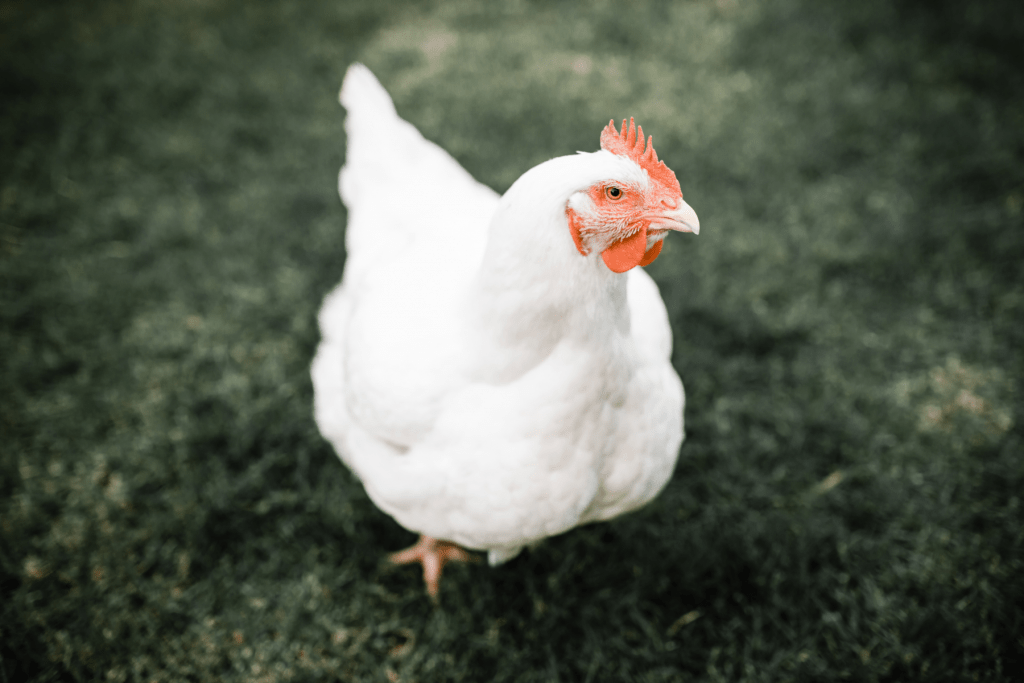
Raising meat birds is an excellent way to take control of the food that ends up on your family’s table. Whether you want birds that will lay eggs and provide meat, or if you are interested in single purpose broiler chicken breeds, this post has you covered with all the information you need! No matter what breed you choose, you can’t really go wrong with providing your family with homegrown, healthy, delicious meat on your table.
Furthermore, a sustainable food source on your property is essential. Chickens are one of the easiest things to raise on your property for meat. Now, you just need to figure out which breed is best for your property and needs!
KEY TAKEAWAYS
- Cornish Cross chickens reach harvest weight in 8-10 weeks and produce the largest meat yield among broiler breeds, but they experience health issues due to rapid growth and cannot be sustainably bred on a homestead.
- Dual-purpose heritage breeds like Jersey Giants, Orpingtons, and Rhode Island Reds provide both eggs and meat but require 16-22 weeks to reach maturity compared to specialized broiler breeds.
- Pasture-raised meat chickens require less commercial feed and have better overall health outcomes than birds raised in confinement, particularly for fast-growing breeds prone to leg and heart problems.
- Heritage breeds are sustainable for long-term homestead production because they can reproduce naturally and raise their own chicks, unlike hybrid broilers that produce mostly infertile eggs.
- The choice of meat chicken breed depends on prioritizing either rapid growth and maximum meat production or sustainability, foraging ability, dual-purpose functionality, and heritage genetics.
Raising Meat Birds
Before you get started with raising meat birds, there are some things you need to consider. Where will they live? How will you raise them—in a pasture system or in a coop? What do meat chickens eat? How will you get a continuous supply of water to them? All of these things need to be considered first.
If you are new to raising meat chickens, there are several things to consider:
Housing & Shelter
Free range with run in shelter, chicken tractor, stationary coop, etc. Most people build a free range chicken tractor. This is an ideal way to raise meat birds. However, it’s totally possible to raise them with your regular flock as well.
Feed
Will your birds primarily forage, primarily consume commercial feed, or a mix of both? Most homesteaders do both, but before you being, you’ll want to source a good non-gmo or organic feed source.
Water Source
Where will your chickens’ water come from? There are some pretty incredible ways to water meat birds now days. From 5-gallon waterers, to automatic waterers—there’s something for everyone.
Dispatching Supplies
Be sure that you are prepared before the birds reach maturity. You don’t need much, but a good knife, kill cone, and scalding pot will work wonders.
Breed Specific Needs
Some breeds require specific diets. Broilers, in particular, mostly need a higher protein diet than regular egg layers. Make sure you have the proper food before you begin.
Critical Pre-Purchase Planning Checklist
| Planning Element | Minimum Requirement | Common Mistake to Avoid |
| Housing Space | 2-3 sq ft per bird indoors; 8-10 sq ft per bird in run | Ordering 50 chicks without adequate grow-out space |
| Feed Storage | 200-300 lbs capacity for 25 birds | Buying small bags weekly at premium prices |
| Water System | 5 gallons per 25 birds daily | Underestimating water needs in summer heat |
| Processing Setup | Kill cones, scalder, plucker, tables, coolers | Waiting until harvest week to source equipment |
| Freezer Capacity | 1 cubic foot per 4-5 processed birds | Processing 50 birds with no dedicated freezer space |
The Hidden Economics: True Cost Per Pound Analysis Across Breed Types
Most homesteaders focus solely on feed costs when choosing meat chickens, but the real financial picture is far more complex. Understanding the complete cost structure reveals surprising winners that aren’t obvious at first glance.
The Complete Cost Breakdown Beyond Feed:
Time Investment Factor
Cornish Cross at 8-10 weeks means 3-4 batches per season versus 1-2 batches for heritage breeds at 20+ weeks. This affects water changes, coop cleaning, predator checks, and daily management hours that most calculators ignore.
Infrastructure Depreciation Per Bird
Fast-turnover breeds like Ginger Broilers and Cornish Cross allow you to spread fixed costs (brooder, waterers, fencing, processing equipment) across more birds annually. A $500 chicken tractor used for 100 Cornish Cross birds costs $5 per bird versus $12.50 per bird for 40 Jersey Giants in the same season.
Mortality Rate Impact
Cornish Cross mortality can reach 10-15% due to heart failure and leg issues. Heritage breeds average 3-5% loss. On a 50-bird batch, that’s 5-7 lost Cornish Cross ($75-105 in wasted chick and feed costs) versus 1-2 heritage birds ($15-30 loss).
Processing Efficiency Multiplier
Turkens and other feather-light breeds save 3-5 minutes per bird in plucking time. Processing 50 birds means saving 2.5-4 hours of labor. If you value your time at even $15/hour, that’s $37.50-60 in labor savings per batch.
The Breed That Actually Wins on Total Cost
When factoring all variables, Big Red Broilers often provide the best economic balance: 12-week harvest, lower mortality than Cornish Cross, reasonable feed conversion, good foraging to reduce feed costs, and medium processing difficulty. For a family processing 2-3 batches yearly, they frequently beat both Cornish Cross (high mortality, high feed) and heritage breeds (long timeline, infrastructure underutilization).
Where to Find Meat Chickens
Most broiler chicken breeds can be purchased from a hatchery as day-old chicks. You can also search for local family farms who hatch the meat chickens that you want for your homestead. Broiler chicks normally must be bought from a hatchery, but dual-purpose breeds can be found locally.
Selecting Meat Chickens for Your Homestead
There are many different meat chicken breeds and they all have varying qualities. Before you purchase your broiler chicks, you need to decide what kind of chicken will be the best option for your farm or homestead.
Here are some things to consider when making this decision:
Size
Do you need large birds to feed your family, or do you prefer a smaller heritage breed bird?
Taste
Many people can’t tell the difference in taste from one chicken breed to another, but the taste can vary from breed to breed. Taste is affected by the diet of the chickens, but the breed can make a difference as well. For example, Red Rangers taste a bit sweeter than Cornish Cross broilers. And a non-typical meat breed, like an Easter Egger, is mostly dark meat, versus a dual purpose breed.
Egg Production
Do you want birds that will lay eggs as well in addition to providing meat? If so, look for a dual-purpose breed.
Temperament
This is important especially if you have children who will be working with the birds OR if you are raising birds for egg production as well as meat. Choose the temperament that works best for you from the list of breeds in the next section.
Growth Rates
How fast do you need to be able to harvest your meat birds? Do you prefer a slow growing chicken or would you rather see fast growth rate from your flock? That will help you make your decision quickly.
Commercial or Heritage
Do you prefer a commercial hybrid chicken breed or heritage chicken breeds?
Breed Stacking Strategy: The Two-Breed System for Year-Round Meat Security
Instead of choosing one breed, advanced homesteaders are running parallel systems that provide flexibility, risk management, and consistent harvest schedules that single-breed operations can’t match.
The Core System Architecture:
Primary Fast-Cycle Breed (Your Volume Producer)
Choose Cornish Cross, Ginger Broiler, or Big Red Broilers for 70% of your annual meat needs. These provide:
• Predictable 8-12 week harvest windows
• Efficient feed-to-meat conversion
• Bulk freezer filling in concentrated timeframes
• Lower per-pound costs for your base consumption
Secondary Heritage Breed (Your Insurance and Premium Stock)
Run Buckeyes, Delawares, or Bresse for 30% of production. These deliver:
• Genetic diversity if hatchery supply chains fail
• Self-replacing flock capability through natural reproduction
• Superior flavor for special occasions and gift meat
• Egg production during growing phase
• Extended processing window flexibility (harvest anywhere from 16-30 weeks based on your schedule)
Timing Orchestration for Continuous Supply
Start heritage chicks in January for May/June processing. Start first fast-cycle batch in March for May harvest. Start second fast-cycle batch in May for July harvest. Start third fast-cycle batch in July for September harvest. The heritage birds can wait until October if needed, giving you processing flexibility during the intense summer garden season.
Risk Distribution Advantage
If disease hits one batch of fast-cycle birds, you still have heritage birds maturing. If feed prices spike, heritage birds can survive on more forage. If processing equipment fails, heritage birds can wait an extra month without health collapse (unlike Cornish Cross). If hatcheries face shortages, you can hatch heritage replacements.
Why This Beats Single-Breed Systems
You’re not locked into one harvest timeline, one flavor profile, one cost structure, or one risk scenario. The system provides redundancy while maximizing the strengths of both breed categories.
The Top 8 Meat Chicken Breeds
Broiler and meat chickens are birds that are raised primarily for meat production. There are many different chicken breeds to choose from for your broiler flock. It is important to lay out your unique needs so that you can make the best choice for your homestead.
Here is a list of the best meat chicken breeds, and a few dual purpose breeds:
1. Cornish Cross Chickens
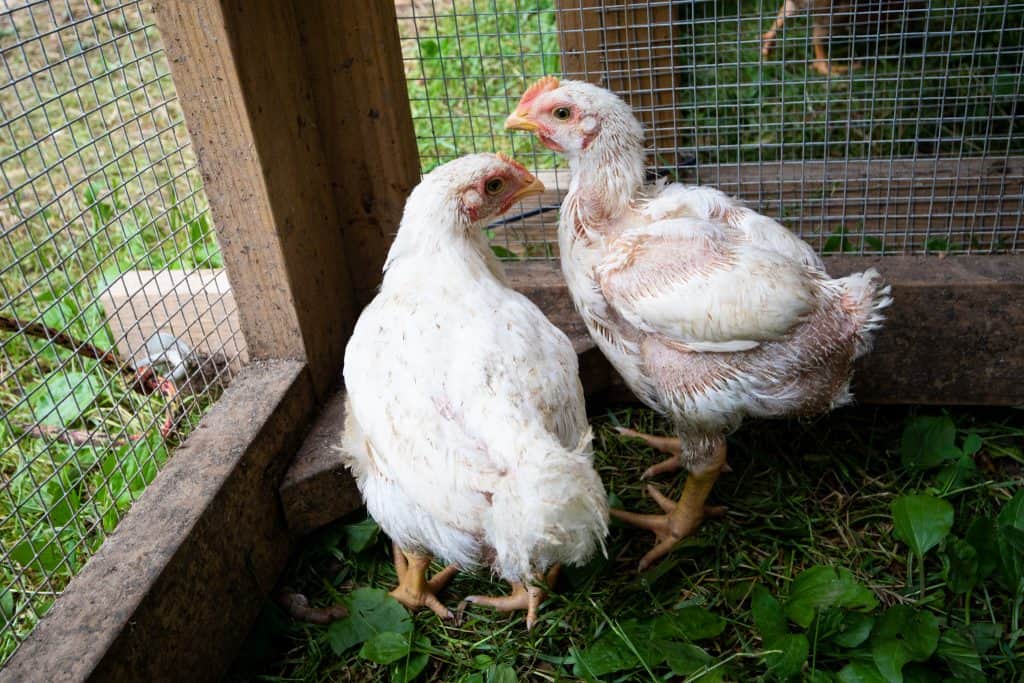
Cornish Cross birds are the most well-known of the broiler breeds. Chicken sold in the grocery store most often comes from Cornish Crosses. This breed is a hybrid of the Cornish x White Plymouth Rock breeds. They are poor layers that are bred specifically for meat purposes. Cornish Cross broilers grow very quickly and can be harvested between 8-10 weeks of age.
Cornish chickens are not recommended for breeding because they would be too large by the time they reach sexual maturity. This means that you will need to purchase new chicks each year, and often times their eggs are infertile.
These meat chickens are a good choice if you are looking for profitability because they can be harvested at 8-10 weeks of age, and they produce a large amount of meat per bird.
These commercial meat birds are often affected by multiple health issues due to their large size and abnormally rapid growth. However, if raised in a pasture ranged setting, this can help their overall health.
If you choose to raise the Cornish Cross, it is best to raise them on pasture with an enclosure. They don’t do well as free range chickens because they cannot move quickly enough to evade predators, and if they are confined they will require much more feed to be productive.
Age at Maturity: 8-10 weeks
Avg. Mature Weight: 9-12 lbs (with about a 5-10 lb processed weight)
Pros:
- Fast growth rate
- Heavy meat production
- Profitable
- Good disposition
Cons:
- Health problems (like heart problems and leg issues)
- Not recommended for reproduction
- Require a lot of feed
- Not sustainable for the long term
Cornish Cross Health Management Timeline
| Age | Critical Management Action | Why It Matters |
| Week 1-2 | Limit brooder heat to prevent overeating | Reduces early weight gain that stresses developing legs |
| Week 3-4 | Implement 12-hour feeding schedule | Slows growth rate to protect heart and leg development |
| Week 5-6 | Move to pasture with shade access | Encourages movement and reduces leg problems |
| Week 7-8 | Monitor for labored breathing and lameness | Early harvest may be needed for compromised birds |
| Week 8-10 | Process immediately at target weight | Delaying increases mortality risk from heart failure |
2. Big Red Broilers
McMurray Hatchery’s Big Red Broilers are a hybrid meat chicken breed that is basically an updated version of the Red Rangers. They are a great alternative to Cornish Cross chickens.
These birds are great on pasture and they are good foragers. This means that they will require less feed.
Red Broilers do lay brown eggs, but they aren’t known to go broody and they are not recommended for reproduction as most eggs are infertile.
Age at Maturity: 12 weeks
Avg. Mature Weight: 7-10 lbs (with about a 3-8 lb processed weight, depending on the bird gender)
Pros:
- Good foragers
- Fast Growth
- Lots of meat without the health issues
- Good taste
Cons:
- Not recommended for reproduction
- Take a couple weeks longer than CornishX
- They have inconsistent growth rates—hens are much smaller than roosters at processing time
3. Bresse
Traditional Bresse birds are raised in the Bresse region of France, but there is an American Bresse breed that you can purchase from US hatcheries. These heritage breed birds have a large red single comb and blue legs. They lay about 4-5 eggs per week.
Age at Maturity: 16 weeks
Avg. Mature Weight: 5-7 lbs (with about a 3-6 lb processed weight)
Pros:
- Tasty, Marbled Meat
- Great Temperament
- Active Forager
Cons:
- Slower rate of growth
- Special diet for traditional French Bresse flavor
- Not common in US
4. Turken
Turkens are also known as Naked Neck chickens. Contrary to popular belief, this breed is not a cross between turkeys and chickens as that is an impossible pairing scientifically. Turkens are simply a breed of chicken that lacks feathers on the neck and bottom.
These meat chickens do well in cold climates despite their lack of feathers. You will, however, need to keep a check on the large single comb when the temps drop below freezing as the comb is susceptible to frostbite.
Age at Maturity: 20 weeks
Avg. Mature Weight: 6-8 lbs
Pros:
- Cold weather tolerant
- Good egg layers
- Dual Purpose Chicken
- Fewer feathers to pluck in processing
- Good foragers
- Docile
Cons:
- 20 weeks to maturity
- Not eye-appealing
- Usually won’t raise their own chicks
5. Kosher King
The Kosher King is a hybrid meat chicken breed that originated from multiple heritage breeds. They have a faster growth rate than heritage breeds, almost as fast as the Cornish Cross.
Age at Maturity: 12 weeks
Avg. Mature Weight: 5-7 lbs
Pros:
- Excellent foragers
- Rapid growth rate, but more natural than CornishX
6. Dark Cornish
The Dark Cornish is a dual-purpose chicken breed that originated in England. black feathers Originated in England.
Age at Maturity: 22 weeks
Avg. Mature Weight: 8-10 lbs.
Pros:
- Broad breasts
- Heavy mature weight
- Good layers
Cons:
- Poor disposition
- Slower growth rate
7. Ginger Broiler
If you want a bird that grows as quickly as the Cornish Cross, but doesn’t suffer from the numerous health issues, the Murray’s Ginger Broiler is the broiler chicken breed for you!
Age at Maturity: 8 weeks (but can be kept longer)
Avg. Mature Weight: 5 lbs.
Pros:
- Heavy Growth similar to Cornish Cross
- No common serious health issues
- Higher livability rate than CornishX
- Good foragers
8. Jersey Giant
As the name suggests, this heritage breed Jersey Giant produces a large bird in the end. They are slower to mature than other heavy breeds, but they will grow larger.
There are three colors of Jersey Giant recognized by the American Poultry Association- black, white, and blue.
Age at Maturity: 20 weeks
Avg. Mature Weight: 10-13 lbs.
Pros:
- Large birds
- Good egg layers
- Sustainable birds (will raise their own young)
Cons:
- Slower growth rate
9. Orpington
The Orpington is a very popular dual purpose heritage breed with several color variations. They do very well in cold weather, but need a little help in warmer climates.
If you are looking for a happy bird that will give you plenty of eggs and provide meat for your family table (and you don’t mind the wait), then the Orpington could be the right bird for your homestead!
Age at Maturity: 20-22 weeks
Avg. Mature Weight: 8-10 lbs
Pros:
- Good foragers
- Great disposition
- Good egg layers
Cons:
- Slower growth rate
10. Delaware
Delaware chickens are a dual-purpose heritage breed that thrive in a free-range setting. They lay a large amount of eggs and produce a medium-sized table bird.
If you want an even quicker growing Delaware, try McMurray’s Delaware Enhanced Broiler.
Age at Maturity: 16-20 weeks
Avg. Mature Weight: 6-8 lbs
Pros:
- Active foragers
- Dual-purpose chickens
- Excellent disposition
Cons:
- Smaller Breed
11. Buckeye
Buckeye chickens are a heritage dual-purpose breed that was bred to thrive in rough conditions. They are a sustainable breed because they are known to raise their own chicks.
They work great as free-range birds because they are excellent foragers and they have a strong instinct to protect the flock.
Age at Maturity: 16-21 weeks
Avg. Mature Weight: 6-9 lbs
Pros:
- Cold hardy
- Good foragers
- Adaptable to different climates
- Sustainable
- Gentle disposition
- Good flock protection instincts
Cons:
- Slower maturation rate
- Buckeye hens sometimes take longer to lay eggs than other breeds
- Lots of vocalization
12. Chantecler
This is another dual-purpose heritage breed that does well in cold climates. These birds have a small cushion comb that has a low risk of frostbite.
Age at Maturity: 16 weeks
Avg. Mature Weight: 6-8 lbs
Pros:
- Excellent choice for cold weather
- Good brown egg layer
- Gentle disposition
Cons:
- Do not thrive in hot climates
13. Dorking
The Dorking chicken breed is one of the few five-toed breeds. They are good foragers which makes them a great candidate for pasture raising.
The flavor of the Dorking has been compared to the French Bresse.
Age at Maturity: 19 weeks
Avg. Mature Weight: 7-9 lbs
Pros:
- Broad breasts
- Great foragers
- Gentle Disposition
- Dual Purpose
Cons:
- At risk of endangerment
14. New Hampshire Red
New Hampshire Reds are a dual purpose breed derived from the Rhode Island Red. They produce less eggs, but more meat than the RIR breed. These birds do well on pasture, in confinement, or free-ranging.
Age at Maturity: 20 weeks
Avg. Mature Weight: 6-8 lbs
Pros:
- Good disposition
- Cold hardy
- Does well free-ranged or in confinement
- Meaty especially for a dual purpose bird
Cons:
- Food aggressive
15. White Rocks
The dual purpose White Rock produces a good sized table bird and almost an egg a day once they reach laying age.
White Rocks are good foragers, but they struggle to hide from predators due to their color. This means that free-ranging could potentially be an issue, but they can easily be pastured in a chicken tractor.
Age at Maturity: 20 weeks
Avg. Mature Weight: 7-9 lbs
Pros:
- Good winter layers
- Excellent forager
- Friendly disposition
Cons:
- Trouble hiding from predators
16. Rhode Island Red
Rhode Island Reds are a great dual-purpose heritage breed. These extra large birds are good foragers and they are alert & aware of predators so they do well free-ranging.
Age at Maturity: 19 weeks
Avg. Mature Weight: 6-8 lbs
Pros:
- Great egg production
- Active foragers
- Large birds
- Alert
Cons:
- Roosters can be pretty aggressive
Decision Matrix: Key Factors by Priority Level
| Your Priority | Best Breed Category | Specific Recommendations |
| Maximum meat in minimum time | Fast-growing hybrids | Cornish Cross, Ginger Broiler |
| Self-sufficiency and breeding | Heritage dual-purpose | Buckeye, Jersey Giant, Chantecler |
| Both eggs and meat production | True dual-purpose breeds | Delaware, New Hampshire Red, Orpington |
| Premium flavor and texture | Slow-growing heritage | Bresse, Dorking |
| Low-input pasture system | Active foragers | Big Red Broilers, Delaware, Buckeye |
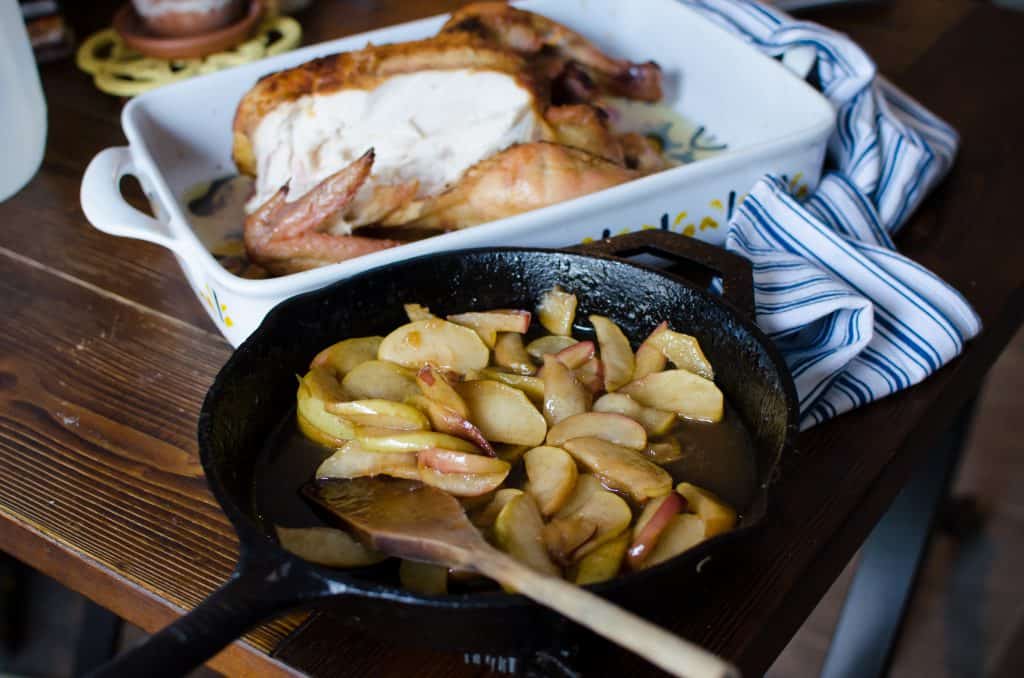
No matter what breed you choose for your homestead, homegrown chicken is the best chicken. There is literally nothing like tending to a flock, and then harvesting the fruits of your labor. Broiler chicken breeds have a lot to offer, but at the end of the day, it’s all about taste, ease of stewardship, and dependability.
Remember these important things about heritage vs. broiler breeds:
Heritage vs. Commercial Broiler Quick Comparison
| Factor | Heritage Breeds | Commercial Hybrids |
| Time to Harvest | 16-22 weeks | 8-12 weeks |
| Feed Efficiency | 3.5:1 to 4:1 conversion | 2:1 to 2.5:1 conversion |
| Breeding Capability | Fully reproductive | Mostly infertile |
| Health Issues | Generally robust | Prone to leg/heart problems |
| Foraging Ability | Excellent to moderate | Poor to moderate |
The Most Important Insights to Remember
#1 Cornish Cross provide the fastest and most economical meat production at 8-10 weeks to harvest with the largest processed weight, but they cannot reproduce and require careful management to prevent health problems like heart failure and leg issues.
#2 Heritage dual-purpose breeds offer complete homestead sustainability because they reproduce naturally, raise their own chicks, provide both eggs and meat, and maintain robust health, though they require 16-22 weeks to reach processing weight.
#3 Pasture-raising meat chickens dramatically improves bird health and reduces feed costs while allowing birds to express natural foraging behaviors, with heritage breeds and hybrid breeds like Big Red Broilers adapting better to pasture systems than Cornish Cross.
#4 The choice between hybrid broilers and heritage breeds fundamentally depends on prioritizing speed versus sustainability with hybrids excelling at rapid production for immediate freezer filling and heritage breeds excelling at long-term flock maintenance without external chick purchases.
#5 Feed efficiency varies significantly across breeds with Cornish Cross converting feed at 2:1 ratios compared to heritage breeds at 3.5-4:1 ratios, meaning heritage breeds require nearly double the feed per pound of meat despite their superior foraging abilities.
Other Posts You Might Enjoy:
- How Much Feed Do Chickens Eat?
- Easy Steps to Raising Meat Chickens
- How to Preserve Chicken Eggs
- 6 Herbs for Your Chickens
- How to Make and Pressure Can Chicken Bone Broth

Amy K. Fewell
Herbalist & Homesteader
Amy K. Fewell is an author, family herbalist, entrepreneur, homesteader, and homemaker. Living in the foothills of the Blue Ridge Mountains, her and her family live a natural homesteading lifestyle where they promote self-sufficiency and liberty. Amy is the founder of the Homesteaders of America organization and annual events. You can discover more on this website and at homesteadersofamerica.com

Hi Amy
I’m 67 years young and would like to ask you two questions, please.
1. I used to breed broilers 30 years ago and would like to know if you think I am too old for this sort of project.
2. What is a Rhoda Broiler?
Thank you for the interesting article above.
Regards
Gavin
Gavin you are only as old as you feel. My uncle is 80 and still tending his farm with his muck boots on. You go for it, if you feel you can get down there and do the chores. And those chores will keep you active and young. 💕
I just read the above and like your opinion on which of these breeds would be best for an elderly woman such as myself to have on a homestead. I am considering homesteading rather late in life and alone. Any thoughts would be appreciated.