The thought of homesteading is romantic, but the reality is that so many of us are trying to get back to our roots because we’ve been so far removed from homesteading skills. We don’t really know what we’re doing. So while we’re busy trying to re-learn these skills, the question should be asked, are we really ready for livestock?
That question could be taken even deeper. Do we know our pasture? Is our fencing proper and in the right place? Are we in a restrictive water system? Do we know the common ailments that could impact our herd or flock?
Let’s go over some deep topics and thoughts in this homestead chat session. We’ll talk about the things you need to do before adding livestock to your homestead, and a whole bunch of things you may not have thought of before you took that plunge.
Want to skip the reading and just listen to the homestead chat? Check out the video (that’s much more in-depth) at the end of this blog post.
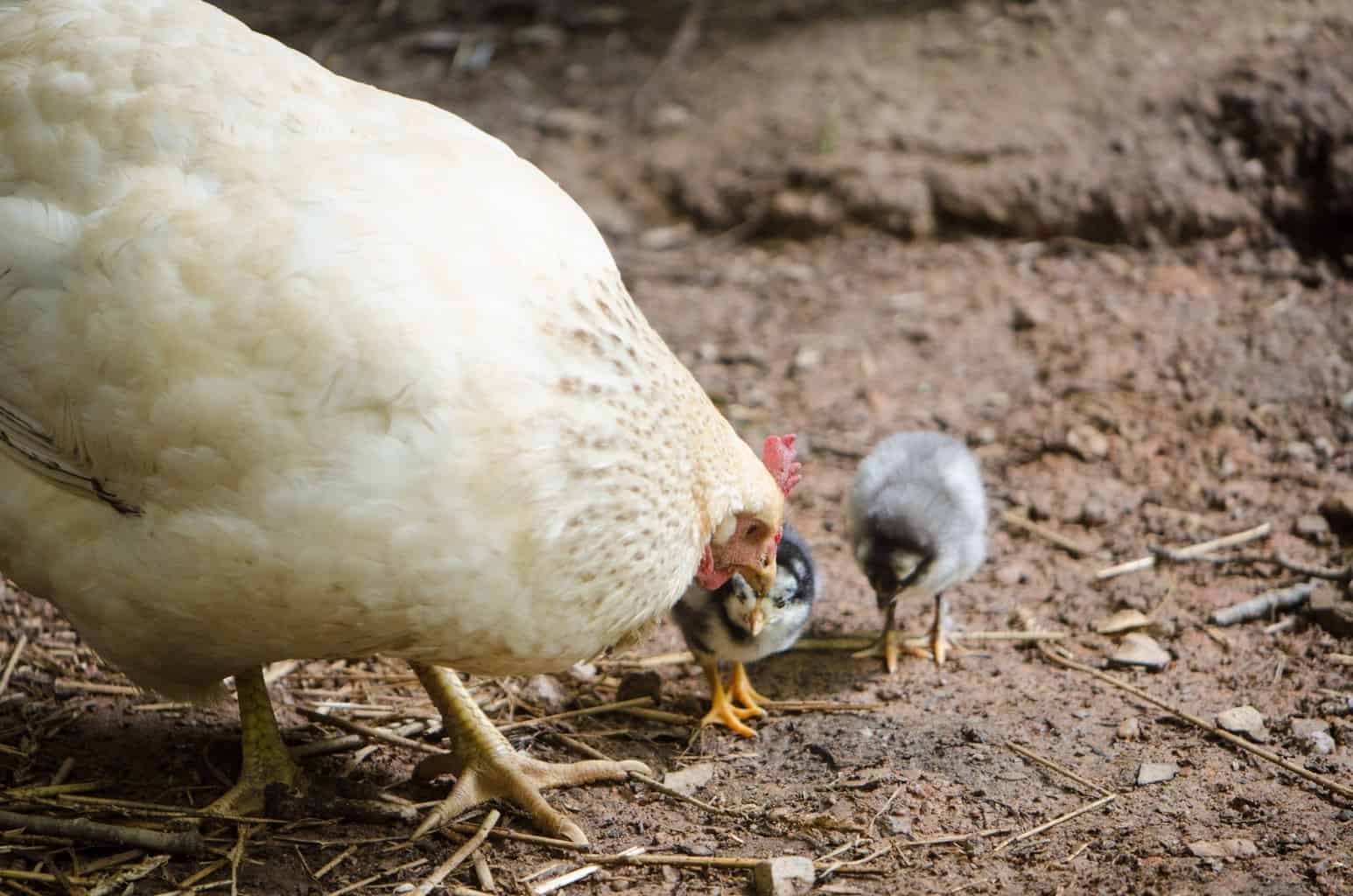
The Livestock Ready List
Here are some bullet points we’ll go over to help you process if your homestead is ready for livestock or not. And we’ll unpackaged every single topic into a much broader list of topics you need to consider that you may not have considered before.
- the proper set up
- fencing
- pasture
- feed requirements
- common ailments
- first aid kit
- time constraints and maintenance
- laws
- finances
If you don’t want to read the blog post, or want more in-depth on each topic, consider watching my video at the end of this blog post!
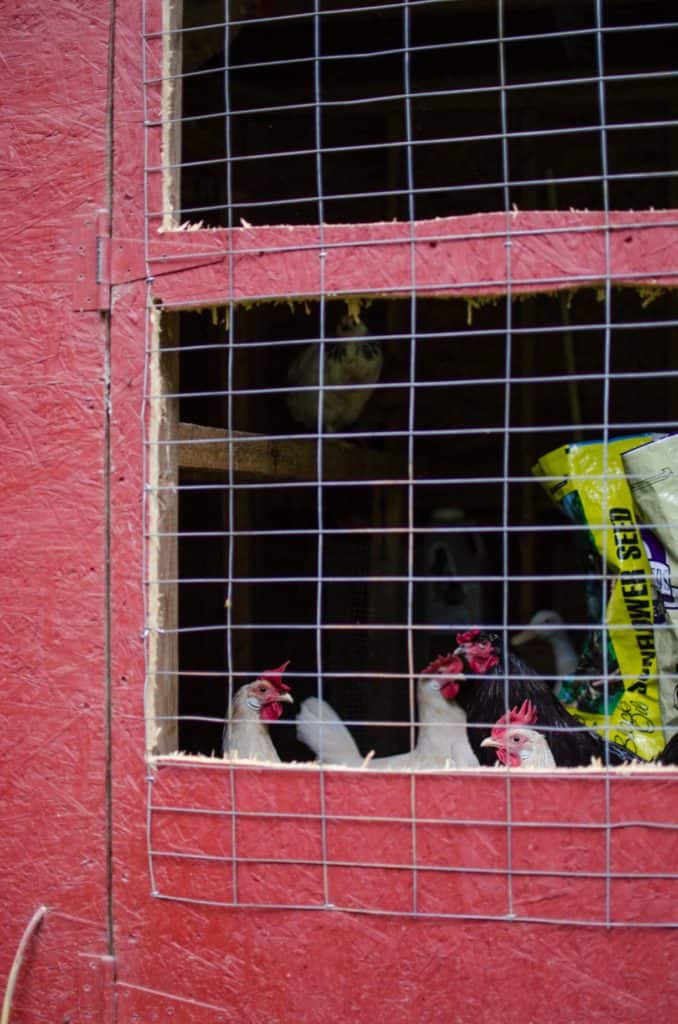
Your Livestock Set Up
When we first got chickens, we had the chickens before we ever had the coop. And while that can be a simple fix, the larger the livestock, the bigger the need, and the more complicated things become.
Make sure you have your set up ready to go before bringing any type of livestock onto your property. Do you have a barn? A run-in shed? A lean-to? What are the exact needs of the livestock you’re bringing home? Most livestock at least need to be able to get out of the elements. Chickens are more needy in the fact that they need a secure chicken run, at least at night, so that they are safe from predators. Is your coop set up like Fort Knox, or is it just done halfway?
There’s no sense in putting a lot of money into livestock, but not as much care and decision making into your set up and structure.
If your structures are old, make sure they aren’t leaking, mildewed, or in need of other maintenance.
Proper Livestock Fencing
I’ve seen, more times than I would care to see, livestock suffer at the hands of farmers and homesteaders simply because they don’t want to put up the proper fencing. Even more so, because they don’t have the fencing in the proper locations, or because they don’t do routine fence checks.
Make sure you know the type of fencing you need according to the livestock you’re bringing onto your property. And make sure you’re ready to do routine fence checks and maintenance, almost daily.
If your cows get out twice a year, it’s the cow’s fault. If they get our four times a year, it’s your fault.
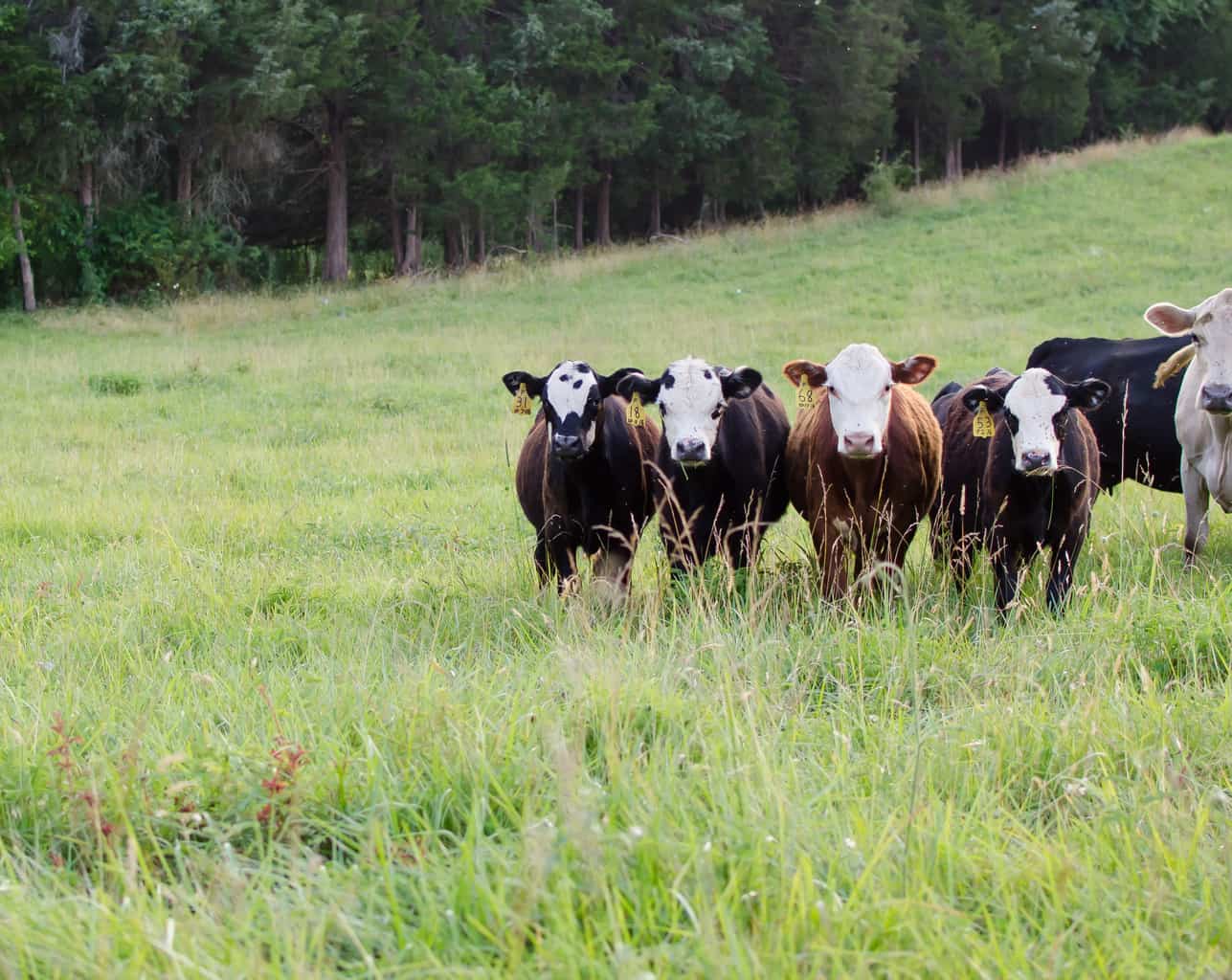
Livestock Pasture
Being ready for livestock might seem simple, but there’s one thing for sure—pasture isn’t simple. This is probably one of the most overlooked questions that a homesteader should ask themselves. And the question is this . . .
Could your pasture kill your livestock?
Sounds dramatic, but it’s something to be considered. You need to become intimately aware of what’s going on in your pasture.
Did you know that certain plants and grasses are extremely toxic to ruminant animals, like cattle, goats, and sheep? I’ve seen time and time again, people thinking they are ready for livestock, only to have their brand new livestock become extremely ill or die within days or weeks of getting them.
Are there holes they could slip into? Hillsides they could slide down? All questions that need to be considered.
Consider having your county agriculture agent come out to assess your pasture before adding livestock. Or connect with your local farm store, or a trusted farmer, and have them walk through your fields with you so that you can see what needs to be changed, or what could be added for the best nutrient efficiency.
Livestock Feed Requirements
When we had a bottle baby calf on our property, I could’ve given her the cheapest milk replacement out there. But after an extensive amount of research I discovered that soy protein based milk replacements are hard on a calf’s digestive tract and could stunt their growth in the long run. So, I opted for the animal milk protein based supplement.
When we added quail to our homestead, I had thought that a 20% protein was good enough from all the blog posts I had read. But upon research and talks with experts, I realized that a 25% to 30% protein would be better and more efficient for them.
Had I not have done my research in both of these situations, our livestock might not be thriving as much as they are now.
Make sure you make yourself extremely aware of your livestock’s needs when it comes to feed, minerals, treats, hay, and more.
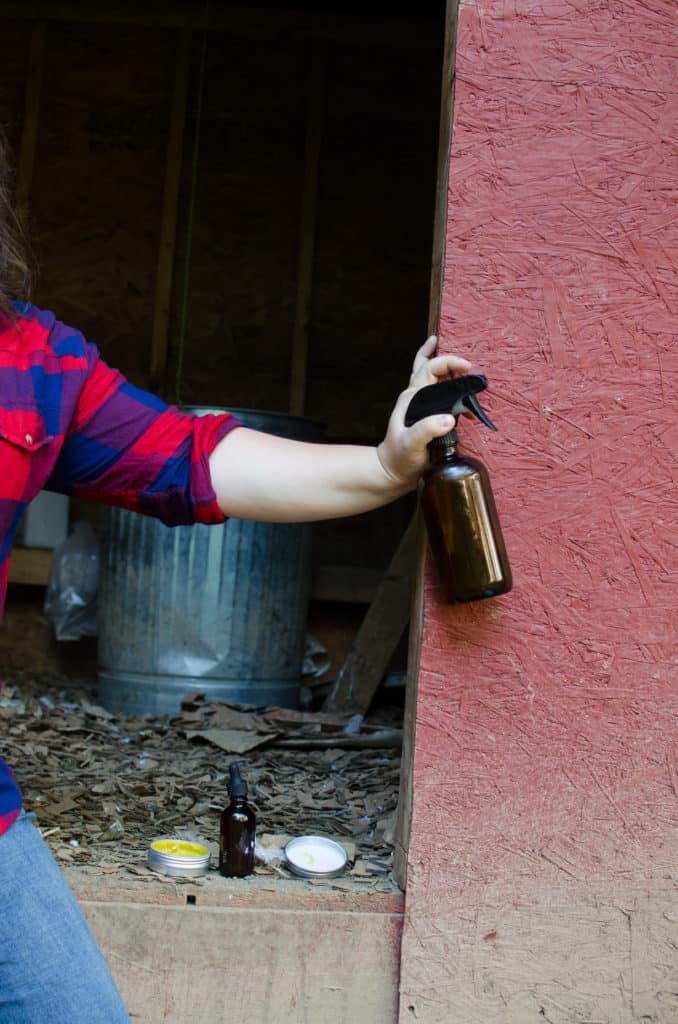
Livestock First Aid Kit
When I first asked myself if we were really ready for livestock, I consistently found myself researching ways to take care of livestock in case of an emergency.
It is essential that you have a first aid kit for every kind of livestock that you have on your homestead. A large animal vet could be hours away, and your interaction with that animal during those hours could mean a matter of life or death for the animal.
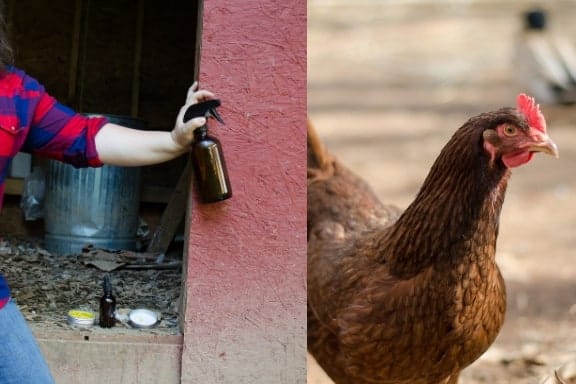
A chicken first aid kit looks a whole lot different than a cow first aid kit, so make sure you have all necessities on hand at all times.
Knowing Common Livestock Ailments
Before bringing any type of animal onto your homestead, it’s a good idea to become acquainted with the different types of common ailments you could come into contact with for that type or breed of animal. This will not only help you make sure the animal is healthy when you purchase it, but it will allow you to know common symptoms and signs before the issue becomes inflamed and uncontrolled.
For example, you should know what normal livestock feces looks like versus bacteria or worm infested feces. You should understand how normal livestock should sound and act, so that when you’re out doing your everyday chores, anything slightly off will send a trigger to your brain to start action immediately versus holding off until it’s too late.
Livestock Time Constraints and Maintenance
Are you really ready for livestock and the time constraints and maintenance that come along with it? That bottle baby needs to be fed every 8-hours. Ask me how I know—because I’ve forgotten about it before. Riding along, enjoying a nice day, and then BAM. It hits me out of no where that I’m an hour behind normal feeding schedule. While it’s not the end of the world, it most certainly can play a role in the health of your animals.
Milking can be a 2-times a day job. Feeding can’t happen at 10 am, it has to happen first thing in the morning. Are you ready for livestock fencing checks?
More so, are you ready for the emergencies that could arise on your homestead?
Livestock Laws
This is always a fun one—livestock laws. One of the worst things ever is buying or leasing a piece of property that you think can be zoned to have livestock on it, only to find out that it’s prohibited. Better yet, when your neighbor calls the cops on you because your rooster is crowing at 4 am and you’re not technically aloud to have one. Some of us can get away with it in rural areas, but others, not so much.
Know the livestock laws in your county and state inside and out. Before you buy a property, know your rights on that property. Look down every single bunny trail that you can before making that big investment in land or livestock.
Just because you live on two acres in a rural subdivision doesn’t mean you can have chickens. Or goats. Or even a garden.
Livestock Finances
Last but certainly not least—how much is this all going to cost? I remember pricing out a milk cow once. I was determined we were going to fit a milk cow on a new property that we were looking at (which ended up falling through). The A2/A2 jersey was about $1,200. The cost to fix the barn on the property was probably another $500. Grain costs were $15 per 50/lb bag. Large bales of hay were even more expensive than the grain. And how much of that did I need to last me the entire winter?
Oh, and I’d need to artificially inseminate her in order to even start milking her. That’s not cheap, ya’ll.
By the time it was all said and done, I was thousands of dollars into this.
Was I really ready for more livestock? Or did I just think I was.
Homesteading isn’t cheap. Don’t ever let anyone tell you that it is. And just when you think you’re saving money, something always happens. That’s not to say there isn’t money to be made in homesteading. There most certainly can be. But if we want to get real here, there are often more expenses than there is income off of the homestead. Most of us have jobs away from the farm just to pay for the farm. And that’s a reality you can take to the bank.
Bringing livestock onto your homestead is one of the most exciting things on this journey. Just make sure you’re really ready for livestock. It’s not a bad thing to go through all of these questions, or to make sure your property is set up well. In fact, it’s your homesteader duty to ensure your animals are safe and well kept.
There’s no sense in putting thousands of dollars into livestock if your property isn’t set up properly. So do yourself a favor, get yourself ready (really ready) for livestock before jumping in head first. And then, I promise, after that, keeping livestock will be so much less stressful when you understand that your property is fully ready, and you can sit back and enjoy all the beautiful things about this farm life!
Watch a more in-depth Homestead Chat about this topic below.
Pin it for Later: