




Homesteaders want to stay on their farm, and they can accomplish that by finding ways to make money on their homestead. From selling eggs to offering services, here are 10 ways to make money on your homestead.
Man, I love this farming lifestyle. If it were up to me, I’d have some huge ranch and make money and live happily ever after…doing what I love. Make money homesteading. That’s the dream.
But then reality slaps me upside the head like a wet fish out of water, and I remember that homesteading and farming aren’t cheap, and it’s certainly not free. There is no endless supply of feed and “dolla-dolla bills, ya’ll” rolling into my hands.
Don’t think too hard about that dolla bill reference.
So, we must find ways to make money homesteading, to feed our homesteading habit. Mind blown, I know. The entire romanticism around farmsteading is just crazy. While it truly is a romantic lifestyle (really, it is!), it’s not always easy on the pocket.
For this very reason, homesteaders try to find ways to offset costs and make money off of their lifestyle. In fact, there are many homesteaders who actually farm and homestead for a living, and it’s absolutely possible. But how? Let’s go through some of the top 10 ways that you can make money, efficiently, off of your homestead, all while doing the things you love to do.
Other posts you may enjoy:
- 10 Easy Steps to Raising Chickens
- Easy Steps to Raising Meat Chickens
- Is Your Homestead REALLY Ready for Livestock?
- How to Make Homemade Chicken Feed
- What Living a Simple Life Has Taught Me
- Easy Sourdough Starter and Bread Recipe
- Our Homestead Management Binder

Everyone’s Homestead is Different
Keeping in mind that each homestead is different and has different limitations, you may need to expand or decrease your homestead, based on your needs and limitations. If you live on an acre, some of these won’t work for you.
But many of these options still can.
In the same respect, you can absolutely take on too much, depending on your age and health conditions. In which case, you may actually save more money by doing less, than more.
Through it all, always remember to be kind to yourself. Work within your limitations and remember to keep things simple. The minute it becomes overwhelming, take a step back and re-prioritize. Otherwise, here are some top ways you can make a decent amount of money—through hard work and diligence—on your homestead.
Make Money Homesteading with Egg Sales
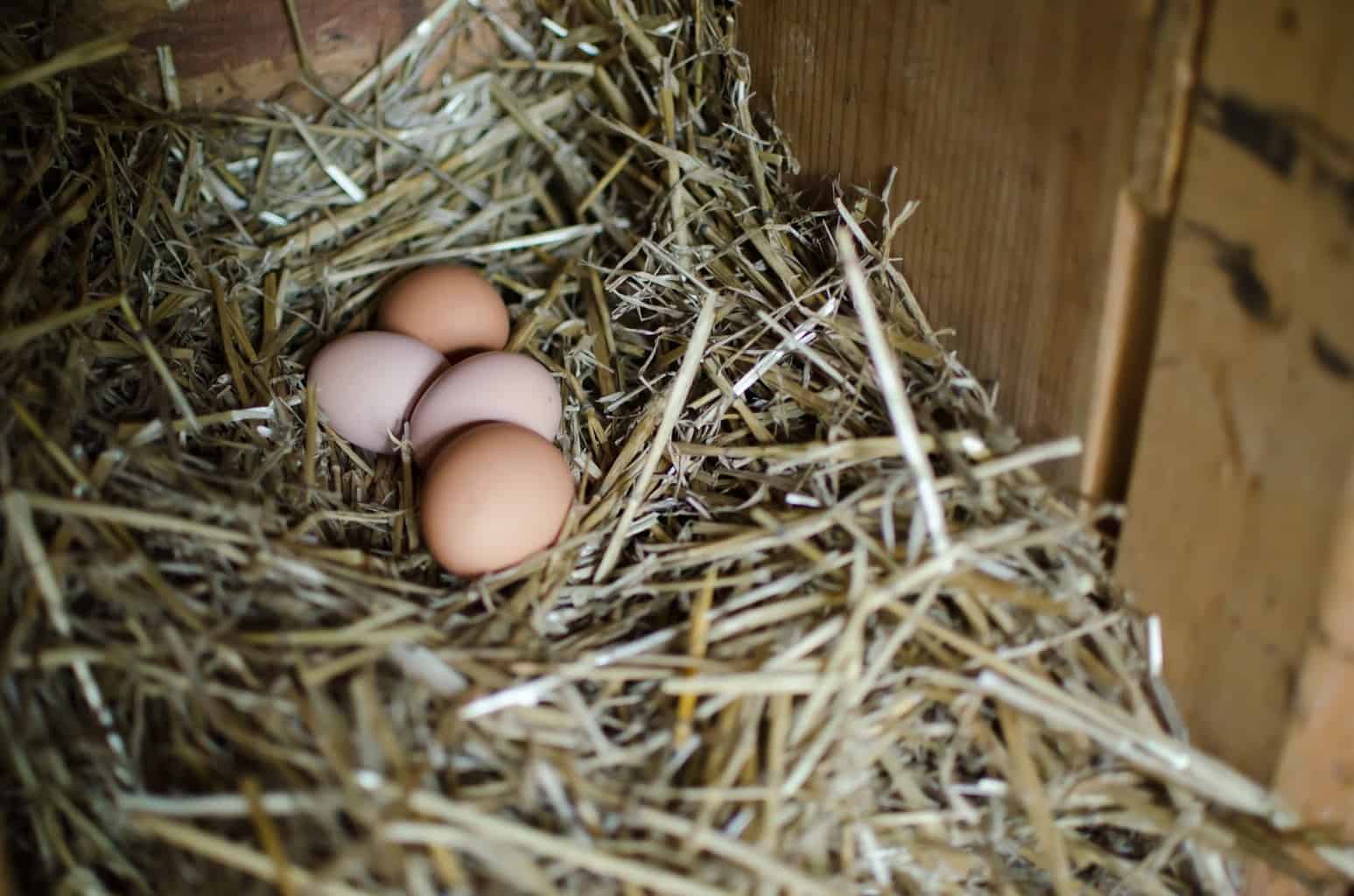
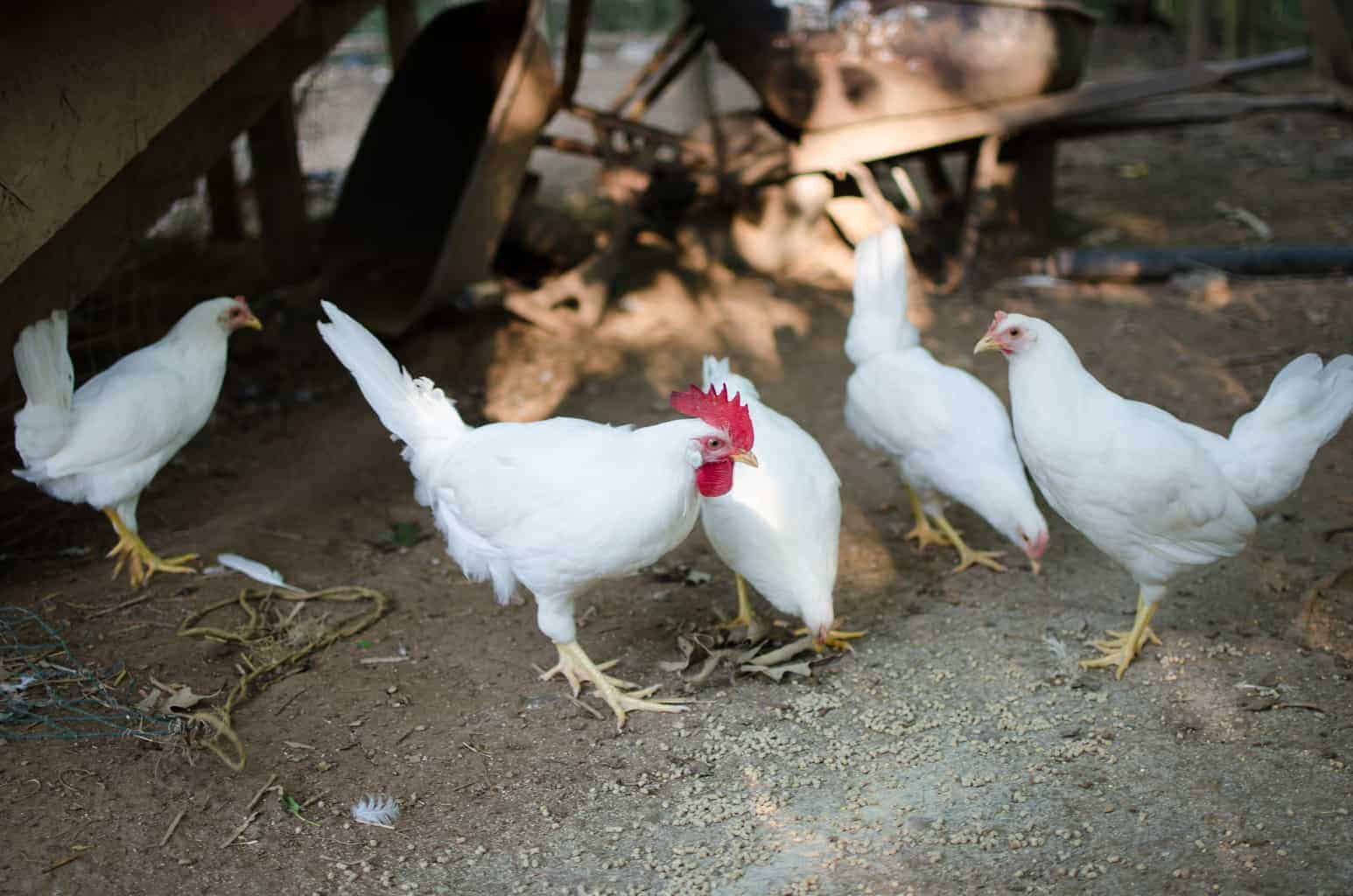
Every homestead has eggs. Or, most do, at least. Some of us have just 6 eggs a day, other’s get hundreds. Depending on your space and needs, you can make quite a bit of money off of egg sales. You certainly won’t get rich, but you’ll make enough to cover the cost of feed, and it opens an entirely new door to a group of people that may be willing to buy other homestead products from you, like jams, produce, homemade goods, and meat.
How do you run a successful egg business? Well, there are some things to consider. You’ll first need to do your research on your local market. Some rural areas are already saturated with egg sales, but here are a few ways you can be successful.
Start With the Eggs
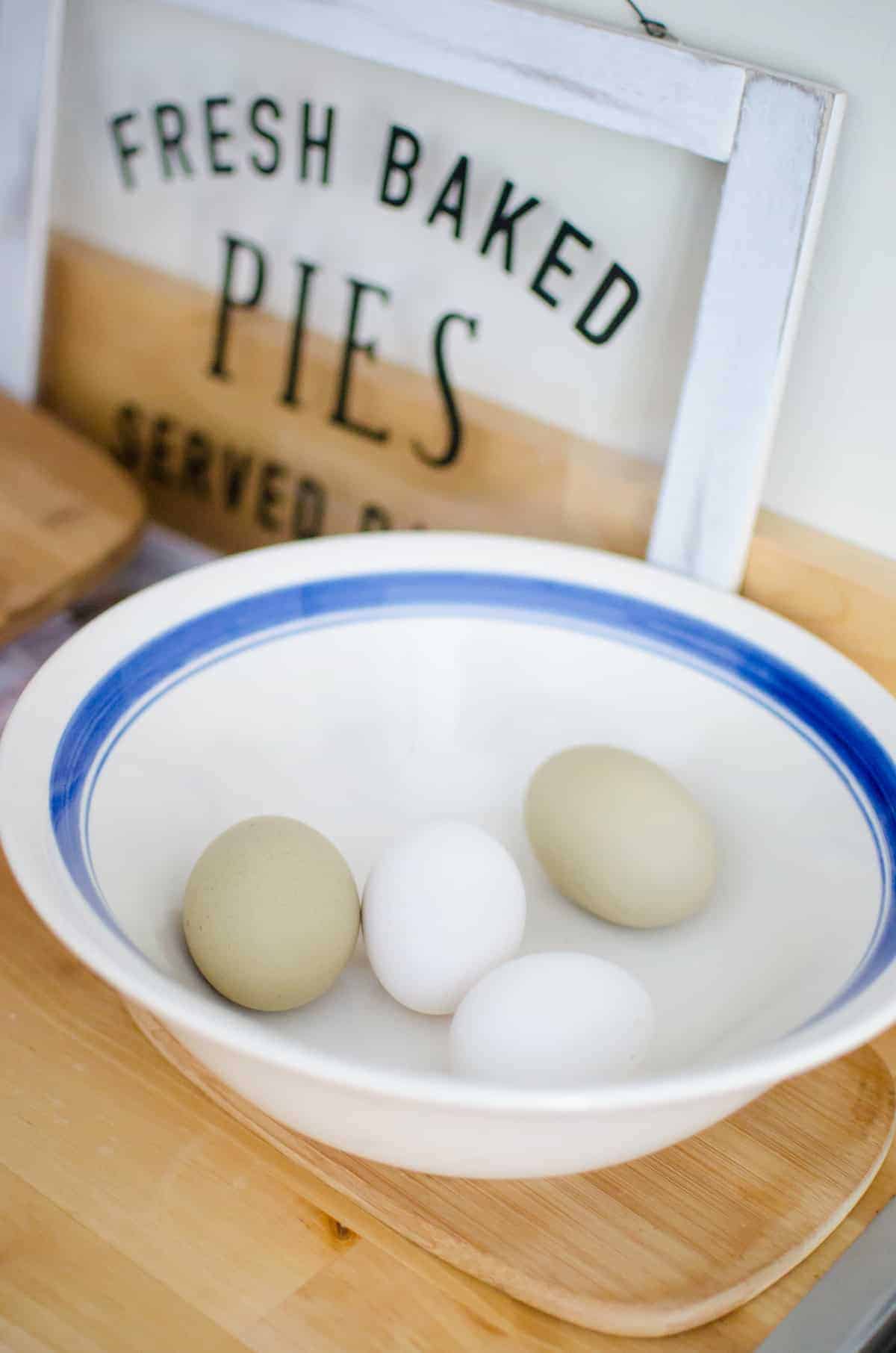
Your eggs must be clean and beautiful if you plan on attracting customers. Believe it or not, your average customer that will purchase a dozen eggs for $5 isn’t going to be a farmer. It may be someone who is in to homesteading and living a more natural life, but they certainly aren’t farmers. They will want clean and pretty eggs. In fact, I’ve had people tell me straight to my face that they don’t want white eggs because they aren’t as “good” as brown and colored eggs. There’s not much you can do about the falsities that run a muck, but you can offer quality products to your customers either way.
Also, keep in mind that most states require you wash and refrigerate your eggs. There is also a limit to the amount of eggs you can sell in certain states before you require a permit.
Next Comes the Packaging
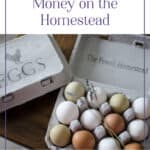
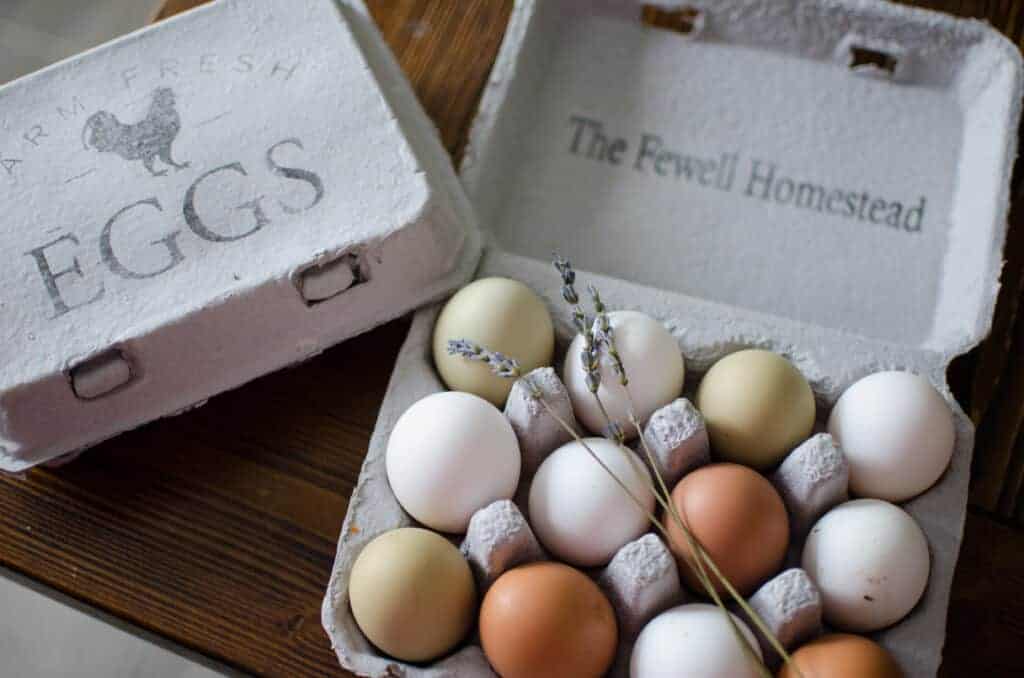
Packaging your eggs in fresh, new cartons with a label will help customers feel like they’re special. Tie a piece of twine around it with a sprig of rosemary, and you’ve really got yourself a prize winner, there! People like to feel special. When they feel like they are getting an impeccable product that others rarely get, they will continue to buy it. It also helps with branding your business.
Here are some products to consider to help you:
- SubstationPaperie egg carton stamps and labels (similar to above)
- Brown blank egg cartons — it’s always best to use brand new cartons for each sale, but I do reuse most of my lightly used cartons over and over again.
- Mini Egg Stamp — this stamp is super cute to put on one of the eggs in the center of your carton.
- Fresh herbs and twine — because adding extra love really helps your customer feel special
Knowing & Choosing Your Egg Market
Who are you going to sell these eggs to now that they are all prettied up? Choosing and knowing your market is going to be your best marketing strategy through it all. If you’re just selling to common friends, family, and a few co-workers, you could probably skip the prettifying stage. However, if you’re looking for hardcore customers, you’re going to have to travel into the city once a week, every other week, or once a month. You can also tag team city farmer’s markets with a friend, or add on to a farmer already going to market and just commission them to sell your eggs for you.
Here are ways to do exactly that —
- Sell eggs to your family, friends, and co-workers: This is just plain common sense. You already see them and spend time with them, they are your first immediate plan of action to sell your eggs.
- Understand that your market are city folk: while your rural friends will buy eggs from you too, especially the Mayberry friends, most of your egg sales will only bring in money if you market to city people. This is where the prettifying comes in.
- Place your eggs on local farm sale websites: Social media, local newspapers, online groups and forums are all great places to market your eggs.
- Tag team a farmers market with a friend: or a farmer that’s already going. Chances are, they will gladly take your eggs for you at their table. Barter with eggs or other homestead items in return, or offer to go watch his stand once a month, and you’ve got yourself a sweet set up.
Make Money With Livestock Breeding and Selling
I truly love breeding livestock to conformation, standard, or just for good health and meat production. There’s something about bettering a breed that really takes hold of me and makes me excited. This is what we love doing on our homestead, and what we hope to do more extensively in the near future.
Whether it’s rare or sought after chicken breeds, jersey cows, Nigerian dwarf milk goats, or meat rabbits—if you have livestock, you have a potential business.
This portion of homestead money-making can be a money drainer when you first get started. In order to offer quality livestock, you must have quality livestock. Let me give you an example.
When we first got started in meat rabbits, I wanted a breed that I could not only eat, but that I could sell well. This is why I chose the Standard Rex rabbit. I sought out good quality, pedigreed rabbits from meat and show lines. I raised them, bred them, and held back the best of the best, and sold the others off (or send them to freezer camp).
After my first year of breeding, I had quality rabbits of my own to sell—selling pedigreed rabbits for $85 to $100 each. This seemed outrageous to me, but it wasn’t at all outrageous considering the breed was hard to find in most states.
However, I spent well over $300-$400 on my breeding stock.
Read that again. Because it’s not cheap…yo.
The larger the livestock, the more expensive they will be. But if you are serious about it, and you are willing to make the investment, you will certainly come out on top in the end.
It was a win-win with us on the rabbits, because what we didn’t sell, we could eat. Plain and simple!
The same went for us when we decided to sell hatching eggs and chicks. We chose quality breeds, kept healthy birds, and were able to make a decent amount of income.
Make Money With Milk Shares
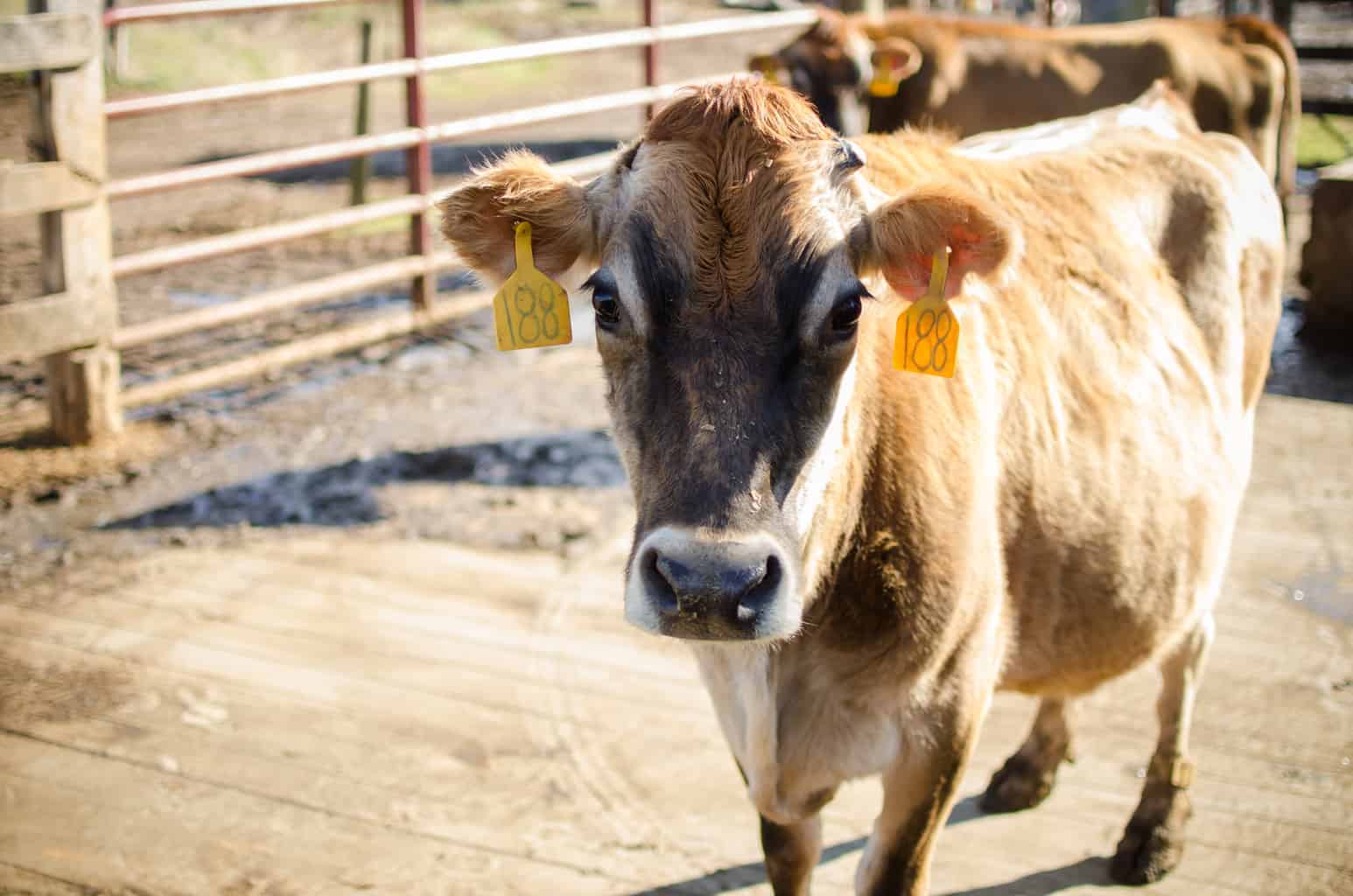
Sharing your extra milk, whether it’s from a cow or a goat, is a great way to make an income on your homestead. You’ll make the most efficient money from a Jersey cow, more than likely. Two Jersey cows will give you more than enough for multiple milk shares, and you can take turns drying off cows as needed.
Keep in mind that there are hoops you’ll need to jump through according to your state. Some states allow the sale of raw milk, other states require you to have a milk share in place. This simply means that customers sign a contract and give you a one time deposit for a portion of the cows sale price. This means they technically “own” a portion of the cow. This price also goes toward feed, production, etc. You then, in return, offer them a gallon of milk for your set price each week—typically between $8 and $15, it truly just depends on the farm and location. The most common price seems to be between $8 and $12.
Customers can buy more than one gallon a week, the price will still be per gallon.
Here are some things to consider:
- Store your milk in sterilized half gallon mason jars for your customers—making sure they have plastic screw on lids, not the canning lids.
- Have a set time for customers to pick up each week—this way people aren’t in the way of each other all at one time, you can set up different days and times for them to come and pick up every week.
- Store your milk in its own refrigerator. This will make it so much easier on you to keep track of. This is also great if you choose to put the fridge in a garage or barn where your customers can just walk in, leave the money, and take their milk. You’ll get to know most of your customers this well, I promise.
- Make it a point to let them know far in advance when you’ll be drying off a cow. Most of your customers will understand, but some customers may need the milk for health reasons.
Make Money By Selling Meat
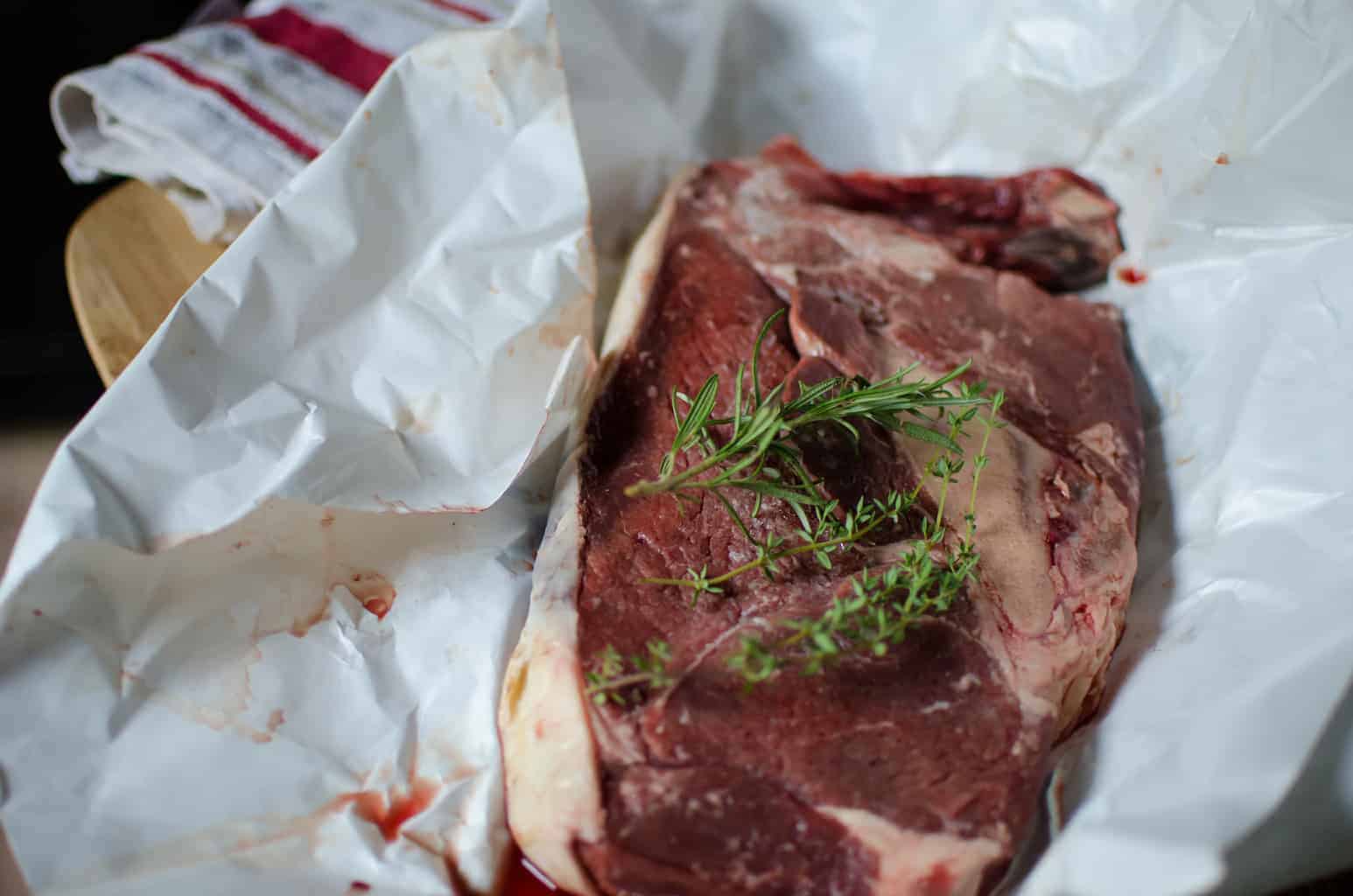
With the scurry of the independent homesteading movement, meat is a brand new thing that homesteaders and farmers are offering to the general public. Actually, the market in many places is already completely saturated with farmers offering grass-fed beef, pasture raised chicken, and even quail and rabbit. But don’t let that discourage you just yet.
When you have multiple things and products on a homestead, especially if you’re already selling eggs and dairy, you now have a market base. You have people that already trust you and your product, and this is how you’ll begin to reel them in with the larger products, like meat.
Keep in mind, however, that this isn’t just about making money—this is about helping people change their lives and live a better lifestyle.
Whatever meat you choose to sell, make sure you’re abiding by the guidelines in your state. For most states you can sell small livestock, like chicken and rabbit, with limitations on how much you can sell.
With larger livestock, they must be processed in an FDA certified facility.
There are two main ways to sell meat—
Process the meat, pay for it (if done at a facility), and then sell to markets, stores, and directly to the customer either with meat shares (quarter, half, whole) or portioned out meat.
The second way is to simply sell the meat before butcher. This is best for larger livestock. The customer would put a deposit down on the portion of the cow they want (quarter, half, or whole). Then they would pay you per pound on final hanging weight, and then pay the butcher directly for the butcher fees.

Make Money By Selling Homemade Goods + Products
You’re a homesteader, which means you have talents beyond belief. Maybe you make soaps or knit hats. Or maybe you have honey to sell from your bee hives. Whatever it is, don’t be afraid to mesh it all together with the other services and products you can offer from your homestead.
Be sure to market during the proper times of year, and offering a quality product will set you out from the rest. Start an Etsy shop, or a website where you can sell your products. And network with local groups, events, and farmers.
You can also sell products like essential oils or other products through companies that you love. I love selling my essential oils—they pay for the cost of the oils and the livestock feed every month! If not more.
Again, you can also consider selling things like canned goods, breads, and yummy goodies that you make at home with your loving hands!
Make Money By Offering Handyman Services and Skills
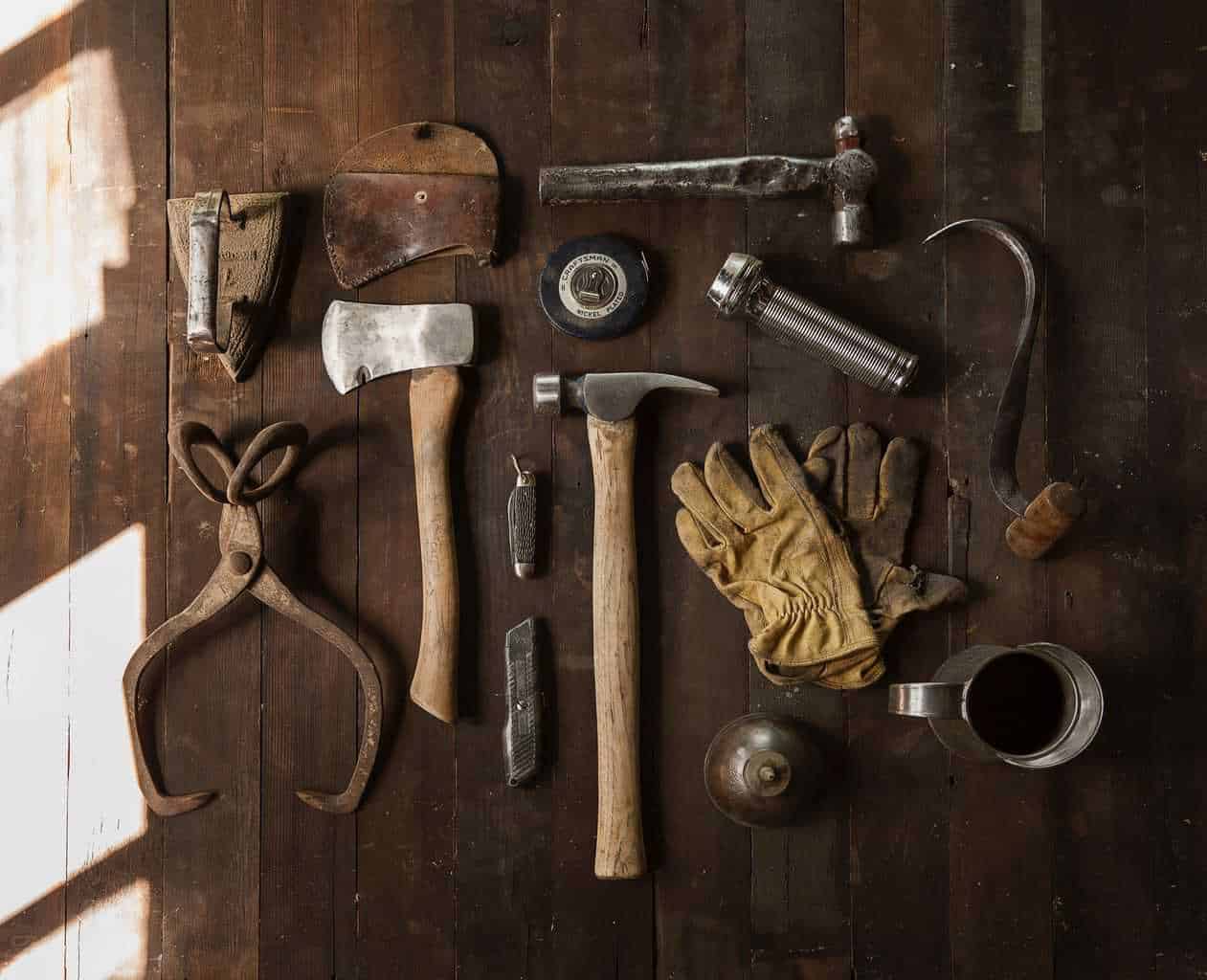
This one is mostly for the fellas, though I know some ladies that have awesome handyman skills too. For people like my husband, it’s easy for him to say “let me cut your grass, do your landscaping, build that deck, put that fence up…” He’s just skilled beyond belief. And you might be too! Use those skills to your advantage, and you may just get enough work to start a side business.
Here are some things to consider offering if you have the skills:
- Landscaping & Mowing
- Basic Handyman Skills (electrical, carpentry, fixing things)
- Fence Building Deck and Patio Building
- Fall Clean Up Garden Prepping
- Tree Services Mulch/Wood Chip Hauling and Spreading Wood
- Cutting and Hauling Heavy Lifting
…and so much more!
Make Money By Selling Plants and Produce
Enough said.
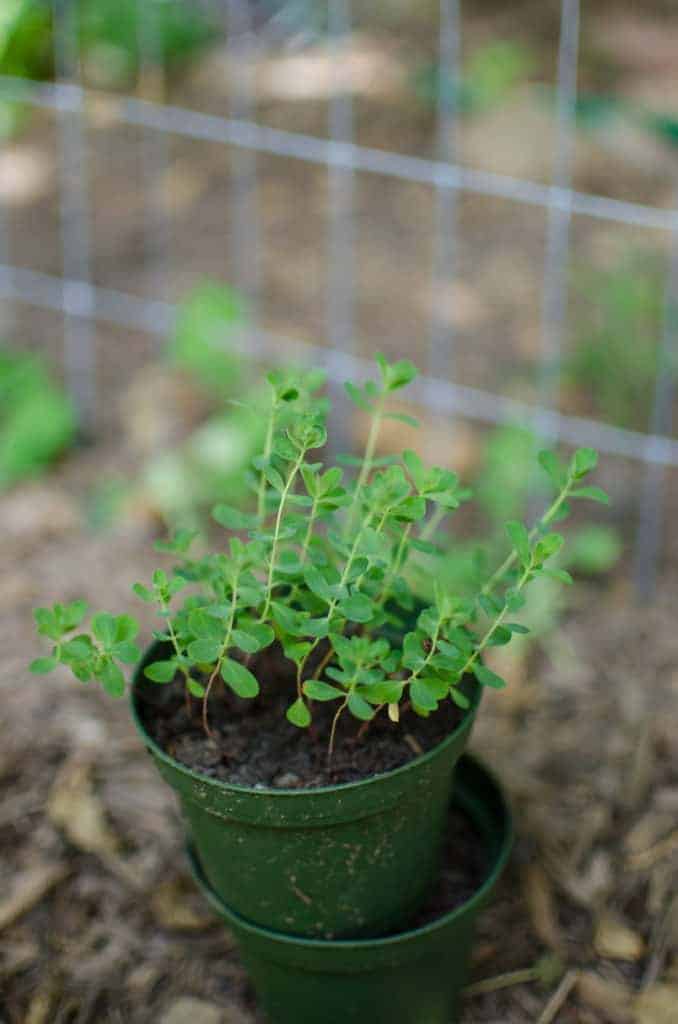
When you begin your new season of planting, and you have all of these extra plants that you don’t know what to do with—don’t toss them to the side or force them into the ground….sell them!
In fact, many homesteaders purposefully plant extra plants just to sell each spring. This is a fabulous way to market organic, non-gmo, or home grown and raised plants to gardeners in the Spring. There is especially a market for herbs!
Make Money by Selling Herbal Remedies
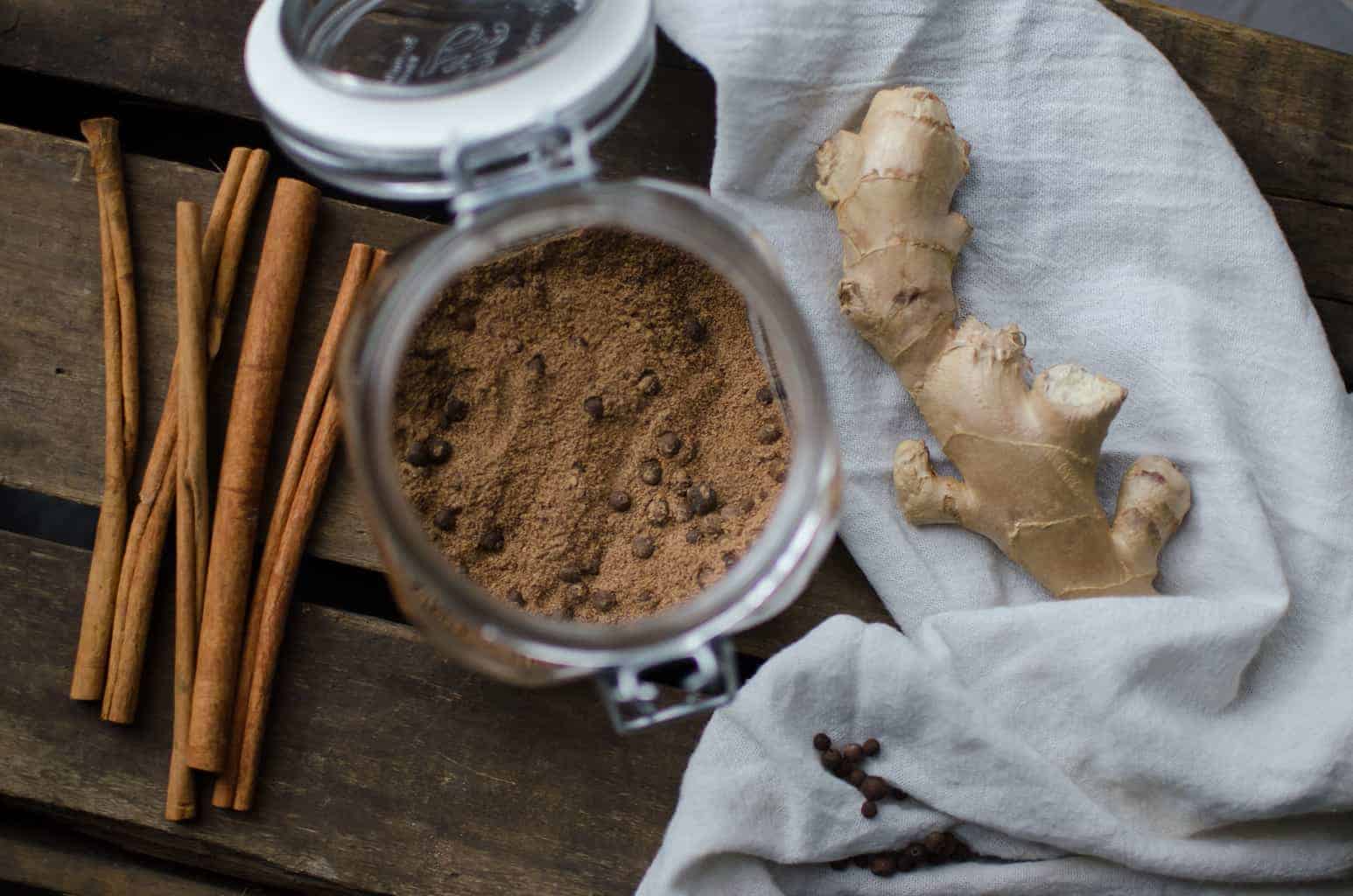
As an herbal homesteader, I tend to have a lot of herbs on hand at all times. In the winter months, I’m constantly creating some type of concoction for a family member or friend. One year, I posted my Elderberry Syrup recipe on a local social media group and told members that I was getting ready to make a batch if they wanted to buy a bottle. I made over $200 that weekend alone. Call me crazy, but I think I was on to something!
If you’re into herbal remedies, try making salves, lotions, syrups, tinctures, and more. Sell them locally within your community, or even only in your Etsy shop or on your website. Just make sure you label them properly to protect yourself.

Make Money by Boarding and Pet Sitting
If you have an extra field, paddock, or extra room in your home, boarding farm animals and regular pet sitting are all options for you on your homestead. You already have a farm, what’s a few more animals? This might even be your way to get your “new animal” fix without ever actually getting a new animal of your own.
Set standards in place and put things in order so that your market knows you aren’t just there to be at their every beckon call. Setting a standard makes people understand that you’re organized, and the real deal. And that you take pride in your work.
Make Money By Teaching Other People
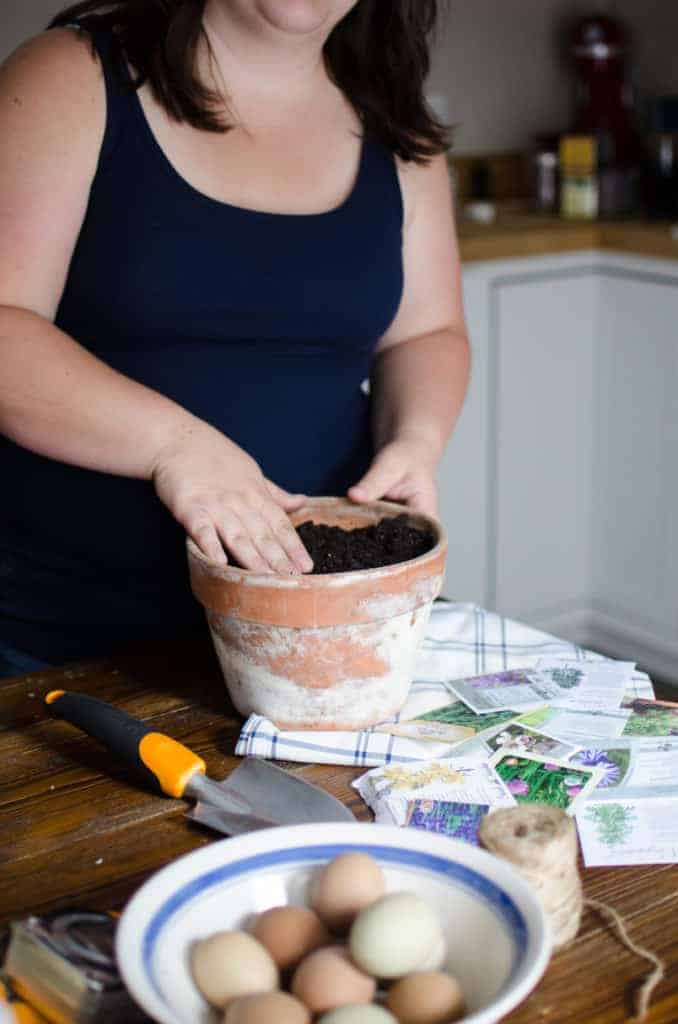
I think every homesteader has a desire to teach others, and that’s a fabulous thing. We often like to say that we hate charging for this knowledge, but sometimes, you just have to. Your time and energy is just as precious as any other teacher in the world, and you’re offering information that is invaluable to others.
They want to learn, so why not teach?
You can do this many ways:
- starting a blog
- maintaining a youtube channel with tutorials and vlogs
- or by hosting classes on your homestead or through your local extension office.
You can also teach through webinars and may even be able to create courses, ebooks, and published books as you excel in your teaching ability. Whatever it is, never treat it like a job. There is a satisfaction that comes from teaching and sharing knowledge. Watching people’s eyes light up, knowing that they just learned something new and amazing that can help them take control of their lives—it’s priceless.
While you’re teaching, consider adding Affiliate Advertising (like Amazon, Google Ads, and more) to your website and other online outlets. People can click on these links (much like the ones on this blog), and you receive a commission for the amount of times that the ad as been clicked or bought. This is at absolutely no cost to the customer or student, it’s just a great way for you to support your farmstead while teaching others!
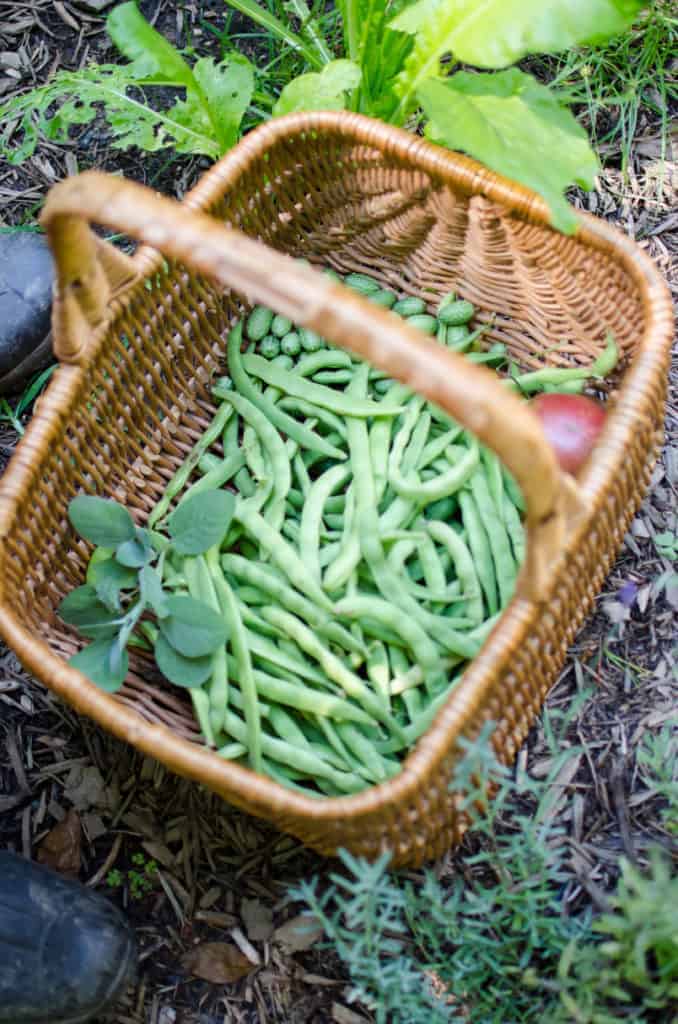
There are plenty of ways to make money on, and off, your homestead and farm. These opportunities present themselves often, and if you’ll simply take note, you may just see a need in your community that you can offer directly from your homestead. There is absolutely no guilt in selling product or items from your homestead. In fact, it is the American way. Our ancestors did it as their full time jobs…and by golly, I think it’s time to bring it back.




Hello, great article!
In the words of one of my best friends that lives on a farm:
“If I could get $5 a dozen for eggs I’d have chickens living in every damn square foot of my house except my bed!”
We easily get $5 a dozen for eggs here in Virginia. It all depends on the location.
Yes, $5/dozen for farm-fresh, free-range eggs is a pretty normal price here in Kansas City, Missouri, too. I saw the prices go as high as $7.95 – $8.95/dozen last year during the height of the “pandemic.” We are looking into our home association rules to see if we can have some chickens or quail in the backyard of our 1/2-acre suburban home. Those prices seem worth the little trouble to raise and care for them!
Very good article.
Great information, Amy, as always! Keep up the great work. I’ve been enjoying your book, “The Homesteader’s Herbal Companion.” And, if my homeowner’s association will allow poultry, I’ll be getting your book on raising healthy chickens holistically as well. I was wondering, have you ever raised quail? I’ve heard they are quieter and easier for a small suburban yard. I realize they only lay for a year, but they start laying at 6 weeks, I’ve read, and take much less feed. Any thoughts or precautions for us on that front?