





Nothing says “winter” more than a good chai tea. And there’s nothing better than making your own chai tea mix. There are so many different recipes for chai tea floating around in the world. Depending on your culture, heritage, or taste preferences, chai tea made in one home can taste completely different than chai tea in another home. Did you also know that chai tea is medicinal? We’ll talk about that in a second.
The best part is—no matter which way you like your chai tea, you can make a simple chai tea mix, chai tea concentrate, or a highly medicinal chai tea ahead of time so that it’s ready and waiting for you whenever the mood strikes you. Here’s one of my favorite Chai Tea mix recipes from my book, The Homesteader’s Herbal Companion.
KEY TAKEAWAYS
- Chai tea originated in India and has been used for centuries as an herbal remedy to open airways, aid digestion, relieve pain, and enhance mood.
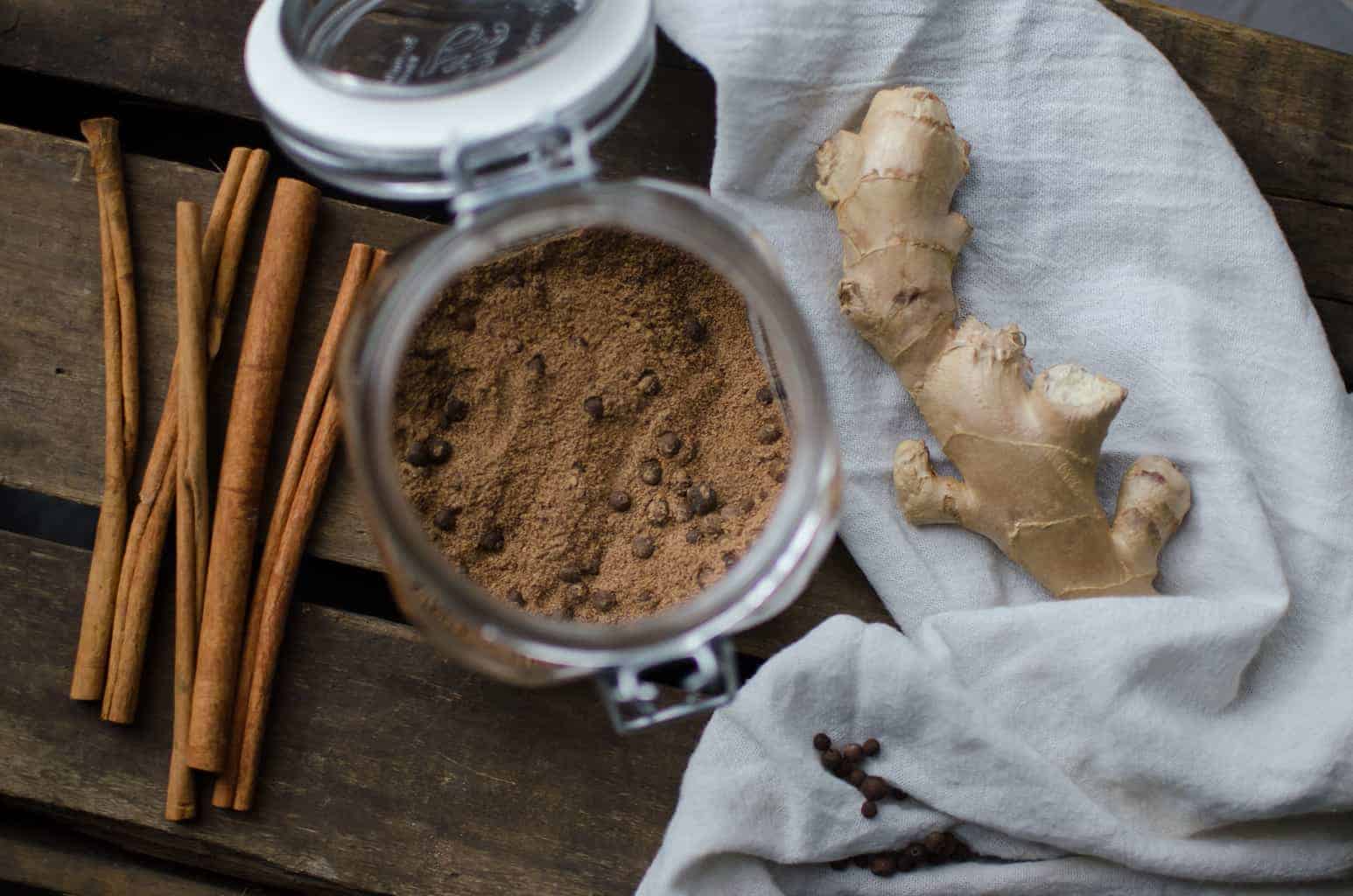
- A homemade chai tea mix contains eight core spices: black pepper, ginger, allspice, cardamom, cinnamon, cloves, nutmeg, and star anise pods.
- Chai tea mix can be stored in an airtight container and used throughout the winter by adding 1/2 to 2 teaspoons per cup of tea based on personal taste preferences.
- Chai tea concentrate can be made by quadrupling the recipe and storing it in the refrigerator for convenient preparation by simply adding water and warming.

What is Chai Tea?
If you just want the recipe, you can keep scrolling. But for those of you who want to know more about the history of Chai tea, you can keep reading!
Chai tea is most notably know for its roots in India. “Chai” means “tea” in Indian. This tea has been made for centuries across various continents and cultures, each family putting their own flare on it. The base of Chai tea normally begins with cinnamon, cardamom, cloves, ginger, and black peppercorns. Traditional Chai tea isn’t extremely sweet like we are used to at our local coffee shops here in the United States. Chai tea was used as an herbal tea to help open airways and aid in digestion. It was also used to relieve pain, enhance mood, and be a refreshing herbal drink.
Chai tea is one of those under appreciated herbal drinks that we think is just another good beverage, when in fact, it can be so much more!
Medicinal Chai: How Each Chai Spice Amplifies the Others
Most people think of chai as just a tasty drink, but each spice actually works with the others to create compounding health benefits. Here’s how the magic happens…
The Breakdown:
- Black Pepper + Ginger: Black pepper contains piperine, which increases the absorption of ginger’s anti-inflammatory compounds by up to 2000%, making your chai significantly more effective for joint pain and muscle soreness
- Cinnamon + Cardamom: These two together regulate blood sugar more effectively than either alone, with cardamom protecting against cinnamon’s potential liver stress in high doses
- Cloves + Star Anise: Both contain antimicrobial compounds that work on different bacterial strains, creating a broader spectrum defense for your immune system
- Nutmeg + Allspice: This pairing enhances digestive enzyme production while nutmeg’s mild sedative properties balance allspice’s stimulating eugenol content
Why This Matters:
The traditional chai recipe isn’t random—it’s a carefully balanced formula where each ingredient serves a purpose and enhances the others. When you understand these relationships, you can adjust ratios based on what your body needs most.
Health Benefits of Traditional Chai Spices
| Spice | Primary Benefit | Traditional Use |
| Ginger | Anti-inflammatory & digestive aid | Nausea relief, circulation |
| Cardamom | Respiratory support | Opens airways, freshens breath |
| Cinnamon | Blood sugar regulation | Warmth, metabolic support |
| Black Pepper | Enhances nutrient absorption | Stimulates digestion |
| Cloves | Antimicrobial & pain relief | Toothache remedy, immune boost |
Unlocking Different Benefits from the Same Mix
The temperature and steeping time of your chai completely changes which beneficial compounds you extract from your spices.
Cold Steep (Refrigerator Overnight):
• Extracts delicate volatile oils without bitterness
• Preserves heat-sensitive antioxidants in cardamom and star anise
• Creates a naturally sweeter profile requiring less sweetener
• Best for: Summer refreshment, maximum antioxidant preservation
Warm Steep (160-180°F for 10 minutes):
• Balances oil extraction with compound stability
• Ideal for daily immune support
• Most traditional flavor profile
• Best for: General wellness, authentic taste
Hot Steep (Boiling for 5-7 minutes):
• Maximizes extraction of anti-inflammatory compounds from ginger and cinnamon
• Intensifies warming properties for circulation
• Strongest digestive support
• Best for: Cold/flu relief, digestive issues, winter warmth
Decoction Method (Simmer 20 minutes):
• Breaks down tough spice fibers completely
• Extracts the most medicinal compounds from roots and bark
• Creates concentrated healing brew
• Best for: Therapeutic use, making concentrate, maximum potency
Pro Tip: Make your mix once, but brew it differently based on what your body needs that day. Fighting a cold? Go with the hot steep. Need afternoon energy without jitters? Try the warm steep method.
Medicinal Chai Tea Recipe
You’ll need to begin with whole spices and grind them down yourself for the most potent tea. But it’s okay if you’ve already ground your herbs (or bought them pre-ground) and are making the mix in advance, which is what we’re doing with this recipe.
I’ve linked each spice in the recipe in case you’d like to purchase the herbs online.
- 1 tbsp ground black pepper
- 2 tbsp ground ginger
- 2 tsp ground allspice
- 2 tbsp ground cardamom
- 1 1/2 tbsp ground cinnamon
- 1 tsp ground cloves
- 1 tsp grated nutmeg
- 3 star anise pods, whole
In a container, mix together all spices. Do not grind up the star anise pods, as they add flavor to the mix as it sets overtime.
When you’re ready to make your tea (by the cupful)—
- green tea, black tea, or rooibos tea
- 1/2 – 2 tsp chai mix
- orange zest (optional)
- 1/2 tsp vanilla extract
- 1 tbsp raw honey or sweetener of choice (if using whipped cream, you can omit sweetener)
- dash of cream (optional)
- homemade whipped cream (optional)
Method:
- Steep tea of choice in a cup like you regularly would.
- Add 1/2 tsp to 2 tsp of chai mix to cup, combine well. This will be completely made to your taste and liking. You can strain the herbs from the tea once it finishes steeping or drink it as is. The herbs will naturally fall to the bottom of the cup.
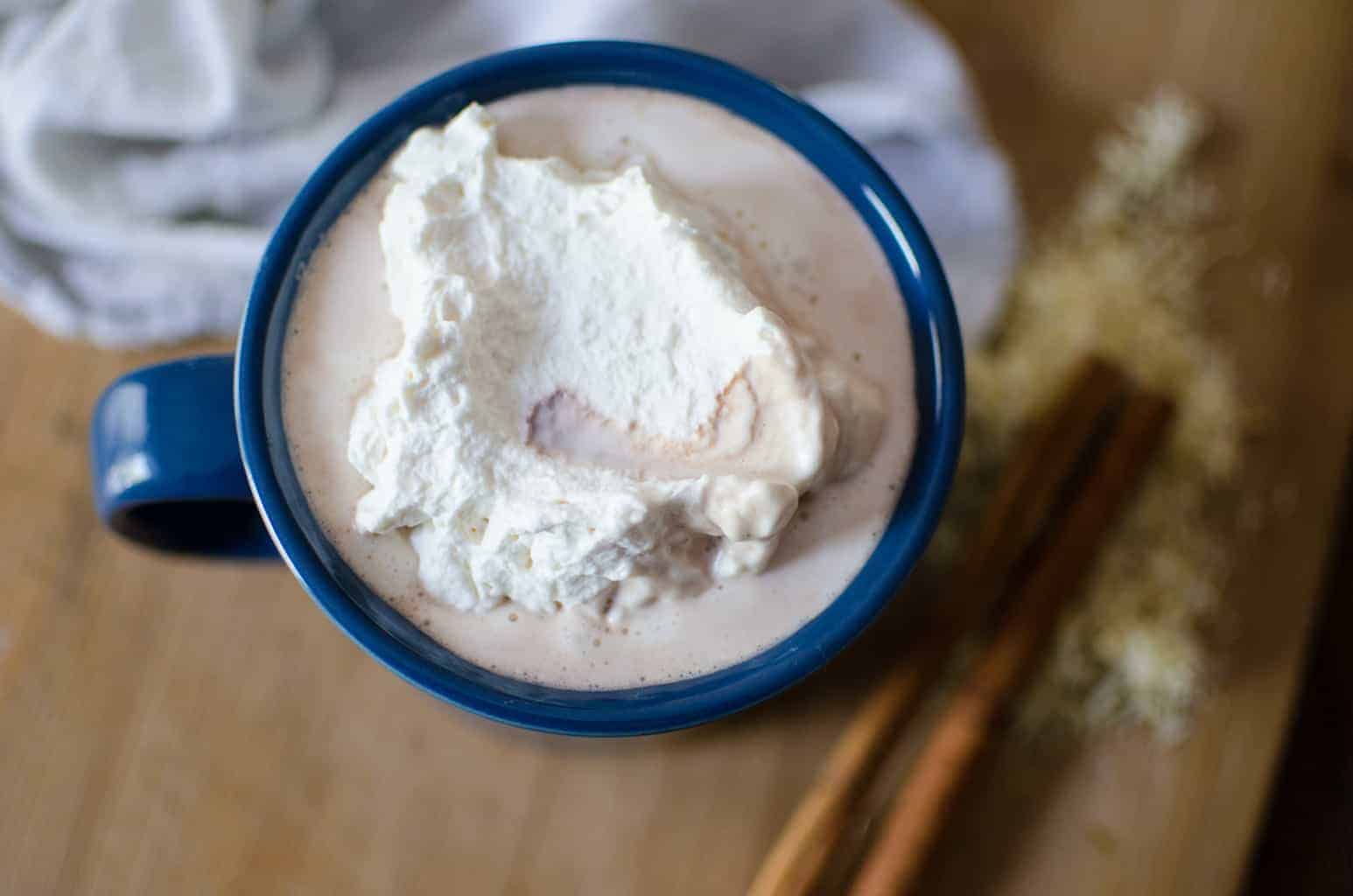
- Sprinkle in a bit of orange zest if you like, along with your sweetener and cream. Top with homemade whipped cream, if desired. (Of course you desire—it makes it 10 times better!)
And that’s it! It’s that easy! Keep your chai tea mix in an airtight container and it will last the entire winter.
Chai Tea Concentrate
If you prefer to make a large batch of tea at one time, you can always make a chai tea concentrate with your mix instead. Simply quadruple your recipe, place in a quart jar (or larger) in the fridge until you’re ready to use it. Then dip out some of the concentrate and add water into a cup. Warm, and drink! That’s it! Chai tea concentrate is that easy.
Chai Concentrate Dilution Ratios for Perfect Strength
| Strength Preference | Concentrate to Water Ratio | Ideal Use |
| Mild | 1 part concentrate : 3 parts water | Subtle spice, iced chai |
| Medium | 1 part concentrate : 2 parts water | Balanced everyday chai |
| Strong | 1 part concentrate : 1 part water | Bold spice lovers, latte base |
| Extra Strong | 2 parts concentrate : 1 part water | Medicinal use, cold remedy |

Frequently Asked Questions
Can I make chai tea mix without star anise if I don’t have it?
Yes, star anise can be omitted or substituted with an extra 1/2 teaspoon of ground anise seed or fennel seed. The flavor will be slightly different but still delicious. Star anise adds a distinct licorice-like sweetness and depth, but the other spices will still create a well-rounded chai experience.
How do I know if my chai spices have gone stale?
Open your container and take a deep smell—fresh chai mix should have a strong, immediate aromatic punch that almost makes your nose tingle. If the scent is faint or musty, or if you have to bring it very close to your nose to smell anything, the volatile oils have dissipated and it’s time to make a fresh batch. Color fading is another indicator—vibrant spices mean potent flavor.
Can I use chai tea mix in recipes other than tea?
Absolutely! Add a teaspoon to your morning oatmeal, pancake batter, or smoothies. Mix it into whipped cream or frosting for cakes and cookies. Sprinkle it over roasted sweet potatoes or butternut squash, or stir it into coffee for a quick chai latte alternative. The spice blend works beautifully in both sweet and savory applications.
Is it safe to drink chai tea every day, and how much is too much?
For most people, 1-3 cups of chai daily is safe and beneficial. However, if you’re pregnant, have a bleeding disorder, or take blood-thinning medications, consult your healthcare provider first, as spices like ginger and cinnamon can have blood-thinning effects in large amounts. If you experience heartburn or digestive upset, reduce the amount of spice mix per cup.
Why does my homemade chai taste different from coffee shop chai?
Commercial chai is typically much sweeter and contains more sugar, milk, and less actual spice than traditional chai. Coffee shops also often use a concentrate base that’s been heavily sweetened and may include flavoring agents or preservatives. Your homemade version is more authentic to traditional chai—less sweet, more spice-forward, and significantly healthier with medicinal benefits intact.






Thank you.
I was curious that whenever you’re making the concentrate for this mix how much liquid are you adding to the quadrupled mix of herbs? Am I still using one cup of tea per batch of herbs or am I just quadrupling the herbs for one cup of tea to form the concentrate?
So amazingly tasty, thank you !!!
This looks so good! What a great mix to have ready for wintertime!
Thanks for sharing! Does it keep long?
Way too much black pepper. Followed the recipe perfectly and the black pepper made the drink disgusting.