• Home
  • Membership
  • Shop
  • Cart
  • Our Farm
  • Gut Health
  • Herbal Practice
  • Buy Trusted Supplements
  • Nav Social Icons

  • Skip to primary navigation
  • Skip to main content
  • Skip to primary sidebar
  • Skip to footer
  • Home
  • Blog
  • About Me
  • Our Farm
  • Gut Health
  • HH Membership
  • My Books
  • Youtube
  • Podcast
  • Homesteading
  • Chickens
  • Herbs
  • Family
  • Farmhouse
  • Homemaking
  • Recipes
  • Sourdough
  • Contact Me
  • Herbal Practice
  • Buy Trusted Supplements
  • Mobile Menu Widgets

    Search

    Connect

Amy K Fewell | Homesteading for the Kingdom

Amy K Fewell | Homesteading for the Kingdom

  • Start Here
    • About Me
    • My Books
    • Podcast
    • Youtube
    • Gut Health
  • Blog
    • herbs
    • Bees
    • chickens
    • rabbits
    • Farmhouse
    • gardening
    • devotional
    • homemaking
    • sourdough
    • recipes
  • Courses & Books
    • HH Membership
    • My Books
  • herbs
  • Podcast
  • Contact Me

Herbs for Homestead Bees

February 23, 2018 · In: Bees, herbs, homesteading

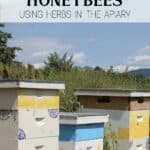
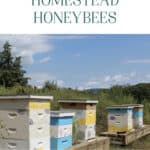
Using Herbs for Homestead Honeybees

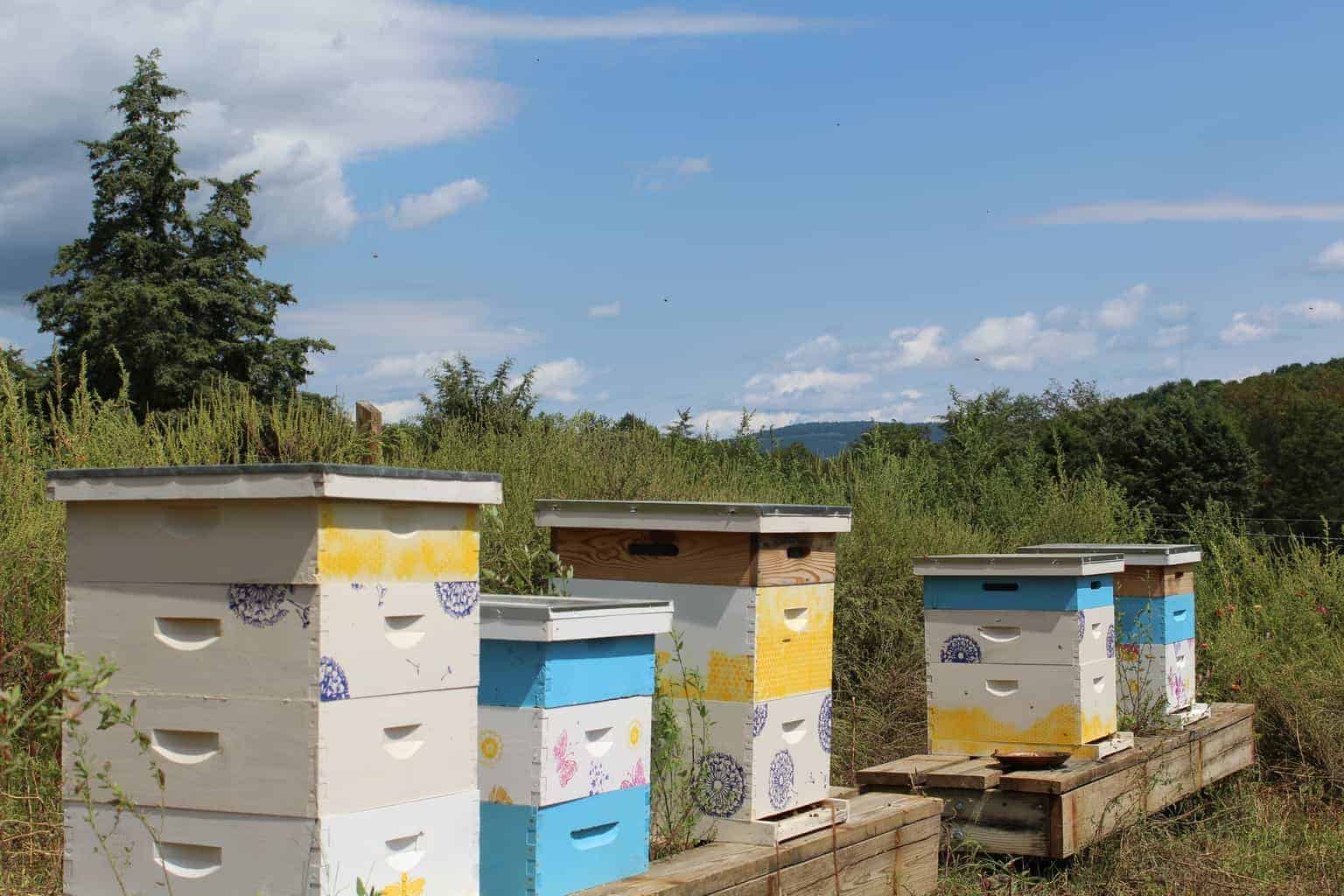
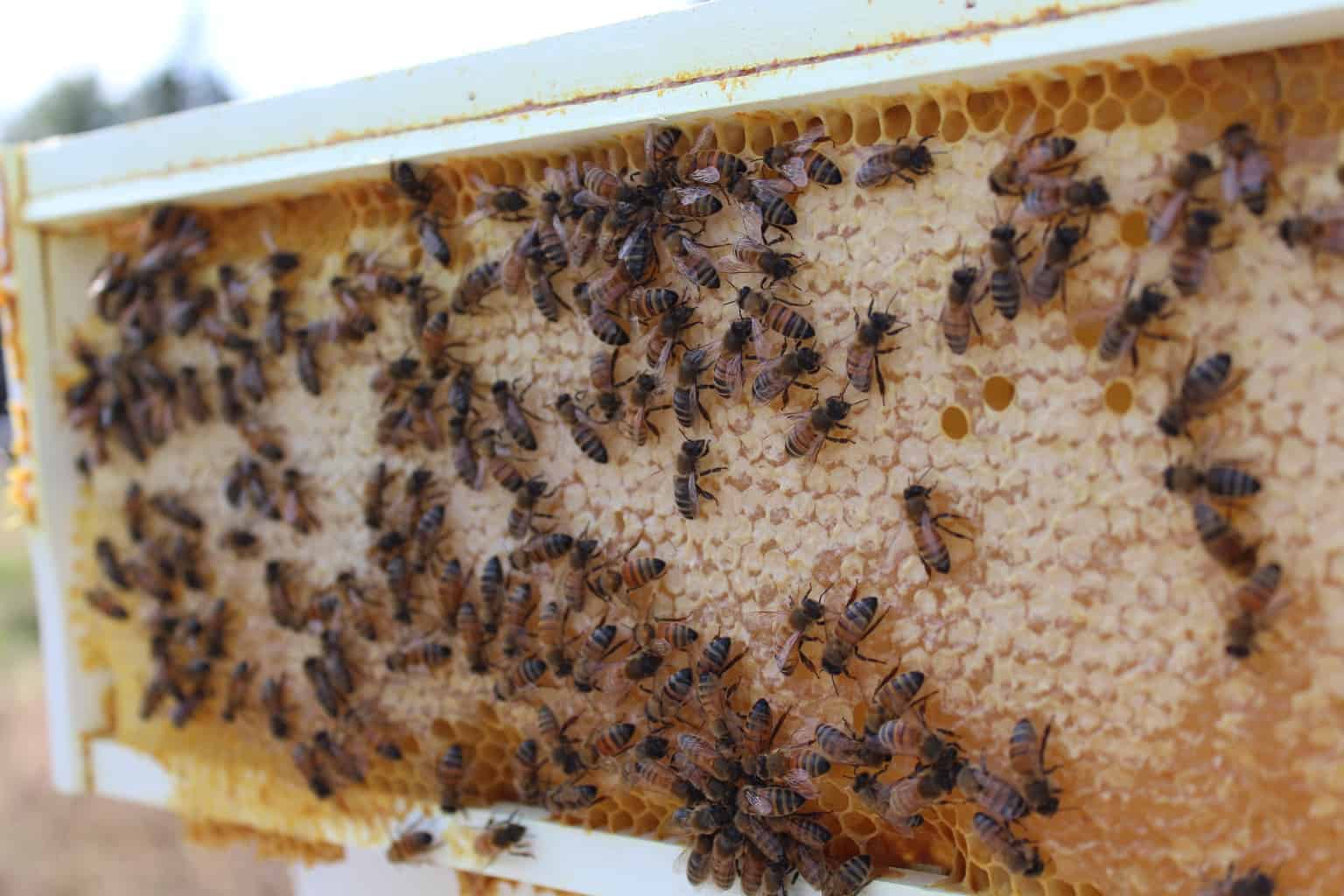
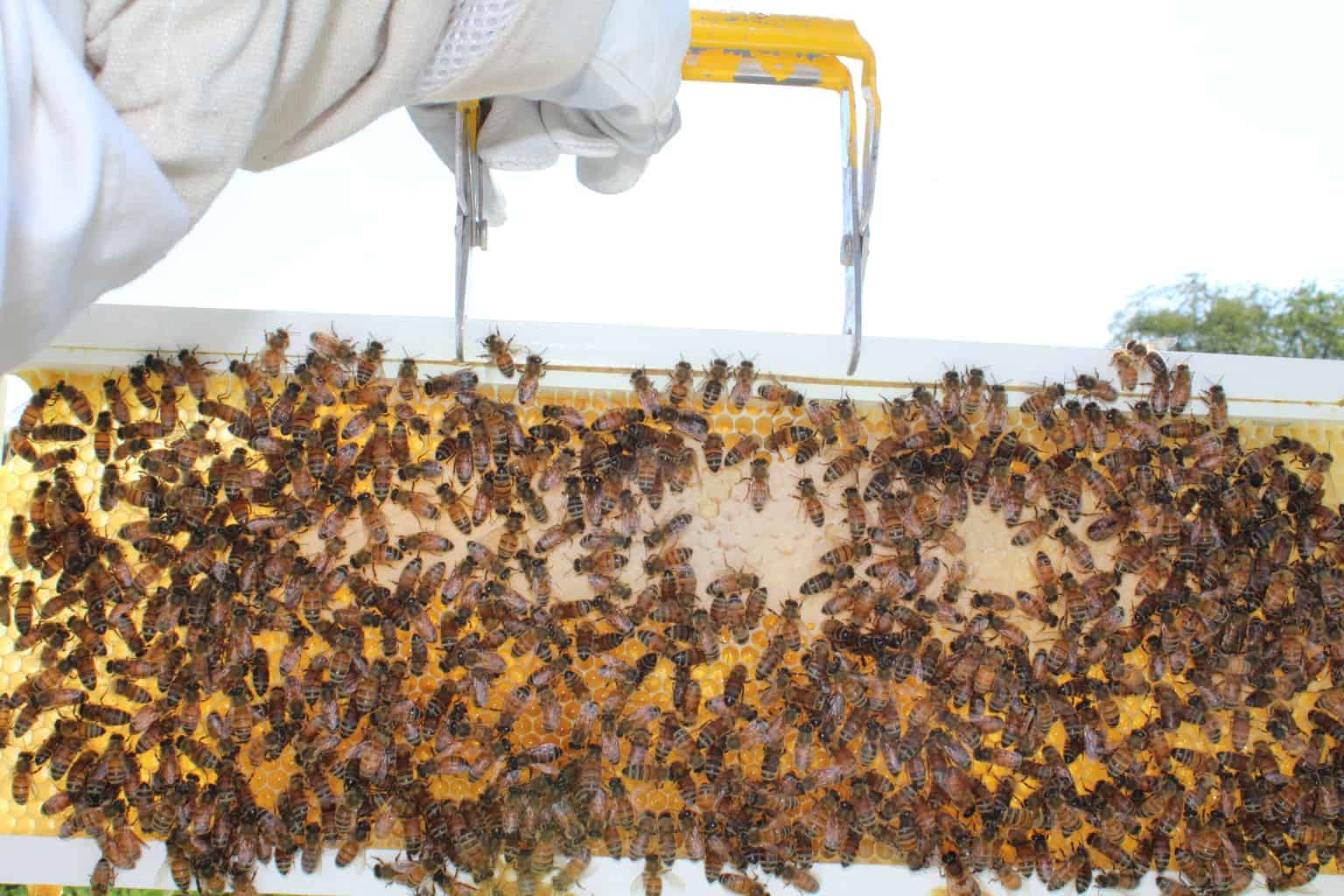
The buzzing of pollinators in a garden—it’s a sound every gardener loves to hear in the spring. It means healthy plants and vegetables will soon arrive, and our little bee friends are helping us along the way. Bees are essential to any homestead. In fact, they are like tiny herbalists that create natural concoctions that benefit us. They give us honey, which is antiseptic, antibacterial, and has healing properties. They give us beeswax to make our own salves and ointments. They give us propolis to help with colds and allergies. And more than anything, they pollinate our plants, gardens, and orchards. We couldn’t do what we do without bees. And it’s not just honeybees. There are other pollinators like carpenter bees and bumblebees. And all bees love herbs.

If you’re on the herbalism journey on your homestead, you may be wondering how in the world we can help pollinators herbally. From planting herbs that attract pollinators and enhance honey flavor, to using herbal cleaners in our bee hives, we can absolutely utilize herbs in our homestead apiaries. Here’s how…
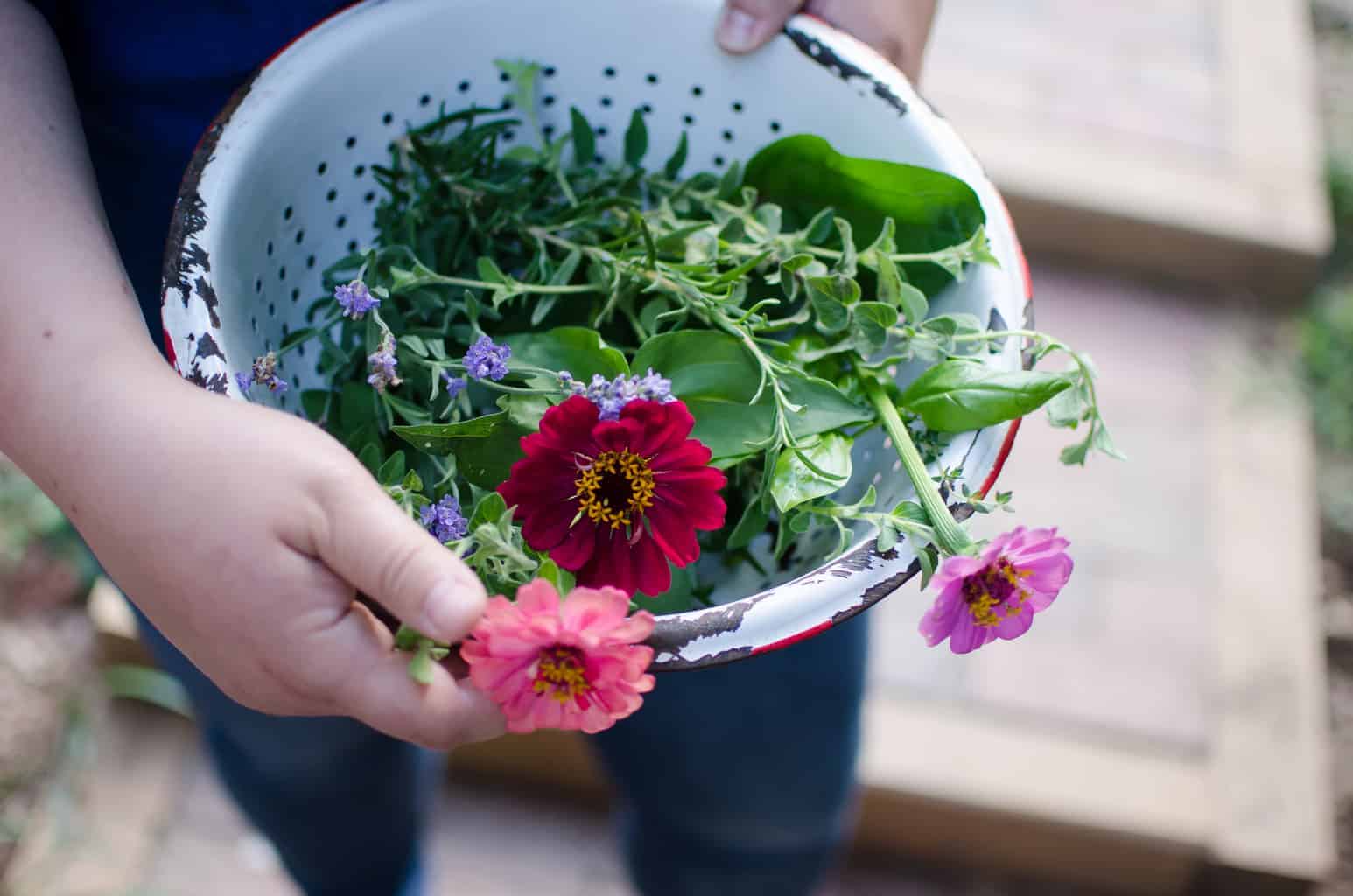
We can start by attracting pollinators and offering attractant herbs to our bee hives. There are a lot of different herbs that will attract pollinators to your homestead. And if you already have beehives, planting these herbs will help ensure that your bees have enough to forage during the warm months.

Herbs That Attract Pollinators

  • Lemon Balm
  • Chives
  • Rosemary
  • Borage
  • Lavender
  • Sage
  • Comfrey
  • Thyme
  • Echinacea
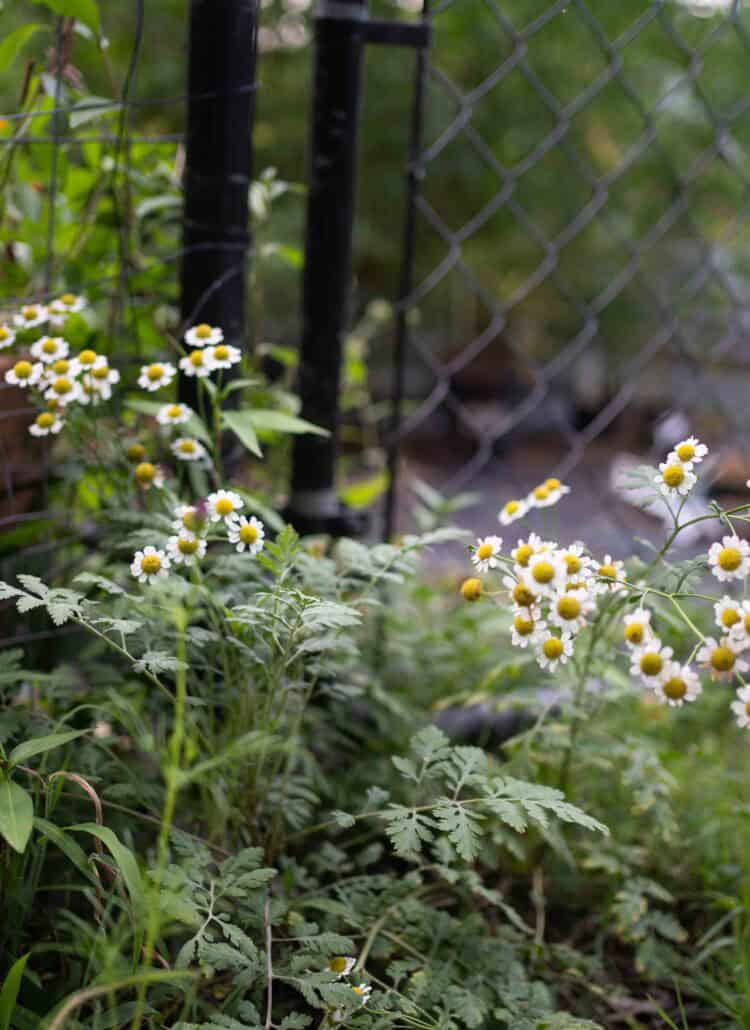
  • Feverfew
  • Yarrow
  • Dandelion
  • Oregano
  • Savory
  • Mint
  • Rosemary
  • Chamomile
  • Red Clover
  • Motherwort
  • Marjoram
  • Catnip
  • Hyssop
  • Bee Balm

Preparing and Cleaning Your Hive Boxes

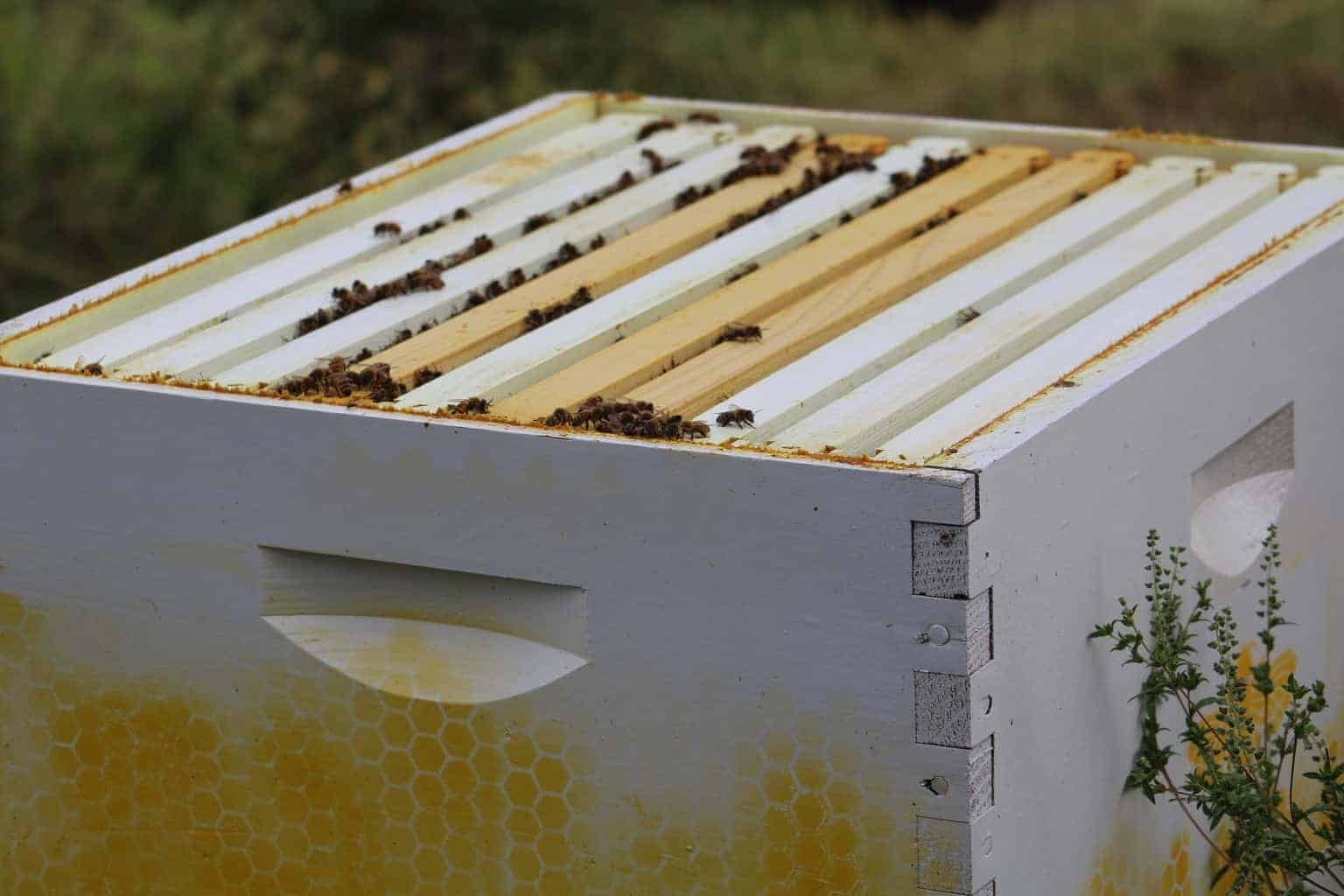
When preparing to take on a new hive, or just generally cleaning out your boxes from an old hive, there are a few herbs you can use to promote general health and keep pests, like ants, away from the hive.

Wash down the hive with the herbal solution recipe below, then rub down the inside of the hive with sprigs of rosemary, thyme, catnip, and mint. You can even lay these herbs on the inside top cover of your hive to deter insect pests.

New Hive Cleaner

Use this cleaner to clean out a new bee hive before adding your bees.

  • Thyme
  • Rosemary
  • Catnip
  • Sage
  • Peppermint
  • Distilled water
  • Witch hazel

Method:

  1. Add handfuls of fresh herbs (or a tbsp each of dried herbs) to a 16-oz glass spray bottle.
  2. Fill bottle three-quarters of the way with distilled water, and fill the remainder with witch hazel.
  3. Allow bottle to set for six hours before using.
  4. Shake well, then spray inside of hive thoroughly while cleaning. Wipe well.
Encouraging New or Weak Bee Hives

When taking on a new hive that could be stressed, or when dealing with a weak bee hive, offering your bees an herbal tea will help boost energy and general health. This is also a great tea to give during harsh weather (drought or excessive rain), or before the winter months set in.

Herbal Bee Tea

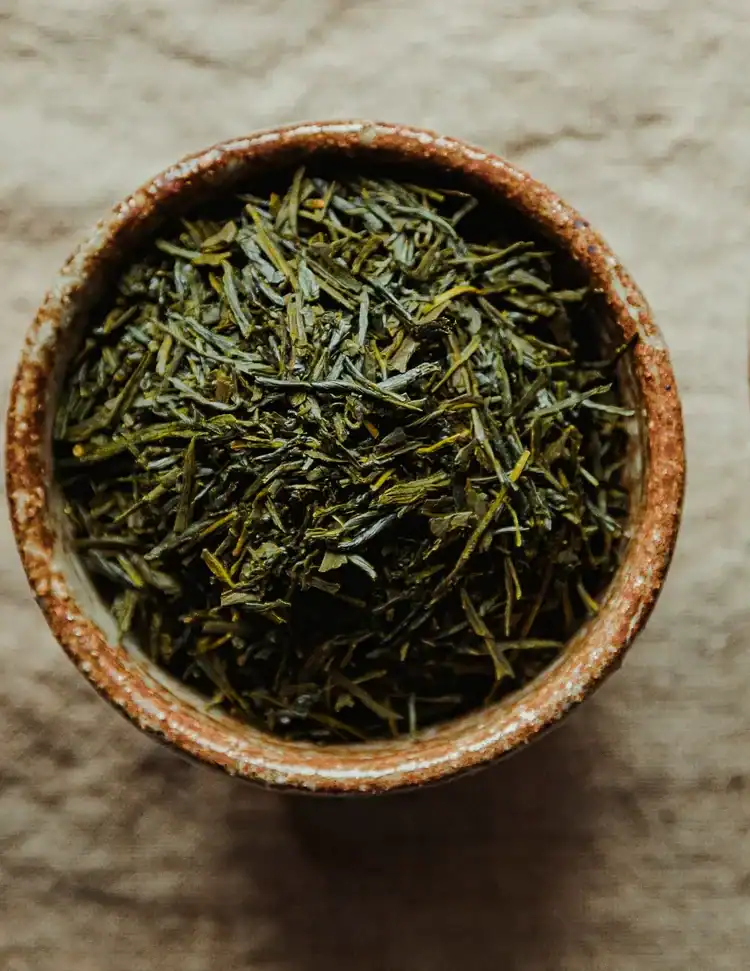
The herbs in this bee tea solution offer so many benefits and good food for your bees. It’s a mixture that can be kept on hand (dried) and made up quickly when needed to stimulate the bees’ immune systems and metabolism. To strengthen a weak, new, or swarm hive, offer it to your bees every day for 1–2 weeks. If the bees don’t take the tea, stop offering it. It means they have enough to forage or simply aren’t interested or in need.

1 tbsp each:

  • Echinacea
  • Peppermint
  • Chamomile
  • Yarrow
  • Stinging Nettle
  • Lemon Balm
  • Thyme
  • 1 1/2 tbsp sage
  • 4 cups distilled water
  • 1/2 cup raw honey

Method:

  1. Make your dried tea mixture by mixing all of the herbs in a large mason jar or storage jar. Cap tightly, label, and store in your pantry until ready to use.
  2. When ready to use, bring 4 cups of distilled water to a boil. Remove from heat and add 3–4 tsp of dried tea to hot water. Allow to steep for 5–7 minutes.
  3. Add honey once mixture is lukewarm. Mix well.
  4. Pour tea into a glass jar and add to the feeder area of your hive (entrance feeders work well). Remove the tea after 24 hours, as your tea will lose its medicinal potency after sitting for 12–24 hours.
  5. Offer for general bee health every 1–2 months.
Encouraging Herbal Foraging

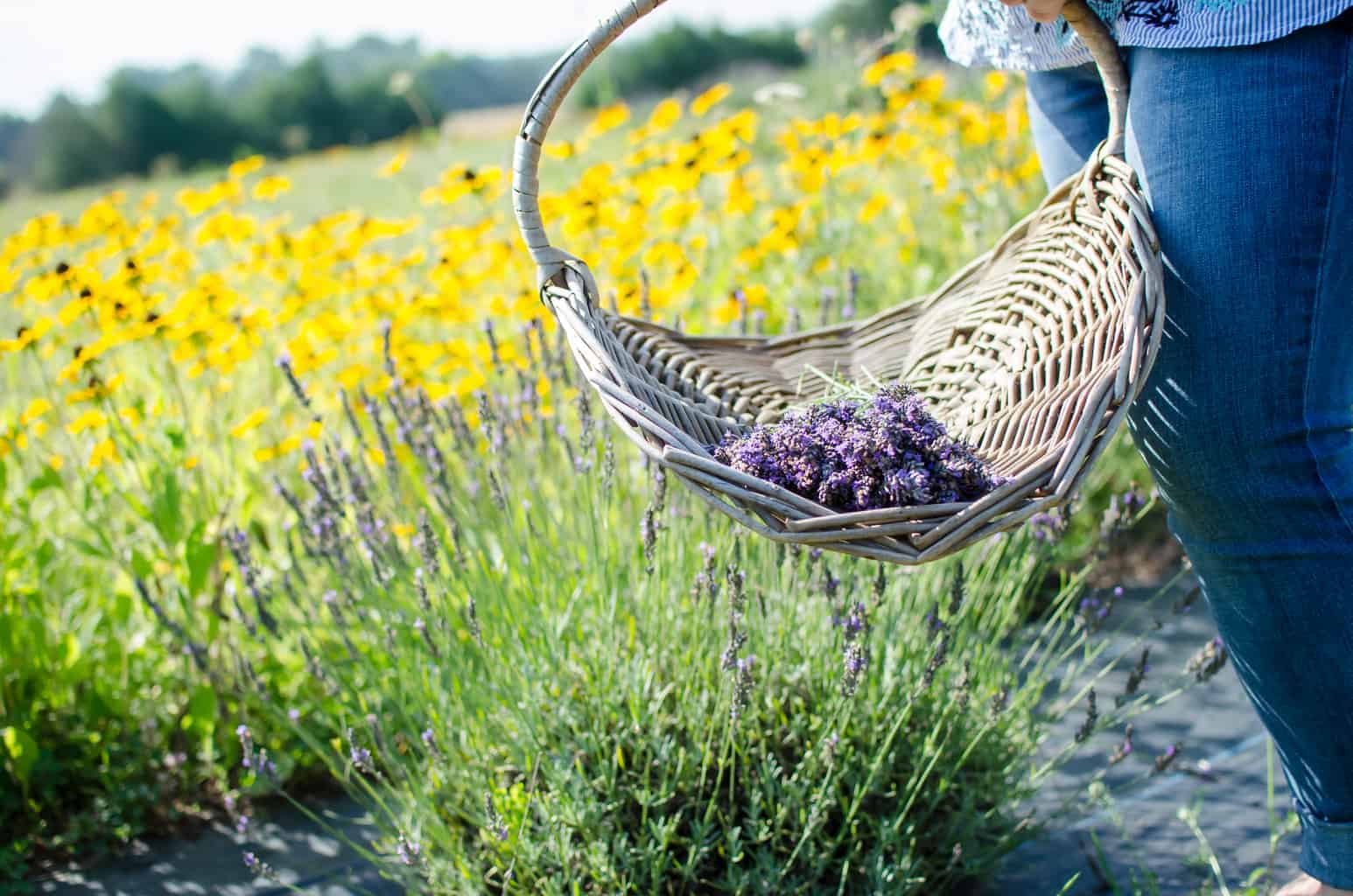
It’s hard to think that we could spend time and money on our bee hives, only to have them killed off because a neighbor or local industrial farm has sprayed chemicals on their property. For this reason, we need to encourage our bees to forage on our homestead. This is accomplished by planting various herbs, vegetables, and flowers right around the hives themselves. This is why many homesteaders and farmers place their hives directly in their gardens—not only because it helps the homesteader pollinate their garden, but because it helps the bees stay close to home.

Choose herbs from the list mentioned in this section to encourage bees to stay close by. If given enough plants, they will forage around home first. This also helps to ensure a healthy hive by offering plenty of plants during the spring and summer. Plant perennials (like echinacea, lemon balm, yarrow, and sage) that come back bigger and stronger each year so that your pollinators can get started as soon as possible each spring.

Herbal Honey Enhancers

Try planting these herbs nearby to enhance honey color and flavor:

  • Anise-hyssop (Agastache foeniculum)—Bees feast on hyssop and it can be one of the top nectar producers for bees.
  • Red Clover (Trifolium pratense)—Produces a white to amber honey, enhances overall bee health.
  • Marjoram (Origanum vulgare)—Gives honey an aromatic scent and flavor.
  • Motherwort (Leonurus cardiaca)—Gives honey a minty fresh flavor.
  • Thyme (Thymus vulgaris)—Offers a slight herbal taste and honey of a dark amber color.
All in all, bees and herbs go hand in hand. Herbs are so aromatic and delicious, and bees thing so too! Not only can they help you, the homesteader, but they can also help the original homestead herbalists—the bees!

You can learn more about herbalism in my book, The Homesteader’s Herbal Companion, where I talk about growing, harvest, preserving, and using herbs on your homestead, in your home, and for your family and livestock.

xoxo
Amy

photo credits:
photo 1, 3 4, & 6— Kaylee Richardson of The Farm on Quail Hollow
photo 5— Carina Richard-Wheat of The Rustic Mod
By: Amy K. Fewell · In: Bees, herbs, homesteading · Tagged: bee hive cleaner, bee tea, bees, herbalism, herbs, honey

you’ll also love

The Medicinal, Nutritional, and Famine Benefits of Lambs Quarters (Chenopodium album)
Herbal Remedies for HighBlood Pressure and Pre-Eclampsia During Pregnancy (and Postpartum)
Client Case Study: Kidney & Liver Levels Balanced
Next Post >

Old Fashioned Mennonite Cinnamon Rolls

Primary Sidebar

meet amy

meet amy
hello!

I'm Amy. I love organic food but I love cookies too I love Jesus and His grace. I believe broken people make the biggest impact in the world when they share their stories. I believe in stories, and I'm sharing mine.

Read More

Connect

Search

Ads & Sponsors

200x400

Advertise

Follow Along

@amy.fewell

@highlowfarm sent us some of their incredible home @highlowfarm sent us some of their incredible homestead products, and I had to take advantage of this delicious maple cream they sent! It screamed “ice coffee”, to me. 

The amount of time and work that goes into anything “maple” always astounds me.

There are so many farms and homesteads that are taking a heavy hit from the lack of production and drought this year. Consider supporting them even before conference! But be sure to check them out at the @homesteadersofamerica event too. 

Check the stories the rest of this week for some of the other goodies they sent! And go to their page @highlowfarm to grab some of their products!
What if your batch of broilers dies? What if you c What if your batch of broilers dies? What if you can’t order chicks through the mail? Or what if you just need a better option to grow meat throughout the year?

Cornish Cross and other fast-growing hybrids can be incredibly efficient when they are raised during the right window. They grow quickly, fill the freezer, and allow a family to produce a large amount of meat in a relatively short time.

But that does not mean they are the right bird for the hottest part of summer.

Heritage and slower-growing birds require more patience, but many of them are better equipped to forage, tolerate changing weather, and move through the hotter months without the same level of management required by a heavy meat hybrid.

The answer is not necessarily choosing one breed over the other.
The answer may be using both, in an efficient system.

Raise the fast-growing birds during the cooler spring and fall months. Raise the slower, more durable birds during summer to help ensure you always have meat in the freezer even if the broilers fail. Stagger your batches so that you are not processing every chicken on the homestead during one exhausting weekend.

This is the difference between buying chickens and building a meat-production system.

One is an annual project.
The other is part of a resilient household food plan.

I laid out the complete two-breed system, including seasonal timelines, breed options, staggered batches, processing schedules, and a backup strategy, in my newest article.

🐓Comment SYSTEM and I’ll send the article directly to your inbox!

Save this post as you begin planning next year’s meat birds.
After an eight month sabbatical from larger public After an eight month sabbatical from larger public assemblies of the church, it seemed fitting that the first time we stepped back into it all…was in a barn. And when we sat in the car and evaluated afterwards (it was amazing btw), I said “I think I’m different than I was before.” Before—when part of a larger body of Christ. And that was a great thing. A really great thing. 

Sometimes Yahweh makes us walk through seasons of separation because He has work to do within us. He wants to build confidence in the truth that you know, and unlearn the things you thought were right.

That doesn’t mean you forsake assembly (we still had Friday night fellowship here). It just means we stepped away from the normal Sunday morning in America to see where God wanted to work within us—without someone influencing us. Where did He want to scrub out dirty spots and elevate refined righteousness. Where did He want to heal and restore. Where did He want to calm and correct. Where did He want to broaden and expand. 

And we both sat there and said we “felt compassion”. Not just in the air, but for other people, within ourselves. No agenda. Just worshipping Jesus at the foot of the cross. That’s it. Just church. In a barn. The simple, unadulterated gospel of Jesus. 

It was a great way to start the week 💛 Happy Sunday, friends.
I’m seeing the whole “glyphosate” caused the Canad I’m seeing the whole “glyphosate” caused the Canadian wildfire thing. And about how they are spraying it everywhere and that’s why the fires have started. And we can’t breathe etc etc. That could be true. But I don’t think most people realize this isn’t new. 

Just last year Shenandoah National Park sprayed insecticides all over the park. Where do you think that overspray went? On people’s properties, in the air, in your garden, and even settling on properties hundreds of miles away since it was airborne. 

None of this is new. It’s been happening for over a decade. Our air is toxic. Period. It’s not because of something new. You’ve been eating and breathing in this stuff most likely your entire life.

Here’s what I hope everyone will do—get serious about it. When you hear it’s going to happen (they often announce it before they do it) get loud to your local authorities. If you’re concerned about it nationally, get loud at your statehouses. 

The world is finally waking up to what many of us have been screaming for 20 years. Yet we were called the crazy ones. 

Brings a whole new meaning to Mark 16:18–they will drink poison, and it will not hurt them. 

This has been our prayer for our family. But we can’t pray this while not fighting the issue.
It’s a sad reality. But it’s the truth. And here’s It’s a sad reality. But it’s the truth. And here’s why.

Our current American generations are not homestead or agricultural minded. The regenerative agrarian movement is still very young here. And the farmers and land owners who are much older and ready to sell their property are almost always doing it so that they can have a retirement and healthcare fund. There’s no money in the way old timers did farming. That’s kind of the long game conventional ag played them into.

I watched my grandfather sell every cow he had (even though he didn’t want to) so that he could put money into their bank account so that they would never have to go into a nursing home. 

I’ve talked to people who have held onto land thinking their children would steward it, only to realize they don’t even want to live in the same state is them. They want an inheritance for their kids. Can you blame them? 

There are certainly people buying land from farmers for far less than a data center would, and then being conniving and selling it the following month to a data center. This happens over and over again. 

But there are also people who just want to sell their land and be left alone. They think the state is going to “hell in a hand basket” anyhow, so what’s it matter to them. 

Here’s the catch—whether they sell it to a data center or not, it is clear they want high dollar for their property. And they will sell it to the next developer of 350 new homes on .2 acres that comes along. Or the next millionaire that wants to save it. 

Which one will come first? Time will tell. I’ve seen both. Don’t lose hope.

Pray that people would be obedient to the Holy Spirit. He is quickening many to buy large plots of land right now, but it only happens if they say “yes”. Pray that the Lord would extend more and more wealth to His people so that we can steward it well into expanding in more land ownership.

Continue changing the culture. Don’t give up hope. Raise your kids close to Jesus and agriculture. Teach them honor and stewardship. Teach your community and friends. The next generation won’t fail this task—they will understand the assignment. But until then, raise

Footer

Learn More

Chickens
Homemaking
Herbs
Recipes
Devotionals

Info

About
Contact
Privacy Policy
Shop

stay in the know

Copyright © 2026 · Theme by 17th Avenue