• Home
  • Membership
  • Shop
  • Cart
  • Our Farm
  • Gut Health
  • Herbal Practice
  • Buy Trusted Supplements
  • Nav Social Icons

  • Skip to primary navigation
  • Skip to main content
  • Skip to primary sidebar
  • Skip to footer
  • Home
  • Blog
  • About Me
  • Our Farm
  • Gut Health
  • HH Membership
  • My Books
  • Youtube
  • Podcast
  • Homesteading
  • Chickens
  • Herbs
  • Family
  • Farmhouse
  • Homemaking
  • Recipes
  • Sourdough
  • Contact Me
  • Herbal Practice
  • Buy Trusted Supplements
  • Mobile Menu Widgets

    Search

    Connect

Amy K Fewell | Homesteading for the Kingdom

Amy K Fewell | Homesteading for the Kingdom

  • Start Here
    • About Me
    • My Books
    • Podcast
    • Youtube
    • Gut Health
  • Blog
    • herbs
    • Bees
    • chickens
    • rabbits
    • Farmhouse
    • gardening
    • devotional
    • homemaking
    • sourdough
    • recipes
  • Courses & Books
    • HH Membership
    • My Books
  • herbs
  • Podcast
  • Contact Me

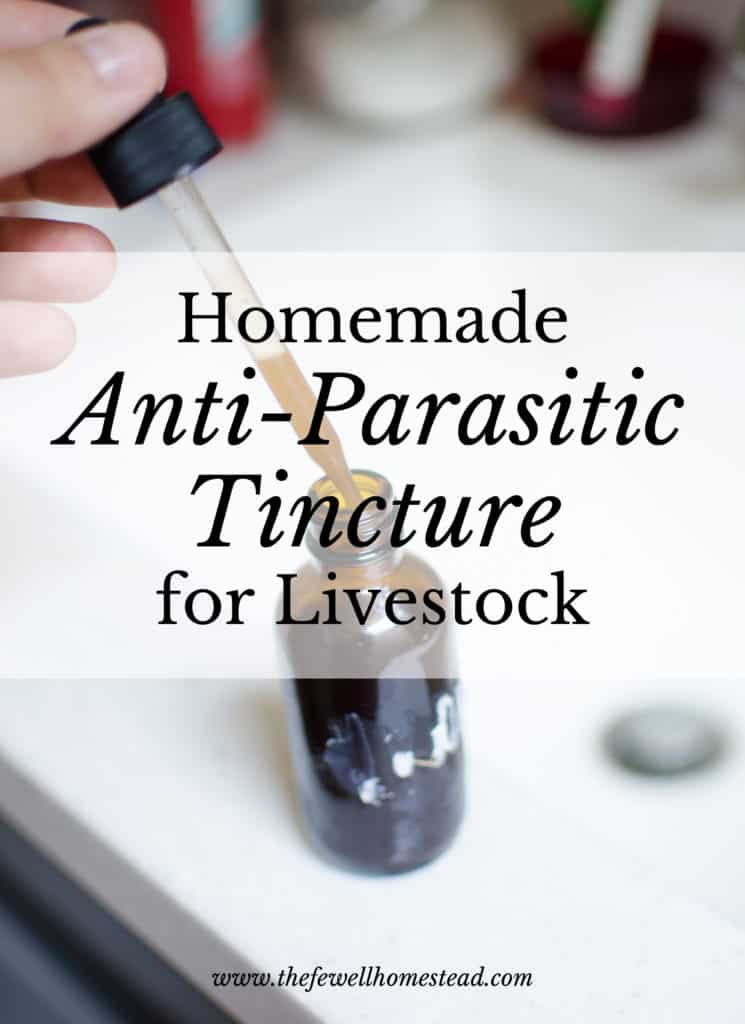
Homemade Anti-Parasitic Tincture for Livestock

July 23, 2018 · In: chickens, ducks, Featured, herbs, homesteading, recipes

Anti-Parasitic Tincture for Livestock

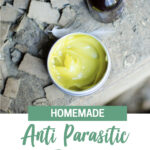
Homemade Anti-parasitic tincture for livestock

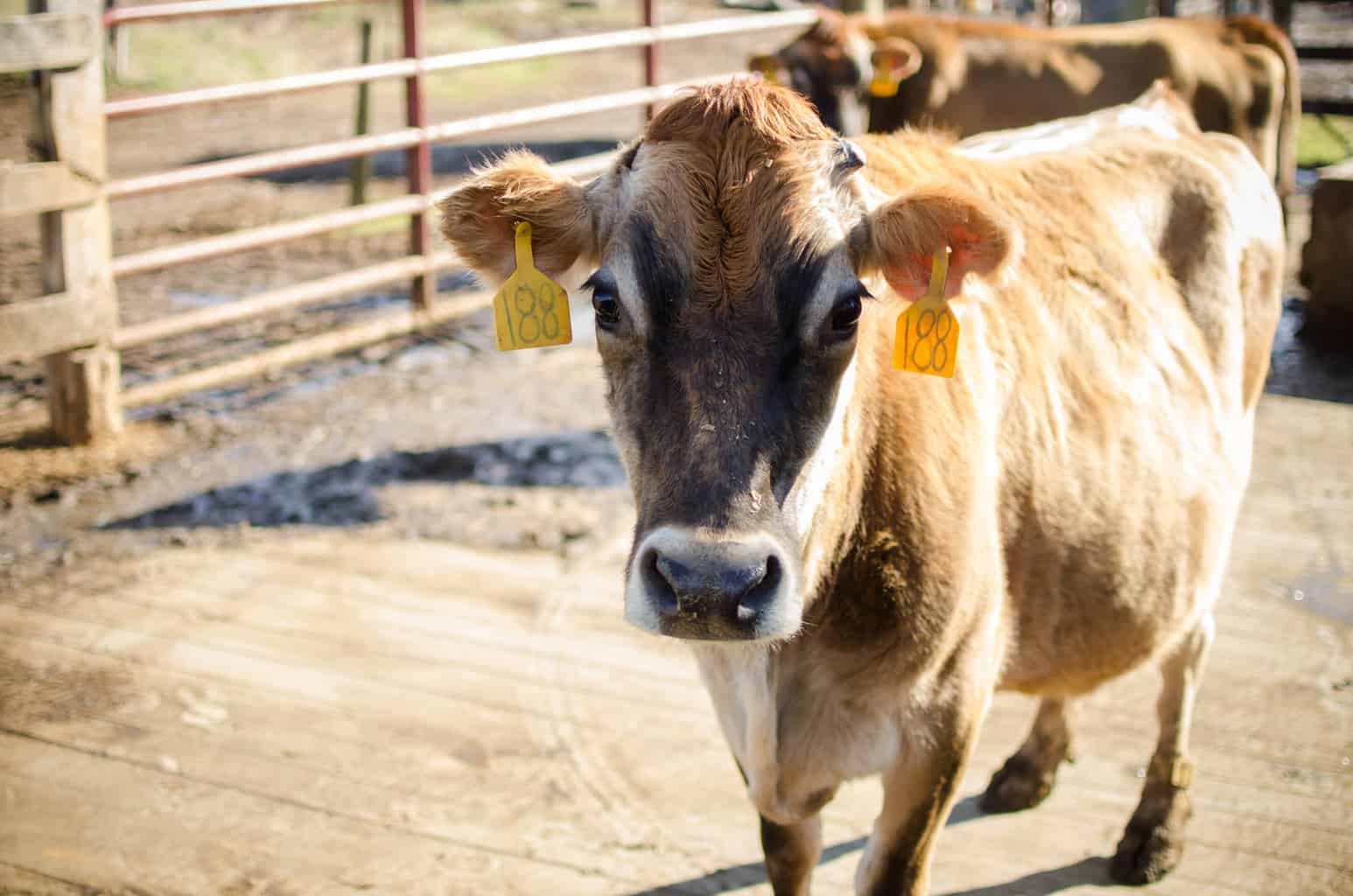
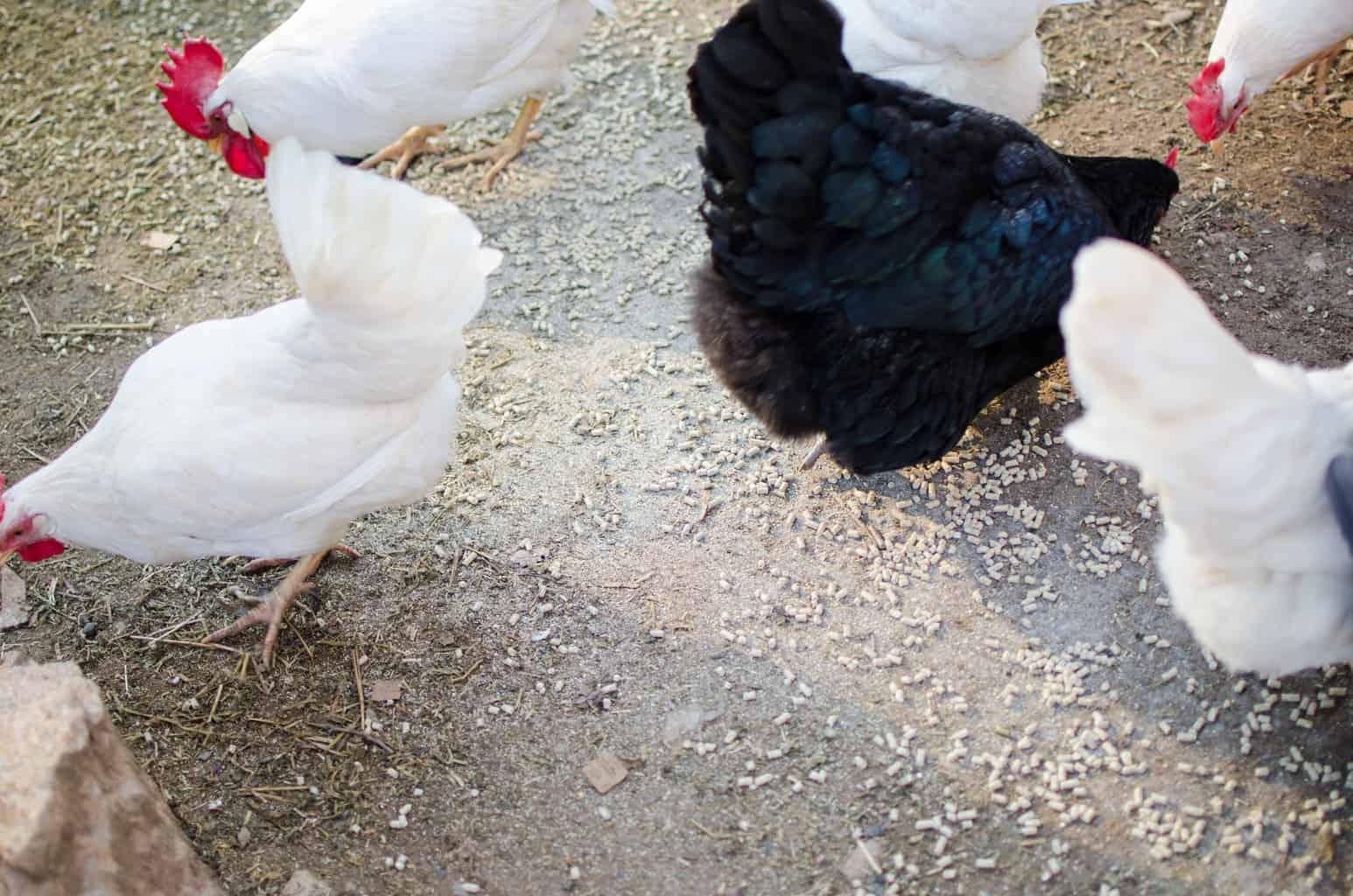
Parasites and worms on your farm and homestead are one of the top leading causes of livestock death. But thankfully we can make a homemade anti-parasitic tincture for our livestock (yes, even chickens!) By offering our livestock herbal supplements and this tincture on a regular basis, we can help prevent parasites from infesting our beloved animals, and treat our livestock should an issue arise. The issue, however, is that you’ll need to make this tincture now in case you ever need to use it later for an infestation. It takes 4-6 weeks for this tincture to be created!
Parasites and worms on your farm and homestead are one of the top leading causes of livestock death. But thankfully we can make a homemade anti-parasitic tincture for our livestock (yes, even chickens!) 

The Benefits of a Homemade Anti-Parasitic Tincture

Unfortunately there are a lot of de-wormers and anti-parasitic products on the market now days. What people don’t realize, however, is that almost all of them are filled with chemicals. In fact, those very chemicals go right into the meat that you’re eating if an animal has been treated with an anti-parasitic market treatment.

There are also herbal products on the market that work well, but they aren’t always very forthcoming with information or ingredients, which could be detrimental to your livestock. Because of this, we enjoy making our very own homemade anti-parasitic tincture, that way we know what’s going into the medicinal product, and we can even tweak it as we see fit for certain livestock types or issues.
Parasites and worms on your farm and homestead are one of the top leading causes of livestock death. But thankfully we can make a homemade anti-parasitic tincture for our livestock (yes, even chickens!) 

What’s in this Homemade Anti-Parasitic Tincture?

So you might be asking this question—what’s in the tincture? In 2017 I worked hard on perfecting this tincture for my book that was coming out, The Homesteader’s Herbal Companion. But I tweaked it even more for my book, The Homesteader’s Natural Chicken Keeping Handbook (Spring 2019). We have used this tincture many times in the past as a preventative, but I wanted to know that I was offering the best option to everyone for a general range of livestock.

This tincture is made of:

  • organic clove
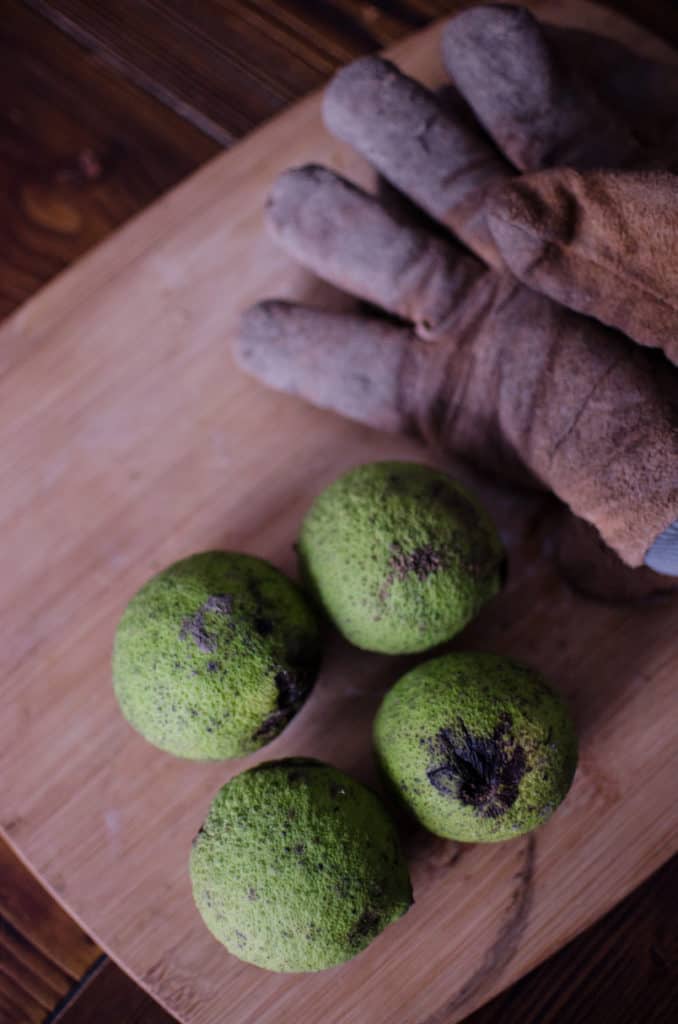
  • organic black walnut hulls
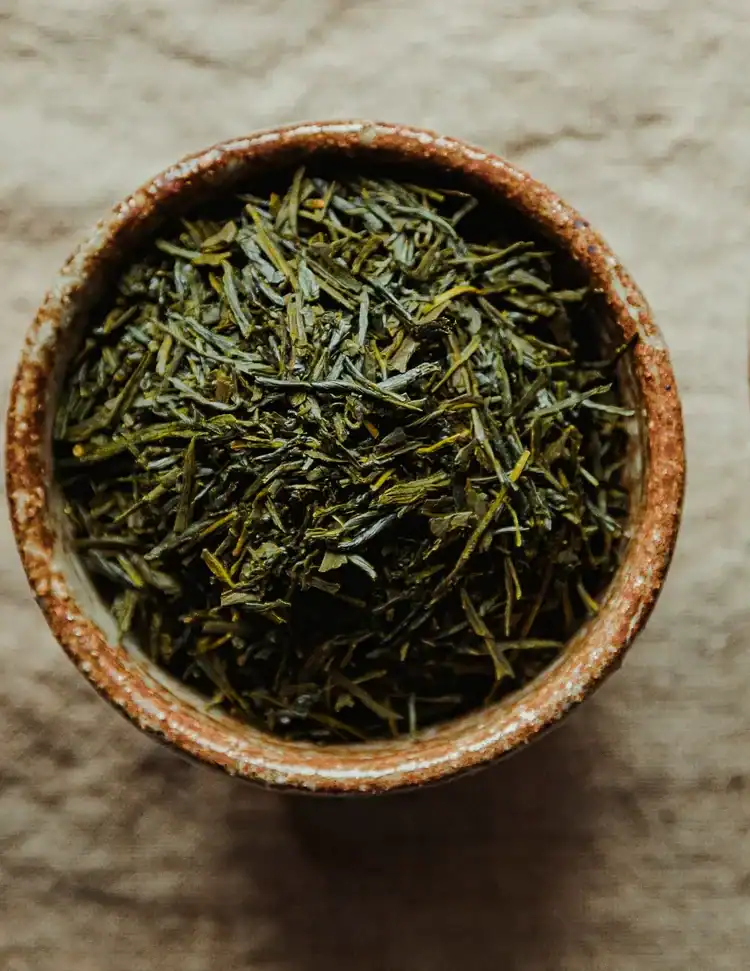
  • organic thyme
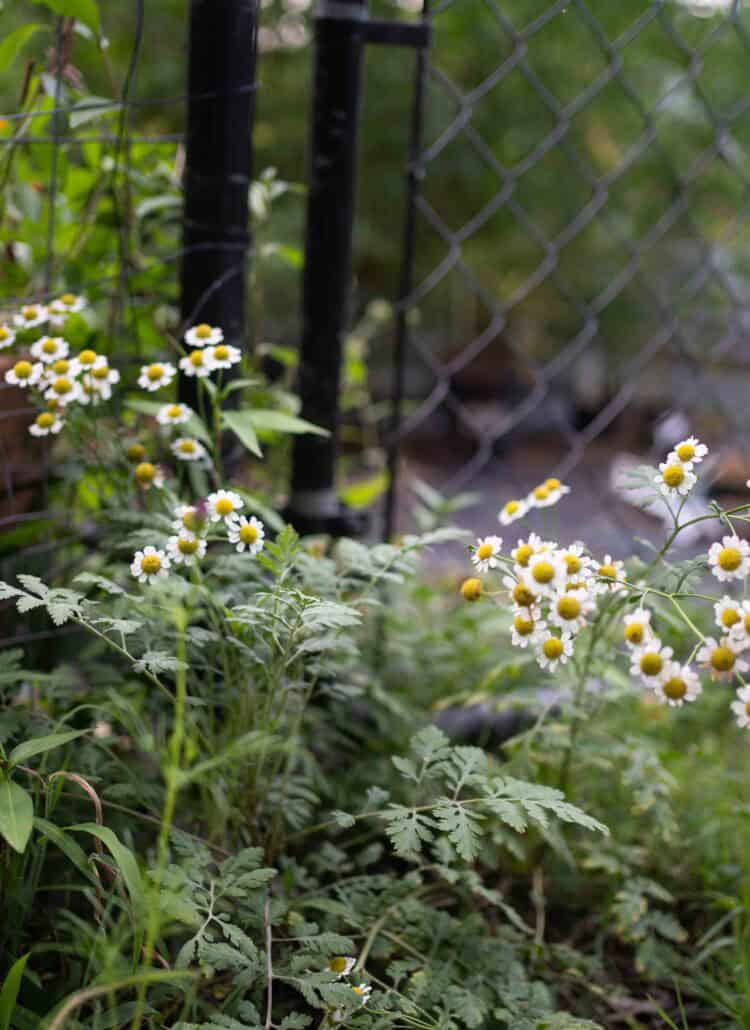
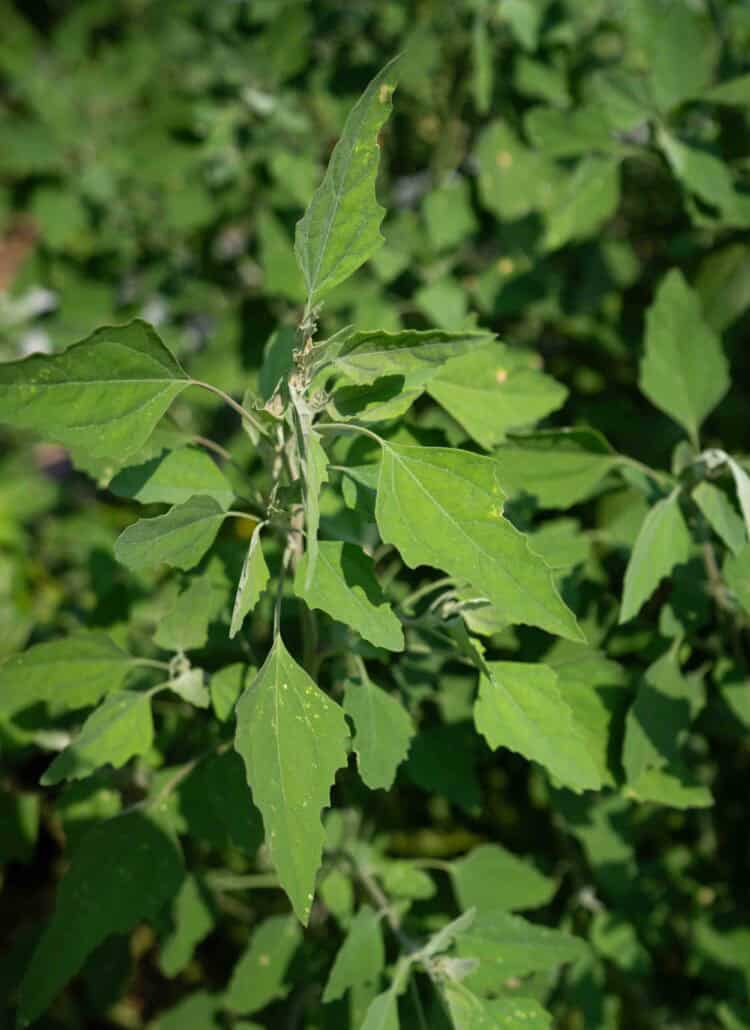
  • organic stinging nettle
  • organic grapefruit seed (optional)
  • organic garlic cloves
  • organic pumpkin seeds (optional)
  • 80-proof vodka (for the extraction)

If you don’t want to use vodka as the extraction method, you can make a glycerite with glycerin instead. As you may notice, all of these herbs that I use are completely organic, otherwise we’re defeating the purpose of natural medicine.

You can purchase all of these herbs from my favorite herb store here.
How to make a homemade anti-parasitic tincture

How to Make a Tincture

If you have a copy of my first book, The Homesteader’s Herbal Companion, I go in-depth on how to create a tincture for your family or your livestock. You can utilize the list of herbs in the book to create your own tinctures, or swap out some of the ingredients in this tincture with herbs that you think might work better for your farm. Either way, making a tincture is very easy, and they have a shelf-life of 5+ years if stored properly (in a cool dark place).

Here’s how you make a tincture.

  1. Choose your dried herbs and extraction liquid (normally 80-proof vodka)
  2. Add dried herbs to a jar, cover with vodka (a 1:5 ratio is a must, herb to vodka). It’s easier if you crush up the herbs so that all the dried herbs are submerged in the vodka.
  3. Shake well and allow the tincture to rest in a cabinet or pantry (out of sunlight) for 4-6 weeks. Shake once each day.
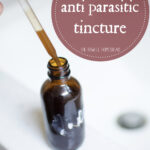
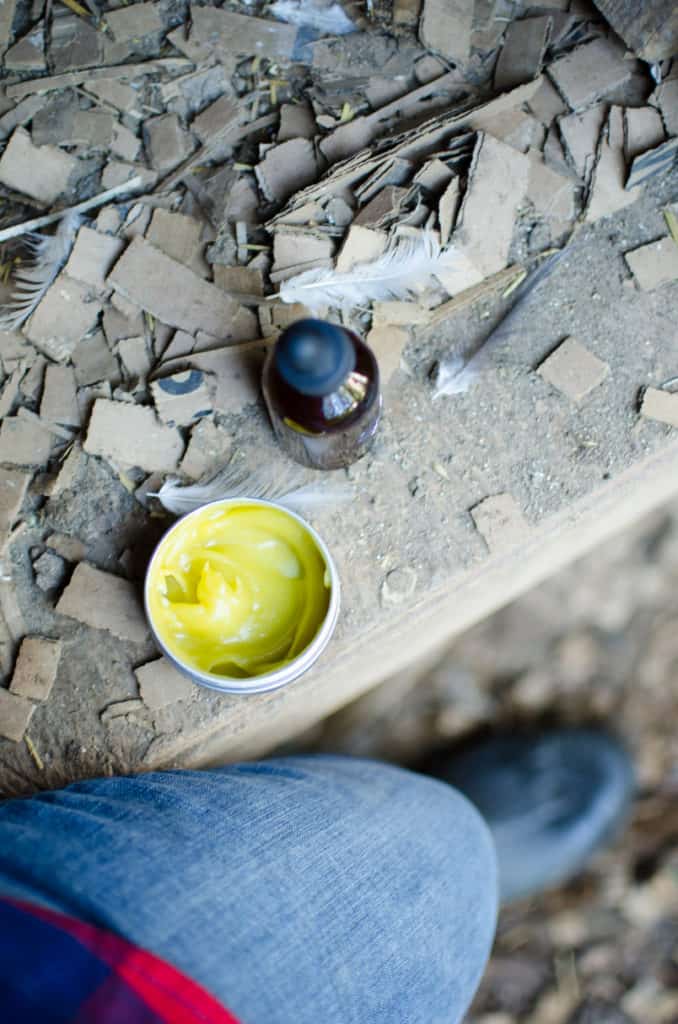
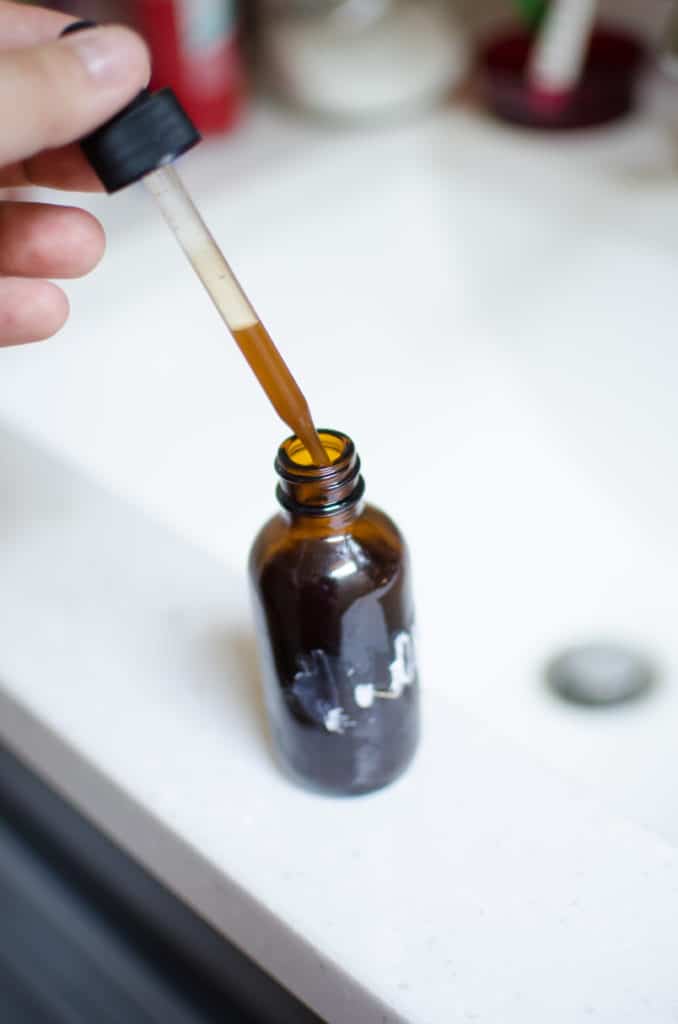
  4. Strain the tincture and place the strained liquid in an amber colored glass eyedropper bottle. Store in a cabinet or pantry indoors until ready to use.

How to Use a Tincture

Now that you know how to make a tincture, you’ll need to know how to properly use the tincture.

  • Prepare the proper dosage per weight (see below)
  • Use tinctures when an issue arises or as a preventative once a week, once every 2 weeks, or once a month
  • Give tincture directly to animals orally, or place in waterers or feed

Tincture Dosage for Livestock

1 eye dropper (30 drops) per 150 lbs  •  50-75 lbs (15 drops)  •  25-45 lbs (10 drops)

Make dosage according to weight ratio off of 150 lbs  for 25 lbs or less
 

Making Your Homemade Anti-Parasitic Tincture

Now that you know the basics, it’s time to make your tincture! Follow the recipe and instructions below, and make this before you need it!

Internal Parasite Tincture

.5 oz clove, ground
.5 oz black walnut hulls, ground (or powdered)
1 oz thyme
1 oz stinging nettle
1 oz grapefruit seed (optional)
2 garlic cloves, smashed
16 oz 80 proof vodka

Method:

  1. Pre-measure all herbs and vodka. If omitting the grapefruit seed, reduce vodka by 1 oz.
  2. In a large glass jar, add all herbs. Cover the herbs with the entire 16 oz of vodka. Make sure the herbs are submerged. If it helps, you can crush the herbs a bit before doing this step.
  3. Shake your tincture liberally and then set it in a cool pantry or cupboard, away from extreme temperature changes and direct sunlight. Shake your tincture each day (multiple times, if you want) for 4 weeks.
  4. After 4–6 weeks, strain your tincture from the jar. Pour your strained tincture into a colored glass eye dropper bottle, label, and store in a cool place until ready to use.
  5. Use 1 eye-dropperful in waterer or administer 2 drops by mouth (or dosage from dosing guide).
  6. Use tincture as a preventative once a month by mouth or in waterer, according to your own schedule. If parasites arise, use once every four to eight hours for 2–3 weeks.

Note: If you’d like to add pumpkin seed to this tincture (because they are naturally anti-parasitic), add 1 oz of pumpkin seed and 1 extra oz of vodka.

SAFETY  NOTE: Black Walnut Hull in high dosages can be toxic to horses. Please consult a vet or use in small increments when needed.


Worms and parasites are the number one killer of livestock. Prevent and treat with this herbal homemade anti-parasitic tincture for livestock

By: Amy K. Fewell · In: chickens, ducks, Featured, herbs, homesteading, recipes · Tagged: Amy K. Fewell, herbs, livestock herbs, medicinal herbs, preserving herbs, The Homesteader's Herbal Companion, The Homesteader's Natural Chicken Keeping Handbook

you’ll also love

Client Case Study: Kidney & Liver Levels Balanced
Client Case Study: Seasonal Allergies Eliminated with Gut Healing
The Science of Herbs and How They Work

Reader Interactions

Comments

  1. Sue D says

    July 30, 2018 at 2:31 pm

    Thank you for this tincture recipe. I plan on making this.

    • Amanda says

      June 26, 2022 at 2:12 pm

      This looks amazing!
      Is this safe for goats?
      Is it safe for humans?
      Last question, do you add the garlic in with the herbs in the vodka at the same time?

      Thanks so much!! 😍

  2. Marqueta Graham says

    February 19, 2019 at 1:59 am

    I am glad to discover your site! I am a fellow herbalist living on a homestead, and came looking for natural treatment for bumblefoot. I will be ordering your chicken book soon!

    Love, Marqueta Graham

  3. amber says

    April 4, 2019 at 5:07 pm

    hi there can i use this remdy on my ducks and rabbits and quail

    • amyfewell says

      April 29, 2019 at 6:50 pm

      yes, you can!

  4. Rebekah Fechner says

    December 31, 2019 at 5:31 pm

    This is really helpful information! Thank you for providing this recipe for free. I am wondering though, how to dose a flock of around 100 chickens who are free-ranging. I am not sure if it is feasible.

    • amyfewell says

      January 8, 2020 at 7:10 pm

      You can put a dropperful of the tincture into a gallon waterer to treat the whole flock 🙂

  5. aimee says

    February 26, 2020 at 2:22 pm

    is this safe to use on dogs and cats?

    • amyfewell says

      March 4, 2020 at 8:12 pm

      yep!

  6. Mara says

    July 16, 2020 at 12:36 am

    Can I use it (humans)? Thanks!

    • amyfewell says

      July 19, 2020 at 11:58 pm

      you can!

  7. Joanna Gonzalez says

    July 23, 2020 at 11:15 pm

    I have six chickens, I know for sure one of them has roundworms. If I put one dropper full in a 1 gallon water or, how many days do I need to treat?

    • amyfewell says

      July 26, 2020 at 2:47 am

      Id treat for 2 weeks

  8. Rachael Seim says

    September 23, 2020 at 1:27 am

    I love your herbal companion book. I’ve used multiple recipes already and many of my buyers are very pleased with the products.

    I have a question for this tincture. In the book it doesn’t specify the weight under 25lb. For poultry specifically. If I use a 5 gallon waterer, what should my tincture dosage be?? Thank you soo much. I am also making the deworming one. Would I be able to add the ginger root to this recipe and call it good for parasites and worms? I will be omitting the Oregon grape and maybe adding goldenseal?

    Thank you for all the great advice!

    Can people use thi accordingly?

    • amyfewell says

      September 24, 2020 at 11:12 am

      General rule of thumb is 1 dropperful per 1-gallon waterer. So I’d just go by that. You can add ginger root if you’d like! And yes, people can use it too!

  9. Rachel says

    January 16, 2021 at 7:28 pm

    Thank you for the recipe …. made today!

    i have used dried wormwood instead of thyme. Would you have any concerns about using wormwood ?

  10. Chanda says

    July 16, 2021 at 1:25 pm

    Would you follow the same dosing for humans?

  11. Meredith says

    July 20, 2021 at 7:24 pm

    Could the grapefruit seed in your recipe be the extract and not the actual seed? I have been searching for how to buy the seeds, but can’t find any seeds just extract. Thank you for sharing your recipe and your wonderful farm experience!

    • Amy K. Fewell says

      July 21, 2021 at 2:59 am

      You can use grapefruit see extract

  12. Shannon Daughtry says

    May 26, 2022 at 2:02 am

    Has anyone successfully treated a roundworm infestation with this? Context: I have 4 chickens that are supplemented with 100% organic soy/corn free layer feed (new country organics) + free range on 1/2 acre daily. I noticed that some started having dirty vents and seems they have lost some weight and then saw roundworms in one dropping. I want to make sure that this remedy has been tested as more than a preventative and will extually rid them of what is likely an infestation. Would you recommend 1 drop each for 2 weeks? How will I know it has worked? I’m a chicken newbie but trying my best to give them a health happy life while gladly accepting their daily egg offerings 🙂 Thank you for all of the carefully curated information you provide!

  13. Kerry says

    July 24, 2023 at 11:40 am

    Are you using stinging nettle leaves, seeds or root in this recipe?

Next Post >

Naturally Keeping Chickens Cool | They Don’t Need Your Help (with Video)

Primary Sidebar

meet amy

meet amy
hello!

I'm Amy. I love organic food but I love Oreo's. I love Jesus and His grace. I believe broken people make the biggest impact in the world when they share their stories. I believe in stories, and I'm sharing mine.

Read More

Connect

Search

join the tribe!

Ads & Sponsors

200x400

Advertise

Follow Along

@amy.fewell

If you’re trying to grow a garden while raising ba If you’re trying to grow a garden while raising babies, chasing toddlers, homeschooling, cooking meals, and keeping a home—you don’t need perfection. You need rhythms that work with your season of life.

Here are a few simple things that make gardening with little ones so much easier:

• Work the garden in the early morning or evening when the heat and sun are lower. It’s easier on your body, your plants, and your children.

• Harvest herbs and vegetables in the morning when they are most hydrated and nutrient dense. The flavor, oils, and freshness are often at their peak before the heat of the day sets in.

• Keep a kiddie pool, shaded tent, or simple play area near the garden so little ones can stay close, play safely, and still be part of what you’re building.

This is the beauty of homestead life. Children don’t always have to be separated from the work—they can grow alongside it.

The garden doesn’t just feed your family.
It disciples them too.
Three weeks ago during our Friday night fellowship Three weeks ago during our Friday night fellowship, a consistent topic or word would come forth out of the individuals sitting around the table. As I sat and listened to each one so deeply, yet differently sharing, I realized that on this night, we were all mostly saying the same thing. This is often how Jesus will work through a group of believers—bringing each one together to share in unity. But differently. 

I immediately recalled Psalm 126–especially the part about weeping. How we sow with our tears but we reap in joy. How those who continually go forth weeping bear seed for sowing. 

Our genuine cries do something—they produce, and they sow. It is where we can feel the burden of another. When one cries, it is contagious. But really it is the mercy of God that we feel upon us. 

There is not a fellowship night that goes by anymore without someone, or multiple people now, crying. We’ve learned to embrace it. Why? Because we reap a harvest and bring our sheaves with us as we rejoice. 

Each tear is a seed that sows deeply into one another. Into others. Into ourselves. Our tears have a genuineness that many things do not have. And when they are genuine, they produce great fruit.

Ever since that night, I continue to see this scripture being spoken over and over again from leader after leader. Post after post. 

The Lord is stirring. He is doing something in His bride. He is calling back the captives, the dreamers, the singers. “Once again,” He says. With tears and weeping we sow, and with tears and weeping we harvest—rejoicing joyfully.
If you follow people online, you often call them a If you follow people online, you often call them an “influencer”. Let me be the one to tell you that most of us in the sphere that I am in do not consider ourselves “influencers”. Some may consider themselves teachers, leaders, ministers, and more, but the term influencer has never been something we’ve enjoyed. 

The reality is this—we found ourselves in the middle of a crossroad on our timeline where someone needed to pick up a mic and speak truth in the midst of chaos. Most of us have no interest in being online at all. We wouldn’t be sad if the internet disappeared tomorrow. But we were handed that microphone, influence, and anointing to go along with it.

Don’t be fooled—it’s not because of algorithms and marketing plans. If you are succeeding in this online world or your physical sphere of influence for Jesus, it’s because you were given the open door to do so. It’s not about you. It’s about what God knows He can entrust to you for His will and kingdom. 

Some people chase after people, trends, validation, recognition, and the spotlight. But can I tell you what comes along with those things? Hatred, bullying, misunderstanding, monitoring people and spirits, people lying about you, persecution—and if you’ve really made it, threats on your life and persecution.

You see, people want the influence. People want to be close to a Kingdom influencer. But if you aren’t ready to roll with the good AND bad, then you’re not ready. 

Jesus was the OG influencer, and He was spit on, lied about, and killed for His influence. Follower of Jesus—you are told to prepare for the same thing in the world. No matter your influence level.

A time is coming in America where influence online won’t matter anymore, yet the outcome will remain the same. The time to prepare for that is now—spiritually and emotionally. 

But take heart, dear one. He has overcome the world. I speak to believers and leaders everyday who are truly influencing to make a difference—some online, some never touching a screen. 

Jesus is building His church stone by stone. Some of us have mics, some of us will never be broadly known to man. Yet the struggle is still the same. Pray for us.
This morning I made a Mother’s Day tea—this one is This morning I made a Mother’s Day tea—this one is for you, ladies! 

My hormones have been all over the place as I inch closer to 40 and begin to slowly wean our little one. I’ve been snappy and know I need more nourishment. My skin has been out of sorts and, moral of the story, my body needs help. This tea is great for anyone—but it is especially healing for women. 

The jar made in the reel is a concentrate (I used lots of herbs), meaning, I add about 1 cup or more (whatever you’d like) of this liquid concentrate to my pint/quart jar and fill the rest with ice and cold water. But the “amounts” would stay the same in “parts”. 

If I were to add one more thing to this tea, it would be lemon balm. It is also very calming and aromatic. But since lemon balm is growing fresh right now, I add a sprig of it to each glass made with this herbal concentrate when I pour. 

This blend is fabulously cooling, nourishing to the body, and especially beneficial to women of all ages. 

You can add raw honey to sweeten this tea, and it is divine. 

🌺 Hibiscus flower (Hibiscus sabdariffa)
An incredible antioxidant which helps support the immune system, reduces oxidative stress, and supports your health at the cellular level. It may also help with cholesterol and cardiovascular health. This is a wonderful cooling herb for summer time, peri- and regular menopause. (Use sparingly while pregnant).

🌼Chamomile
Most noted for its ability to calm, relax, and cool. It is an efficient gentle anti-inflammatory and works well for the gastrointestinal tract. It is a gentle nervine, making it ideal for the central nervous system.

🌿 Stinging Nettle
An extremely nourishing herb, it is rich in iron, magnesium, calcium, proteins, and so many minerals. Nettle is anti-inflammatory and anti-allergenic. Nettle will help build strength in your body, and nourish it to its core—every system in the body is nourished by it. It is a natural antihistamine, mast cell stabilizer, and tonic.

🍃Red Raspberry Leaf
Rich in minerals and manganese. It works effectively in supporting and toning the reproductive system. It is also great for use as an antacid, hormones, heart and eye h
Never give up. Never give up.

Footer

Learn More

Chickens
Homemaking
Herbs
Recipes
Devotionals

Info

About
Contact
Privacy Policy
Shop

stay in the know

Copyright © 2026 · Theme by 17th Avenue