
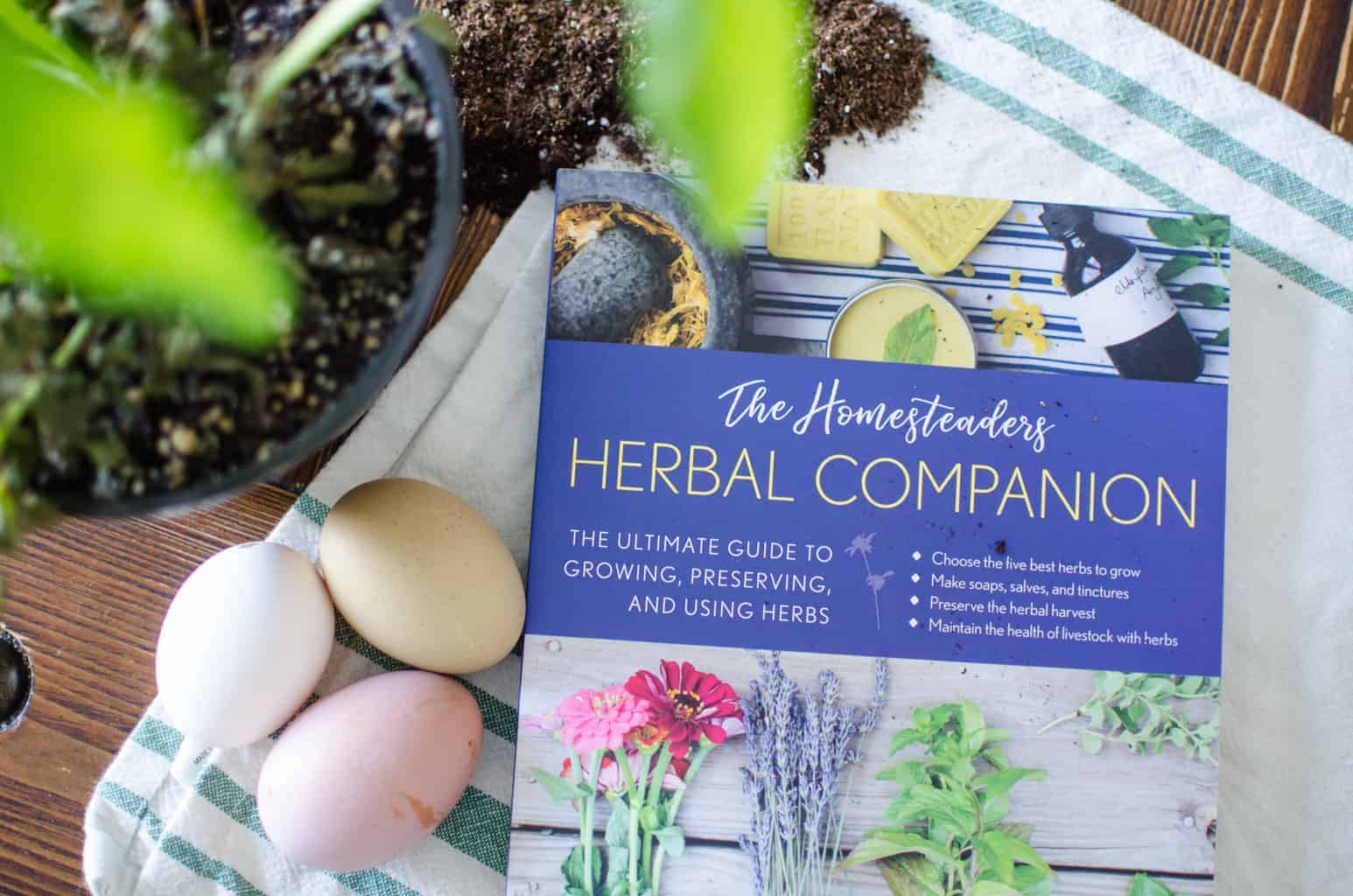
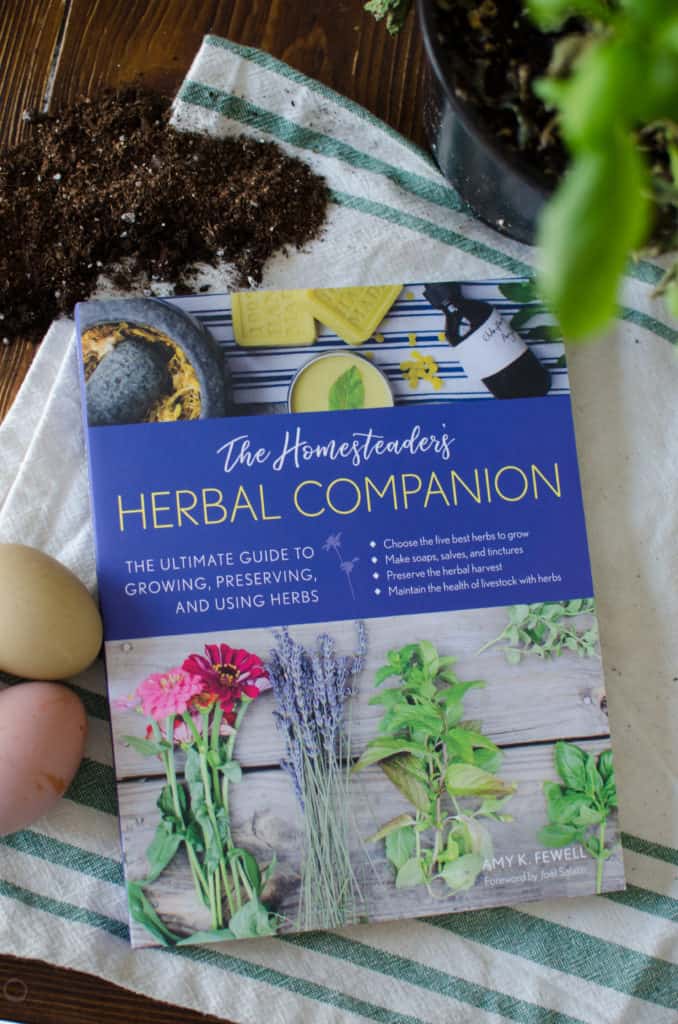
When I first started this herbal journey, I never thought I’d write a book about it—The Homesteader’s Herbal Companion. In fact, I still sit back and wonder how on earth I accomplished it. I am a constant learner, therefore feeling like I’m never an expert in much of anything. But after reading through the manuscript of my book months back, before I submitted it, I realized just how much herbal knowledge I really had soaked up over the years.
Let’s rewind to February 2017.
At the beginning of 2017, I felt the urge to write a book. I had about five different books inside of me, all about majorly different things. A homestead friend of mine offered contact information to a Christian booking agency, and the journey began. I sent in my book ideas for my Christian living books, but I had other books rolling around inside as well—homesteading books.
I never did sign a contract with the Christian booking agency, but I haven’t completely tossed them to the side either. I still have those books inside of me, and one day, I know they’ll get written.
However, I did pitch my herb book to several homestead publishers. The first publisher I pitched to loved the book idea, and even offered me a contract. Unfortunately, we just didn’t click, and they weren’t really in a financial place where I wanted to be with my contract. I sulked about it a bit, but then moved on. Months later, two other publishers contacted me interested in the book—Storey Publishing and Lyons Press.
Now, you’d think, of course she went with Storey. But you know, I didn’t. Insert giant gasp here.
I chose Lyons Press, and I’m so happy that I did.
We signed the contract the end of June (you can read the announcement here), and we had to get the ball rolling quickly. I had until September 1st to submit my 75,000 word manuscript and over 200 photos. Talk about a crunch. But this process taught me so much about myself as a person, as a writer, and the fact that good things can happen with little time.
I have to give a gigantic shout out to my editor, Holly Rubino. I don’t think she realizes what a blessing her work really is for the authors that she works with. When I received the edited manuscript back, I’ll admit, I was like, whoa hey, that’s a lot of edits, yo. But as I went through each and every one of them, I grew as a writer. Now, writing my second book, writing blog posts, putting together text for marketing—I do it better and more efficiently, and it’s all because of Holly. Of course, she’s most likely reading through this post right now and thinking to herself, that’s a run-on sentence, fix that structure!
I’m tired, Holly. Give me a break on this one, ha! Love ya!
I also have to thank Lyons Press, not only for the opportunity to write this book, but for believing in me so much that they’re allowing me to write a second book. More on that in the coming months!
Now, let’s get on to the book and more thanks and praise!
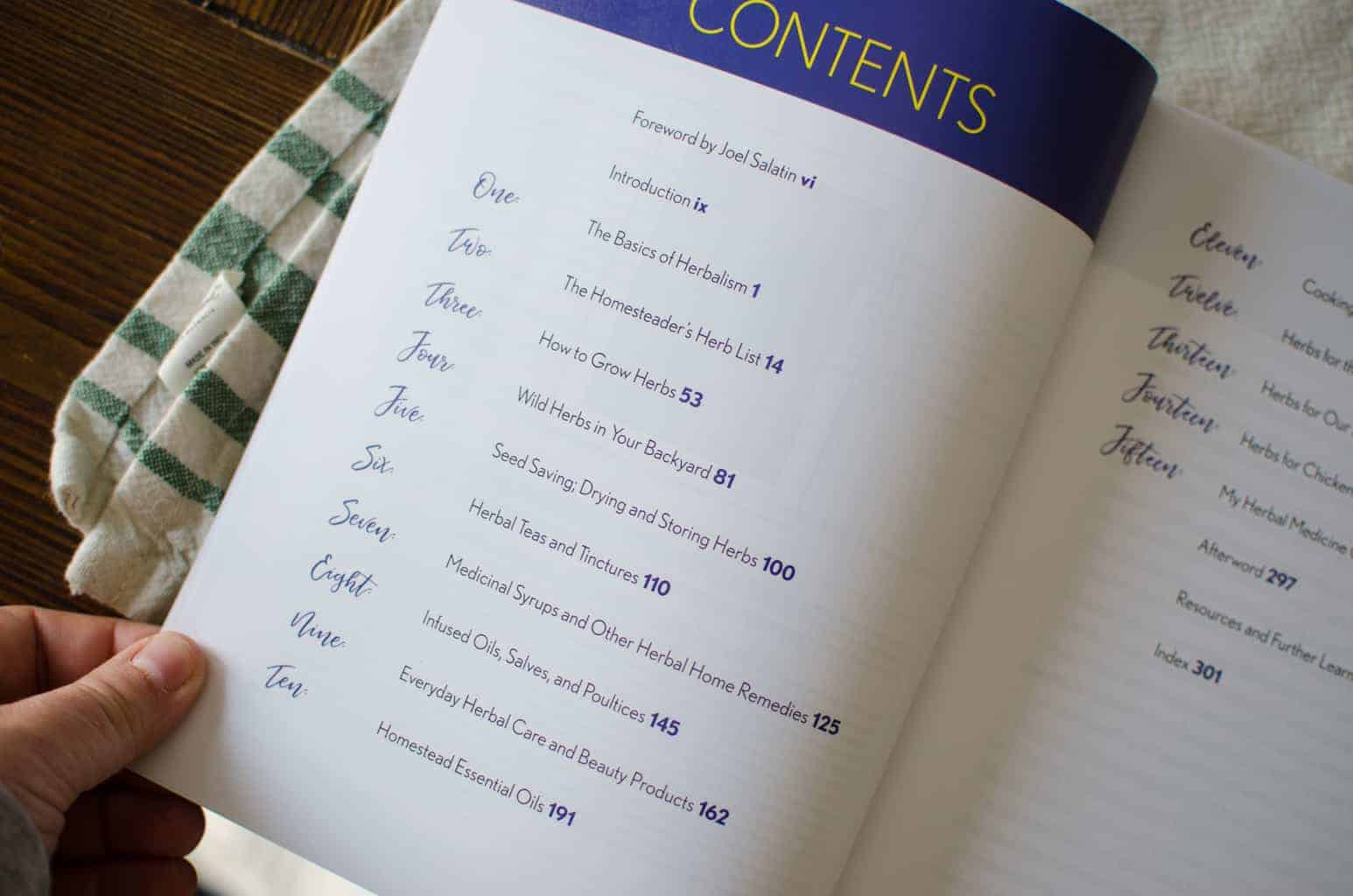
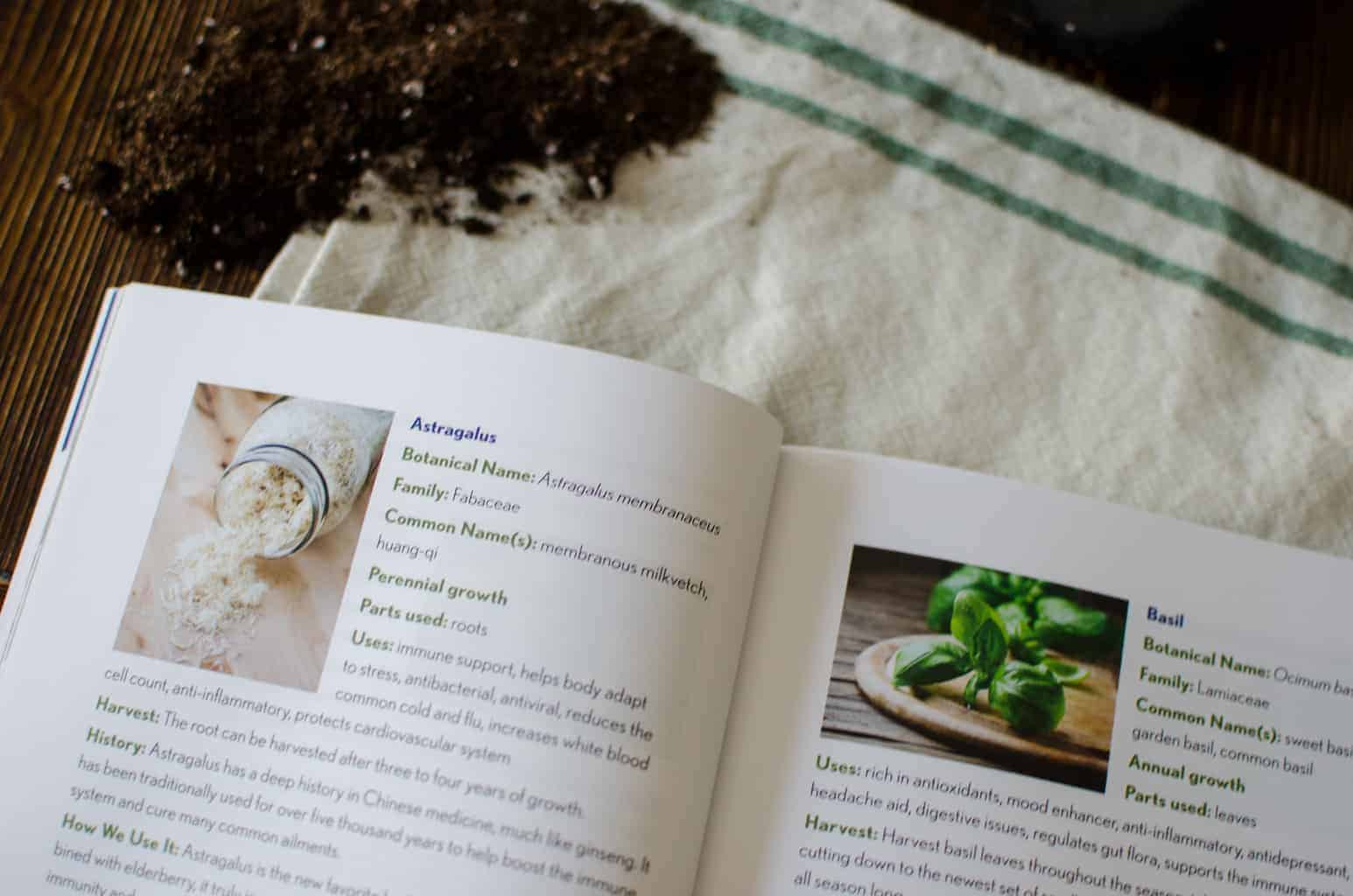
The Homesteader’s Herbal Companion is an in-depth book about growing, harvesting, preserving, and using herbs. From homemade potting mix, to putting those herbs to use in salves and on top of a roasted chicken. This book is the book I wish I would’ve had when I first started my herbal journey.
I had such a hard time trying to learn about herbs when I first got started on this herbalism adventure. I think I have at least fifteen books that are my “favorites”, but none that really “have it all” in there. I wanted to read a comprehensive book, without a lot of fluff, that I could reference back to frequently.
If we’re being honest, I didn’t just write this book for others like me, I wrote this book for me. With everything I have going on in life, I needed something I could reference to quickly. It’s hard to keep “all the things” stored in your brain! Your mind can only handle so much. If you don’t do or use something on a regular basis, you’ll soon forget it. And because we aren’t sick all of the time, I don’t necessarily always remember which herbs I might need should a need arise.
This is the book that is going to help me, and you, remember it all.
I tried to make this book not only educational, but inspirational. With several of our own stories sprinkled throughout the pages, I wanted to connect with you, the reader, on a raw and real life level. And I hope that I conveyed that well. I wanted to show you some of our own experiences, which is why I listed all of the herbs we use frequently, and then show you the history of the herb and how we use it here in our home and on our homestead.
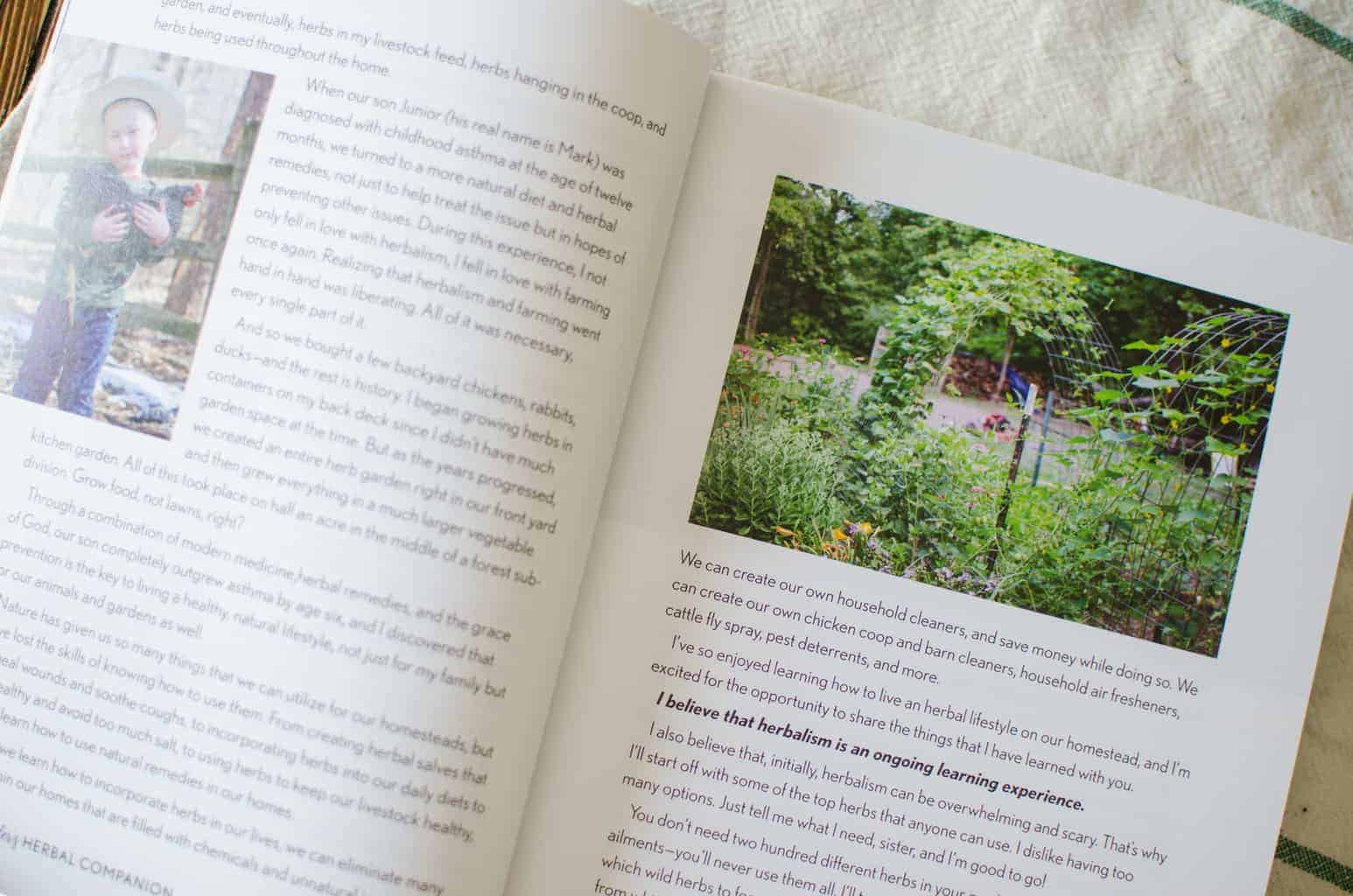
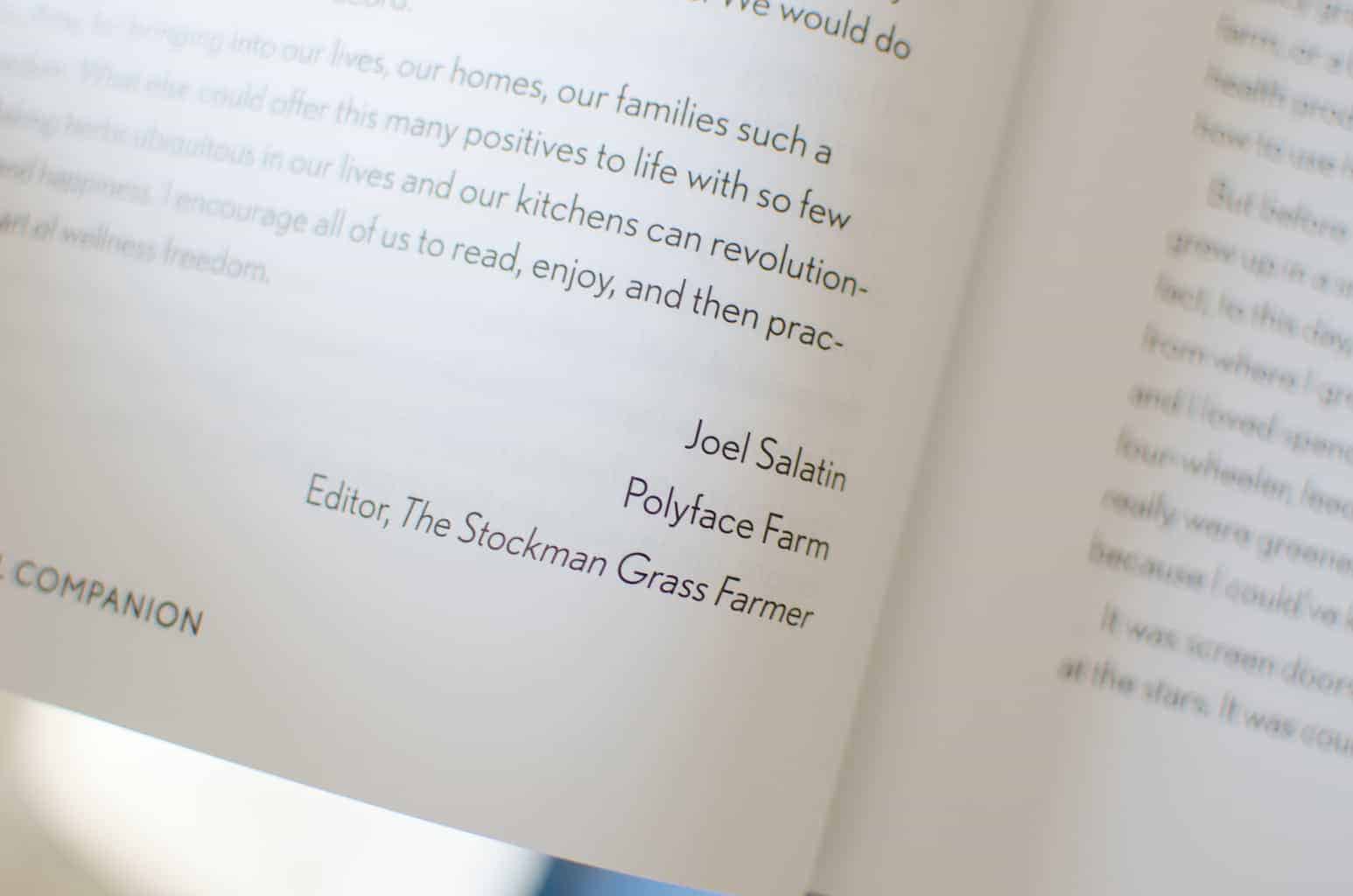
One of the most exciting parts of the book, for me, was the foreword. It was an honor to connect with Joel Salatin of Polyface Farms, here in Virginia, back in 2016 while planning the 2017 Homesteaders of America conference. When he said he would love to write the foreword for my book, I about fell out of my chair. As a fellow author, I respected his enthusiasm, and I couldn’t wait to read the foreword. When I received it, I smiled the biggest smile ever. Joel got it. He gets the revolution of herbalism in the home and on the homestead—the freedom that comes with it.
Here’s an excerpt from his foreword:
I am not an herbalist, but I guarantee you I’ve become a fan, a disciple, of this kind of gentle, do-it-yourself healing. And I have a deep appreciation for the knowledge that herbalists bring to discussions about what ails us. The overriding word that kept coming to my mind as I read Amy’s manuscript was freedom. The whole homesteader and DIY movement screams freedom.
Freedom from the pharmaceutical companies. Freedom from the medical insurance malaise. Freedom from emergency rooms and hospitals (not completely, of course, but for many of the issues all of us face). The sheer magnitude of being freed up from these costly and debilitating conventions is enormous, and something that should attract every single person, whether you can have your own personal herb garden or not.
The Homesteader’s Herbal Companion is both comprehensive and enjoyable. Amy skates perfectly down the middle between science and art; what a joy to have a book like this as a resource for both beginners and old hands. If you’ve never ventured into the world of herbs, you’ll find this book drawing you in and before you know it, I’m sure you’ll be dipping your toe in this exciting pool of wisdom. The historical contexts are an enjoyable read by themselves.
From culinary to medicinal, from seat-of-the-pants to technical, and from homestead to urban condominium, this book offers solutions that can free you from enslavement to debilitating orthodoxy. Amy captures a wisdom that predates modern pharmacology by eons. We would do well to heed history’s successful track record. [Joel Salatin, The Homesteader’s Herbal Companion, foreword]
Thank you, Joel, for “getting it”, and sharing this herbal knowledge with others!

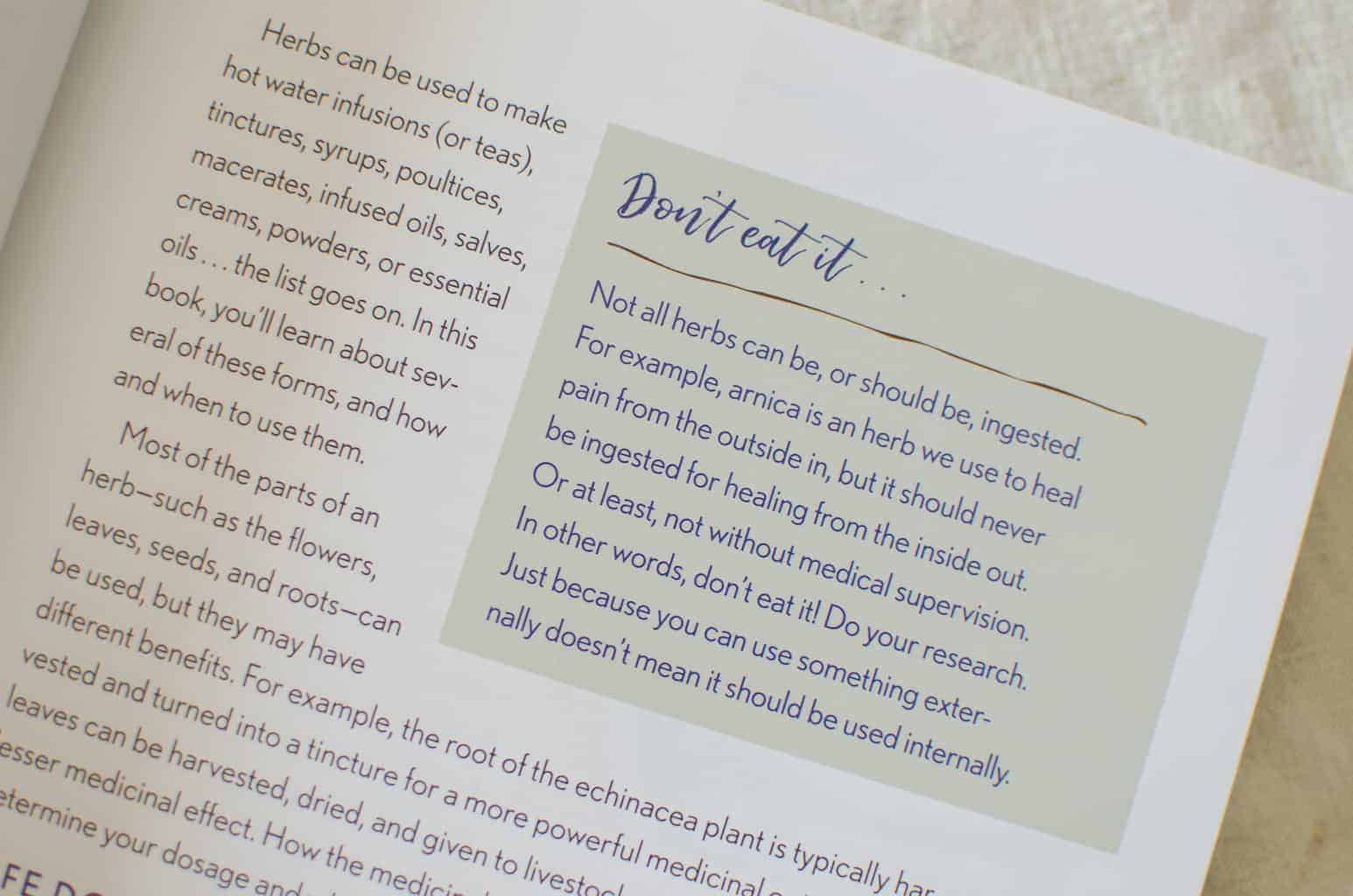
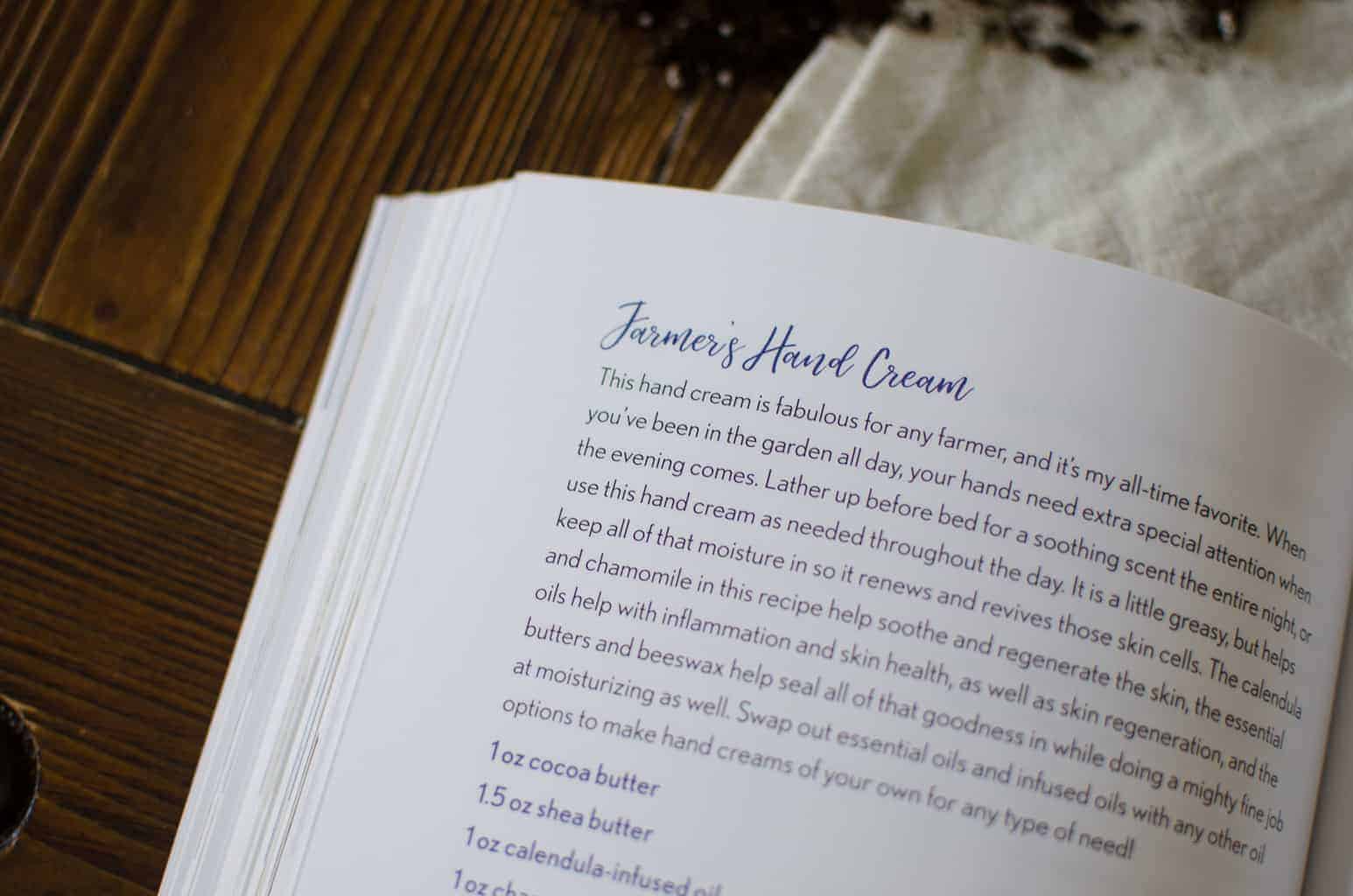
Throughout the book, some of the most important points or tips are highlighted. For example, not eating certain herbs because they could cause major issues or are poisonous. Or tips like a sample herb garden for the beginner. The easy to read terminology and navigation can be used by just about anyone!
In this book you’ll:
- Learn how to choose the top 5 herbs for your own herb garden
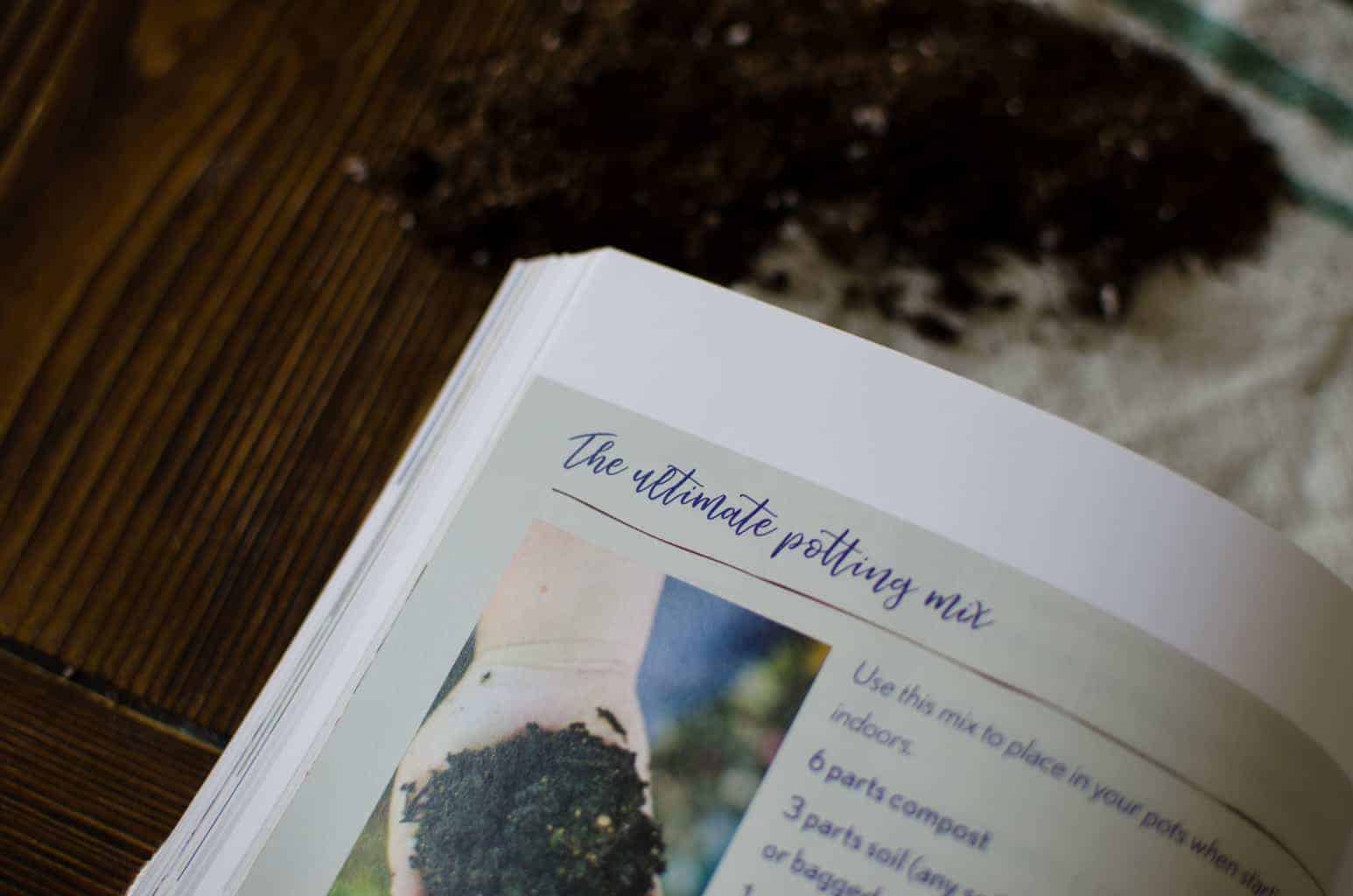
- Learn how to amend your soil to grow healthy and strong herbs
- Discover the best way to grow herbs in your zone from seed to maturity
- Learn how to harvest, dry, and store your herbs
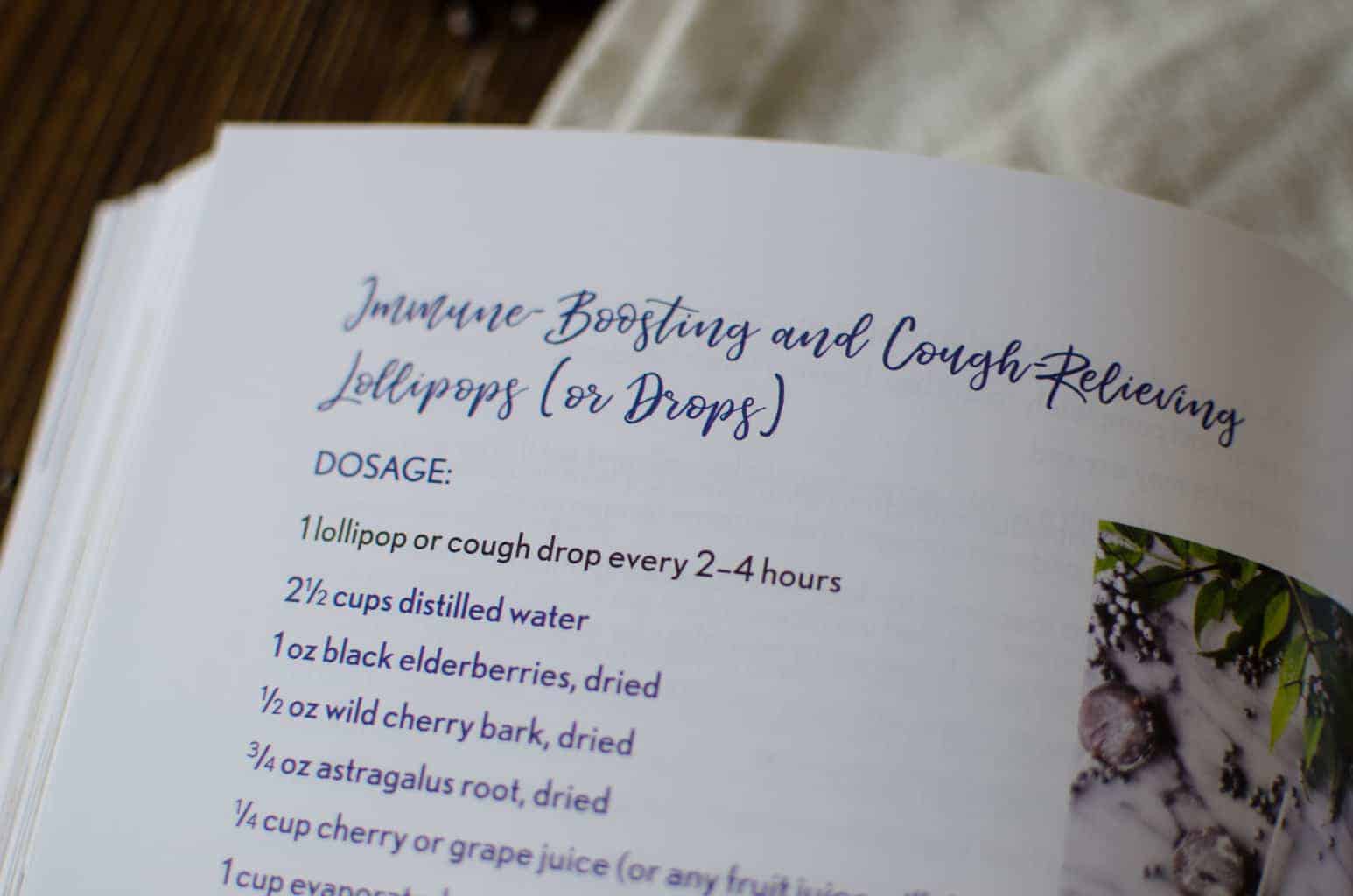
- Create salves, ointments, tinctures, syrups, soaps, lotions, body care products, and more
- Learn which herbs work well with which meats (chicken, venison, beef, etc.)
- Create farmhouse style delicious meals with your herb harvest
- Learn the history of herbs and how I use them around the home and homestead
- Learn how to use basic herbalism techniques with your pets and livestock
- Create pet and livestock salves, tinctures, and syrups for common ailments
- Learn how to make household cleaners and ditch the chemical ones
- See what’s in my own medicine cabinet, the tools I use, and so much more!


Endorsements from Amazing People
“Finally! A herbal handbook for homesteaders, written by a homesteader! Amy is the real-deal and knows this topic inside and out. This is the book I could have used years ago, and I’m thrilled to have it now.” —Jill Winger, blogger at www.theprairiehomestead.com
“This book belongs in every home, whether a hundred-acre farm or an apartment in Manhattan. It’s a must-have for anyone wanting to live a more healthy and natural life.” —Stacy Lyn Harris, co-host of “The Sporting Chef” and “Rural Heritage”, author of Tracking the Outdoors In and Stacy Lyn’s Harvest Cookbook, and founder of www.gameandgarden.com
“. . . a valuable resource for the beginner and the novice who wish to seek natural remedies.” —Doug and Stacy Colbert, Off Grid with Doug and Stacy
“Herbalism can be confusing and overwhelming, but Amy gently guides you on the best herbs to plant and how to make salves, tinctures, and syrups for you and your family. The Homesteader’s Herbal Companion also shows you how to help your livestock, not just with herbs but with essential oils. My only regret? Not having an herbal companion like this when we first started our homesteading journey.” —Ann Accetta-Scott, blogger at www.afarmgirlinthemaking.com
“The Homesteader’s Herbal Companion makes learning herbs and their uses more straight forward than any other book in my library. This book leads you down the beautiful garden path of herbal goodness. Amy guides you in the use of the herbs for medicines, herbs for cooking, and which herbs are appropriate for our children, pets, and barnyard friends. The simple-to-concoct recipes section is my favorite. Amy has written a true herbal companion guide that I plan to keep on my kitchen counter for years to come.” —Janet Garman, Timber Creek Farm
“Amy makes herbalism not only easy to understand, but also inspiringly charming. Easy methods, dosages, and instructions make herbalism doable, even for the average person.” —Shaye Elliott, author of Welcome to the Farm and Family Table and blogger at www.theelliotthomestead.com
“The Homesteader’s Herbal Companion makes using herbs even more achievable! Filled with inspiring recipes and photographs, Amy presents the harmonious relationship between our homesteads and the herbs we can grow on them!” —Quinn Veon, blogger at www.reformationacres.com
A Basket-Full of Thank You’s
There are a lot of people I need to thank for making this book even happen. First of all, some of the recipes in this book aren’t mine, or have been adapted from recipes from some of the most amazing homesteader’s I know.
Check out the soap recipes from Jan over at The Nerdy Farm Wife, or the lotion recipe from Quinn over at Reformation Acres. These two women are so incredibly talented with their herbal creations! They are also both amazingly talented authors.
There were also several photos throughout the book that weren’t taken by me, but were instead sent in from bloggers like A Farm Girl in the Making, Nitty Gritty Life, Lady Farmer, Homespun Seasonal Living, Grow Forage Cook Ferment, Common Sense Home, Learning and Yearning . . . and more!
To those of you who took the time out of your busy schedules to endorse and review the book, you rock my socks. Thank you so much for your sacrifice of time and self!
And extremely big basket-full of thank you’s to The Vintage Remedies Learning Center, who I continue to further my herbal education through. I couldn’t have (and wouldn’t have) written this book without taking their herbalist courses.
And to my friends and family who cheered me on, encouraged me when I was tired, and became my resting place when I needed to “let go” . . . you’re the real heros. A girl without friends and family is doomed for failure. I’m thankful to have some of the most amazing people in my life—and I never want to do life without them!
I hope that you enjoy this book as much as I enjoyed writing it.
I hope this book inspires you to take control of your everyday healthcare.
I hope that this book encourages you to confidently step forward into nature and herbalism.
And more than anything, I hope that this book starts a revolution through encouragement, inspiration, and entertainment. Because the reality is this—we’re taking back our food system and taking control of or own food. Isn’t it about time we take control of our health, too?
Until next time . . .
Get Your Copy of The Homesteader’s Herbal Companion here.


I just signed up for your emails and also just ordered your herbal book. I cannot wait to receive them. I have watched a few of your vlogs and will continue to do so. Thank you so much for doing a lot of the hard work that we are looking for. I’m just starting my herb growing, but have been buying and using herbal remedies for years. I have asthma and an autoimmune disorder, but have gotten off all of my big pharma drugs since using herbal remedies and natural products for cleaning and health. Thanks again.
I was all on board and excited to get this book until I saw the Arnica warning, and it got me questioning the actual accuracy in this book?! Have you really never seen and/or used Arnica tablets or pellets for pain? It works amazingly and is so safe. I’m not sure where you got the info to tell people it’s not safe to ingest at all…
This is a beginners book, and often times arnica is toxic to people even in regular doses. The arnica tablets you’re referring to are often homeopathic tablets that have been reduced in potency. It may have been better worded to “research how to create a safe arnica tincture” instead of do not ingest at all. But because it is a beginner’s book, it was easiest for the publisher.