



• Home
  • Membership
  • Shop
  • Cart
  • Our Farm
  • Gut Health
  • Herbal Practice
  • Buy Trusted Supplements
  • Nav Social Icons

  • Skip to primary navigation
  • Skip to main content
  • Skip to primary sidebar
  • Skip to footer
  • Home
  • Blog
  • About Me
  • Our Farm
  • Gut Health
  • HH Membership
  • My Books
  • Youtube
  • Podcast
  • Homesteading
  • Chickens
  • Herbs
  • Family
  • Farmhouse
  • Homemaking
  • Recipes
  • Sourdough
  • Contact Me
  • Herbal Practice
  • Buy Trusted Supplements
  • Mobile Menu Widgets

    Search

    Connect

Amy K Fewell | Homesteading for the Kingdom

Amy K Fewell | Homesteading for the Kingdom

  • Start Here
    • About Me
    • My Books
    • Podcast
    • Youtube
    • Gut Health
  • Blog
    • herbs
    • Bees
    • chickens
    • rabbits
    • Farmhouse
    • gardening
    • devotional
    • homemaking
    • sourdough
    • recipes
  • Courses & Books
    • HH Membership
    • My Books
  • herbs
  • Podcast
  • Contact Me

Naturally Treating Frostbite in Chickens

November 27, 2018 · In: chickens, Featured, herbs

Natural Chicken Frostbite Treatment

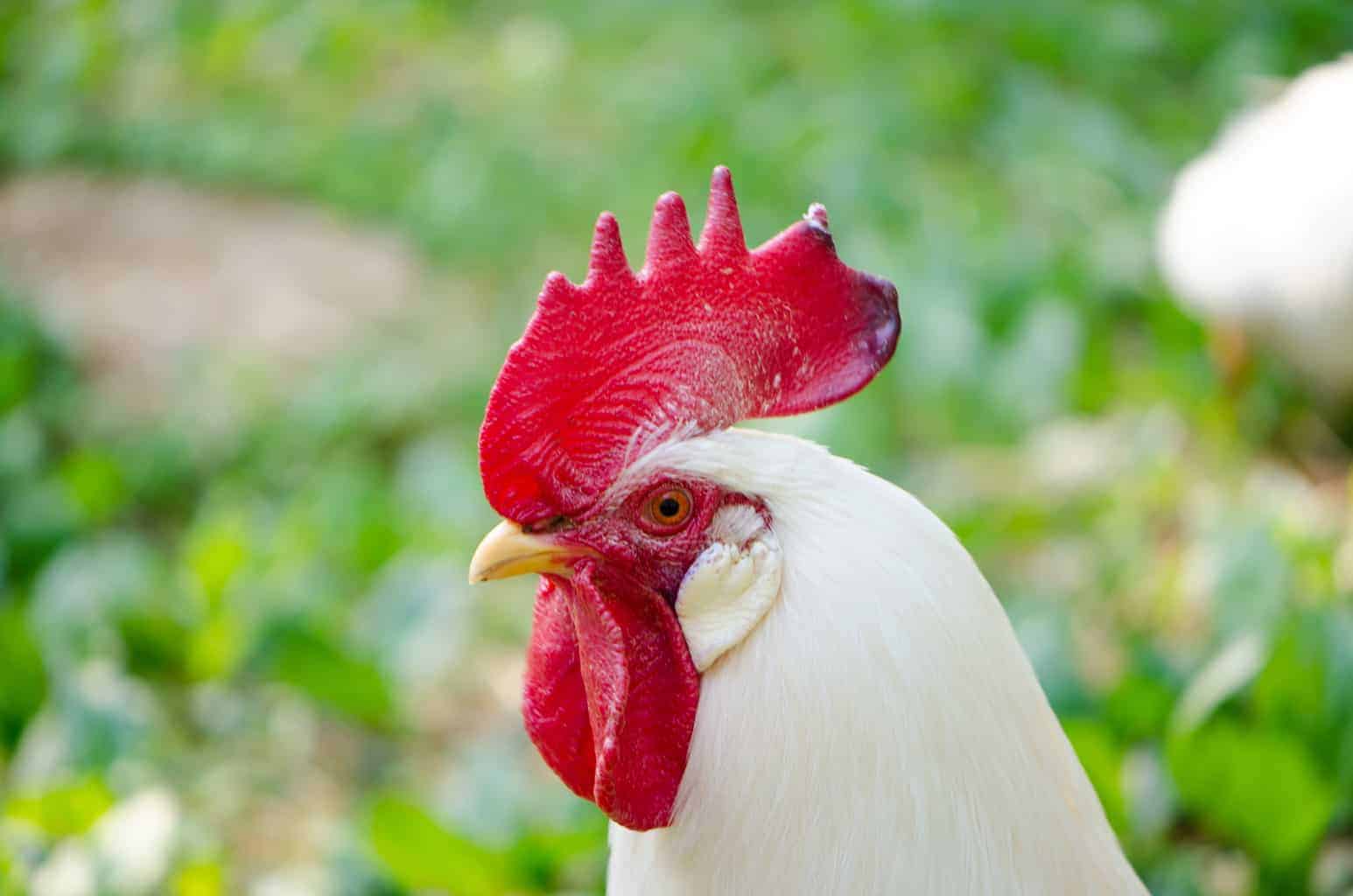
Frostbite is an extremely common issue when it comes to winter time issues with your chicken flock. Your chickens might suffer from frostbite on their combs and wattles, while your neighbor’s chickens never get frostbite—why is that? It comes down to science and method, really. But no matter what you do, you should always know about naturally preventing and treating frostbite in chickens. It could happen to anyone at anytime no matter how much prevention. Let’s go over frostbite, some ways to prevent it, and how you can easily treat it by keeping a simple salve on hand.
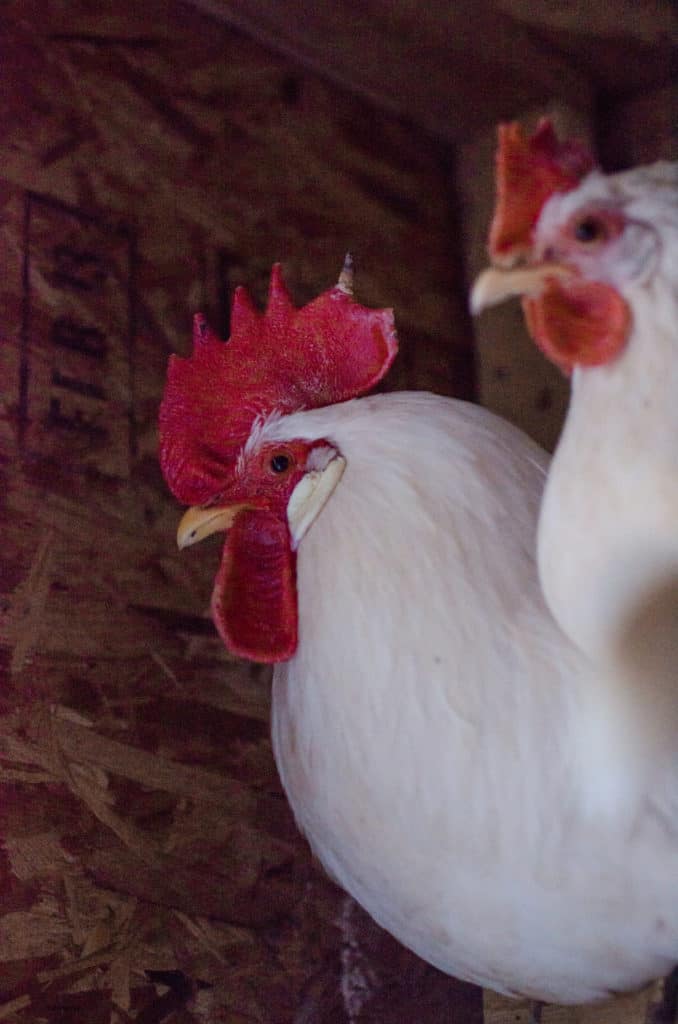
What is Frostbite?

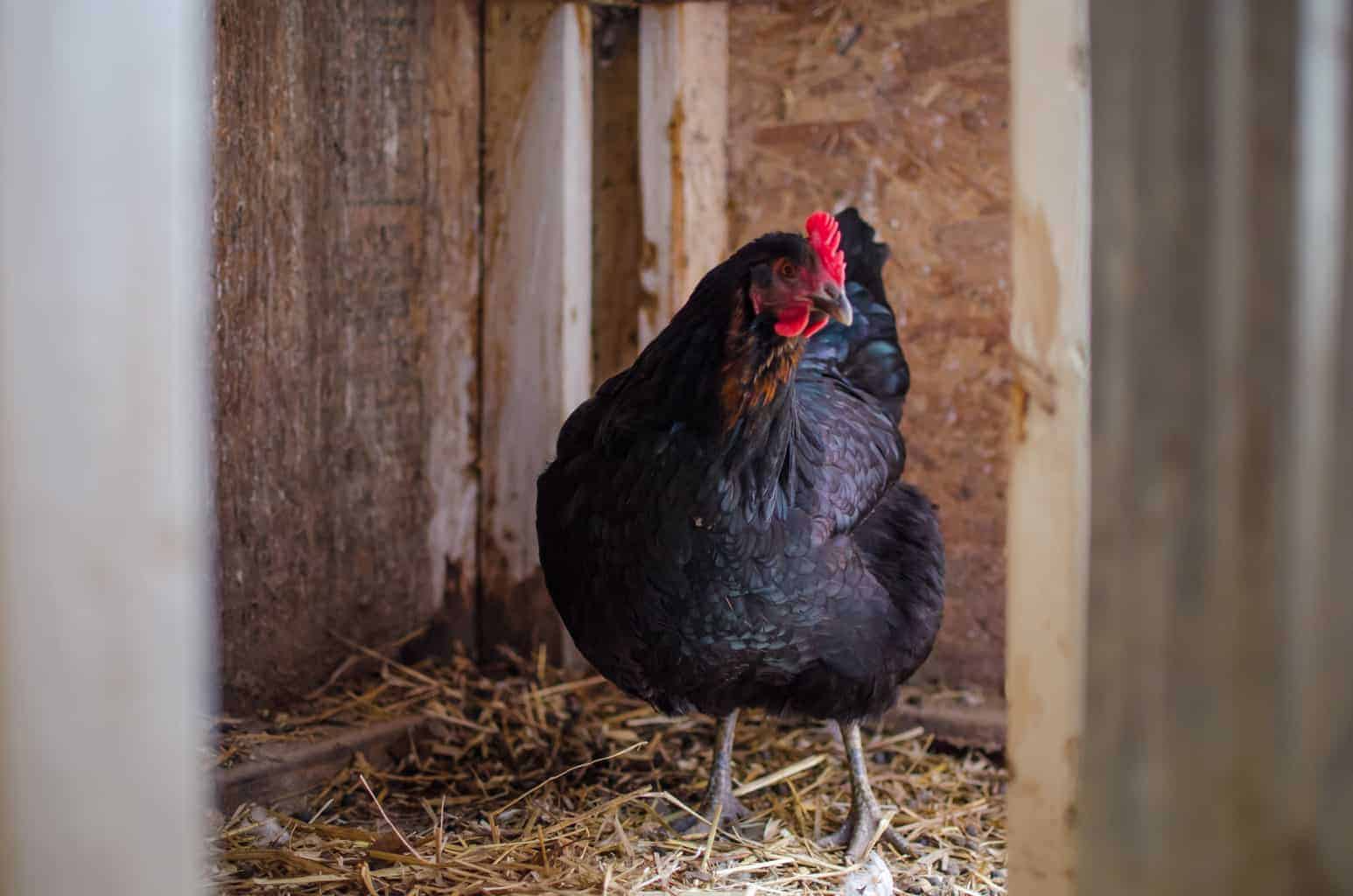
Frostbite occurs when the fluids in tissue freeze and the cells die. If you’ve ever touched a chicken’s comb or wattles, you’ll notice that it’s naturally soft and well moisturized, but it’s not wet. Therefore we know that frostbite typically only occurs when the tissues become went and then freeze. This can happen for multiple reasons, but the main ones being poor ventilation in your coop (chicken’s breath cause moisture that can’t escape), wet bedding or a wet coop, outside weather conditions that your chickens have been roaming around in, or chickens with large combs and wattles that are simply more susceptible to frost bite.

Frostbite can happen on combs, wattles, and even the toes of chickens, especially if they’ve been walking around in the snow or rain.

The signs of frostbite are white/black patches on the affected areas of the chicken. They are often dry, they may peel, and if toes get frost bite, they can fall off. It can be very painful if left untreated.
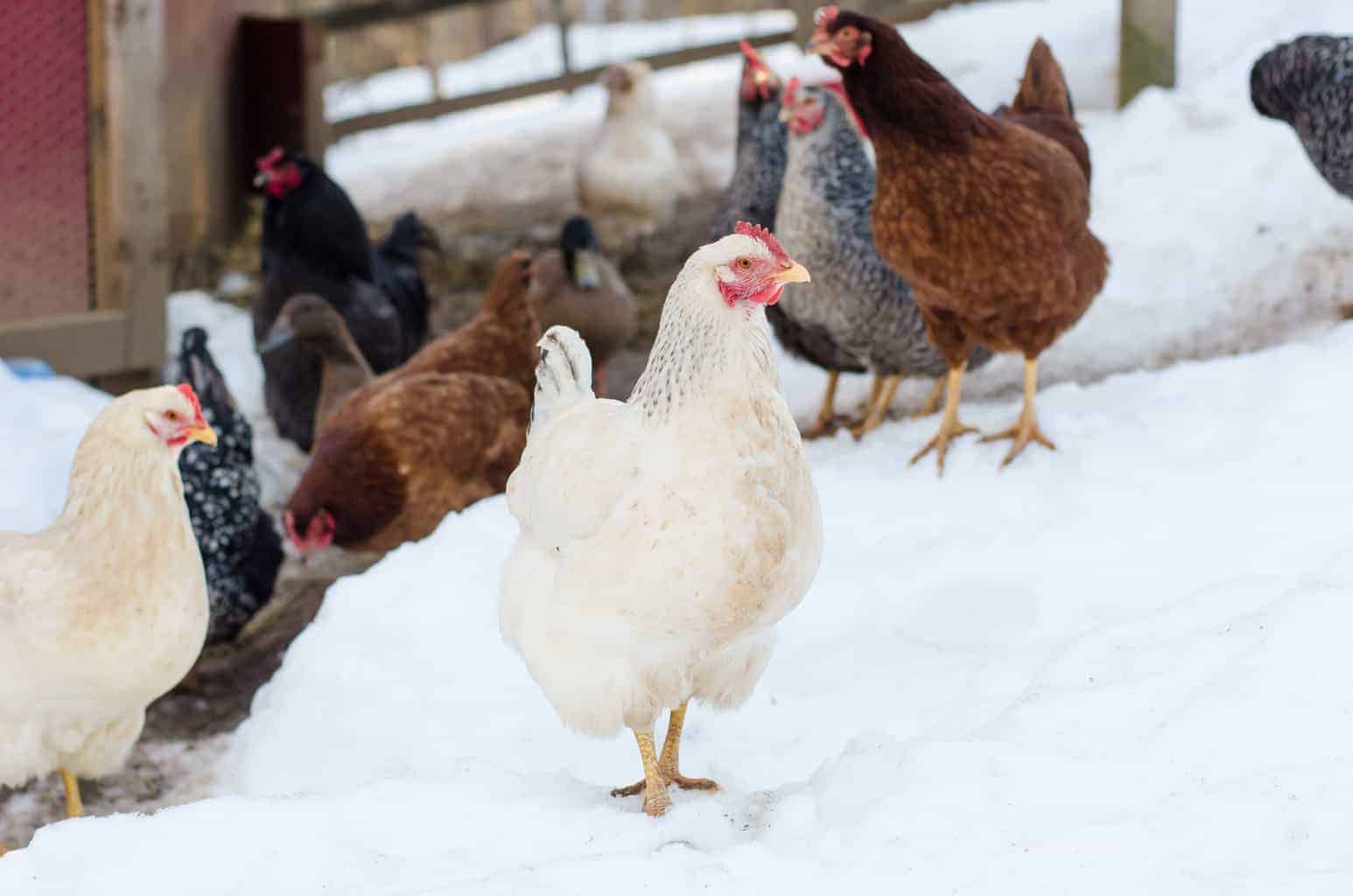
Naturally Preventing Frostbite in Chickens

An ounce of prevention goes a long way, and this is true with preventing frostbite as well. Chicken flocks on the homestead and farm aren’t something you want to have to babysit all of the time, therefore, it’s so important to utilize prevention with your chooks.

Here are some ways to prevent frostbite:

  • Choose Hardy Breeds—
    Choosing breeds with smaller combs, or breeds that thrive best in your climate, will do your homestead well. Don’t choose tropical large combed birds if you live in Alaska, etc. Instead, choose breeds with pea combs or more cold hardy characteristics.
  • Ventilate Your Coop—
    A well ventilated coop will help prevent frostbite very well. With air flow (not draft), it will allow the moisture in the air from your chicken’s breathing at night to escape instead of hover over your flock in the coop. This helps keep the moisture that causes frostbite to a minimum.
  • Don’t Use Heat Lamps or Heaters—
    They simply aren’t necessary, but also, they cause moisture in the air with the constant changing temperatures.
  • Keep Bedding Clean and Dry—
    One of the biggest culprits to frostbite is wet bedding. This is especially true in the winter months when there is snow on the ground. Practice the deep litter method by adding wood chips, straw, or bedding of your choice in a thick layer to your coop floor. Stir it each day and add more when necessary. This creates what we call a giant “carbon diaper” in your coop that allows good bacteria to flourish, moisture to escape, and creates a nice dry stable bedding for your flock. Also, don’t put waterers into your coop, as this causes excessive moisture in the air.
  • Put Down Straw or Wood Chips Outside—
    Snow and rain in the winter months are horrible on chicken feet, especially if the temperatures drop quickly. Make sure you’re putting down a layer of thick straw or wood chips from your coop to a sunny area so that your chickens have something dry to walk on.
Naturally Treating Frostbite in Chickens

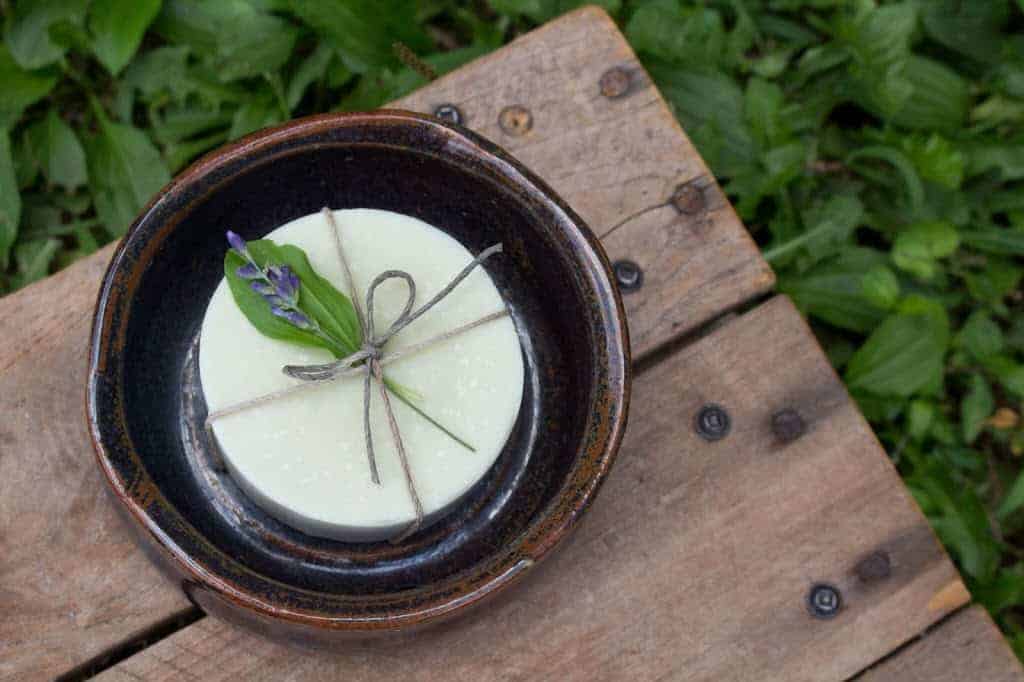
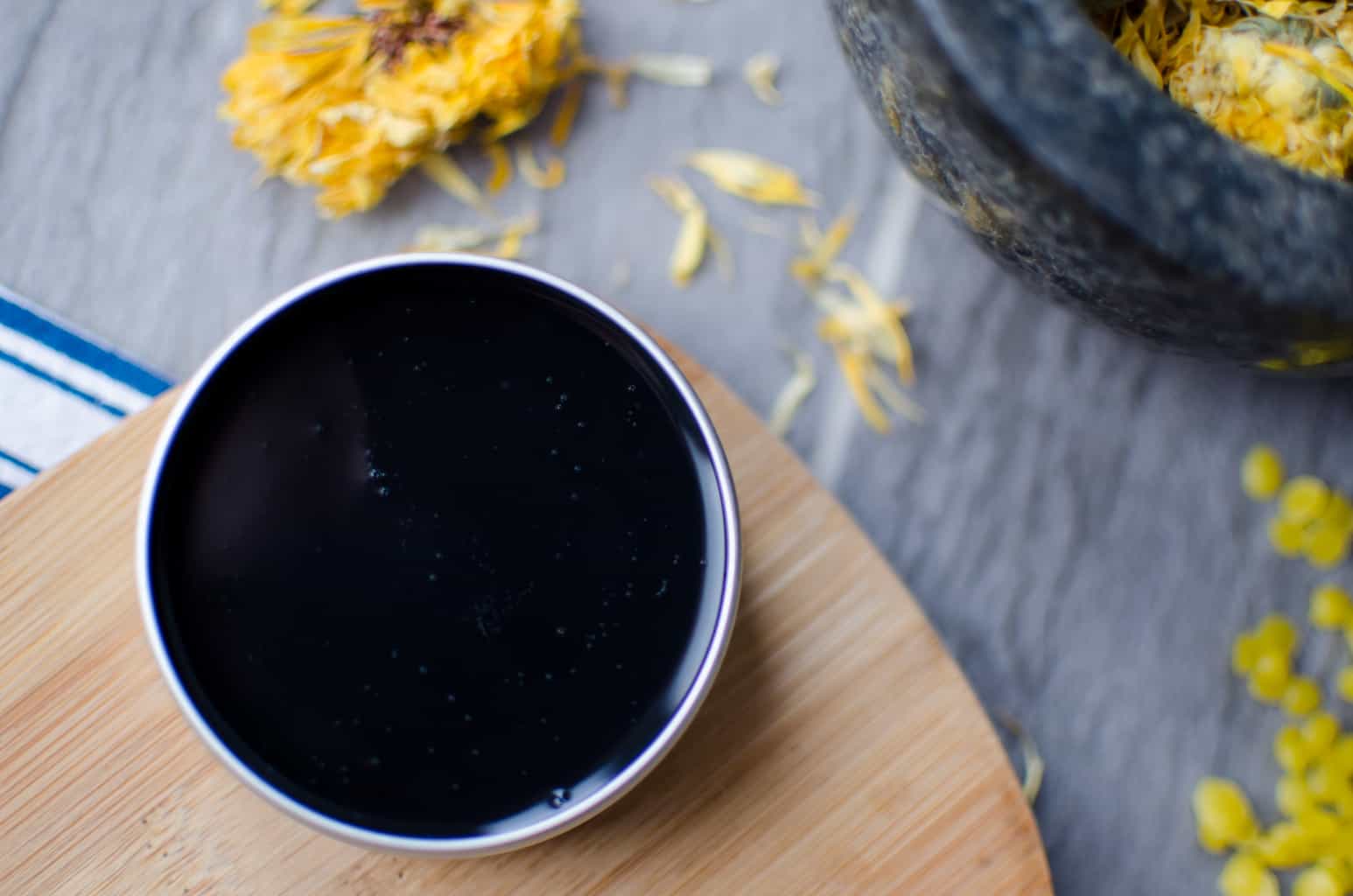
There are certain things we keep on hand in our herbal livestock apothecary on this homestead, and black drawing salve is one of them. Years ago, a friend of mine turned me on to ichthammol for our livestock. Naturally, I wanted a more natural alternative, so we started making our very own black drawing salve that was even more amazing than the ichthammol. We use black drawing salve for everything when it comes to our homestead and livestock. Not only does it effectively (tried and true!) treat the frostbite on chicken combs, wattles, and feet. But it also causes the rest of the flock to leave your ailing flock member alone, as they don’t like pecking at the black drawing salve.

If there’s one salve you should keep on hand at all times, it’s this one. It is so versatile when it comes to ailments. Use it on frostbitten rooster combs, bumblefoot, wounds, irritations—the possibilities are endless. This salve not only soothes and heals, but also draws out infection and helps with inflammation. Note: Activated charcoal and bentonite clay can be purchased from most health food stores and online. They can sometimes be found in the health and beauty section of regular stores as well. I’ve linked them in the recipe below.

This recipe calls for infused-oils. Learn how to make them ahead of time here.

How to Make Herbal Black Drawing Salve

6 tablespoons calendula-infused oil

3 tablespoons plantain-infused oil

1 tablespoon coconut oil (or sweet almond, castor, or grape seed oil)

3 tsp beeswax

3 tsp activated charcoal

3 tsp bentonite clay

10 drops tea tree essential oil

10 drops lavender essential oil (optional)

 Storage tins or jars


Method:

  1. Add about 1-inch of water to a saucepan and turn on to medium heat. You’re making a double boiler so that your oils won’t be touching direct heat.
  2. In a glass or tin jar, add calendula oil, plantain oil, coconut oil, and beeswax. Place the jar in the saucepan to create a double boiler. Stir oils and beeswax until melted completely.
  3. Add charcoal and clay, and mix well. If you need a thicker consistency, add a little more clay.
  4. Remove the jar from heat, and add essential oils. I like to add tea tree and lavender because of their healing properties, but the possibilities are endless.
  5. Optional: If you’d like a more whipped consistency, leave the salve in the jar until almost hardened, then whip it with a whisk or immersion blender.
  6. Pour the salve into a new jar or individual tins—something that you can easily dip the salve out of. Allow to cool completely, then cap tightly, label, and store for up to a year in your medicine cabinet.
  7. When needed, use a small amount topically. Cover with a bandage for up to 12 hours before rinsing off if using on feet.

And that’s it! It’s just that easy!

Find this information and more in my new book,
The Homesteader’s Natural Chicken Keeping Handbook!

The Homesteader's Natural Chicken Keeping Handbook


By: Amy K. Fewell · In: chickens, Featured, herbs

you’ll also love

Taking a Vacation When You Homestead (with video)
Andrographis (Andrographis paniculata) for the Common Cold and Viruses
Poke Root | A Powerful Infection Fighting Herb

Reader Interactions

Comments

  1. Hannah Burkert says

    November 27, 2018 at 8:12 pm

    I love this! Such great advice! Annnnd this is why we have hardy birds like Rhode Island Reds and why we don’t have heat lamps in our coop (plus living in SE North Carolina means we avoid the cold for most of the year)..

    Great post love the insight!

  2. Erin says

    December 17, 2020 at 4:56 pm

    Hi! So you just rub the salve on the combs and wattles to treat frostbite? We have a girl who happens to have a very large comb—her breed is susceptible to this and sure enough first snow she got it. But she’s the only one of the 4 to get it thankfully. But just wanted to check—-just rub it on and leave it be?

    Thanks!

    • amyfewell says

      December 17, 2020 at 6:31 pm

      Yep! Just rub it on and maybe leave it a little bit tacky.

  3. Renee says

    February 19, 2021 at 5:05 am

    how important is the plantain infused oil in the salve recipe? I have all the ingredients except that, and I’d like to apply it sooner than later!

Next Post >

How to Make White Pumpkin Pie

Primary Sidebar

meet amy

meet amy
hello!

I'm Amy. I love organic food but I love Oreo's. I love Jesus and His grace. I believe broken people make the biggest impact in the world when they share their stories. I believe in stories, and I'm sharing mine.

Read More

Connect

Search

join the tribe!

Ads & Sponsors

200x400

Advertise

Follow Along

@amy.fewell

If you’re trying to grow a garden while raising ba If you’re trying to grow a garden while raising babies, chasing toddlers, homeschooling, cooking meals, and keeping a home—you don’t need perfection. You need rhythms that work with your season of life.

Here are a few simple things that make gardening with little ones so much easier:

• Work the garden in the early morning or evening when the heat and sun are lower. It’s easier on your body, your plants, and your children.

• Harvest herbs and vegetables in the morning when they are most hydrated and nutrient dense. The flavor, oils, and freshness are often at their peak before the heat of the day sets in.

• Keep a kiddie pool, shaded tent, or simple play area near the garden so little ones can stay close, play safely, and still be part of what you’re building.

This is the beauty of homestead life. Children don’t always have to be separated from the work—they can grow alongside it.

The garden doesn’t just feed your family.
It disciples them too.
Three weeks ago during our Friday night fellowship Three weeks ago during our Friday night fellowship, a consistent topic or word would come forth out of the individuals sitting around the table. As I sat and listened to each one so deeply, yet differently sharing, I realized that on this night, we were all mostly saying the same thing. This is often how Jesus will work through a group of believers—bringing each one together to share in unity. But differently. 

I immediately recalled Psalm 126–especially the part about weeping. How we sow with our tears but we reap in joy. How those who continually go forth weeping bear seed for sowing. 

Our genuine cries do something—they produce, and they sow. It is where we can feel the burden of another. When one cries, it is contagious. But really it is the mercy of God that we feel upon us. 

There is not a fellowship night that goes by anymore without someone, or multiple people now, crying. We’ve learned to embrace it. Why? Because we reap a harvest and bring our sheaves with us as we rejoice. 

Each tear is a seed that sows deeply into one another. Into others. Into ourselves. Our tears have a genuineness that many things do not have. And when they are genuine, they produce great fruit.

Ever since that night, I continue to see this scripture being spoken over and over again from leader after leader. Post after post. 

The Lord is stirring. He is doing something in His bride. He is calling back the captives, the dreamers, the singers. “Once again,” He says. With tears and weeping we sow, and with tears and weeping we harvest—rejoicing joyfully.
If you follow people online, you often call them a If you follow people online, you often call them an “influencer”. Let me be the one to tell you that most of us in the sphere that I am in do not consider ourselves “influencers”. Some may consider themselves teachers, leaders, ministers, and more, but the term influencer has never been something we’ve enjoyed. 

The reality is this—we found ourselves in the middle of a crossroad on our timeline where someone needed to pick up a mic and speak truth in the midst of chaos. Most of us have no interest in being online at all. We wouldn’t be sad if the internet disappeared tomorrow. But we were handed that microphone, influence, and anointing to go along with it.

Don’t be fooled—it’s not because of algorithms and marketing plans. If you are succeeding in this online world or your physical sphere of influence for Jesus, it’s because you were given the open door to do so. It’s not about you. It’s about what God knows He can entrust to you for His will and kingdom. 

Some people chase after people, trends, validation, recognition, and the spotlight. But can I tell you what comes along with those things? Hatred, bullying, misunderstanding, monitoring people and spirits, people lying about you, persecution—and if you’ve really made it, threats on your life and persecution.

You see, people want the influence. People want to be close to a Kingdom influencer. But if you aren’t ready to roll with the good AND bad, then you’re not ready. 

Jesus was the OG influencer, and He was spit on, lied about, and killed for His influence. Follower of Jesus—you are told to prepare for the same thing in the world. No matter your influence level.

A time is coming in America where influence online won’t matter anymore, yet the outcome will remain the same. The time to prepare for that is now—spiritually and emotionally. 

But take heart, dear one. He has overcome the world. I speak to believers and leaders everyday who are truly influencing to make a difference—some online, some never touching a screen. 

Jesus is building His church stone by stone. Some of us have mics, some of us will never be broadly known to man. Yet the struggle is still the same. Pray for us.
This morning I made a Mother’s Day tea—this one is This morning I made a Mother’s Day tea—this one is for you, ladies! 

My hormones have been all over the place as I inch closer to 40 and begin to slowly wean our little one. I’ve been snappy and know I need more nourishment. My skin has been out of sorts and, moral of the story, my body needs help. This tea is great for anyone—but it is especially healing for women. 

The jar made in the reel is a concentrate (I used lots of herbs), meaning, I add about 1 cup or more (whatever you’d like) of this liquid concentrate to my pint/quart jar and fill the rest with ice and cold water. But the “amounts” would stay the same in “parts”. 

If I were to add one more thing to this tea, it would be lemon balm. It is also very calming and aromatic. But since lemon balm is growing fresh right now, I add a sprig of it to each glass made with this herbal concentrate when I pour. 

This blend is fabulously cooling, nourishing to the body, and especially beneficial to women of all ages. 

You can add raw honey to sweeten this tea, and it is divine. 

🌺 Hibiscus flower (Hibiscus sabdariffa)
An incredible antioxidant which helps support the immune system, reduces oxidative stress, and supports your health at the cellular level. It may also help with cholesterol and cardiovascular health. This is a wonderful cooling herb for summer time, peri- and regular menopause. (Use sparingly while pregnant).

🌼Chamomile
Most noted for its ability to calm, relax, and cool. It is an efficient gentle anti-inflammatory and works well for the gastrointestinal tract. It is a gentle nervine, making it ideal for the central nervous system.

🌿 Stinging Nettle
An extremely nourishing herb, it is rich in iron, magnesium, calcium, proteins, and so many minerals. Nettle is anti-inflammatory and anti-allergenic. Nettle will help build strength in your body, and nourish it to its core—every system in the body is nourished by it. It is a natural antihistamine, mast cell stabilizer, and tonic.

🍃Red Raspberry Leaf
Rich in minerals and manganese. It works effectively in supporting and toning the reproductive system. It is also great for use as an antacid, hormones, heart and eye h
Never give up. Never give up.

Footer

Learn More

Chickens
Homemaking
Herbs
Recipes
Devotionals

Info

About
Contact
Privacy Policy
Shop

stay in the know

Copyright © 2026 · Theme by 17th Avenue