• Home
  • Membership
  • Shop
  • Cart
  • Our Farm
  • Gut Health
  • Herbal Practice
  • Buy Trusted Supplements
  • Nav Social Icons

  • Skip to primary navigation
  • Skip to main content
  • Skip to primary sidebar
  • Skip to footer
  • Home
  • Blog
  • About Me
  • Our Farm
  • Gut Health
  • HH Membership
  • My Books
  • Youtube
  • Podcast
  • Homesteading
  • Chickens
  • Herbs
  • Family
  • Farmhouse
  • Homemaking
  • Recipes
  • Sourdough
  • Contact Me
  • Herbal Practice
  • Buy Trusted Supplements
  • Mobile Menu Widgets

    Search

    Connect

Amy K Fewell | Homesteading for the Kingdom

Amy K Fewell | Homesteading for the Kingdom

  • Start Here
    • About Me
    • My Books
    • Podcast
    • Youtube
    • Gut Health
  • Blog
    • herbs
    • Bees
    • chickens
    • rabbits
    • Farmhouse
    • gardening
    • devotional
    • homemaking
    • sourdough
    • recipes
  • Courses & Books
    • HH Membership
    • My Books
  • herbs
  • Podcast
  • Contact Me

6 Herbs for Your Chickens | Oregano, Stinging Nettle, & More

April 29, 2019 · In: chickens, herbs, homesteading

Herbs for Chickens
Herbs for Chickens
Herbs for Chickens
Herbs for Chickens
Herbs for Chickens
Herbs for Chickens
Herbs for Chickens
Herbs for Chickens
herbs for your chickens

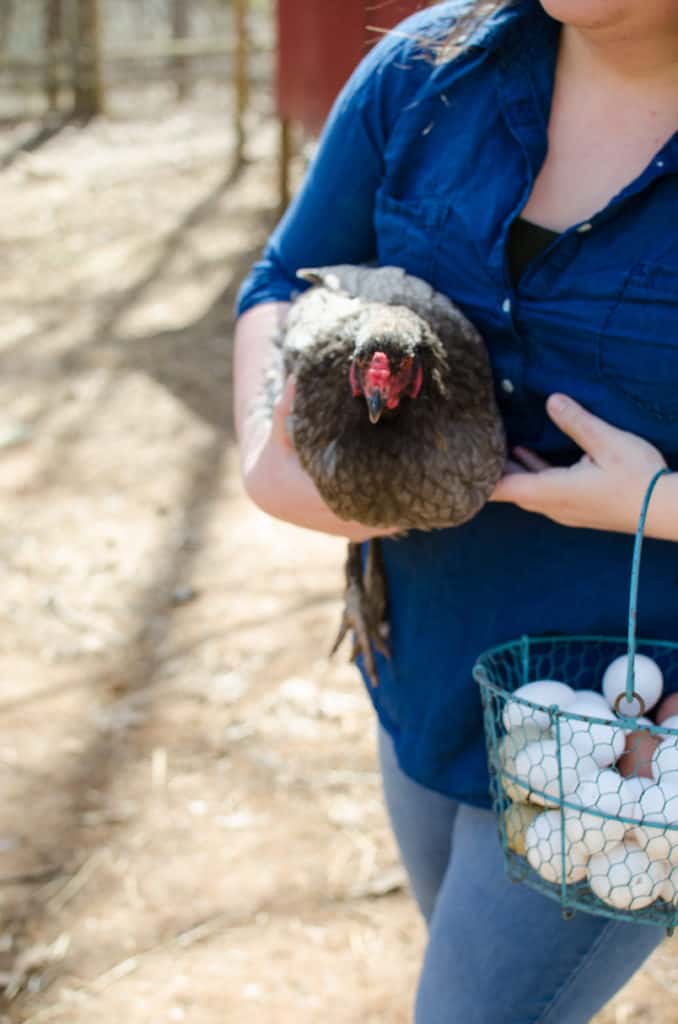
Chicken keeping is common in almost every region throughout the world. But herbs for chickens may not be quite as common yet, though oregano for chickens seems to be very popular. Herbs are one of the easiest things you can give to your chickens to create a healthy and balanced diet and environment. Though it might seem intimidating at first, herbs for chickens don’t have to be complicated or intimidating.

Just an ounce of prevention is worth a pound of cure, so let’s go over some of the most common herbs we use in our heritage chicken keeping practices. It’s time to learn heritage chicken keeping skills in our modern world!
chicken herbs

The Chicken Herb List

There are at least forty or more herbs you can keep in your chicken remedies cabinet, but we’ll only go over a few of the most common ones. If you’d like a more comprehensive list of herbs for your chickens, along with learning how to use them, and how to prepare herbal remedies, check out my book The Homesteader’s Natural Chicken Keeping Handbook.

Now, onto the chicken herb list!

Naturally, it’s best to grow your own herbs for your chickens, but if you can’t or don’t want to, I’ve linked all of these herbs in each individual section.

Astragalus (Astragalus membranaceus)

This herb is one of my favorite herbs for my chickens. Most commonly known for its immune stimulating properties, astragalus is one of the most beneficial herbs you can offer to your chickens on a regular basis as a preventative herb. In fact, a study done in 2013 proved that astragalus helped prevent avian influenza and shortened the duration of the flu as well. While the study primarily focused on the injection of astragalus, as an herbalist, I know that astragalus as a dietary supplement stimulates the immune system greatly, thus very likely preventing the inhabitation of the influenza virus.

Besides avian influenza, astragalus helps boost the overall immune system of the chicken, generating good health and wellness. It is also anti-inflammatory, helps chickens adapt to stress, and is antibacterial and antiviral.

Give to your chickens a couple of times each week to boost their immune systems, either dried or in a decoction. I prefer to offer it in a decoction, and my chickens prefer it that way as well.

You can purchase the astragalus that I use by clicking here.

Calendula (Calendula officinalis)

Many chicken keepers thing that any marigold is a calendula plant, but that’s just not true. Make sure that you’re adding Calendula officinalis to your feed when using calendula. This herb is a natural anti-inflammatory and helps the digestive tract. But more importantly, it is packed full of Omega-3s, vitamins E, K, and B-complex vitamins. This means that your egg yolks will come out  being a deep rich orange color, full of necessary nutrients and Omega-3s for your own body!

You can offer this free choice or in feed daily to your chickens.

You can purchase the Calendula that I recommend by clicking here.

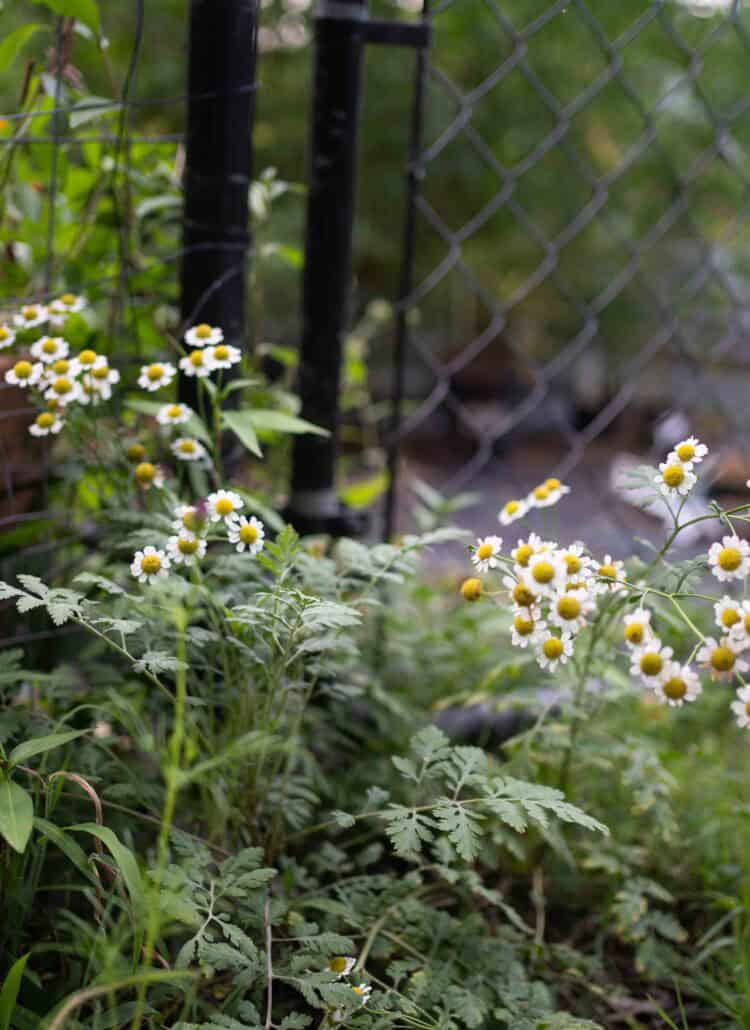
Echinacea (Echinacea purpurea or Echinacea angustifolia)

One of the most common herbs to the new herbalist, echinacea is another immune-boosting herb for your chickens, both the root, leaves, and flower heads. I tend to just toss them the leaves and flower heads and allow them free choice echinacea. This herb is also great for the respiratory system, and can help treat fungal overgrowth. It is also a natural antibiotic and is naturally antibacterial.

Offer to your chickens freely as you wish in season, or dry and offer throughout the year.

You can find the echinacea I recommend by clicking here.
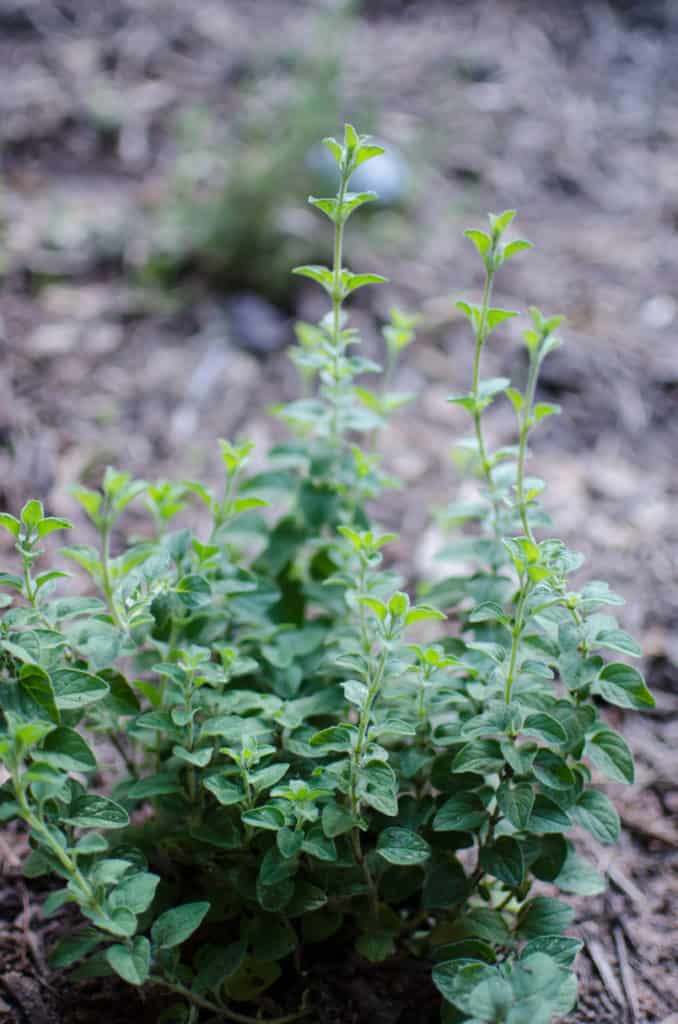
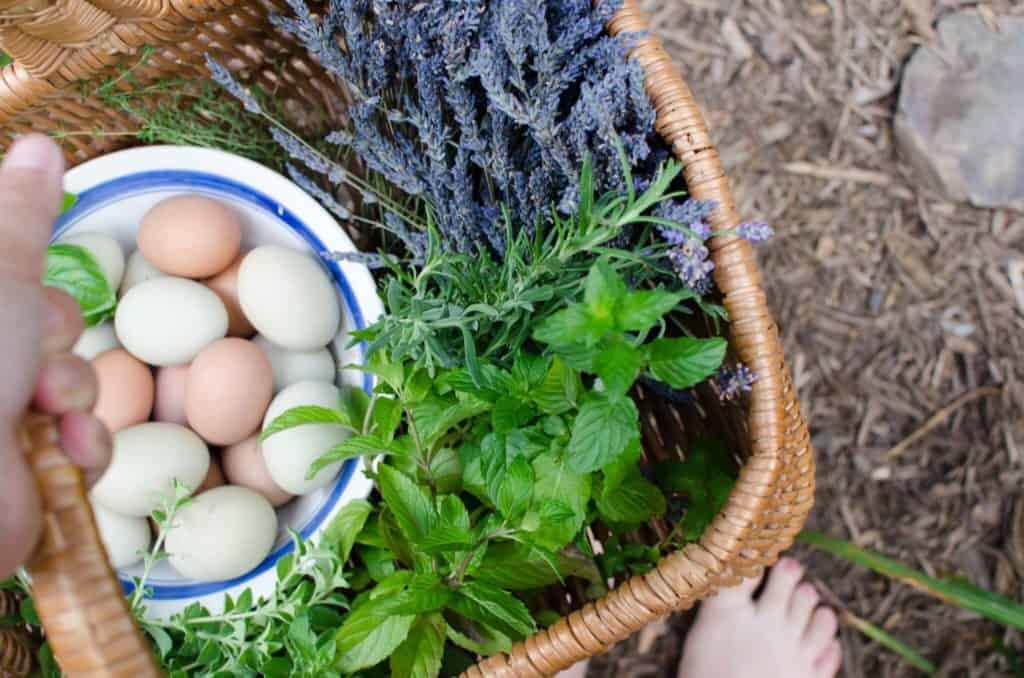
oregano for chickens

Oregano (Origanum vulgare)

Oregano for chickens is growing in popularity, not just with the backyard chicken keeper, but with commercial chicken keepers as well. In fact, large commercial meat and egg producers have switched to offering oregano and thyme in their chicken feed on a regular basis instead of chemicals and antibiotics. Oregano is a natural antibiotic, it is antibacterial, detoxifies the body, aids in respiratory health, and helps the reproductive system.

Mix in with your chicken feed daily, fresh or dried.

Find the oregano for chickens that un8I recommend by clicking here.

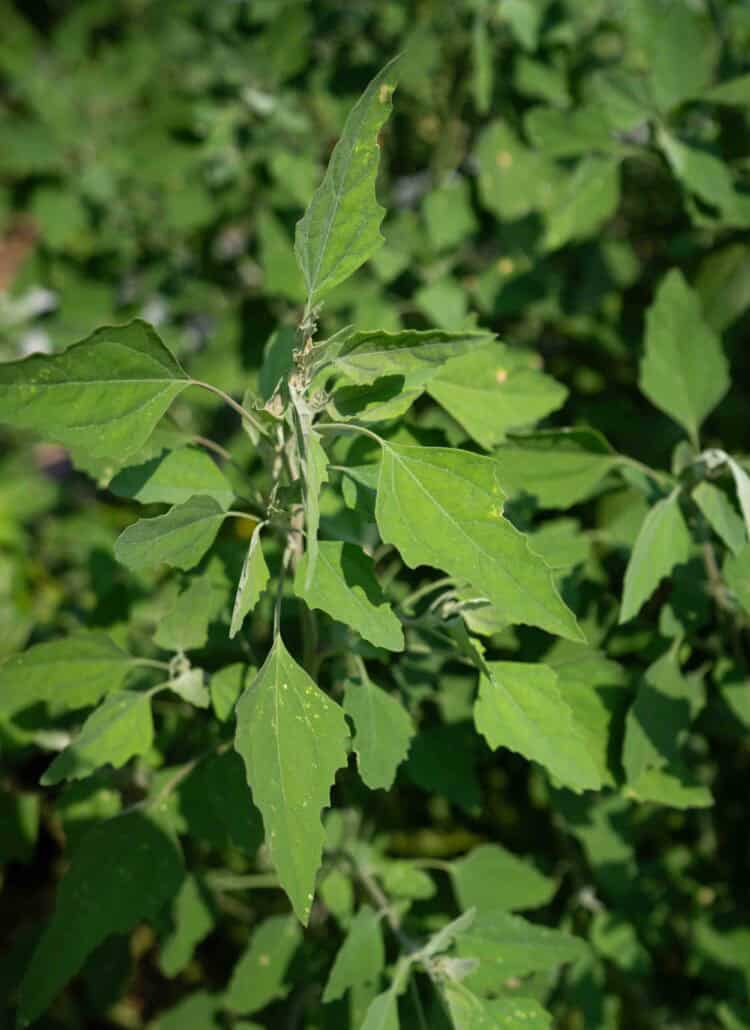
Stinging Nettle (Urtica dioica) cooked or dried

Chickens won’t typically touch this herb in its natural environment, though some flocks will. Stinging nettle does exactly as it says it does—stings. The little hairs on the outside of the leaves leave a numbing sensation for many humans and animals. However, stinging nettle is an incredible source of vitamins, nutrients, and minerals for your chickens. Try giving it to your chickens fresh first to see if they will eat it. If not, you may have to cook it down, like spinach, or dry it out first.

Stinging nettle is a natural detoxifier, antiparasitic, and aids in respiratory health. It is also a natural antibacterial. Throughout history, many chicken keepers would offer stinging nettles to their chickens, and would swear that it would keep them laying straight through the entire year. Nettle is also naturally high in iron and calcium.

When studied in nature, wild birds will eat on stinging nettle as a way to help prevent internal parasites. Chickens will absolutely do the same thing. Nettles are a great way to prevent internal parasites, and possibly treat an infestation when given in medicinal doses. Give freely throughout year—fresh, dried, or cooked—or a couple of offerings each week.

Find the stinging nettle that I recommend by clicking here.

Thyme (Thymus vulgaris)

Thyme is my favorite herb of all time. We use it with every single animal on our homestead. But especially our chickens. Thyme is a natural antiparasitic, antibacterial, aids the respiratory system, relieves infection, and is packed full of omega-3s that support brain and heart health. Thyme is also rich in vitamins A, C, and B6, as well as fiber, iron, riboflavin, manganese, and calcium. Offer daily in their feed, dried or fresh, or freely on pasture or around the chicken run.

Find the thyme that I recommend by clicking here.
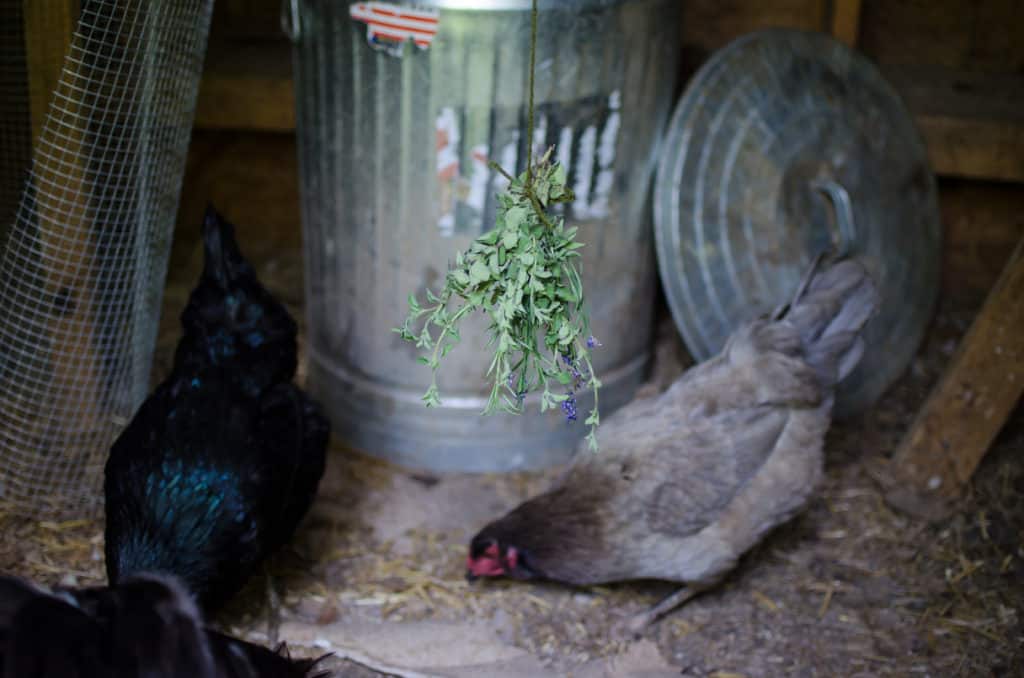
chicken coop herbs

Learning More About Herbs

Herbalism on the homestead and with your chickens is never ending. I always recommend furthering your education, creating new and amazing herbal preparations, and just having fun with it! Your chickens will certainly enjoy it as well.

When in doubt, start small and add on from there. Your flock doesn’t need “all the herbs”. Certain herbs are good for certain things, and not all herbs are created equal. This is why I challenge backyard chicken keepers and homesteaders to dive into common and uncommon herbs alike, because each herb has a unique ability to prevent and heal.

To learn more about how to use herbs, create herbal preparations, and keep your flock healthy, consider purchasing my book! You can learn all about these heritage chicken keeping skills, along with raising chickens naturally, involving your family, and even farmhouse recipes!

My Books

PIN IT FOR LATER:

By: Amy K. Fewell · In: chickens, herbs, homesteading · Tagged: chickens, herbalism, herbs

you’ll also love

15 Chicken Processing Day Mistakes That Waste Time and Meat
The Two-Breed System for Year-Round Meat Chicken Breeding
Herbal Remedies for HighBlood Pressure and Pre-Eclampsia During Pregnancy (and Postpartum)

Reader Interactions

Comments

  1. Cheryl Bishop says

    January 5, 2021 at 8:04 am

    Hi ,I was wondering can you add the herbs seed to the fodder ? Will the medical benefits be the same ? Thank you and GOD BLESS FROM CHRISTMAS VALLEY OREGON

    • amyfewell says

      January 9, 2021 at 1:32 am

      Thats actually a great idea!!

  2. Brianna says

    March 21, 2021 at 5:35 pm

    Can I grow my own fresh grown oregano and offer to them? I already keep it around to cook with.

    • amyfewell says

      March 22, 2021 at 12:39 am

      you sure can!

  3. Amber says

    September 7, 2021 at 8:36 pm

    Where is astragalus seed offered in bulk amounts?

  4. CATHY R KAMPSTRA says

    December 14, 2021 at 1:04 am

    Hi Amy
    Maybe I missed it. Do you have a specific amount of these herbs I should feed the chickens. This is my first time raising chickens.

Next Post >

How to Start Herb Seeds For Your Garden

Primary Sidebar

meet amy

meet amy
hello!

I'm Amy. I love organic food but I love cookies too I love Jesus and His grace. I believe broken people make the biggest impact in the world when they share their stories. I believe in stories, and I'm sharing mine.

Read More

Connect

Search

Ads & Sponsors

200x400

Advertise

Follow Along

@amy.fewell

I almost cut the audio on this one. But I left it I almost cut the audio on this one.

But I left it. Because somewhere in the middle of making pretty reels and instagram-worthy things, in the middle of daily tasks and work and homemaking, in the middle of you scrolling, trying to escape into someone else’s “real”, there is a holy thing happening right where you stand.

This is where wisdom gets passed down. Where memories are made. Where ordinary children become kingdom ambassadors.

The “in between” moments—the ones that feel like interruptions—are the most teachable moments you will ever be given.

When little voices ask the same question for the hundredth time... when little hands climb into the middle of your project and you feel inconvenienced... those are not the moments to rush past. Those are the moments they will remember forever.

So I’ll ask you what I keep asking myself: How did you make them feel today? How did you explain real life to them? Will the way you answered firm up their foundation, or shake it?

“Impress [these words] on your children. Talk about them when you sit at home and when you walk along the road, when you lie down and when you get up.” [Deuteronomy 6:7]

Did you catch that? At home. On the road. Lying down. Getting up. The in between. That is the classroom.

Parenting is not the thing you do once the rest of life is finally organized and perfect. It is the thing you do first. It is the most important work happening in your home.

So slow down. Take a deep breath. One day these little voices will be gone, and you will remember the moments you let pass you by.

Don’t let them pass, friend. Turn around. They’re right there.

If this landed on your heart, save it and tag a mama who needs the reminder today. 🤍
Let’s talk about the new EO that was signed this w Let’s talk about the new EO that was signed this week in regard to regenerative farming. @a.j_richards will also be joining me on the @homesteadersofamerica podcast to talk more about what’s happening in government right now with our food system and farming, so make sure you’re subscribed!

On June 25th, an Executive Order on regenerative agriculture was signed. Healthier soil. Fewer chemicals. A return to how God designed us to steward the land. But discernment is part of stewardship too—so let’s read past the headline.

→ What it does:

Expands a USDA program helping farmers adopt regenerative practices—cover crops, reduced tillage, managed grazing. Voluntary, run through your local NRCS office, open to farms of every size.

Directs the EPA to examine chemical inputs and residues in our food. Especially pre-harvest desiccates.

Funds research into how those chemicals build up in our bodies over time.

→ What the headlines skip:

That “$700 million” isn’t new money. It was announced in December 2025 by redirecting existing conservation dollars. This order expands a program already underway.

For scale: Washington spends $15–16 BILLION a year just on crop insurance. This pilot is about 1% of USDA’s conservation budget. The headlines suggest a revolution. The budget suggests an experiment.

A new 15-member advisory council will guide it—9 seats belong to farmers, but the names aren’t released. The private “partners” aren’t named either. Who fills those seats and controls the new certification systems will matter enormously.

None of this means we dismiss it. There’s real funding and real potential here. One of my questions has always been to be wary of government hand outs. But I also understand that big farms that are already heavily in it need it.

Stay informed. Ask hard questions. Let’s see how this unfolds.

What’s your take on this EO? 👇 comment below
This photo is a testament to the labor of time and This photo is a testament to the labor of time and work we put into this cow. All of us. When we first brought her home in the early winter of 2025, while I was very pregnant, I began to reconsider my decision on bringing her home. 

I knew the first few weeks would bring a transition period, but that period lasted months. She kicked—a lot. Her previous owner said she didn’t kick before. She would run through paddocks and not let us catch her. They said that never happened before either. 

What we soon realized was this mama cow, set in her ways for at least 7 years, wasn’t just protesting us. She was protesting the fact that we took her away from everything she ever knew for 7 years. 

We took her away from her mother and grandmother, both still alive and thriving when we bought her. Right in the same field with her (one was 20, the other was 16). We took her away from the hundreds of acres she got to roam on everyday, to now only having almost 6. She was protesting us because the woman who raised her from day one was no longer her milkmaid. And she protested….hard.

While she is still spicy and knows her size, she has decided to stop protesting. And has for at least the last 9 months or so.

You wouldn’t even recognize her. That crazy cow we brought home? She doesn’t exist anymore. 

Does she lead with a rope? Not greatly, but she doesn’t protest it anymore. 

Does she give us snuggles? Not greatly, but she’s obsessed with that guy holding the baby. 

She’s the healthiest cow we have on the farm.

Moral of the story—when being a steward of creation, it can be hard. Some are worth sticking it out for. Others you turn into beef sticks. But sometimes, they just need time to adjust. Because believe it or not, they feel deeply too. 

God created an intelligent design in the bovine. It’s why He has them on a thousand hills (Psalm 50:10). 🤍
The healer’s kitchen is very simple. We know that The healer’s kitchen is very simple. We know that Jesus is the ultimate healer, and yet we know that these simple herbs and remedies that sit on our shelves and counters also make us capable of healing through Yahweh’s creation. It’s a beautiful symbiotic relationship. 

We are not new age or “witchy”. In fact, with every herb we harvest and remedy we hand out, we thank God for how He created us. And we know that all we are really doing is helping Him bring His creation back into homeostasis. I always chuckle when I see people praise “natural” doctors that rarely recommend anything natural. But then look at you weird when you are literally using nature.

The healer is different. The one who partners with “the Restorer of all things”—Yahweh. We look at the environment around us. We look at the food we eat. We evaluate the water we drink, air we breathe, people we fellowship with, and emotional stresses. Because we know that stress plays a major role on health and disease in the body. 

Years ago, a friend of mine said “well you and I understand, because we are community healers.” And it hit me. I like that word. I like what it conveys. We are healers of the land, soil, family unit, culture, food system—all while being directed by the Holy Spirit, Jesus, THE Healer. 

And it is beautiful. And it is humbling. It is to be revered.

The other night during fellowship, we were processing the potential spiritual gift of healing being present in one of our group members, and someone said “He chose you to be a healer”. In HIM. Another example, but in the spiritual way through equipping and edifying.

Uniquely, when you’re busy healing your life, you come to a point where you don’t need many remedies or protocols on hand for yourself anymore. But recently a friend came over and asked if I had something that she needed immediately, and I didn’t. And I thought to myself “it shouldn’t be this way, I must get back to the way it was, ready to help heal at anytime.” 

So this week I’ve been taking time to do exactly that. Because God has called me—you and I, even—to a unique space and calling. Physically, spiritually, and agricultu
Early this morning I had a dream. In the dream the Early this morning I had a dream. In the dream there were various people, but the significant part of it was me holding my baby on my hip while praying for other people. It seemed chaotic and yet not. 

But as I began to look around in the dream, I kept hearing (while simultaneously saying) “it is compassion that makes the difference.” 

This morning I started reading the book of Mark. And in the very first chapter I read exactly this—Jesus was moved to such compassion for people. It wasn’t a task. It wasn’t a check list. It wasn’t a method. It wasn’t a doctrine or theology assignment. It was compassion and authority and His power. 

That’s it. 

My prayer today, and everyday, is this—Lord, give me compassion for Your people, the body of Christ, and sinners. Give me compassion beyond comprehension, that can only come from You. And the discernment of hearts, so I know when to move on.

Footer

Learn More

Chickens
Homemaking
Herbs
Recipes
Devotionals

Info

About
Contact
Privacy Policy
Shop

stay in the know

Copyright © 2026 · Theme by 17th Avenue