• Home
  • Membership
  • Shop
  • Cart
  • Our Farm
  • Gut Health
  • Herbal Practice
  • Buy Trusted Supplements
  • Nav Social Icons

  • Skip to primary navigation
  • Skip to main content
  • Skip to primary sidebar
  • Skip to footer
  • Home
  • Blog
  • About Me
  • Our Farm
  • Gut Health
  • HH Membership
  • My Books
  • Youtube
  • Podcast
  • Homesteading
  • Chickens
  • Herbs
  • Family
  • Farmhouse
  • Homemaking
  • Recipes
  • Sourdough
  • Contact Me
  • Herbal Practice
  • Buy Trusted Supplements
  • Mobile Menu Widgets

    Search

    Connect

Amy K Fewell | Homesteading for the Kingdom

Amy K Fewell | Homesteading for the Kingdom

  • Start Here
    • About Me
    • My Books
    • Podcast
    • Youtube
    • Gut Health
  • Blog
    • herbs
    • Bees
    • chickens
    • rabbits
    • Farmhouse
    • gardening
    • devotional
    • homemaking
    • sourdough
    • recipes
  • Courses & Books
    • HH Membership
    • My Books
  • herbs
  • Podcast
  • Contact Me

Using Herbs as Tomato Companion Plants

April 26, 2021 · In: gardening, herbs, homesteading

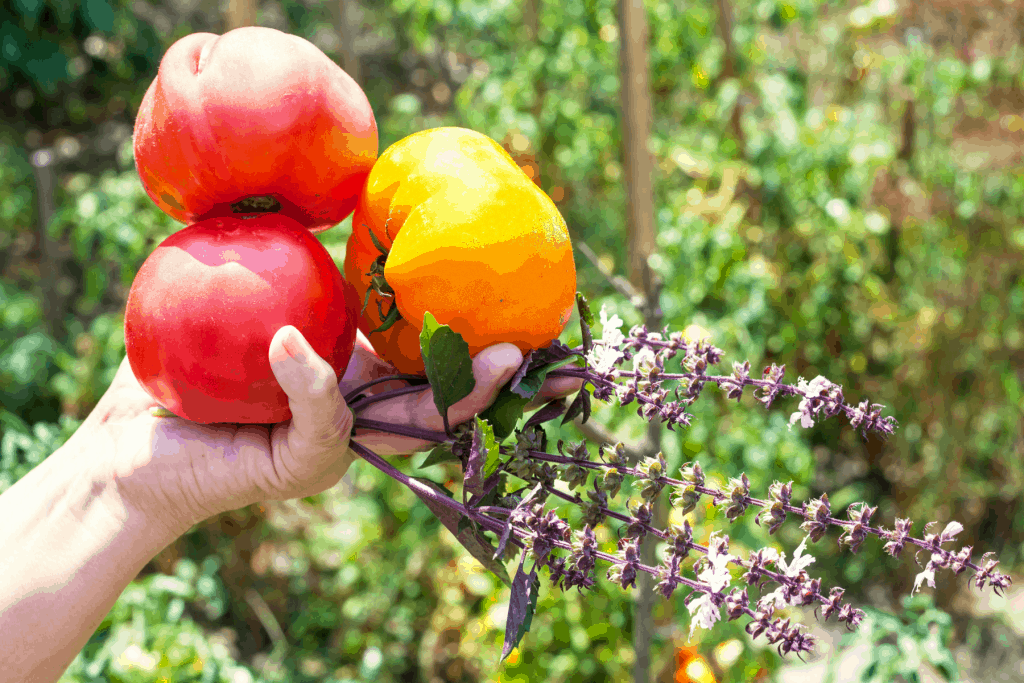
tomato companion plants, basil

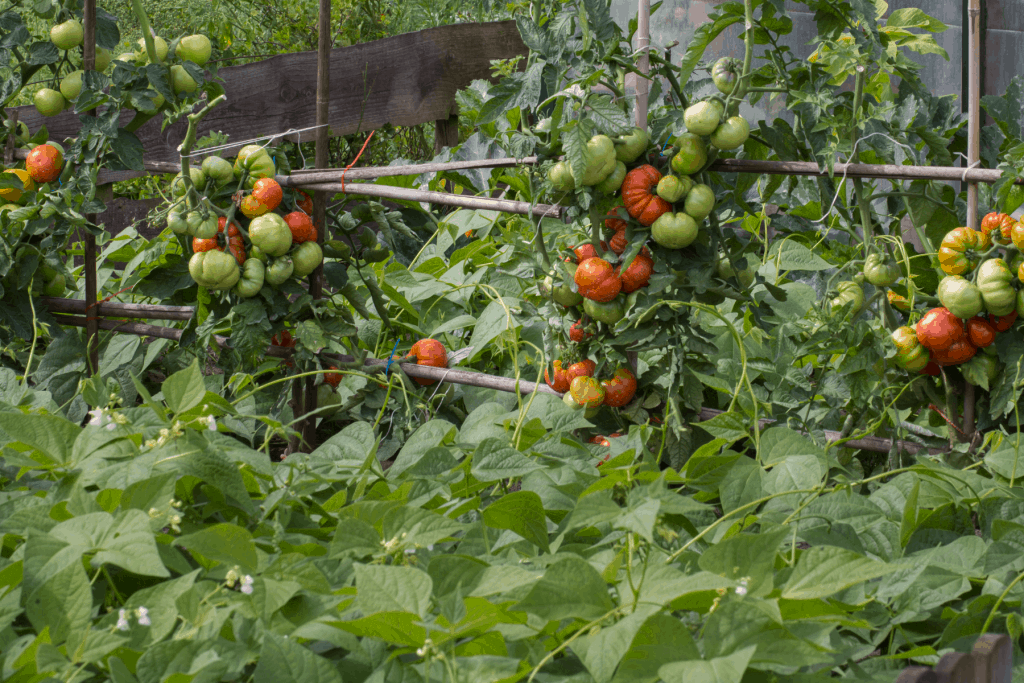
There is so much possibility when you grow tomatoes in your vegetable garden, especially when using herbs as tomato companion plants. From eating raw slices on a sandwich, to processing and canning them into paste or salsa, the options are never ending. Did you know that you can improve your tomato yields by strategically growing beneficial tomato companion plants near them? Basil and tomatoes, marigolds and tomatoes . . . the list is endless.

In this post we are going to chat about the best and worst tomato companion plants so that you can grow your most productive tomato crop yet! We’ll even talk about a few others, like basil companion plants (since we’ll already be talking about basil!)

What is Companion Planting?

Before we jump in, let’s talk a little about what companion planting is and what you should think about before planning your companion plants.  

Companion planting is a gardening method in which mutually beneficial plants are grown next to each other. This can help to improve the flavor, growth, and productivity of fruits, vegetables, and herbs.

What to Consider Before Companion Planting

Before you plan your garden, and especially before putting your plants in the ground, there are several factors you should consider.

Soil nutrients: consider the nutrients—like nitrogen, potassium, and phosphorus—that each plant needs. 

Light requirements: a plant that needs a large amount of full sun will not need to grow beside a tall plant that creates shade.

Water Requirements: a plant that needs lots of water shouldn’t grow with plants that get overwatered easily.

Disease susceptibility: don’t grow plants together if they are both susceptible to the same diseases and pests.

Root size: consider the root size of the full grown plant to be sure you don’t grow companion plants too close together.

Attracted bugs: different plants attract different insects. Try not to grow plants together if one plant is destroyed by the insect that the other attracts. The exception for this would be a trap crop, like parsley.

Negative impact on neighboring plants: some plants, like fennel and dill, release chemicals that can stunt the growth of surrounding plants. These plants should either be harvested and removed before they reach maturity, or they should be planted by themselves.
using herbs as tomato companion plants, basil companion plants, marigolds and tomatoes

What are the Benefits of Companion Planting with Tomatoes

Companion planting has many benefits including:

  • Pest Control
  • Beneficial Insect/Pollinator Attraction
  • Weed Control
  • Disease Suppression
  • Soil Fertility
  • Trellising
  • Flavor Enhancement
  • Shade
  • Increased Yields

The Best Herbs as Tomato Companion Plants

It is a great idea to companion pant with herbs because, typically, herbs are easy to grow and they can be cooked with the veggies in your garden, or preserved to use in dishes later in the year. Let’s discuss the most common herbs to grow with tomatoes.
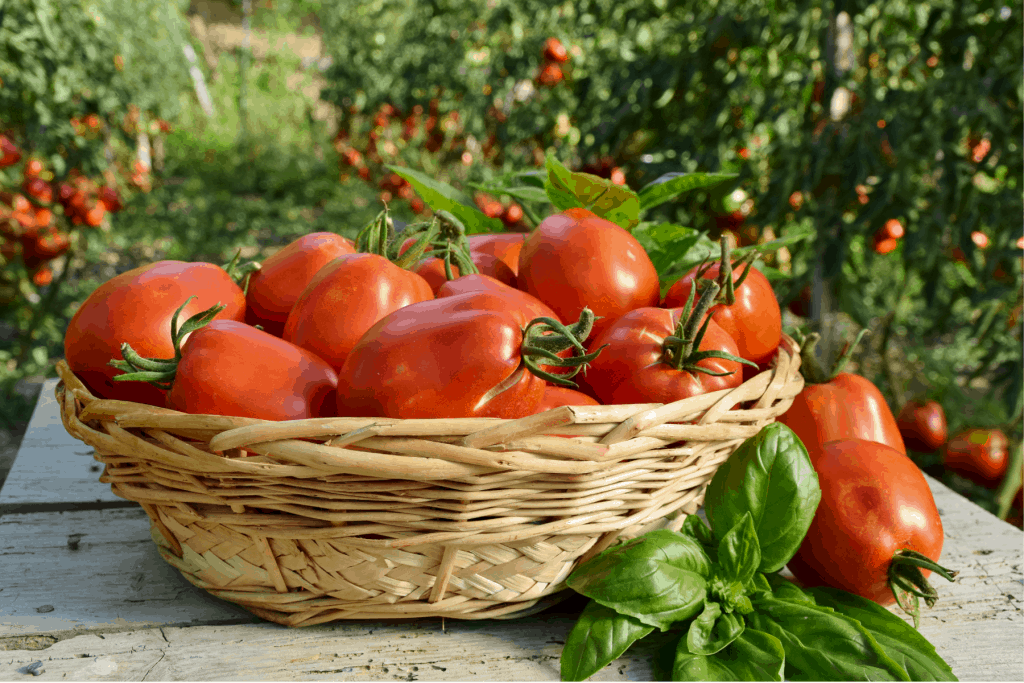
basil companion plants
  1. Basil

Basil is easily the most common tomato companion plant. It has been shown to repel aphids, white flies, spider mites, and hornworms which are all detrimental to tomato plants.

Basil also attracts beneficial pollinators after it goes to seed, and it can enhance the flavor of your tomatoes. 

Other great basil companion plants include: cabbage, bell peppers, potatoes, beets, beans, eggplant, and asparagus 

Basil is also a fabulous medicinal herb and can be used for respiratory ailments, inflammation, and upset stomach.

2. Thyme

Thyme deters the tomato hornworm and it works great as a ground cover to help control weeds.

Thyme is also an incredible medicinal herb, and is most often used in cough syrups to ease coughing. It also has antimicrobial properties.

3. Chives

Chives repel aphids from the garden. They also help to improve the flavor of tomatoes.

4. Sage

Sage planted near tomatoes can repel flea beetles that are known to eat the leaves of tomato plants. Sage also attracts beneficial insects to the garden.

Sage is also a fantastic herb for respiratory ailments and the lungs. It also helps increase memory function and aides in indigestion. It’s a fabulous herb for any mouth ailments, including sore throat.
5. Mint

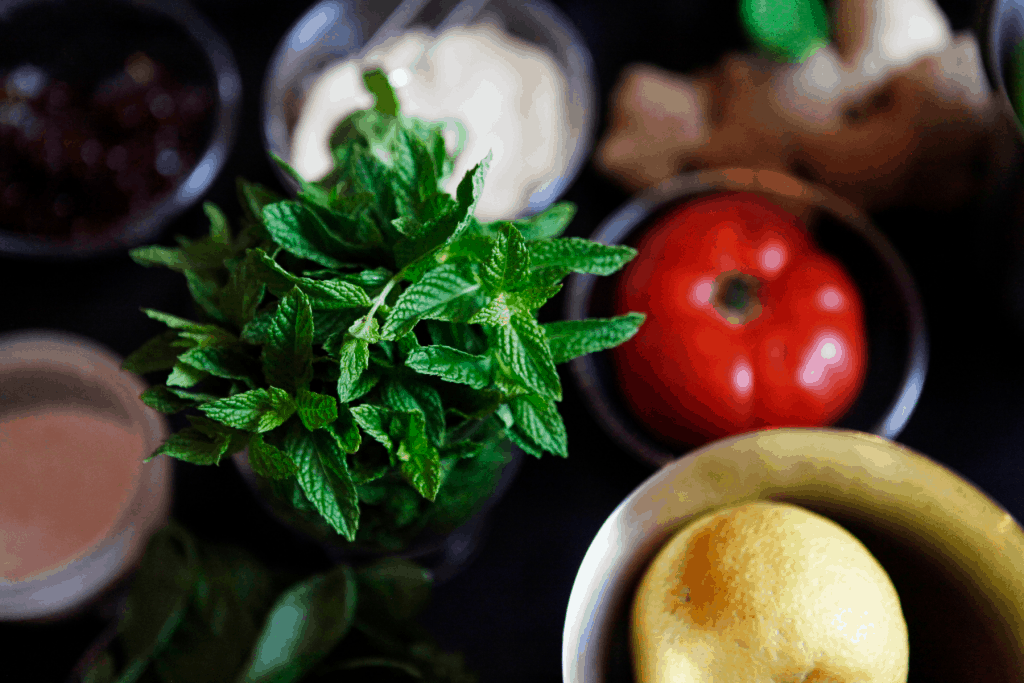
Mint is used to deter spider mites and aphids from tomato plants. This herb also works to improve the flavor of tomatoes. It is recommended to plant mint in its own container near the tomatoes because it can become invasive to your garden.

Mint is a natural anti inflammatory, headache and fever reducer, and helps aid in digestion.

6. Parsley

Parsley that has gone to flower will attract hoverflies which are beneficial insects that kill aphids. Parsley can be used as a trap crop as well. Plant sacrificial parsley near tomatoes to lure aphids away from your tomato plants.

7. Sweet alyssum

Sweet Alyssum is wonderful to plant at the base of tomato plants. This herb works well as a ground cover to control weeds, and it attracts pollinators to the garden.

8. Borage

Borage is known to deter tomato hornworms. It attracts pollinators, and it improves the growth and flavor of the tomatoes. Borage is also great to throw into the compost bin when it has reached the end of its life.

Borage also has some medicinal benefits, but should be used with care. It is known to help with respiratory ailments, dermatitis, and even arthritis.

9. Marigolds

The ideal tomato companion plant combination (second to basil & tomatoes) is marigolds and tomatoes. 

Marigolds are a triple threat in the vegetable garden:

  1. They repel harmful hornworms, slugs, and nematodes.
  2. They attract pollinators & parasitic wasps.
  3. They are edible & medicinal.

Plant marigolds along the edges of your garden or between tomatoes to reap these benefits. If you are starting from seed, be sure to plant the marigolds about six weeks before planting tomatoes in order to reduce the nematode population. 

Marigolds and tomatoes aren’t just the perfect pair because of growing efficacy. They are also great companions because both are edible in salads and other treats. Calendula (or pot marigold) is the best tasting marigold, and also has great medicinal healing properties when it comes to treating the skin of bruises, cuts, and more.

Join My Homestead Herbalist Course Today!

Other Common Tomato Companion Plants

10. Garlic 

The smell of garlic is known to deter aphids and spider mites away from tomato plants. Garlic also attracts beneficial ladybugs and parasitic wasps which kill tomato hornworms.

11. Onions

Onions release a pungent chemical that repels aphids. 

12. Carrots

Carrots can be planted near the base of tomato plants to help aerate the soil.

13. Asparagus

Asparagus repel nematodes that are harmful to tomato plants.
what not to plant near tomatoes

What Should You NOT Plant with Tomatoes?

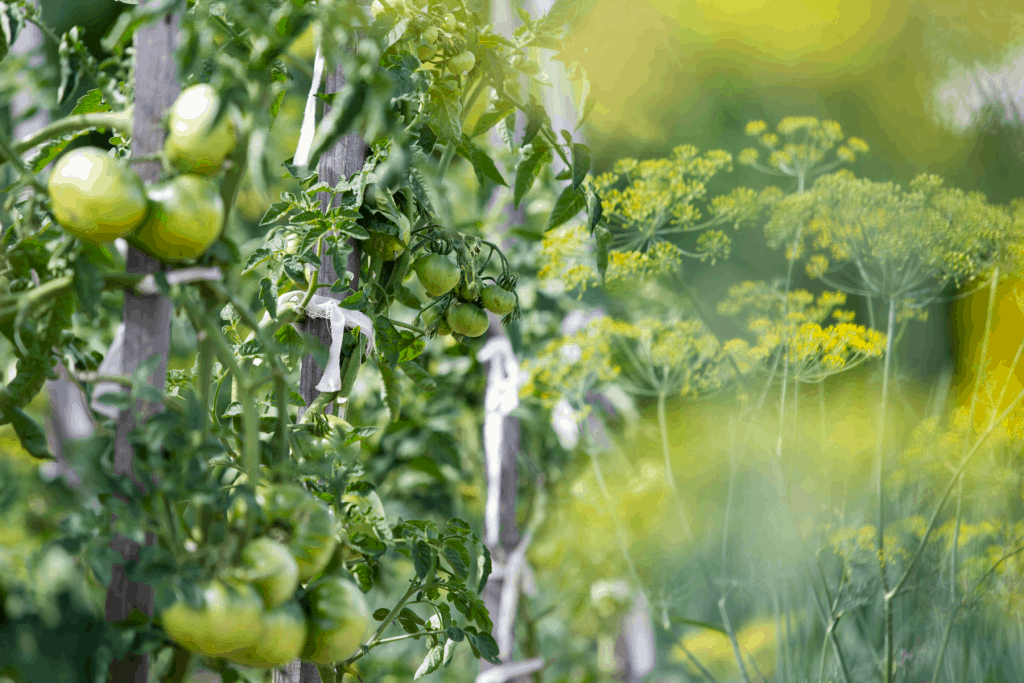
Dill

While dill does attract predators of the tomato hornworm, it must be removed before it matures or it will release a chemical that can stunt the growth of the tomato plants.

Fennel

Fennel attracts several beneficial insects, but it has been found to inhibit the growth of many vegetables. It is best not to plant fennel near any vegetables, especially tomatoes.

Brassicas

Plants in the brassica family tend to inhibit the growth of tomato plants. These plants also prefer a more neutral soil than tomatoes. This includes broccoli, cabbage, kale, kohlrabi, collards, brussels sprouts, cauliflower, turnips, and rutabagas. 

Corn

Corn is an attractant for the tomato fruit worm which can be detrimental to a tomato plant.

Eggplant

Eggplant is in the nightshade family with tomatoes. It is susceptible to the same diseases (like blight) and insects (like hornworms).

Walnuts

Walnuts produce a substance called Jugalone that will stunt the growth of tomatoes. Walnut trees produce this substance to kill off plants that are competing for nutrients. It not only stunts the growth, but can also cause Walnut Wilt. 

Potatoes

Potatoes are in the nightshade family with tomatoes. They are susceptible to the same diseases (like blight) and insects (like hornworms).

Peppers

Just like eggplant and potatoes, peppers are found in the nightshade family with tomatoes. Peppers are susceptible to the same diseases (like blight) and insects (like hornworms), so they shouldn’t be planted with tomatoes.


Ultimately, whether you choose to plan out your garden with companion plants, or just throw it all in there and see what happens, it’s good to know that all plants have a purpose, and a reaction. Take for example, marigolds and tomatoes being some of the best companions yet, and both having separate purposes for the homesteader. Marigolds and tomatoes truly are a staple companion in the garden.

Or take basil companion plants. Did you see how many companions basil has that could also benefit tomatoes? Likewise, there are some plants to stay away from. Each companion plant having its own harmonious (or not so harmonious) relations with the other plants in the garden.

Enjoy this garden season, and I hope you learned something fun!

Other Posts You May Enjoy:

  • 6 Medicinal Herbs to Forage in Spring
  • Home Remedies for Seasonal Allergies
  • How to Start Herb Seeds for Your Garden
  • Growing and Drying Your Own Herbs

By: Amy K. Fewell · In: gardening, herbs, homesteading · Tagged: gardening, herbs

you’ll also love

Client Case Study: Kidney & Liver Levels Balanced
Client Case Study: Seasonal Allergies Eliminated with Gut Healing
The Science of Herbs and How They Work
Next Post >

Yellow Rocket Cress | Wild Edible & Medicinal Plant

Primary Sidebar

meet amy

meet amy
hello!

I'm Amy. I love organic food but I love Oreo's. I love Jesus and His grace. I believe broken people make the biggest impact in the world when they share their stories. I believe in stories, and I'm sharing mine.

Read More

Connect

Search

join the tribe!

Ads & Sponsors

200x400

Advertise

Follow Along

@amy.fewell

If you’re trying to grow a garden while raising ba If you’re trying to grow a garden while raising babies, chasing toddlers, homeschooling, cooking meals, and keeping a home—you don’t need perfection. You need rhythms that work with your season of life.

Here are a few simple things that make gardening with little ones so much easier:

• Work the garden in the early morning or evening when the heat and sun are lower. It’s easier on your body, your plants, and your children.

• Harvest herbs and vegetables in the morning when they are most hydrated and nutrient dense. The flavor, oils, and freshness are often at their peak before the heat of the day sets in.

• Keep a kiddie pool, shaded tent, or simple play area near the garden so little ones can stay close, play safely, and still be part of what you’re building.

This is the beauty of homestead life. Children don’t always have to be separated from the work—they can grow alongside it.

The garden doesn’t just feed your family.
It disciples them too.
Three weeks ago during our Friday night fellowship Three weeks ago during our Friday night fellowship, a consistent topic or word would come forth out of the individuals sitting around the table. As I sat and listened to each one so deeply, yet differently sharing, I realized that on this night, we were all mostly saying the same thing. This is often how Jesus will work through a group of believers—bringing each one together to share in unity. But differently. 

I immediately recalled Psalm 126–especially the part about weeping. How we sow with our tears but we reap in joy. How those who continually go forth weeping bear seed for sowing. 

Our genuine cries do something—they produce, and they sow. It is where we can feel the burden of another. When one cries, it is contagious. But really it is the mercy of God that we feel upon us. 

There is not a fellowship night that goes by anymore without someone, or multiple people now, crying. We’ve learned to embrace it. Why? Because we reap a harvest and bring our sheaves with us as we rejoice. 

Each tear is a seed that sows deeply into one another. Into others. Into ourselves. Our tears have a genuineness that many things do not have. And when they are genuine, they produce great fruit.

Ever since that night, I continue to see this scripture being spoken over and over again from leader after leader. Post after post. 

The Lord is stirring. He is doing something in His bride. He is calling back the captives, the dreamers, the singers. “Once again,” He says. With tears and weeping we sow, and with tears and weeping we harvest—rejoicing joyfully.
If you follow people online, you often call them a If you follow people online, you often call them an “influencer”. Let me be the one to tell you that most of us in the sphere that I am in do not consider ourselves “influencers”. Some may consider themselves teachers, leaders, ministers, and more, but the term influencer has never been something we’ve enjoyed. 

The reality is this—we found ourselves in the middle of a crossroad on our timeline where someone needed to pick up a mic and speak truth in the midst of chaos. Most of us have no interest in being online at all. We wouldn’t be sad if the internet disappeared tomorrow. But we were handed that microphone, influence, and anointing to go along with it.

Don’t be fooled—it’s not because of algorithms and marketing plans. If you are succeeding in this online world or your physical sphere of influence for Jesus, it’s because you were given the open door to do so. It’s not about you. It’s about what God knows He can entrust to you for His will and kingdom. 

Some people chase after people, trends, validation, recognition, and the spotlight. But can I tell you what comes along with those things? Hatred, bullying, misunderstanding, monitoring people and spirits, people lying about you, persecution—and if you’ve really made it, threats on your life and persecution.

You see, people want the influence. People want to be close to a Kingdom influencer. But if you aren’t ready to roll with the good AND bad, then you’re not ready. 

Jesus was the OG influencer, and He was spit on, lied about, and killed for His influence. Follower of Jesus—you are told to prepare for the same thing in the world. No matter your influence level.

A time is coming in America where influence online won’t matter anymore, yet the outcome will remain the same. The time to prepare for that is now—spiritually and emotionally. 

But take heart, dear one. He has overcome the world. I speak to believers and leaders everyday who are truly influencing to make a difference—some online, some never touching a screen. 

Jesus is building His church stone by stone. Some of us have mics, some of us will never be broadly known to man. Yet the struggle is still the same. Pray for us.
This morning I made a Mother’s Day tea—this one is This morning I made a Mother’s Day tea—this one is for you, ladies! 

My hormones have been all over the place as I inch closer to 40 and begin to slowly wean our little one. I’ve been snappy and know I need more nourishment. My skin has been out of sorts and, moral of the story, my body needs help. This tea is great for anyone—but it is especially healing for women. 

The jar made in the reel is a concentrate (I used lots of herbs), meaning, I add about 1 cup or more (whatever you’d like) of this liquid concentrate to my pint/quart jar and fill the rest with ice and cold water. But the “amounts” would stay the same in “parts”. 

If I were to add one more thing to this tea, it would be lemon balm. It is also very calming and aromatic. But since lemon balm is growing fresh right now, I add a sprig of it to each glass made with this herbal concentrate when I pour. 

This blend is fabulously cooling, nourishing to the body, and especially beneficial to women of all ages. 

You can add raw honey to sweeten this tea, and it is divine. 

🌺 Hibiscus flower (Hibiscus sabdariffa)
An incredible antioxidant which helps support the immune system, reduces oxidative stress, and supports your health at the cellular level. It may also help with cholesterol and cardiovascular health. This is a wonderful cooling herb for summer time, peri- and regular menopause. (Use sparingly while pregnant).

🌼Chamomile
Most noted for its ability to calm, relax, and cool. It is an efficient gentle anti-inflammatory and works well for the gastrointestinal tract. It is a gentle nervine, making it ideal for the central nervous system.

🌿 Stinging Nettle
An extremely nourishing herb, it is rich in iron, magnesium, calcium, proteins, and so many minerals. Nettle is anti-inflammatory and anti-allergenic. Nettle will help build strength in your body, and nourish it to its core—every system in the body is nourished by it. It is a natural antihistamine, mast cell stabilizer, and tonic.

🍃Red Raspberry Leaf
Rich in minerals and manganese. It works effectively in supporting and toning the reproductive system. It is also great for use as an antacid, hormones, heart and eye h
Never give up. Never give up.

Footer

Learn More

Chickens
Homemaking
Herbs
Recipes
Devotionals

Info

About
Contact
Privacy Policy
Shop

stay in the know

Copyright © 2026 · Theme by 17th Avenue