
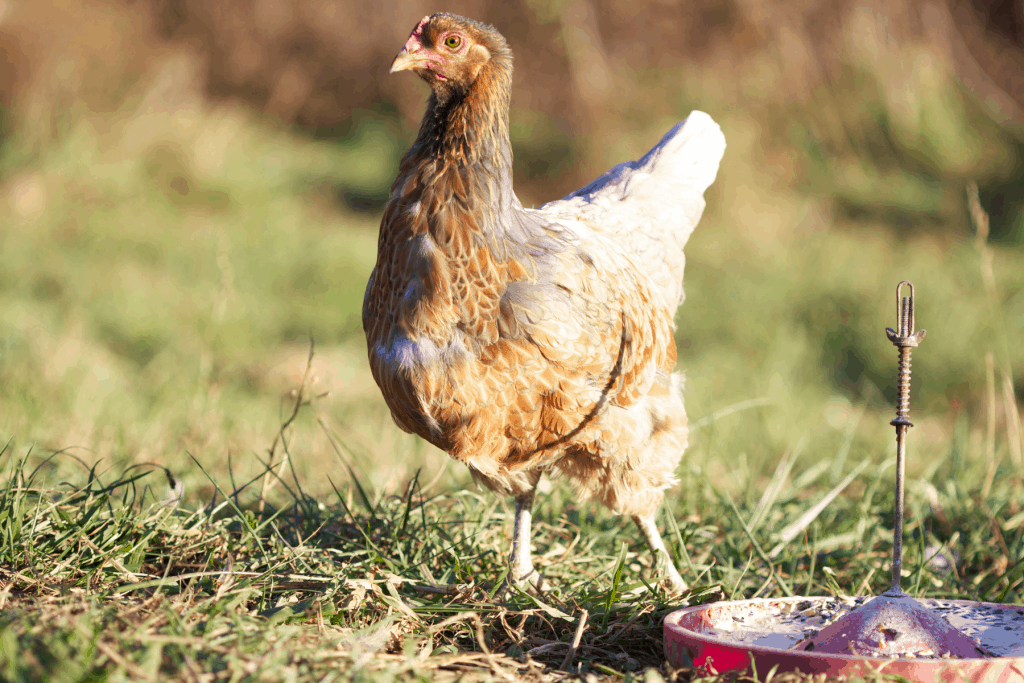
So you’re noticing that your chicken flock looks a little rough and featherless. But don’t worry, it probably just means they are molting. Molting is a natural process that is marked by chickens losing feathers in order to grow new healthy feathers. Sometimes it looks like a massacre has happened in your yard when your chicken’s have a complete feather blow out. Other times, it happens gradually.
Seeing your chickens molting can be a little scary especially if you have never experienced it before. Read on to find out everything that you should expect when your chickens molt and how you can help to make it a more comfortable process for them.
If your flock looks or acts sick in addition to the feather loss, you should examine them for other possible chicken illnesses.
KEY TAKEAWAYS
- Molting is a natural annual process where chickens lose old feathers and grow new ones, typically occurring between late summer and fall when daylight hours decrease.
- Feathers are composed of 80-85% protein, which is why molting chickens require increased protein intake of 20-22% and additional calcium to support healthy feather regrowth.
- The molting process lasts between 4 to 12 weeks and causes chickens to stop or significantly reduce egg production as their bodies redirect energy toward feather regeneration.
- Adult chickens experience their first molt around 18 months of age and continue to molt twice annually, with a major fall molt and a softer spring molt.
- Chickens with calcium deficiencies tend to experience hard molts where all feathers are lost at once, while chickens with adequate nutrition typically experience gradual soft molts.
The Chicken Molting Process
Molting is the process of chickens losing feathers in order to grow new feathers. This happens every year between late summer and throughout the fall. Chicken molting occurs from the top down feathers. Birds will lose their feathers on their head and neck, followed by the back, breast, thighs, and the tail feathers. Sometimes they lose all of their feathers at once, other times it is gradual.
Often times, chickens who are not getting enough calcium in their diet will lose all of their feathers at once, very quickly. You can learn how to support them later in this post.
New pin feathers will grow back in the same order as they fell out. These new feathers grow through a vein-filled feather shaft that has a waxy coating. This waxy coating will eventually fall off, and the replacement feathers will emerge.
Molting takes a lot of energy, so you may notice a decrease in your chicken’s egg production. This will pick back up soon, so no worries! Your chicken’s disposition may be a little off during this time as well, because molting can uncomfortable or painful for them, so they won’t feel their best.
Soft Molt vs. Hard Molt
There are two different kinds of molt—a soft molt and a hard molt.
In a soft molt, adult chickens lose their feathers slowly. It might even be difficult for you to tell that they are molting. A soft molt tends to be easier on the birds, but it does take a little longer
A hard molt is a rough molting process in which chickens lose feathers all at once, and they may look naked and rough. This happens more quickly than a soft molt, and it is more stressful for the birds.
The Emergency Molt Protocol: When Chickens Lose All Feathers Overnight
A sudden, complete feather loss—called a catastrophic molt—signals a serious nutritional deficiency that requires immediate intervention.
The 48-Hour Recovery Response:
Immediate Action (Day 1):
• Switch to gamebird feed (24-30% protein) or mix regular feed 50/50 with high-protein supplement
• Provide free-choice oyster shell in a separate container
• Add one scrambled egg per 3 chickens to their morning feeding
• Check for and treat any external parasites immediately
Ongoing Support (Days 2-14):
• Feed black oil sunflower seeds (2 tablespoons per bird daily)
• Offer mealworms or soldier fly larvae (1 tablespoon per bird, 3x weekly)
• Supplement with nutritional yeast mixed into feed (1 teaspoon per cup of feed)
• Ensure 24/7 access to fresh, clean water
Environmental Protection:
Suddenly naked chickens cannot regulate body temperature effectively. Provide extra bedding, eliminate drafts in the coop, and in temperatures below 50°F, consider a safe heating source like a flat panel heater.
Warning Signs This Isn’t Just Molting:
If birds also show lethargy, loss of appetite, pale combs, or labored breathing, these symptoms indicate illness beyond normal molting. Check out this list for other chicken diseases.
Most catastrophic molts resolve within 6-8 weeks with aggressive nutritional support, compared to 12+ weeks without intervention.
Why Do Chickens Molt?
After a while, chicken feathers start to wear out, become soiled, and break. This makes it more difficult for the birds to stay warm in the winter months, and to protect itself from the wind, rain, parasites, and infections.
When you notice your chickens losing feathers at the beginning of the molting process, they are simply getting rid of these old feathers in favor of new, stronger, healthier, feather growth.
When do Chickens Molt?
There are various different stages of molting when it comes to chickens.
Chicks go through a couple of molting sessions before adulthood:
- The First Juvenile Molt occurs around 6-8 days. In this first molt, chicks will lose their downy covering and replace it with their first real feathers.
- The males will go through a Second Juvenile Molt around 8-12 weeks. This is where they grow in their ornamental feathers.
Adult birds typically molt twice a year. The first adult molt usually occurs around 18 months of age.
The amount of sunlight in a day is the signal for chickens to start replacing their old feathers with new feathers for the new season. The main molt occurs with the onset of shorter days between late summer and early fall. A second softer annual molt happens in the spring as the days get longer.
You may also notice that your broody hens will molt after caring for their chicks.
Complete Molting Schedule by Age
| Molt Type | Age/Timing | Purpose |
| First Juvenile Molt | 6-8 days old | Replace down with first feathers |
| Second Juvenile Molt (Males) | 8-12 weeks old | Grow ornamental feathers |
| First Adult Molt | 18 months old | Complete feather replacement |
| Fall Annual Molt | Late summer/early fall | Prepare for winter |
| Spring Annual Molt | Early spring | Lighter feather coverage |
How Long Does Molting Last?
Molting can last anywhere between 4 to 12 weeks, but it varies from bird to bird. Younger birds tend to go through this process more quickly. Some chickens will take weeks to lose their feathers and some will lose them overnight (See Soft Molt vs. Hard Molt).
How to Help When Chickens are Molting
When chickens start losing feathers, they are more susceptible to diseases and infections. This is mainly because their immune system is down. It is important to pay close attention to your birds during the molting process and do what you can to boost the immune system of your flock.
Avoid Handling as Much as Possible
Try not to handle your chickens during the molting process. This is because their new pin feathers are very sensitive and handling can be uncomfortable (or even painful) for your birds.
Reduce Stress Where You Can
Keep stress levels as low as possible when your chickens are molting.
- Don’t introduce new flock members during the molting process.
- Keep the chicken coop and nesting boxes clean to avoid infection and dirty feathers.
Increase Protein & Calcium Intake
Increasing the protein and calcium intake for your molting chickens is very important, because feathers are made of 80-85% protein!
Ways to increase the protein and calcium intake of molting chickens:
- Purchase commercial chicken feed with 20-22% protein content.
- Increase the protein and calcium filled ingredients (like black oil sunflower seeds) in your homemade chicken feed.
- Make high protein treats to give your hard working birds a little extra protein.
High-Protein Treat Options for Molting Chickens
| Protein Source | Protein Content | Recommended Amount per Bird |
| Mealworms (dried) | 53% | 1 tablespoon, 3x weekly |
| Black Oil Sunflower Seeds | 28% | 2 tablespoons daily |
| Scrambled Eggs | 36% | 1 egg per 3 birds, 2x weekly |
| Soldier Fly Larvae | 40% | 1 tablespoon, 3x weekly |
Other Causes for Chickens Losing Feathers
There are a few other potential causes of chicken feather loss. If your chickens are exhibiting other symptoms or you suspect that they aren’t molting, check your flock over to pinpoint the reason for bare skin on your birds.
1. Rooster Abuse
If you have too many roosters for the number of adult hens that you have, they will mount the same hens continuously which can cause feather loss among other issues. The ideal number of hens/rooster is 6-8.
2. Lice or Mites
If your chickens have parasites such as lice or mites, they will constantly be preening themselves to remove the bugs. They will pull out feathers when they preen and this can cause bald spots.
You can treat mites with essential oils
3. Picking and Pecking
Sometimes chickens will establish their pecking order by, you guessed it, pecking each other. This can cause feathers to come out and sores to develop on the chicken’s bare skin.
Birds can also pick their own feathers if the feathers are dirty or uncomfortable to them.
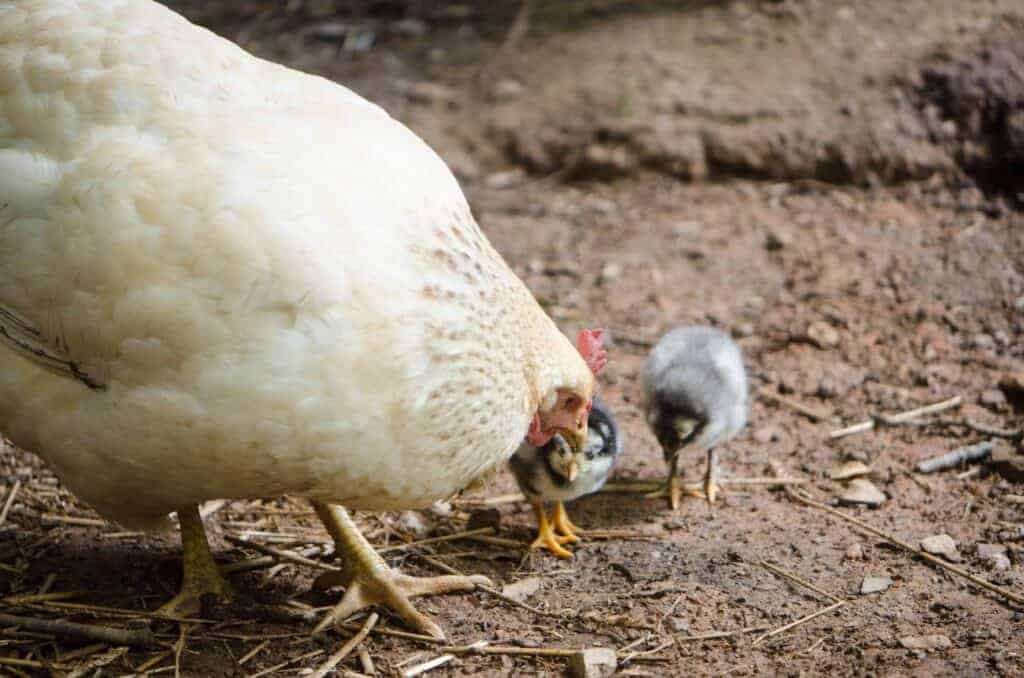
4. Broody Hen
Whenever a hen goes broody (tries to hatch eggs), she will often being losing feathers. This is partially due to her sitting on a nest all day and rubbing the feathers away. But it’s also because she lacks nutrition during that process.
If you have chickens molting, don’t worry! They will be back to their normal looks and disposition soon… plus they will have shiny, new, healthy feathers!
Frequently Asked Questions
Can chickens molt in the winter, and what should I do if this happens?
While uncommon, chickens can occasionally molt in winter due to stress, illness, or artificial lighting changes. If this occurs, immediately increase their protein to 20-22%, provide supplemental heat in the coop to maintain temperatures above 40°F, and eliminate drafts since they cannot regulate body temperature without full feather coverage. Winter molting is more dangerous than fall molting and may indicate an underlying health issue worth investigating.
Will my chickens molt every year for their entire lives?
Yes, chickens will continue molting annually throughout their lives, though the process may slow or become less dramatic in very old birds (6+ years). However, the duration and intensity can change—older hens typically take longer to complete their molt and may have a harder time regrowing full, healthy plumage. The fall molt remains the primary molting period regardless of age, triggered by decreasing daylight hours.
Can I prevent molting by keeping artificial lights on in the coop?
While artificial lighting can delay the onset of molting by mimicking longer days, it’s not recommended to prevent molting entirely. Chickens need this annual reset to replace damaged feathers and maintain their health. Preventing molt through constant artificial lighting can lead to exhausted birds, poor feather quality, weakened immune systems, and decreased long-term productivity. It’s better to accept the temporary pause in egg production.
Is it normal for some of my chickens to molt while others don’t?
Yes, it’s completely normal for chickens in the same flock to molt at different times, even if they’re the same age. Individual factors like genetics, stress levels, overall health, and whether a hen recently went broody all influence molting timing. Additionally, younger birds typically molt earlier and faster than older birds. This staggered molting can actually be beneficial since you won’t lose egg production from your entire flock simultaneously.
Should I separate molting chickens from the rest of the flock?
Generally, no—separation causes more stress than benefit unless a molting bird is being actively bullied or injured by flock mates. Chickens are social animals and isolation increases stress hormones that can slow the molting process. Instead, monitor the flock for aggressive behavior, ensure adequate space and multiple feeding stations, and only separate birds if you observe persistent pecking at sensitive pin feathers or bloody wounds developing.
Other Posts You May Enjoy:
- Naturally Treating Chicken Mites with Essential Oils and Garlic
- 16 Sick Chicken Symptoms & Sick Chicken Treatments
- Is it Safe to Reuse Egg Cartons?
- How Much Feed Do Chickens Eat?
- How to Preserve Chicken Eggs
- 6 Herbs for Your Chickens
MOST IMPORTANT INSIGHTS TO REMEMBER
#1 Protein is the non-negotiable foundation of healthy molting because feathers are made of 80-85% protein, making high-protein feed (20-22%) and supplements like black oil sunflower seeds and mealworms essential for complete feather regrowth.
#2 Molting follows a predictable top-down pattern starting at the head and neck and progressing to the back, breast, thighs, and finally tail feathers, with new pin feathers regrowing in the exact same sequence over 4-12 weeks.
#3 Hard molts and soft molts create dramatically different experiences where hard molts strip feathers rapidly and look alarming but finish faster, while soft molts lose feathers gradually, are less stressful, but take longer to complete.
#4 Pin feathers contain active blood vessels and nerve endings during weeks 1-2 making them extremely sensitive and painful to touch, which is why handling should be completely avoided during early molting stages.
#5 Chickens stop or significantly reduce egg production during molting as their bodies redirect all energy and nutrients toward feather regeneration rather than egg development, with production resuming once new plumage is complete.


Also, I’m super scared to catch mites and bring them in my house.. any thoughts? Did you have to deal with that?