
You’re probably here because you want to know about common chicken illnesses and how to treat them. Yes, of course you are! It happens to everyone at some point or––a sick chicken. You go and start your flock with a few chickens—everything in life is happy and grand. And then one day, you walk outside to a dead bird, a sick bird, or a “what the heck is wrong with it” bird.
That’s when the death emotion sinks in and you think you’re a failure at chicken keeping. The reality is that sick chickens or hurt chickens can happen to just about anyone. Of course, there are certainly things you can do to prevent illness and mishaps. Today we’ll talk about some of the common chicken illnesses and hurts, and also, how to treat them effectively.
Which Way to Treat a Sick Chicken?
First thing’s first—you need to understand that chickens are prey animals. Meaning, they can be a sick chicken and hurt long before ever showing symptoms of being so. This is why monthly (and even weekly) animal checks are important to avoid a sick chicken.
Look over each and every chicken as often as possible for you on your homestead. Pay close attention for common chicken illnesses. For us, at one point, we had a lot of chickens. It wasn’t possible to check them all over in one week. So we did monthly checks.
Next, you’ll need to figure out how you want to treat animals on your homestead—chemically or holistically? Or both, when it comes right down to it. We are not strictly “holistic” here. If holistic methods don’t work, I certainly go for the chemical method, or cull. However, all of the methods in today’s blog are about holistic treatment.
I always try hard to use my herbs and essential oils first for chicken diseases and treatment. We are a working homestead. Therefore, sometimes it’s better to cut our losses than throw $50+ into a $10-$25 chicken. It just doesn’t add up for us to do that. We certainly keep things on hand if something goes wrong, but for a single incident? Absolutely not. Culling is our choice when all else fails within reason.
Chicken diseases and treatment are simple though, once you know what you’re looking for. So let’s get started.
Looking for common chick illnesses? Try this blog post instead!

Prevention of Chicken Illnesses Is Key
If you take nothing else away from this blog, please take away this. Prevention on your homestead is essential. Many common chicken illnesses and issues can be prevented or at least counteracted. So, how do you prevent illnesses in your chickens?
Give Your Chickens A Healthy Diet
Make sure they have all the nutrients they need. Skip the GMO feed if you can. Organic is certainly best, but not possible for some incomes. If you want, you can make your own chicken feed.
Add Supplements to Chicken Feed
This is a really ideal way to help prevent disease and illness in your flock––add supplements to your chicken feed. I highly suggest adding things such as dried/powdered garlic, Diatomaceous Earth (DE), Black Oil Sunflower Seeds (BOSS), Oregano, and Turmeric into their feed and diet as much as possible. You can learn all about why we add these, and more about herbs for chickens, in this blog post.
Add Apple Cider Vinegar to Your Chicken Waterer
Apple Cider Vinegar (ACV) helps alkalize the body in any living being. It’s also great for gut and crop health in chickens because it’s filled with wonderful probiotics and has anti-fungal properties. A sick chicken will be your best friend if you give them ACV!
I do not suggest adding ACV to water during the hot months, as it can actually cause them to over heat more in the summer time.
Chicken Herbs and Snacks
Growing your own chicken garden isn’t always the easiest, but when you can set aside time to dry herbs (or order them online), and add it into their feed, you’ll see your chickens health improve dramatically.
Herbs and snacks such as garlic, oregano, thyme, marigolds, dandelions, violets, chickweed, red raspberry leaf, elderberry (dried), and autumn olive berry are great, wild grown options for your flock. We also like to use astragalus in our chicken feed. Some of these things you can find right in your own backyard. Others you can forage for. And still, others, you can grow yourself or order large bags of online here. They are a great way to help with chicken diseases and treatment.
Learn more about herbs and supplements for your chickens here.
Keep Essential Oils On Hand
Essential oils are a very quick alternative to harsh chemicals when you have a sick chicken. We’ve healed many a chicken strictly with Oregano and Melaleuca! You can find out more about EOs in my book, The Homesteader’s Natural Chicken Keeping Handbook.
Make Sure Their Forage Area and Coop is Safe
Ultimately, some things happen because of unsafe living areas. Whether it’s a predator attack, or a hen getting her leg caught in some contraption—do a check on your barn, coop, and foraging areas often. Rid these areas of any potential safety hazards for your flock and yourself.
Chicken Diseases and Treatment
Now that we have the prevention part of this equation down, let’s get right down to the sick chicken––common chicken illnesses and treatment. You’re probably reading this blog because you need help right here and now. You now know how to help prevent illness, but that doesn’t help you right in this moment if your chicken is ill or in pain. Here are some common diseases and the the treatments for them.
Lice and Mites
We had our first run in with lice about 6 months into our chicken journey when we bought lice infested chickens from someone we thought we knew well, but in fact, were stuck with sick chickens. I made the mistake of treating them chemically, and almost ended up in the hospital myself. After their first treatment, I learned of a much better way to continue treating them (as they need to be treated for an entire month).
Lice and mites transmit from other birds. However, if left long enough, can become an epidemic and kill your chickens by feeding on their blood supply. It takes awhile to get to that point, which is how we knew the chickens had lice before they arrived here (and none of my other flock had them, but had to be treated still). Should you find yourself with an anemic chicken, raw red meat in his/her diet is essential to get their iron levels back up.
The safest and best treatment: This needs its own blog post, and lucky for you, I wrote one specifically for this. Go find out this amazing treatment here. I have gotten so much amazing feedback from it over the years. I know it won’t disappoint you!
Scaly Leg Mites
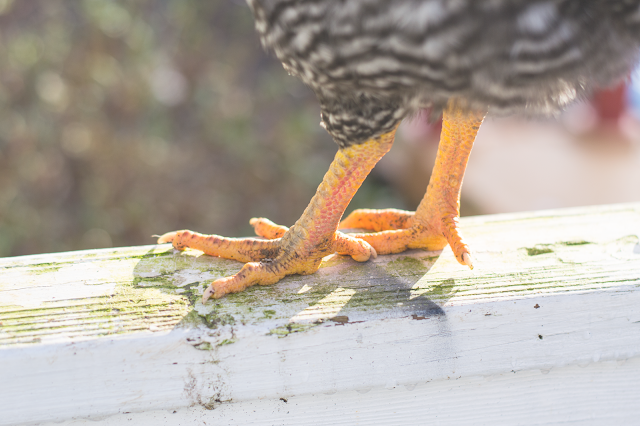
Scaly leg mites are very similar in transmittal as lice and mites for chickens. However, I have read some pretty crazy “treatments” online for it. Someone even suggested you douse the legs in gasoline or kerosene. Please, do not do that.
The safest and best treatment: Soak your chickens legs in a warm water bath with dish liquid. Scrub their legs with a toothbrush to help loosen any dying scales. Dry and slather both legs and feet with a thick oil such as coconut oil, neem oil, or olive oil. This will help smoother the mites and allow for quicker growth of new scales. Add this oil to the legs of the chickens for at least 4 weeks, once or twice a week. Offering the same DE and wood ash dust bath to your chickens is also essential. You’ll also need to clean out the entire coop, dust with DE (without the chickens inside the coop) and make sure you’ve gotten all of the old bedding out. Don’t forget to dust the roosts as well!
Coccidiosis
Cocci can be a vicious parasite in your flock’s digestive tract. A sick chicken with cocci can be fatal. While it mostly attacks younger digestive tracts, such as with chicks, it can also attack your adult flock as well. This would cause diarrhea, unusual feces, blood in feces, and even death if left long enough.
The safest and best treatment: Kocci free is a very effective treatment. We use many of the Vibactra plus products on our homestead. They are an incredible source for herbal remedies. In fact, you can use Kocci free as a preventative as well once a month. Simply add it to their water.
Chicken Respiratory Illnesses
Many new chicken owners freak out when they notice their chickens sneezing or wheezing. But it’s not always the “worst”. No, chickens do not get “colds”, however, their respiratory tracts are extremely sensitive. A little more dust than normal in the coop can cause sneezing and wheezing.
The safest and best treatment: Clean the coop out and lay down a less dusty bedding, especially in the summer months. We prefer cardboard bedding in the summer months. Make sure you air out your coop before putting in new bedding, and make sure your coop has good ventilation so that dust can escape easily. Many times, respiratory issues arise because of dust, too much ammonia in the coop, or pollen. This is one of the most common chicken illnesses in the book! So make sure you know what you’re looking for.
Mycoplasma Gallisepticum and Mycoplasma Synoviae Infection (MG/MS)
Mycoplasma is a completely different issue that we really need to talk about in the chicken world. We experienced what I believe was a case of MG here the very first month we started with chickens. The chicken, thank goodness, was on our property for less than 48 hours and was quarantined (and immediately culled), but it was scary, to say the least.
Number one — ALWAYS QUARANTINE NEW CHICKENS. We learned our lesson and are thankful we did.
MG and MS are respiratory bacteria that can seriously sicken and kill your entire flock. It is extremely contagious, and can even be spread by clothing and shoes. Many chicken experts will tell you that MG and MS are not curable, but I have to respectfully disagree. If preventatives are used, and if caught in time at the first symptoms, I absolutely believe that MG and MS can be cured. It is, after all, simply a bacteria.
Chicken diseases and treatments can be simple or complicated. I’m going to try to make this as simple as possible.
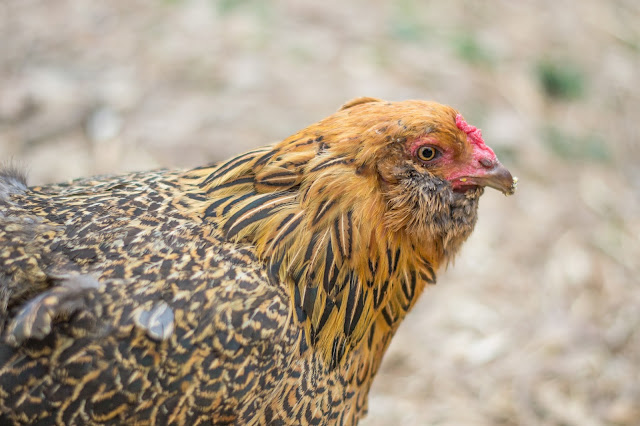
Symptoms of MG/MS: Wheezing, gasping for air, puffy face and swollen eyes, sneezing, sinus drainage, swollen joints, lethargy.
The safest and best treatment: You’ll need to be aggressive with this one. Oregano (antibiotic) in their feed and water at all times during treatment until symptoms have completely passed for ALL chickens. Add turmeric (immune support and anti-inflammatory) and garlic (antibacterial) to their feed as well. Separate any infected birds as much as possible, but treat ALL birds the same. Chickens can have MG/MS and not show symptoms until stressed or weak, which is what happened to us when we brought in a new chicken. Within 24 hours, she was literally on her death bed when she was fine the day we bought her.
Your chickens will need to be treated until ALL symptoms are gone. You should also not visit other farms unless you plan to change your clothing when you get there. And do NOT sell chickens or hatching eggs from your property for at least 4 weeks after symptoms are gone.
Infectious Coryza
I don’t have any experience with IC, but I’ve read enough, and experienced enough through others, to know that IC is extremely detrimental to any flock. Once contracted, it is extremely hard to get rid of. And can live in your soil for awhile. The fatality rate is extremely high and depressing even with treatment. I have no advice to offer you on IC except that you can treat the same way you would treat MG/MS, however, if it spreads to your entire flock viciously, you may very well consider culling and starting all over again after a 4 week waiting period.
Sour Crop
Sour Crop is probably one of the most common issues on a homestead when it comes to chickens. At least, it seems to be. We’ve actually never had the issue here, but have had friends with sour crop. Sour crop happens when chickens ingest something that is too big for them to pass through the crop. It can also be fungal, as things can begin to ferment in the crop and cause more issues if not passed properly.
The safest and best treatment: Giving your chicken ACV and olive oil in the crop will help tremendously. ACV has anti-fungal properties, and therefore can help tone down that yeastiness in the crop. You can add oil to your chickens crop and massage her crop, holding her upside down, to help expel anything that may be lodged or compacted.
Bumble Foot
Bumble foot is another very common issue on the homestead. This happens when your chicken has stepped on something, such as a thorn or has gotten a cut on their foot. The thorn or cut then becomes infected, causing a sore type lesion to pop up on the botton of their foot or in between toes. It can affect their walking, and if left long enough, the infection can spread to their entire body.
The safest and best treatment: You can pick the scab off of the bottom of the foot and expel any infection that way, and also release the core of the issue (if it’s something lodged inside the foot). Or you can wrap the foot with a bandage soaked in tea tree and oregano essential oils. This has proven to be extremely successful for us, as the tea tree oil is antiseptic, and the oregano oil is a natural fighter of infection. You’ll need to do this, daily (direct skin contact with a swab soak in the oil under the bandage) for at least a week or until symptoms begin to subside. This also allows your chicken to walk better with the bandage and extra padding so that it can heal quicker.
When all else fails, you may choose to take a chemical route. However, we have not had to do that in over two years with preventative methods and herbal treatments. Common chicken illnesses are a dime a dozen, but chicken diseases and treatment don’t have to be dramatic or complicated.
Go with your gut, because most of the time it never steers you wrong. And remember that if you lose a chicken, you’re not a bad chicken keeper or homesteader. Sometimes, these things just happen and they are out of our control. More than anything remember, prevention is key!
Other Chicken Posts You Might Enjoy:
- How Much Feed Do Chickens Eat?
- 10 Easy Steps to Start Raising Chickens
- How to Make Deep Cleaning Chicken Coop Cleaner
- Herbs for Your Chickens
- 3 Common Chick Illnesses and How to Naturally Treat Them
- A Guide to Buying Baby Chicks
- Homemade Anti-parasitic Tincture for Livestock
- Naturally Treating Bumble Foot With Essential Oils and Herbs
- How to Make Homemade Chicken Feed
- Naturally Treating Chicken Mites with Essential Oils and Garlic
- Using Astragalus to Boost Your Chicken’s Immune System
- 16 Sick Chicken Symptoms & Sick Chicken Treatments


Hi! Do you just add the dried oregano to their water or if it’s fresh, just put it in a bowl? Same with garlic? And the turmeric powder? Add that to the water? Thank you’
You can just add it all in!
Add ALL in to their water or their food? How often do you need to give this to the flock?
I loved all your inline info you gave, I have a rooster who is showing signs of mycoplasma, I’ve taken him to vets and he was given injection and antibiotics for him and the rest of my flow but after recovering as soon as I put him back with the rest of the flock he got it again. I was so worried and love him and got him to breed with my Rhode Island’s and I thought I would have to cull him. Thankfully after finding your website and giving turmeric, oregano and garlic he starting to make recovery. Thank you so much and I now know he will always have so I will have to keep an eye on him but at least he can live a comfortable life and I won’t have to end it for him sooner then needed. Thank you.
This has helped me so much, bookmarking!! Thank you!! New to chickens, and we have one wheezing and sneezing and one with bumble foot, and we are making steps to help them both. Thank you 🙂
I have a young chicken with bad sores over her body not sure if she is being picked on or has a bad skin condition. The sores are quite deep with scabs on. I managed to get a lot of them cleared up by salt and antiseptic baths and vetercyn, but I noticed a few weeks later they have come back. What would be the best treatment for this. Thanks
Id recommend that you keep doing the vetericyn, but also consider Icthamol or black drawing salve. If she IS getting picked on, this will stop it.
I am currently a week and a day in with a respitory issue I feel like all but two of my hens showed any signs of snicks and sneezes I recently had bought 2 chicks and it seemed to spread over night to 7 hens and 2 roosters I feel like I’m in the thick if it and gave soooo many questions
One of our two pet hens is barely moving around the hen house and is not roosting or going out to play. She had much poop stuck on her tail feathers last week. I washed them clean, put cocoanut oil, vitamin E oil and 3 way antibiotic on the red and bald areas around her bottom. I thought she was sore from the feather loss but a week later she’s barely moving around. She is eating and drinking but very little. Today I used a syringe to get diluted oregano oil in water into her and gave her wet bread. She does not lift her back end feathers as is normal when walking etc. I put her in a small kennel today in the hen house to better monitor her and remove any stress as she also lives with two ducks and a rooster.
Do you just use tumeric powder right out of the package? We mix it with water, oil and pepper to make golden paste for our arthritic dog . Just want to use it to get full benefits for our flock
You can use it out of the package, or you can used shredded turmeric.
Hi! I came here to read about Mycoplasma MG, I am investigating to see if my flock had it back in the spring, it’s interesting you say to wait 4 weeks after symptoms before giving away chickens or hatching eggs, from what the vet told my friend whose flock had it, she has to shut down her flock forever and never breed again etc. She said once your flock has MG your basically doomed and have to cull and wait 3 months to let your coop sit, or just let your birds live out their lives till they die without ever letting new ones in. But your post gave me a bit of HOPE to hear the 4 week wait thing. Do you have any experience with MG not coming back? or does it always come back? Anyhow, sorry for the super long comment lol, just hoping my flock isn’t doomed! i am getting them tested officially to make sure this week.
If your flock tests positive for MG, you’ll probably be required to cull them all. I have dealt with flocks (not my own) that have MG (without officially being tested), and some in the flock died, but the rest recuperated and did just fine. There is controversy as to whether MG is curable or not, and I can’t attest to that. I CAN tell you that these flocks flourished afterwards with herbal protocols. As to whether or not the chicken keeper kept the flocks closed after that, I have no idea.
Wow this great!
I have a very young chick with a facial ‘wart’.I do not know how to treat it,I have teramycin powder and I app
lied it as an wet paste.?could that help?
thanks .Dot
[email protected]
My hen she has a hard belly/butt. Not eating much or doing any activity. Just sit in isolation. Her bottom seem very hard when pressed on. I do not think she is egg bound, I don’t know what’s wrong. This is the second chicken that have this issue. I had to cull the first one last year after 3 weeks of trying curing her with wrong technique (we though she was egg bound). Now this the second time with same issue and she lost all her weight will most likely pass tonight. I heard of “water belly”, but still not sure what is wrong with her or how to treat this issue. I hope you can help? Thank you!!!
Good evening.
My chickens are suffering from some that i have never seen before. They have a pimples on their eyes that changed to be a lump. Please can you advise on that
I have a 2week old chick with a wart on the face.Next to the beak.How can I treat it.It seems to be getting bigger.
Have a hen with one eye foam/matted up and runny nose not getting out of coop, was attack by other hen when first introduced to flock was good until then.
Hello Amy! Just discovered your blog and YouTube channel and am finding them both very helpful! I have a question. How much oregano, turmeric and garlic do you add to the water/food?
I have a young polish chicken from this spring, found her Friday night Lundy laying in the outside pen not moving, put her in isolation with food & water she was eating & drinking well, grandson Friday nite out another young polish chicken from this spring also in with her, from Saturday nori g till now she flips on her side & can’t get up on her own when I sit her up she can stay in that position till her moves slightly then falls back on her side, tonight (Sunday) I went to feed all the chickens & chicken in her she was on her side so I set her up & put her by her water she is drinking a lot, but doesn’t want any feed, I will go out later & check on her, is there anything else I can do for her, don’t know what happened to her😢
Can you help me .my chickens is sitting in one place.When i see again they are dead.some of them looks like they broke there neck they are sithing an twiching
I have 2 broiler chicks that are 2 weeks old, I notice that they are gasping and find it difficult to breathe, and they always drink water like thirsty chicks. What do you suggest as a treatment?
Good morning I have a question about my Rooster. He hurt his toe and lost the end of his toe. That toe swollen up and he had problems walking we have treated his legs thought he might have mites that worked for a minute now he’s sick again it to hot to do ACV in the water . We have cleaned his toe and give him antibiotics but he just not getting better . Any suggestions ? He around 8 yrs old .
Yes how much vinger do you add to the water? thank you.
Thank you Amy for this article. I think it has been the best article I have read on treating chickens for sickness. I grow a lot of herbs. Now I am going to grow more oregano. just a bit of information. I live in Texas. There are stores here that sell fresh turmeric. Central market does for sure. I am going in a few days to get some, and shred and freeze it in small containers. I’m sure other states have stores that sell it as well. I know organic powered turmeric is easier to get. Just as effective. But I love fresh. I wonder if you have ever tried to grow it yourself?