

You’re here to start a medicinal herb garden, and I’m here to help! When you begin your homesteading journey, you typically start because you want to become more self-sufficient. It often looks like getting a few chickens, maybe some goats. But the one thing I most often find surprising is that many homesteaders quickly bypass the thought of creating one of the most important additions to their homestead—a medicinal herb garden.
If you’re homesteading because you want to take control of your food, and because you want to become more reliant on yourself than a system, then taking control of your healthcare is just as important as taking control of your own food system. Growing herbs is your best option. In fact, inevitably, on a homestead, at some point or another, you’re going to need a doctor, stitches, or come down with an illness that needs medical attention. What then?
The argument is quite good in the case of growing herbs. Especially your own medicinal herbs, and venturing into holistic healthcare. Just as you need food and water, you need good health in order to keep your homestead running.
Where do you begin? How do you even start a medicinal herb garden?
It’s the question that homesteaders often ask, normally out of fear of getting it wrong or growing something that could poison your family. But starting your herb garden isn’t as overwhelming as you may think.
How We Got Started Growing Herbs
As you may remember from past articles and posts, our homesteading journey actually began with holistic medicine. It didn’t begin with chickens or livestock, not even gardening. It began when my oldest son was diagnosed with childhood asthma, and that’s when I decided it was time to take control of our lives—our food, our exposure to chemicals, and our healthcare. I quickly began researching herbs and essential oils that could help us, and I found it far less overwhelming by narrowing my search down by 3-5 different reasons I wanted to take control of my health.
My initial reasons for growing herbs and a medicinal herb garden looked a lot like this—asthma/respiratory, seasonal allergies, common cold/flu, wounds, pretty things. Yes, pretty things, that was definitely on my list. I wanted some herbs to just be around for their aromatic reasons, like lavender, and yet be pretty, too. I failed miserably at lavender all three times I tried growing it, but I’ll continue to try!
But as our homesteading journey expanded, so did my needs. My list now looked a lot like this—respiratory, common cold/flu, nausea, leaky gut, boils/cysts, chicken health, bleeding, tooth ache, broken bones, deep wounds, high blood pressure, migraines, rabbit health, parasite eradication, culinary uses, and so much more. Wow, what a list, right?
As we dove further into homesteading, I found that when the simple things worked, I wanted more. I wanted to dive more into herbalism and essential oils. I didn’t just want to only grow for the common cold, I wanted to grow for everything that we may need, and preserve it for long lengths of time (like creating tinctures, salves, soap, and more).
Get my book, The Homesteader’s Herbal Companion, and learn more about growing, tending to, harvesting, and using herbs in your home!

Choosing Where to Grow Herbs
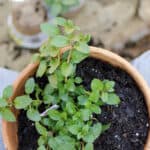
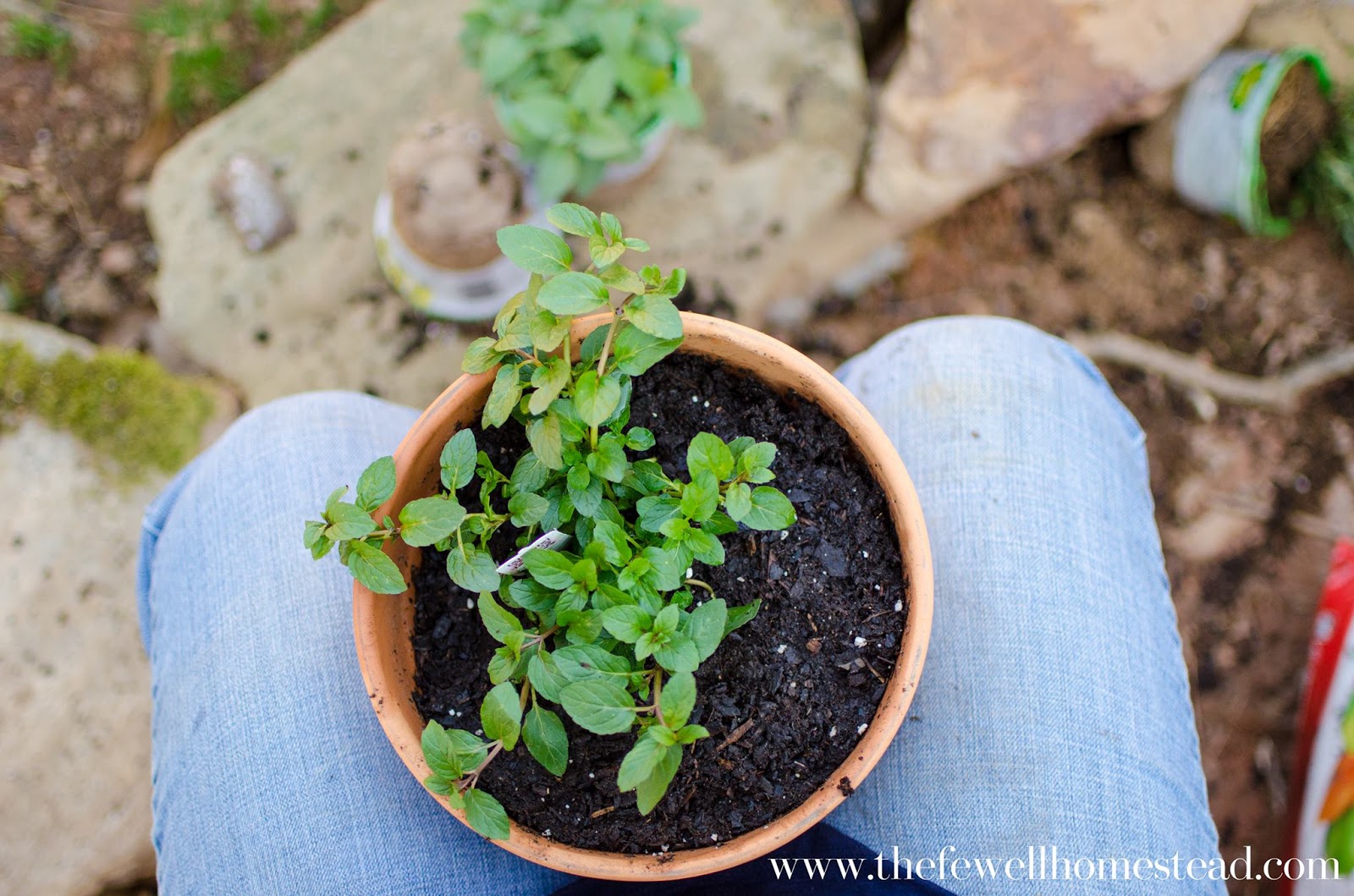
Over the years, I’ve utilized a lot of containers and garden beds, and rightfully so. They are easier to manage, can be moved with the sunlight, and they look pretty! I first began growing herbs in pots (typical flower pot) or large containers (think 10-15 gallons). They thrived in both. Being mindful of the herb, I was able to successfully grow peppermint, echinacea, thyme, rosemary, oregano, lemon balm, cilantro, and spearmint in containers the first year I began venturing into herbalism. Some were strictly for medicinal uses, others were medicinal and culinary.
You can grow herbs in just about anything. You truly can start a medicinal herb garden anywhere. Herbs are very forgiving, unlike the carrots that suffer my wrath each year.
If you’re just getting started, try the containers. Container herbs can easily be grown on the back deck, and even in a window sill. Just be sure you prune back creeping herbs, like lemon balm and peppermint, as they spread like wildfire. In all honesty, they belong in a bed where they can grow for miles, but containers do work well for them when maintained properly.
Should you choose to create a garden bed specifically for herbs, as we did just this past year, keep the creepers in mind as well. For example, you don’t want to put lemon balm in a group of low growing herbs, as the lemon balm could suffocate them. But for herbs like Black Eyed Susan, the lemon balm can easily grow close to the ground while the Susan’s soar tall. Then again, sometimes it’s best to give it a garden bed of it’s own. The nice thing about creeping herbs is that they do pretty well in partial shaded areas, and sometimes even full shade, so planting them at the base of a tree isn’t out of the question.
You can learn about 14 herbs that grow in the shade here.
Choosing & Growing Herbs
It can be quite fun when choosing which herbs to grow in your medicinal herb garden your first year. Many homesteaders start growing herbs for culinary purposes, and they would be surprised to find out just how many of those culinary herbs are medicinal as well.
That being said, don’t overwhelm yourself the first year you begin your medicinal herb garden. Here are the things I suggest contemplating before choosing your herbs.
- What are your top 3-5 reasons.
Sitting down and writing out why you want to get started in medicinal herbs really helps move the process along. Choose 3-5 things that you really want to focus on for your family or homestead. Whether it’s common colds, allergies, headaches, blood pressure, wounds, livestock health, or simply preventative health (like incorporating oregano into your chicken feed as a natural antibiotic and preventative, or preventatives for your family), write down your 3-5 top reasons, and then research your herbs, choosing only one herb for each reasoning, unless you feel completely confident in taking on more your first year. **Make sure you do your research on herbs that should not be used if you have certain medical conditions, or are nursing or pregnant. - Consider your hardiness zone. Some herbs are more heat and cold tolerant than others. You’ll need to research thoroughly (after you’ve chosen your herbs) to see if you’ll need to house your growing herbs indoors, or if they will be ok outside during their growing season. Some herbs may need to be started inside before Spring, while others can be directly sown into the ground and do better because of it.
- Prepare your spaces and methods of growing. Think out your spacing ahead of time. For herbs like thyme and oregano, I use them often in meals, so I still grow them in containers on my back deck. I can bring the containers indoors when it gets too cold, or regrow them from seed the following year. If you’re not growing in containers, prepare your ground or raised beds ahead of time. Once you’ve planted your plants or seeds, mulch the area liberally so that it dramatically cuts back on weed invasion and requires little maintenance.
- To harvest or let go to seed? That can be a big question. If you love the herbs you’ve chosen, you may consider letting many of them go to seed so that you can seed save, or allow the seeds to naturally fall to the ground for perennial growth. Don’t harvest everything all at once, only to be disappointed that you didn’t hold back any seeds or let the seeds naturally re-seed the soil beneath the plant. Have a list ready, a sort of garden journal, so that you can remind yourself not to harvest everything at once. In fact, you may not want to harvest most things all at once anyway. You can get multiple harvests throughout the season off of one batch (even a container) when only taking the top portion of herbs, or only taking a section of the batch (cutting down to the ground for new growth).
- Preserving your harvest can be daunting without proper preparations. To ensure proper preservation and space (because your herbs are going to be harvested in bunches at times), make sure you have your dry racks, dehydrator, and product materials necessary before you need them. If you’re planning on making tinctures, go ahead and buy the alcohol ahead of time. If you’re hoping to dry herbs naturally, without an oven or dehydrator, create your drying spaces and racks weeks in advance so that you aren’t scrambling and then end up losing your precious harvest because you didn’t have time to preserve it properly.
Don’t Forget About the Wild Herbs
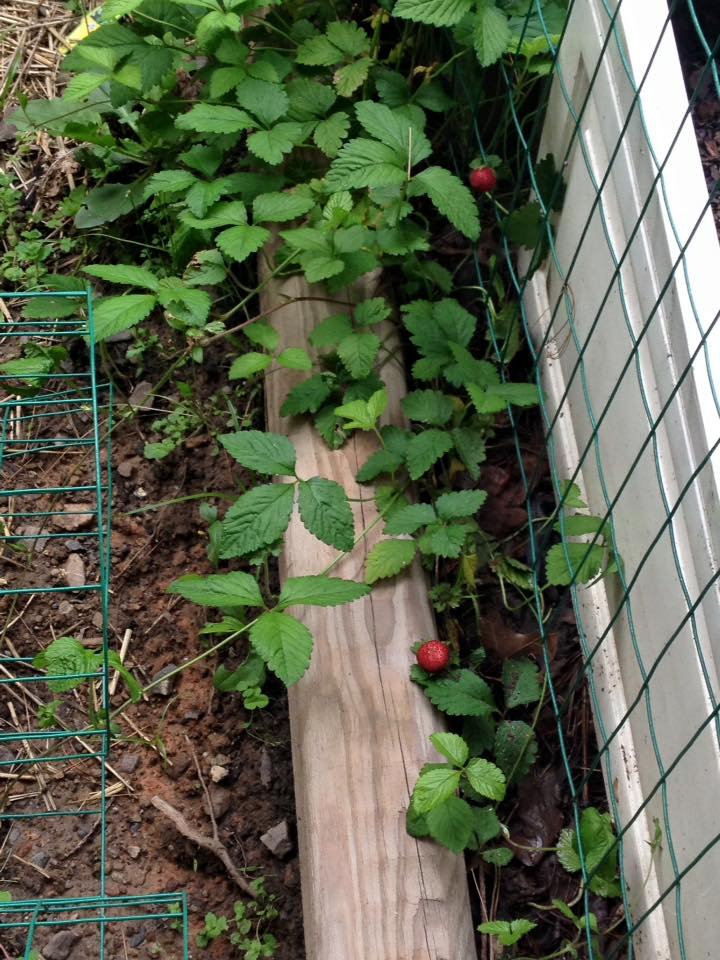
Each year, when cleaning out my medicinal herb garden, I always let a few of the wild strawberry vines grow among the rest of the herbs. Before you rip up those pesky vines or weeds, do a little research. You just may find that the weeds growing in your flower beds and backyard are actually medicinal wild forage that can be used on your homestead and for your family. Instead of ripping them up, encourage them to grow.
Take these wild strawberries, for example. Strawberry leaves have one of the highest sources of Vitamin C in a wild growing plant. It can be used for aches and pains, as a diuretic, dysentery, rash, ulcers….the list goes on. Just be sure you properly research how to preserve and use wild herbs, as some can be poisonous in their raw form.
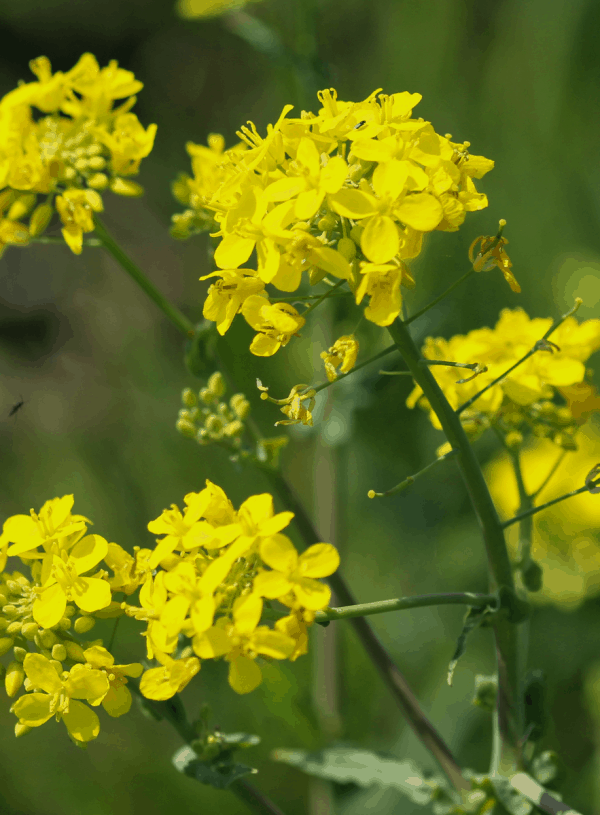
You can learn about one of those wild herbs called Yellow Rocket Cress here.
Some of My Favorite Herbs to Grow
To get you started, here are some of the most common herbs that people grow when they first begin, and what they can be used for.
Oregano
Oregano is most popular for it’s anti-bacterial and anti-fungal properties. It also has anti-inflammatory, antioxidant, and anti-parasitic properties as well. Over recent years, many hatcheries and commercial poultry farms have been using oregano and thyme to combat parasitic and infectious issues in their chicken flocks. But more importantly, they use it as a preventative and as a replacement for commercial antibiotics—though not all have made that switch.
Oregano has been proven to kill MRSA, show anti-cancer properties, and aide in respiratory health as well.
Garlic
Garlic is a fabulous preventative on your homestead and for your animals, but it’s also necessary for your health. Now days, garlic is more widely known for its ability to help with high blood pressure and heart issues. Garlic is also now know to help prevent several different kinds of cancer, and even has anti-inflammatory properties. Garlic is naturally anti-bacterial, which means it can help rid the body of infectious bacteria, and can even help treat the common cold in children.
Garlic can treat fungal infections, fevers, cough, sinus congestion, low blood sugar, diptheria, whopping cough, ringworm, and more.
Thyme
Thyme and oregano are often used together in culinary dishes. But they are also often used together when it comes to medicinal purposes as well. Thyme is most commonly used to aid in respiratory and digestive issues. It has been proven to aid in respiratory conditions like asthma, bronchitis, and whooping cough. Thyme also helps with parasites (internal), fungal infections, anxiety, kidney issues, and more.
Peppermint
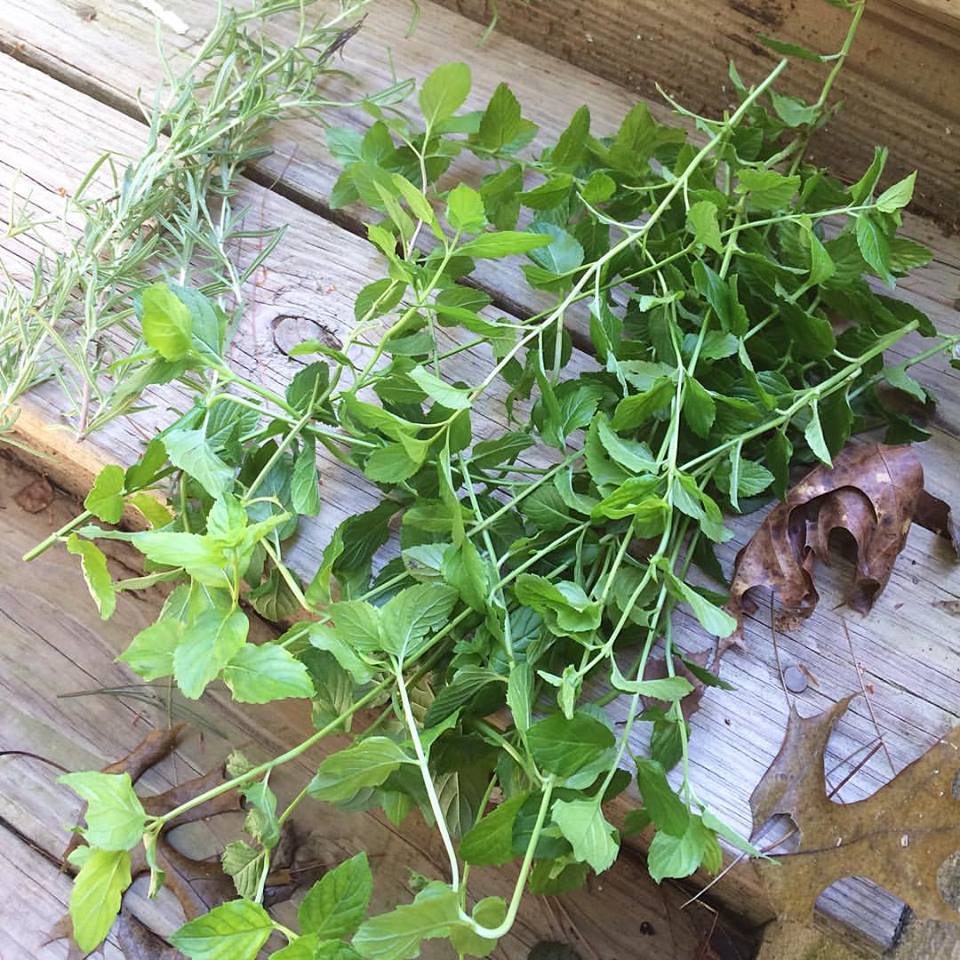
My friends, every single person in the world should grow peppermint. It is literally the easiest thing to grow, and it has incredible medicinal benefits. It’s widely known for it’s ability to help with nausea. If you’ve eaten something that didn’t agree with you, or just feeling nauseous, this is the herb you want. Tea form is best for nausea. Peppermint can also help treat IBS symptoms, colic, and gastrointestinal disorders.
The other thing peppermint is well known for is its ability to aid in respiratory health. For people who suffer with asthma or restricted airways, peppermint is a must have. During allergy season, when our airways become restricted, we go out and pick a peppermint leaf, rip it in half, and inhale deeply. It instantly opens our airways and brings relief. In studies, peppermint (essential oil) was proven to almost immediately reduce the pain and inflammation of tuberculosis. Peppermint is great for pain and does act as an anti-inflammatory as well.
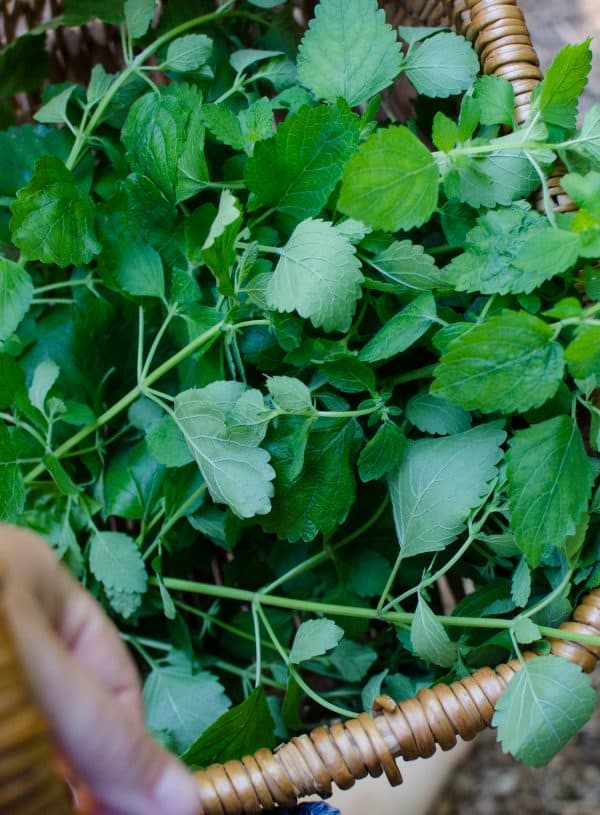
Lemon Balm (Melissa officinalis)
Lemon Balm is most often used in its essential oil form, but it is very easy to grow and use as an herb.
Lemon Balm was used as far back as the Middle Ages to reduce stress and anxiety, promote sleep, improve appetite, and ease pain and discomfort from indigestion (including gas and bloating, as well as colic). Even before the Middle Ages, lemon balm was steeped in wine to lift the spirits, help heal wounds, and treat venomous insect bites and stings. Today, lemon balm is often combined with other calming, soothing herbs, such as valerian, chamomile, and hops, to promote relaxation. It is also used in creams to treat cold sores (oral herpes). Some evidence suggests that lemon balm, in combination with other herbs, may help treat indigestion. Others reveal that lemon balm oil has a high degree of antibacterial activity. In one study, lemon balm showed adequate activity against Listeria monocytogenes and Staphylococcus auerus. And a few studies have found that lemon balm may help improve cognitive function and decrease agitation in people with Alzheimer disease. [source: University of Maryland Medical Center]
Echinacea/Black Eyed Susan
Echinacea is probably the most commonly known herb for people who’ve never even gotten started into herbalism. It’s widely known for its ability to help prevent the common cold and flu, and to help boost the immune system. What people don’t realize is that Echinacea and Black Eyed Susans are part of the same family, and have many of the same medicinal benefits. This is why we grow both, many times finding that the Black Eyes Susan are more valuable than Echincea.
We use it through out the year for our animals and for ourselves. Be advised, if you have a ragweed allergy, then stay far away from Echinacea. It could, in fact, make your symptoms worse. If you are not allergic to ragweed, then this can be used to help boost the immune system, treat infection, and cure illnesses. Other uses are in the treatment of boils, yeast infections, snake bites, diphtheria, low white blood cell count, strep throat, anxiety, migraines, indigestion, pain relief, and more. We give this to our animals through out the year to keep them healthy and strong. Echinacea was the go to herb before antibiotics came along. That alone should tell you something!
Yarrow is another herb I love to grow. You can learn about the medicinal uses of yarrow here. Mullein and goldenrod are also a favorite!

“But Herbalism Scares Me”
When I ask homesteaders why they haven’t dived into holistic healthcare yet, they often respond with, “herbalism scares me, what if I kill my family”. Well, howdy doody, that’s a mighty fine comeback. The fear around herbalism is very real. What if you give your family something that you shouldn’t have? That’s why starting slow, with only a few herbs each year, is extremely important. As you master 3-5 medicinal herbs, and you research more and more, you’ll become more aware of the health benefits, do’s and don’ts around herbalism. Having a healthy dose of fear about anything is a good thing, but never let that deter you from taking control of your health.
Just think, not that many generations ago (some only once or twice removed), hebalism was the norm. This was a skill set that our ancestors had mastered. They instinctually knew what wild forage and herbs were good, how to prepare it, and what should be completely avoided. This skill very abruptly disappeared when populations increased and modern medicine came onto the scene. Miracle drugs, such as penicillin, were now the new norm. Yet here we are, decades later, discovering that these generations of penicillin ridden people has left us a generation of super-bugs that can only be combated with herbal medicine. Isn’t it funny how history repeats itself? Will us humans never realize that our bodies were created to be nourished by the earth, completely and wholly?
Take it slow, narrow down your ailments or reasoning for wanting to start a medicinal herb garden, and have fun with it!
Herbalism doesn’t have to be intimidating, in fact, it’s quite satisfying the more you grow in your herbal knowledge. When we begin to trust our bodies, our knowledge, and we saturate ourselves with getting back to our roots, these old skill sets slowly begin to seep back into our blood and we not only create a better life for ourselves—one full of confidence in our abilities—but we also leave behind a legacy for our children. Our children will be healthier, our children’s children will benefit because their parents’ bodies were healthier when they were created. And the vicious cycle of unnatural medicine stops with our generation.
I encourage you to take the leap into herbalism this year, and enjoy it! After all, it’s just one more step to becoming more self-sufficient.
**DISCLAIMER: I am not a medical professional. Please use caution while using herbal remedies and medicines and pursue what is said in this article with utmost attention and caution. In all ways, do what’s right for you and your family.


Hi
I’m lookin forward to doin this!
I’m looking forward to learning this
Incredible sharing ☺️ THANKYOU my Gary smoked some s/p COVID he has bees sick since.May. Smoked some yesterday 👍 INCREDIBLE the change. He has been suffering so long and I am a Respiratory Therapist …nothing really helped. Acapella devices to steroids and expensive MDI bronchodilators.
My daughter shipped some.to us from Missouri to Florida we dried it out, now I can’t wait to try the tea! THANKYOU AGAIN FOR SHARING this is what the modern world needs, this knowledge!! (I am shedding what I thought I knew about healing)