• Home
  • Membership
  • Shop
  • Cart
  • Our Farm
  • Gut Health
  • Herbal Practice
  • Buy Trusted Supplements
  • Nav Social Icons

  • Skip to primary navigation
  • Skip to main content
  • Skip to primary sidebar
  • Skip to footer
  • Home
  • Blog
  • About Me
  • Our Farm
  • Gut Health
  • HH Membership
  • My Books
  • Youtube
  • Podcast
  • Homesteading
  • Chickens
  • Herbs
  • Family
  • Farmhouse
  • Homemaking
  • Recipes
  • Sourdough
  • Contact Me
  • Herbal Practice
  • Buy Trusted Supplements
  • Mobile Menu Widgets

    Search

    Connect

Amy K Fewell | Homesteading for the Kingdom

Amy K Fewell | Homesteading for the Kingdom

  • Start Here
    • About Me
    • My Books
    • Podcast
    • Youtube
    • Gut Health
  • Blog
    • herbs
    • Bees
    • chickens
    • rabbits
    • Farmhouse
    • gardening
    • devotional
    • homemaking
    • sourdough
    • recipes
  • Courses & Books
    • HH Membership
    • My Books
  • herbs
  • Podcast
  • Contact Me

Prepper Supply List for Your Emergency Pantry

February 18, 2021 · In: homesteading, prepping

I’m frequently asked about a prepper supply list, and what people should keep on hand in their emergency food storage. Every single person should have at least a 30 day food supply no matter where they live or what they believe. I believe in being prepared, but not being overwhelmed. You never know when a natural disaster, or worse, could cause you to be bunkered down inside of your home for weeks at a time. Also, the first rule of prepper life is to not tell everyone and your brother what you have. So really, I could have way less than what I’m telling you, or way more. You’ll never know!

In this blog I’m going to keep it extremely simple and straight forward. I’ll break down this prepper supply list and emergency food storage list by different needs (for example, food, household, medicine, livestock). Under each category will be a different list of individual items you should consider keeping on hand at all times. Keep in mind, this is just a baseline. You can add more, or not do them all.

If you are reading this and just getting started (or are in the middle of an emergency or crisis) I have added links to certain products you can find online if you cannot find them in your local stores.
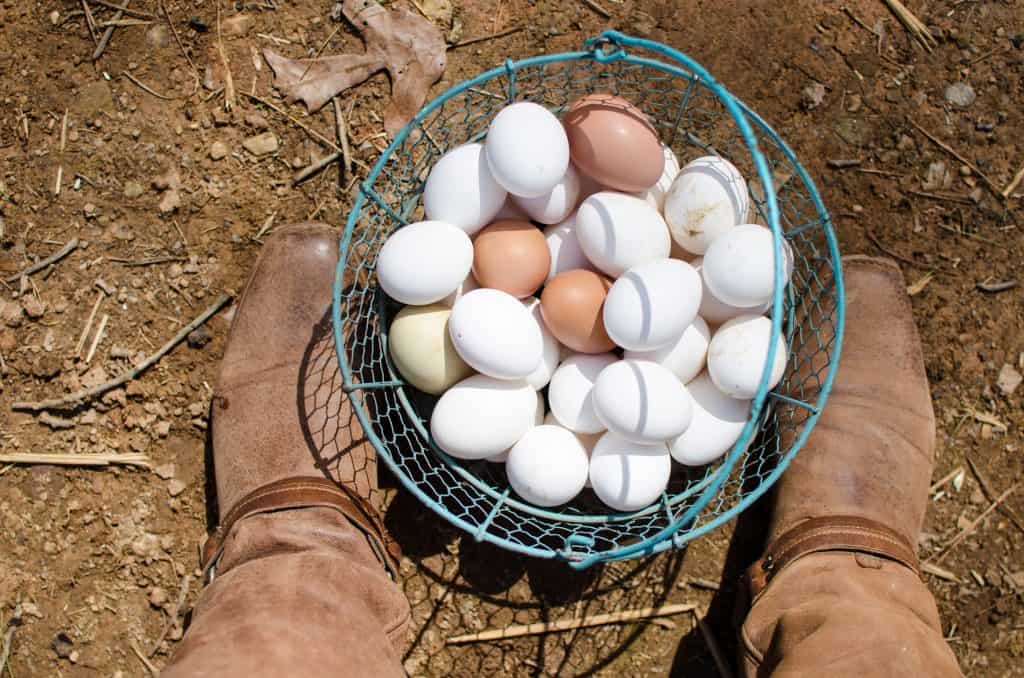
Emergency Supply List for Your Homestead

Here are quite a few lists broken down by category, such as food storage, first aid, infant and child supplies, and livestock supplies. Use these lists as a base point. From there, you’ll naturally start adding in the things that you know you’ll need on your homestead and in your own home. In regard to food storage, make sure you’re also storing food that you and your family actually eat. There’s nothing worse than having to eat beans for thirty days straight!

You’ll also need a few items for food storage, including mylar bags and BPA free storage buckets. But honestly, even just having a 3-month supply on hand (instead of long term food storage) is better than nothing!

Emergency Food Storage Supplies

Don’t forget, buy food that you actually enjoy alongside the other foods that you’re keeping for storage!

  • rice
  • dried beans
  • canned goods (either home canned or store bought)
  • salt
  • sugar
  • dried milk
  • baking soda
  • baking powder
  • yeast
  • sourdough starter (dehydrated or active) — you’ll need this as a natural bread leavening agent if you run out of yeast
  • flour
  • wheat berries (for grinding; berries also last longer than ground flour, but you’ll need a grain mill or vitamix with the grain container)
  • oats
  • water (I recommend purchasing a Berkey Water Filter System as well as bottled)
  • other non-perishable food items that you enjoy, but also ones that last a few years
  • packaged snacks with long expiration dates (such as granola bars, chips, etc.)
  • pre-packaged food storage buckets

Emergency Medical Supplies

  • over the counter fever and pain reducer (like acetaminophen or aspirin)
  • natural herbal remedies like elderberry syrup, cough syrup, and fever reducing teas (find more herbs and remedies here)
  • blood stopping herbs, such as yarrow, in case you get a deep wound
  • a 3-month supply of any prescriptions you take
  • band aids
  • suture kit
  • gauze
  • tourniquet
  • ice packs (the kind you break for instant ice)
  • heating pad or instant heat pads
  • hand sanitizer
  • nebulizer and saline (this helps if any respiratory illness occurs or is present)
  • zinc
  • vitamin c
  • regular daily vitamins (in an extreme situation with zero food, your body can survive off of daily vitamins for quite some time)

Emergency Household Supplies

  • toiletries and paper products (toilet paper, paper towels, paper plates and cups, etc.)
  • extra soap
  • disinfecting wipes
  • disinfecting spray, bleach, and/or white vinegar
  • heat source (wood stove is best, but you can purchase a kerosene heater or space heater if necessary)
  • cleaning supplies
  • trash bags
  • extra blankets
  • clean snow clothing (especially if you have to leave without a vehicle)

Emergency Infant and Child Supplies

  • baby wipes
  • diapers (keeping cloth diapers on hand is a good idea)
  • children’s fever and pain reducer (or the natural alternative)
  • nebulizer with pediatric mask (see above for link)
  • formula (even if you’re nursing)
  • bottles
  • nasal aspirator
  • saline nose spray
  • natural cold and cough syrup

Other Emergency Supplies

  • extra gasoline, kerosene, and/or diesel
  • generator
  • window unit A/C (if you lose power in the summer, this can come in handy)
  • extension cords for generators
  • canner and canning jars
  • seeds
  • camp stove with extra propane
  • fire starters
  • foldable cooking grill (for wood fire)
  • hand well pump (make sure you get the proper depth)
  • a go bag (in case you need to leave in a hurry, you should also keep one of these in every vehicle in case you get stuck somewhere)

If you don’t want to purchase a hand well pump, you can make your own well pulley system with PVC pipe, which is what we keep on hand for emergency situations. Learn how to make your own here.

Livestock Emergency Supplies

  • 3 month supply of feed
  • extra hay and straw
  • an alternative water source should yours become compromised or rendered unavailable (like a stream, well pull, etc).
  • extra solar energizers for electric fences
  • livestock medical supplies
  • adequate shelter in place BEFORE a natural disaster occurs

Ultimately, you want to make sure you keep all of your food and items with expiration dates on a rotation. This will only take you a couple of extra minutes each grocery store run, or whenever you use an item from your prepper pantry or stock. You’ll want to make sure you have a short term food storage system (that will last 1-4 months), and a long term food storage system (that will last 1+ years). You can rotate your dried beans and rice as well. You never want to be searching for more rice, beans, and other dry foods after you’ve gone through your stock. You also never want your stock to go bad. Don’t waste your food, use it up! For everything that you use, replace it the following week and rotate your stock.

I hope that you find this helpful and empowering in these uncertain times, whether it’s due to society, government, or just freak incidents of nature! You can be prepared and get through anything with some of these basic things on hand at ALL times.

GET A PRINTABLE VERSION OF THIS ENTIRE LIST HERE:
Prepper Supply list for Your Emergency Pantry PRINTABLE

Other Posts You May Enjoy:

  • Andrographis for the Common Cold and Viruses
  • The Best Antiviral Herbs and Viral Ailment Support Herbs
  • Medicinal Uses of Yarrow—the Homestead Herb
  • How to Dehydrate Sourdough Starter
  • Easy Sourdough Starter and Bread Recipe
By: Amy K. Fewell · In: homesteading, prepping · Tagged: herbs, homesteading, livestock, prepping

you’ll also love

The Medicinal, Nutritional, and Famine Benefits of Lambs Quarters (Chenopodium album)
The Two-Breed System for Year-Round Meat Chicken Breeding
Herbal Remedies for HighBlood Pressure and Pre-Eclampsia During Pregnancy (and Postpartum)

Reader Interactions

Comments

  1. Katie says

    February 19, 2021 at 6:49 pm

    Hi Amy! Clarification about the well pump- clicking on the link it looks like an electric pump with a motor. Is there another option longer term if the power goes out & generator no longer works? Our wells here in CO are 375+ feet deep. Thanks so much!

    • amyfewell says

      February 23, 2021 at 1:54 am

      Try this one! You may be able to get extra piping for it. — https://amzn.to/3pOoTyy

  2. Cece says

    February 19, 2021 at 8:29 pm

    Hello Amy,
    I wanted to drop a little note to say a BIG Thank You… for the herbalist course!!!

    After taking the course I Immediately put to use what I have learned and, I want to share my experience so far.

    For a couple of I had been taking Motrin 800 and when I didn’t have the prescription for it I was taking Advil over the counter up to six tablets a day at once to help with the pain throughout my body, this of course had an impact on my stomach lining and created a whole new set of issues. I made a decision to take action to try to heal my body without the use of synthetic drugs, and took what I’ve learned from the herbalist course, I stopped taking pills for pain management and instead started making teas. I felt confident enough to take calendulas, chamomile,yarrow, star anise and off I went, it didn’t take long to notice the difference it was mind blowing!!!
    I want to report that I’m going on a month of having my eat first thing in the morning and before bed and I have not had any need to take any kind of pills for pain at ALLLLLLL!

    I can’t express how liberating this is for me,
    thank you again for your Generosity.
    I wish you the very best and may God continue to enlighten you so that you can continue putting out these mini courses.

  3. Amanda says

    February 23, 2021 at 4:37 pm

    Hello. Just wondering why you have included formula on the list even if someone is fully breastfeeding? I have nursed three kids and they have never needed one ounce of formula. Thanks!

    • amyfewell says

      February 28, 2021 at 2:55 am

      Stressful situations can cause a mother’s milk supply to drop, as can lack of nutrition or a change in diet should you not be able to eat as well as before during times of crisis.

    • Elspeth says

      September 22, 2022 at 2:30 pm

      I know this is a year later, but if I am reading it now, maybe other people are, too. I always keep formula in my emergency stash. What would your husband do if you were incapacitated or, sorry to say it, but died? If you have a baby, formula should be in the stash. Even if you have dairy animals, in a crisis they might not produce milk, or might have to be butchered for meat. At least your infant will have something to eat.

  4. Manuela says

    January 1, 2022 at 9:17 pm

    Can you provide the link to the nebulizer. It keeps giving me an error message.

Next Post >

American Farmers & Homesteaders Competing with Foreign Land Ownership

Primary Sidebar

meet amy

meet amy
hello!

I'm Amy. I love organic food but I love cookies too. I love Jesus and His grace. I believe broken people make the biggest impact in the world when Jesus makes them whole, and when they share their stories. I believe in stories, and I'm sharing mine.

Read More

Connect

Search

Ads & Sponsors

200x400

Advertise

Follow Along

@amy.fewell

I have personally wrestled with the Lord over this I have personally wrestled with the Lord over this topic for months.

Earlier this year, someone asked why we were still hosting fellowship dinners at our home.
My answer was simple:
“Because I refuse to let the sheep scatter again.”

We have watched people leave churches wounded, lonely, and without accountability. Some find healthy places to land. Others simply go through the motions while still feeling empty and unseen.

And it grieves me. More importantly, I believe it grieves Jesus.
Recently, I finally said to a friend, “I think I need to write this out. God is calling back the shepherds.”

And not in the way you may think.

The word translated as “pastor” in the New Testament is poimēn.

It means shepherd.
Not platform speaker.
Not church-building manager.

Biblical shepherds lived among the flock. They knew the sheep by name. They found food and water, recognized danger, fought predators, rescued the wandering, and understood when it was time to move.

They were gentle, but they were not fragile.
They carried lambs, but they also fought lions and bears.
The rod was not used to beat the sheep. It was used to fight off predators.

The staff was not used to control them. It was used to guide and rescue them. And when the wolf came, the shepherd stayed.

Somewhere along the way, we reduced shepherding to preaching a sermon and managing an institution. But biblical shepherding was always more intimate, costly, discerning, and involved than that.

I believe the Lord is about to (or already is beginning to) reform the ministry of the shepherd within the Body of Christ. And do not be surprised when those shepherds do not look the way the religious institution expects.

They may be farmers, homesteaders, mothers, fathers, or people who are perceived as rough around the edges. They may never stand behind a pulpit.

But they will gather around tables, dwell among the people, protect the flock, confront the wolves, and refuse to let the sheep scatter again.

He is calling back the shepherds.

🐑 Comment SHEPHERD and I’ll send the full article to your inbox.
(1/2) In 2016/2017, God began raising up leaders i (1/2) In 2016/2017, God began raising up leaders in many spheres of society. Politics, the marketplace, church leadership, and even the food and health system. We didn’t call ourselves leaders. In fact we really didn’t understand what God was doing. Many of us had no idea what was about to unfold and why we were called to this space. We were living our lives to the fullest and had not a care in the world outside of normal everyday life. 

In the fall of 2019, I began to have this ominous feeling. Others did too. Something was coming. Before then I had no idea the depths of what God had called our family to. But when the 2020 pandemic hit, it became evident. 

Suddenly my phone was ringing off the hook with people asking me to buy chickens they could butcher, but they’d never butchered an animal in their life. Others begged us to teach them how to classes. We saw tens of thousands of brand new homesteaders come into the homesteading movement. 

We watched churches shut down, while very few fought against the state to remain open. Some churches went as far as collecting your information every Sunday so they could do “contact tracing” if someone got sick. No thank you.

I sat in private phone calls and meetings with leaders across the nation, conversing about unconstitutional rights and how we can help our communities that God had us leading. None of us knew what to do—we hadn’t been here before. But there was a common thread that held us together and made us realize we weren’t alone. 

Since then, I’ve been told I’m too much, outspoken, ridiculous, a fraud, or “too forward”. But I think most of the people who lead through 2020 into now remember more deeply what much of the world has now forgotten—if it happened once, it will happen again. 

I know the personalities of leaders that will cave to the system. We remove our family from people and groups that follow the rules blindly—especially religious groups. Because if you shut down your church once, you’ll do it again and then turn my family in when we don’t “comply”. 

You think that’s too straightforward? Not being straightforward is what got us in this mess to begin with.

Cont in first comment…
Oh girl, I feel you. You are walking in God’s will Oh girl, I feel you. You are walking in God’s will with the callings He has placed on your family’s life, and sometimes it’s hard. Notice I said on your family’s lives, not just yours. Just as husband’s calling isn’t just his, it’s also his entire family’s. Why? Because husband and wife are one, in every way. 

I’m specifically speaking, though, to the woman who is both entrepreneur and homemaker. The wife and mother that raises her babes at home while taking business emails and scheduling content—managing people outside of the home and inside of the home. 

It’s easy to fall into the trap of thinking “I don’t have time to focus on my home”. But the reality is that your family and your home are your first priority. You CAN do it, you just have to find YOUR rhythm and routine. Coupled with delegating chores and work to children and others. 

It’s a simple process—but it takes consistency. This is the key. 

I have been in such a funk over the last year in regard to my home. Having a baby on top of “all the things” causes chores to pile up. The mountain of laundry in my bedroom that I need to go through is outrageous. Let’s just be honest. But it didn’t get there overnight. 

This week I started making new routines once again. 

Here are my non-negotiable things:

• the dishes get done throughout the day until afternoon (a cup gets washed and put to drain etc). Then one big batch goes into the dishwasher at night or first thing the next morning. Washing throughout the day takes 5 mins. Dishwasher loaded and unloaded by kids.

• the laundry does not set in the laundry room. As soon as it’s done, it gets folded and put away. The day does not go by without me folding and putting away that load. It literally takes 10 mins. Kids help and put their own clothes away.

• Cleaning up after dinner—nothing left on the stove/table/counter until the next morning. Kids help.

• Floors are picked up before lunch and before bed (kids do this, not me). Vacuumed (kids do this).

There are more, but not many. All of these little things throughout the day make it easier to then focus on purging or deep cleaning other rooms during the week. 

What are your non-negotiable routines?
That’s all… That’s all…
You know you want this BRAND NEW recipe on the blo You know you want this BRAND NEW recipe on the blog!

My family has grown to absolutely love homemade bagels. They are so easy and versatile. But there are bagels—and then there are real, chewy, shiny, homemade bagels.

The kind where your teeth sink through a beautifully browned crust into a dense, satisfying center. The kind that can hold a generous layer of cream cheese without collapsing into a soft little bread ring.

And the secret is not complicated. You have to boil them.

That brief boil in honey-sweetened water is what sets the outside of the dough and creates the signature crust that makes a bagel taste like an actual bagel. It is one small, old-world step that modern recipes are often tempted to skip—and it makes all the difference.

This recipe can be made with active sourdough starter for a slower ferment and deeper flavor, OR with instant yeast when you would rather have fresh bagels the same day.

Mix the dough. Let it rise. Shape it. Boil it. Brush it with egg wash, add your favorite toppings, and bake it until the crust is glossy and golden.

It is a simple process, but it produces the kind of breakfast that reminds you why learning to make food at home is worth the effort.

Make them plain, cover them in everything seasoning, add cheese, fold in cinnamon and raisins, or turn them into hearty breakfast sandwiches.

Save this post for your next baking day, and find the complete printable recipe, instructions, troubleshooting tips, and flavor variations on my website.

🥯 Comment BAGEL and I’ll send it straight to your inbox.

Footer

Learn More

Chickens
Homemaking
Herbs
Recipes
Devotionals

Info

About
Contact
Privacy Policy
Shop

stay in the know

Copyright © 2026 · Theme by 17th Avenue