
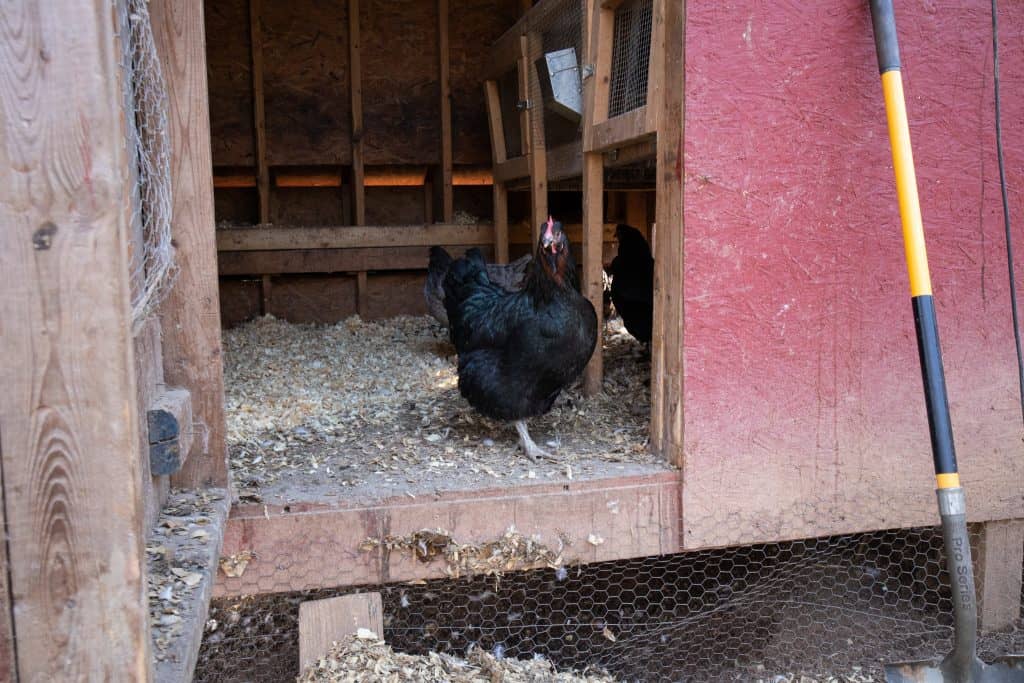
As a backyard chicken keeper, it is important to be aware of common sick chicken symptoms and sick chicken treatment. Many symptoms of illness in chickens also double as normal occurrences in molting and growing birds. In order to determine if your chickens are showing signs of serious illness or experiencing normal “growing pains”, you should know what a healthy chicken looks like to begin with.
I can remember the first time I brought home a sick chicken. I went to a chicken swap (like a sale) and brought home what I thought was a perfectly normal bird. But by the next morning she was coughing and sneezing all over the place. Some chickens can look perfectly healthy, but actually show the hidden unhealthy symptoms when they come under stress. I didn’t know this as a new chicken keeper, but I definitely know it now!
Let’s go over what a healthy chicken looks like, and what an unhealthy chicken looks like. These common things will help you determine, for the most part, whether your chicken is sick, or just being high maintenance. I’ll also link some other posts about sick chicken treatment options for you!
KEY TAKEAWAYS
- Healthy chickens display bright red combs, shiny feathers, clear eyes without discharge, and clean vents as baseline indicators of wellness.
- Chickens hide illness symptoms until they become severely sick due to their prey animal instincts, making early symptom detection critical for successful treatment.
- Comb discoloration serves as a primary diagnostic indicator, with pale combs signaling blood flow issues or parasites, purple combs indicating oxygen deprivation, and black combs suggesting fowl pox or frostbite.
- Most chicken illnesses present with multiple overlapping symptoms rather than single isolated signs, requiring observation of the full symptom pattern before accurate diagnosis.
- Prevention through clean living conditions, fresh water access, stress reduction, and regular coop maintenance eliminates the majority of avoidable chicken health issues.
Know What a Healthy Chicken Looks Like
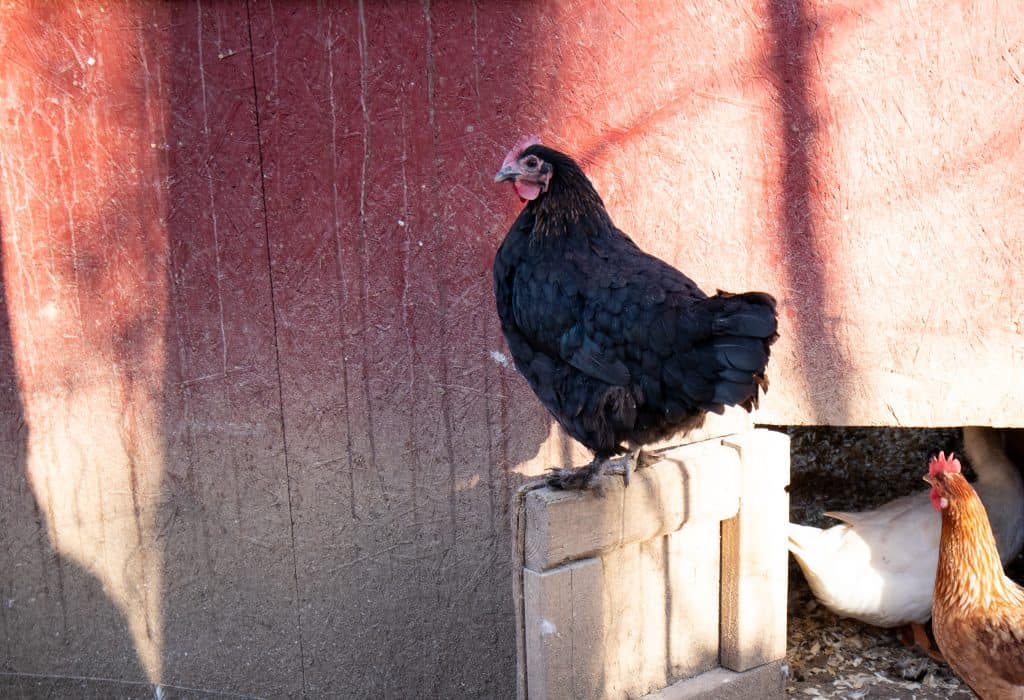
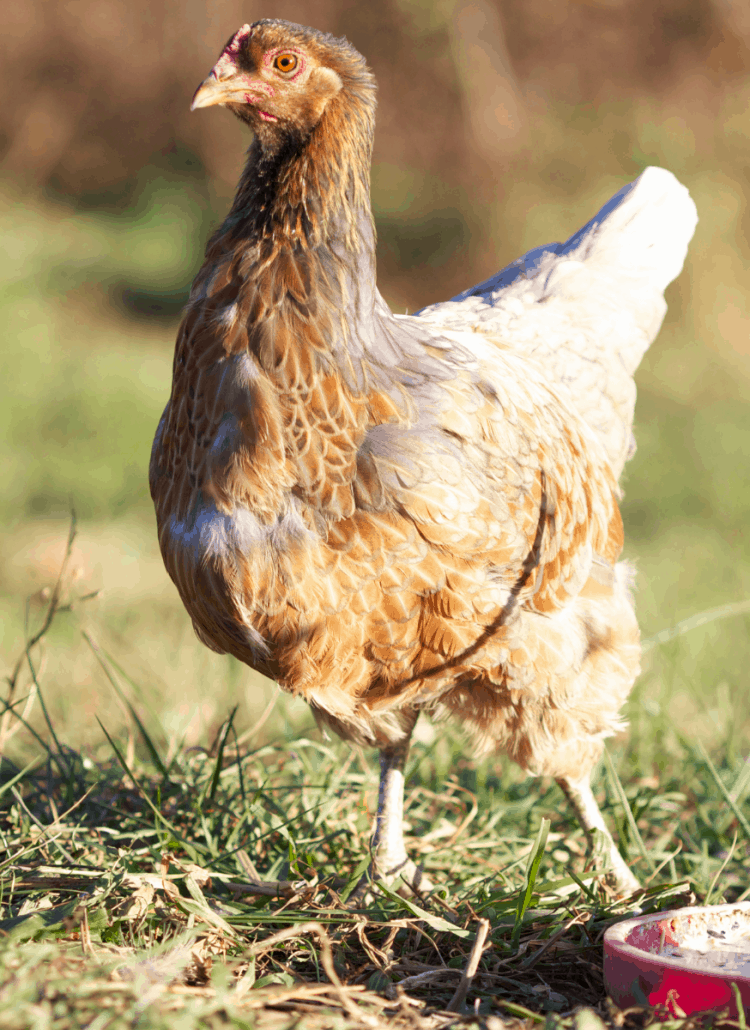
The first thing to look for when determining the health of your chicken flock is the comb color. A bright red comb is a good indication that you have a chicken in good health.
Healthy birds will also have:
- shiny feathers that aren’t ruffled or patchy
- clear & bright eyes
- no nasal or eye discharge
- a clear and clean vent
As I mentioned, sometimes you can have a chicken that looks totally healthy but then suddenly has an onset of symptoms. Generally, chickens won’t show their symptoms until they are really really sick. Because chickens are prey animals, they hide things quite well. This is why it’s extremely important to be in tune with your flock and to notice basic signs before the chicken shows the worst symptoms.
The 24-Hour Chicken Health Baseline System
Most chicken keepers wait until something goes wrong to assess their flock’s health. Instead, establish a personal baseline by observing your specific birds during a 24-hour period when they’re healthy. This is easy for backyard chicken keepers, but not so much for farmers.
What to Document:
• Take photos of each chicken’s comb color in morning vs. evening light
• Record typical feeding times and how long each bird spends eating
• Note each chicken’s favorite roosting spot and sleeping posture
• Video record their normal walking gait and wing positions
• Document their typical dust bathing frequency and duration
Why This Changes Everything:
When you know that Henrietta always tilts her head slightly when she drinks, or that your Buff Orpington’s comb is naturally lighter than the others, you won’t panic over normal variations. Your phone becomes a diagnostic tool loaded with your flock’s “normal” that no vet visit or online forum can provide. This personalized reference system cuts diagnostic time in half because you’re comparing against YOUR birds, not generic descriptions.
16 Most Common Sick Chicken Symptoms
Now that you know what a healthy chicken looks like, you need to know the most common signs of illness to look for in your flock. These symptoms can help you identify whether you are dealing with common issues or a severe illness with your sick chicken.
1. Discoloration of the Comb
If you notice a bird with a discolored comb, you may have a sick chicken. Discoloration of the comb can be a sign of many different illnesses, but here are some ideas of what you could be dealing with.
- A pale comb could indicate heat exhaustion, infectious coryza, mites, lice, or worms. It’s normally due to lack of blood flow or a low blood count.
- A purple comb could be a sign of a lack of oxygen due to asphyxiation, a stroke, worms, or potentially avian flu. It can also just be an indicator of too much blood flow, like when your rooster is mad.
- A black comb is a possible indicator of fowl pox or frostbite.
Observe other symptoms that are occuring along with the comb discoloration before attempting a diagnosis.
Comb Color Quick Reference Guide
| Comb Color | Most Likely Cause | Action Required |
| Pale/White | Parasites (mites/lice/worms) | Treat entire flock for parasites |
| Purple/Blue | Oxygen deprivation | Check airway obstruction or circulation |
| Black tips | Frostbite or fowl pox | Isolate and assess other symptoms |
| Bright Red | Healthy chicken | No action needed |
2. Decreased egg production
Decreased egg production in adult birds could be a sign of illness OR an indication that your bird is molting, getting old, or tapering off for the season.
If you notice that a chicken’s egg production is dropping, start observing the bird for any other symptoms that could give you more clues as to the illness you are dealing with. Often times it is an internal or external parasite issue. Or it could just be that your nesting boxes aren’t kept very clean and they are laying somewhere else.
3. Sudden Weight Loss & Decreased appetite
If you think that your bird has a decreased appetite, offer it some feed, then check the crop later to see if it is still empty. This will help you determine if it is eating or not.
Weight loss and reduction in appetite can be signs of illness in your flock, but it is almost impossible to determine the illness based on these symptoms alone. These issues can give you a head’s up that something is wrong, but you will need to examine your sick birds for more symptoms before attempting to diagnose them. Lack of appetite is often accompanied by lethargy, or your chicken not actively pecking around like it normally would.
4. Lethargy
Lethargy is another general sick chicken symptom that can signal many different illnesses. If you notice a lethargic chicken, begin to observe for other possible symptoms. Sometimes lethargy lasts a day and your chicken is back to normal, but other times it’s a sign of a much more serious illness. Sometimes a little honey water or sugar water is a quick sick chicken treatment to perk up a chicken. Sometimes that’s all they need (electrolytes). But normally, it’s a symptom of a deeper issue.
5. Hard or Mushy Crop
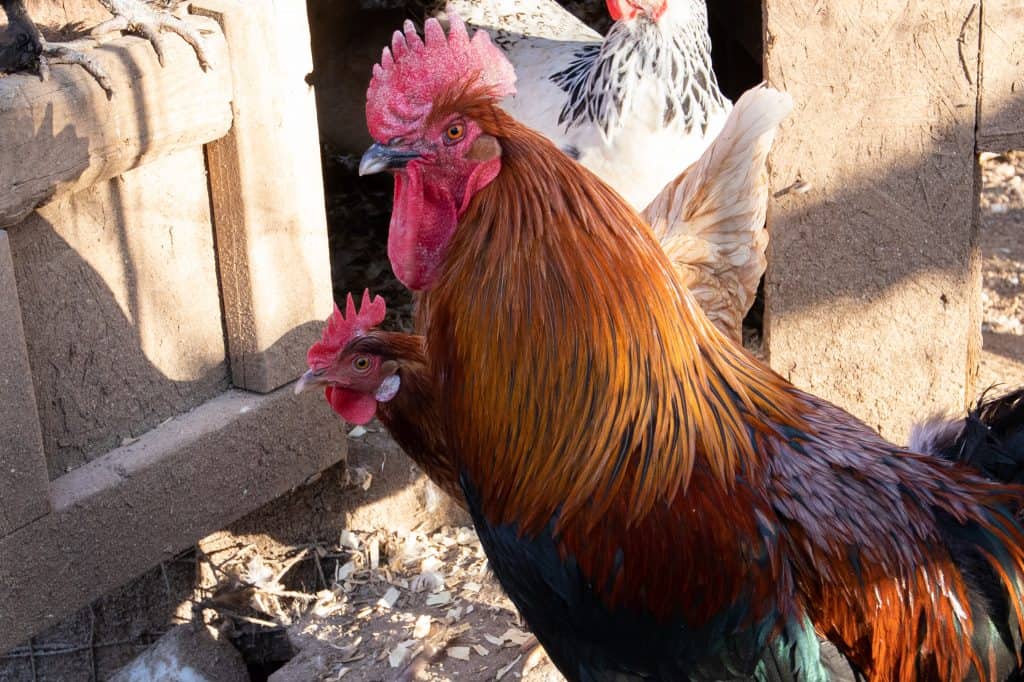
Crop issues always need to be handled quickly because the crop is necessary for a bird’s digestion. If your chicken’s crop is hard or lumpy, it may have an impacted crop.
A mushy crop is a good indicator of sour crop. You can learn more about this sick chicken treatment in the links at the end of this post.
Crop Condition Assessment
| Crop Feel | Diagnosis | Immediate Treatment |
| Hard/Lumpy | Impacted Crop | Massage with olive oil, separate from feed |
| Mushy/Squishy | Sour Crop | Apple cider vinegar water, probiotics |
| Water balloon feel | Pendulous Crop | Drain fluid, offer small frequent meals |
| Firm but soft (evening) | Normal/Healthy | No action required |
6. Irregularity in Eyes
A sick chicken’s eyes may be semi-closed, tired looking, bubbly, discolored, or sticky.
- Tired eyes can indicate numerous illnesses as mentioned above.
- Bubbles in the eyes are a sign of infectious bronchitis or Mycoplasma Gallusepticum (MG)/Mycoplasma Synoviae Infection (MS). However, it can also just be a sign of an allergic reaction to dust or too much ammonia build up in the coop.
- A grey iris is a common symptom of Mareks’ disease in chickens.
- Sticky discharge could indicate infectious coryza or fowl cholera. It can also be a signal of mucous discharge.
7. Scratching
If you see your chickens scratching themselves, you are probably dealing with a case of lice or mites. This isn’t just the common cleaning scratch. With external parasites, they will often scratch and shake their head more frequently.
8. Lameness or Waddling
A sick chicken that is dealing with bumblefoot, Marek’s, Newcastle Disease, or being egg bound may experience lameness or waddling. It’s most commonly bumble foot or being egg bound.
9. Scales on legs
This one is almost too obvious. When a chicken has raised and inflamed scales on its legs, it most likely has scaly leg mites. You would do the same sick chicken treatment for this as you would other external mite issues.
10. Inconsistent Feces
Keep an eye on your flock’s feces. If there are any inconsistencies, take notice. You may be dealing with a range of illnesses from coccidiosis (diarrhea) or pullorum (white fecal matter), all the way to Newcastle Disease (diarrhea).
Chicken Poop Color Decoder
| Poop Appearance | Possible Condition | Urgency Level |
| Foamy brown (cecal) | Normal digestive process | None—occurs every 8-10 poops |
| Bloody or red-tinged | Coccidiosis | High—treat immediately |
| Bright white/chalky | Pullorum or kidney issues | Medium—monitor and isolate |
| Watery/diarrhea | Stress, heat, or Newcastle | Medium—observe for other symptoms |
11. Clogged Vent
If you notice young chicks that have clogged vents, then you are most likely dealing with Pasty Butt. When you see this happening in adult birds, it is called Vent Gleet, aka cloacitis.
12. Deformed eggs
Deformed eggs happen every now and then with no cause for concern. However, if you see irregularly shaped eggs often, then it can be a sign of a sick chicken.
Irregularly shaped and shell-less eggs can be a sign of the following chicken health issues:
- infectious bronchitis
- Egg drop syndrome
- Avian Influenza
- lack of calcium and other nutrients
- avian cancer
13. Difficulty Breathing / Respiratory distress
When you see chickens that are having trouble breathing, they could be experiencing a number of respiratory problems such as infectious coryza, infectious bronchitis, air sac disease, sour crop, Mycoplasma, or Newcastle Disease. It could also just mean that their airway is blocked by a stick or other object. Be sure to investigate before diagnosing.
Respiratory Symptom Differentiation Chart
| Breathing Pattern | Associated Sounds | Most Likely Illness |
| Gasping with open beak | Silent or wheezing | Gapeworm or blockage |
| Labored with head bobbing | Rattling or gurgling | Infectious bronchitis |
| Rapid shallow breaths | Sneezing or coughing | Mycoplasma (MG/MS) |
| Panting (hot weather) | None | Heat stress—not illness |
14. Bald Spots/Missing Feathers
Chickens that have bald spots or patches of missing feathers are usually affected by lice and/or mites. In some instances, these bald spots may mean that the bird is being bullied by others in the flock so keep an eye on their behavior. It could also just mean that they have rooster tread—aka, the rooster has his favorite hens and wears down their feathers from over mating. External parasites are not only accompanied by bald spots, but also very tattered and ruffled feathers. Of all of the sick chicken symptoms, issues with feathers is the most common thing to see first.
15. Spots and Lesions
White spots in the mouth and on the crop of a chicken is an indicator of thrush. This is usually accompanied by a foul odor. Lesions in the mouth and on the skin of chickens are a sign of fowl pox, a highly contagious viral infection. The nice thing about fowl pox, however, is that once your chickens get them, they are immune for life. Wet pox are definitely more contagious and severe than dry pox. Pox often comes from mosquitos biting your chickens and transferring the virus.
16. Paralysis
A more serious and easily noticeable sick chicken symptom is paralysis. Paralysis of the legs and wings is an indicator of Marek’s Disease in chickens. Paralysis of the legs, wings, and neck is a sign of botulism or mold toxicity as well.

Sick Chicken Treatment Options & Prevention
The first step in keeping healthy chickens is to prevent chicken illnesses to begin with. And also, to understand sick chicken symptoms as soon as they arise.
You can work to prevent avoidable chicken illnesses by making sure that they:
- aren’t lying in wet bedding/run
- have plenty of clean & fresh drinking water
- aren’t in a stressful environment
- have a clean chicken coop
- have non-contaminated feed
- are offered preventative herbs
Prevention Checklist Priority Ranking
| Prevention Action | Frequency | Diseases Prevented |
| Clean fresh water daily | Every day | Coccidiosis, fowl cholera, most bacterial infections |
| Dry bedding maintenance | Weekly check | Respiratory diseases, bumblefoot, mold toxicity |
| Deep clean coop | Quarterly | Parasites, ammonia buildup, infectious diseases |
| Quarantine new birds | 30 days minimum | All contagious illnesses including Marek’s and fowl pox |
| Feed storage in sealed containers | Always | Mold toxicity, botulism, rodent contamination |
To wrap that up neatly, simply ensure that your birds have a clean environment with plenty of fresh water to help keep a healthy flock. Keep an eye on your birds for any inconsistencies. If you are aware of how your chickens normally act, then you will be able to quickly pick out issues as they arise.
If you are already dealing with a sick bird, it is a good idea to separate the infected bird to reduce the spread of disease in case it is contagious. You will also need to observe the rest of the flock for similar symptoms. I always like to treat my entire flock holistically, if I can, when one bird gets sick or shows lethargic symptoms.
Sick Chicken FAQ
Can a chicken recover from illness without antibiotics or medications?
Many mild chicken illnesses resolve with supportive care alone, including electrolyte water, separation from the flock to reduce stress, and ensuring the bird stays warm and continues eating. However, serious bacterial infections like fowl cholera or advanced coccidiosis may require medication for survival. The key is catching symptoms early when supportive care is most effective.
How long should I quarantine a sick chicken before returning it to the flock?
Quarantine a sick chicken for at least 7-10 days after all symptoms have completely resolved. For highly contagious diseases like infectious bronchitis or Mycoplasma, extend quarantine to 14-21 days and monitor the rest of your flock for symptoms before reintroduction. Some diseases like Marek’s mean the bird should never rejoin the flock as they remain carriers for life.
Is it necessary to treat the entire flock if only one chicken shows symptoms?
For parasitic infections (mites, lice, worms) and highly contagious diseases (coccidiosis, respiratory infections), treating the entire flock prevents reinfection and stops disease spread. For injuries like bumblefoot or non-contagious conditions like egg binding, only the affected bird needs treatment. When in doubt, holistic preventive treatments for the whole flock rarely cause harm.
What’s the difference between chicken lethargy and normal resting behavior?
Lethargic chickens remain inactive even during peak activity hours (morning and evening feeding times), separate themselves from the flock, keep their eyes partially closed, and show little interest in treats. Normal resting chickens are alert when approached, actively rejoin the flock for food, and display regular preening and dust bathing behavior throughout the day.
Can stress alone cause physical symptoms in chickens without an underlying disease?
Stress significantly impacts chicken health and can cause decreased egg production, feather loss, diarrhea, pale combs, and reduced appetite without any infectious disease present. Common stressors include introducing new flock members, predator threats, extreme weather, overcrowding, or sudden diet changes. Addressing the stress source often resolves symptoms within 3-7 days without medical intervention.
MOST IMPORTANT INSIGHTS TO REMEMBER
#1 Chickens mask illness until they are critically sick due to prey animal instincts, making daily observation and knowledge of baseline normal behavior essential for catching diseases early enough to treat successfully.
#2 Comb color serves as the single most reliable quick-assessment tool for chicken health, with bright red indicating wellness and pale, purple, or black coloring signaling specific categories of illness requiring immediate investigation.
#3 Multiple symptom assessment is necessary for accurate diagnosis because individual symptoms like lethargy or decreased appetite can indicate dozens of different conditions, but symptom combinations narrow the possibilities dramatically.
#4 Prevention through environmental management eliminates most chicken illnesses by maintaining dry bedding, providing fresh daily water, ensuring proper ventilation, and quarantining new birds for 30 days before flock introduction.
#5 Crop checking at specific times of day reveals different information with morning checks showing overnight digestion completion, evening checks showing daily food intake, and abnormalities at the wrong times indicating impaction or sour crop before other symptoms emerge.
For more information on sick chicken treatment, check out these posts:
- 8 Common Chicken Illnesses and How to Treat Them
- 3 Common Chick Illnesses and How to Naturally Treat Them
- Naturally Treating Chicken Mites with Essential Oils and Garlic
- Easy Steps to Raising Meat Chickens
- 10 Easy Steps to Start Raising Chickens
- How to Make Deep Cleaning Chicken Coop Cleaner
- 6 Herbs for Your Chickens | Oregano, Stinging Nettle, and More
- A Guide to Buying Baby Chicks
- Naturally Treating Frostbite in Chickens
- Homemade Anti-parasitic Tincture for Livestock
- Naturally Treating Bumblefoot with Essential Oils and Herbs
- Why Does My Hen Have a Bare Back? And how to prevent it

i have a hen that has a lot of poop stuck to her tail. she seems tired and does not run about with the others. she is maybe about 6 yrs old. i have had her for all those years. what could be wrong and how do i fix it?
My chicken has got a hard or mushy crop gorcdays now What can I give and what is the reason. Thanks
Hello and thank you for any advice you may have for me my hand has a very wide prolapsed vent very very sad I went to check your supply and bought and cheated her with better rice and when I did that I saw worms crawling out maggot kind of worms what can I do do I need to take her to a vet