• Home
  • Membership
  • Shop
  • Cart
  • Our Farm
  • Gut Health
  • Herbal Practice
  • Buy Trusted Supplements
  • Nav Social Icons

  • Skip to primary navigation
  • Skip to main content
  • Skip to footer
  • Home
  • Blog
  • About Me
  • Our Farm
  • Gut Health
  • HH Membership
  • My Books
  • Youtube
  • Podcast
  • Homesteading
  • Chickens
  • Herbs
  • Family
  • Farmhouse
  • Homemaking
  • Recipes
  • Sourdough
  • Contact Me
  • Herbal Practice
  • Buy Trusted Supplements
  • Mobile Menu Widgets

    Search

    Connect

Amy K Fewell | Homesteading for the Kingdom

Amy K Fewell | Homesteading for the Kingdom

  • Start Here
    • About Me
    • My Books
    • Podcast
    • Youtube
    • Gut Health
  • Blog
    • herbs
    • Bees
    • chickens
    • rabbits
    • Farmhouse
    • gardening
    • devotional
    • homemaking
    • sourdough
    • recipes
  • Courses & Books
    • HH Membership
    • My Books
  • herbs
  • Podcast
  • Contact Me

chickens

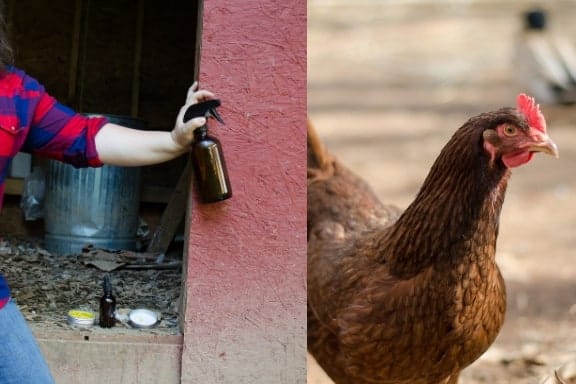
How to Make Deep Cleaning Chicken Coop Cleaner

chickens and herbs

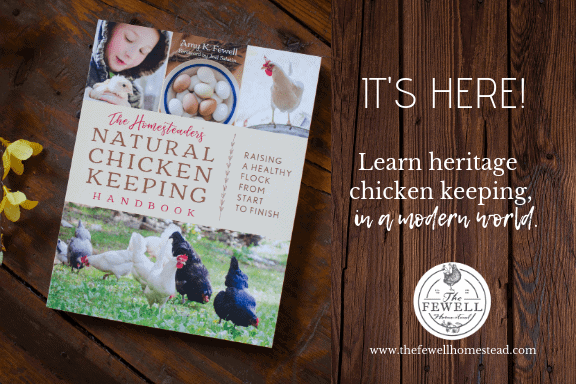
The Homesteader’s Natural Chicken Keeping Handbook is Here!

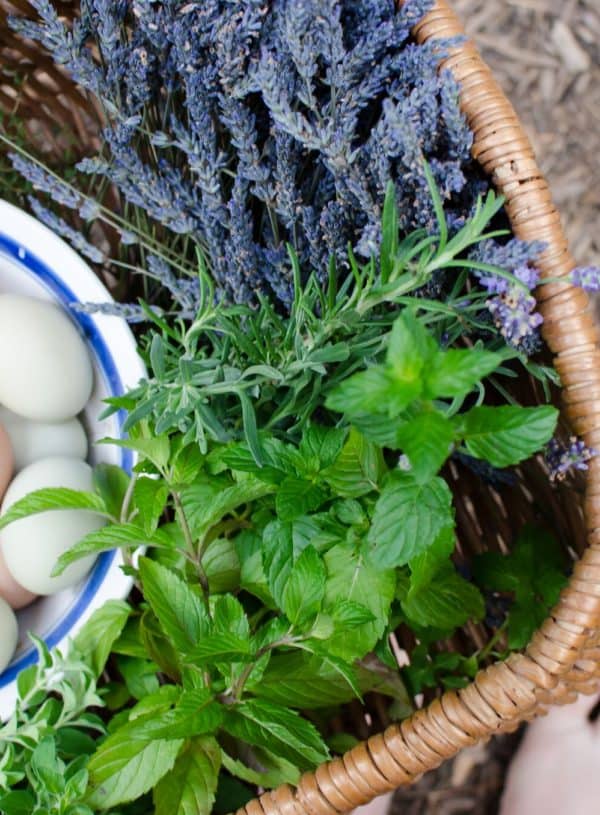
6 Herbs for Your Chickens | Oregano, Stinging Nettle, & More

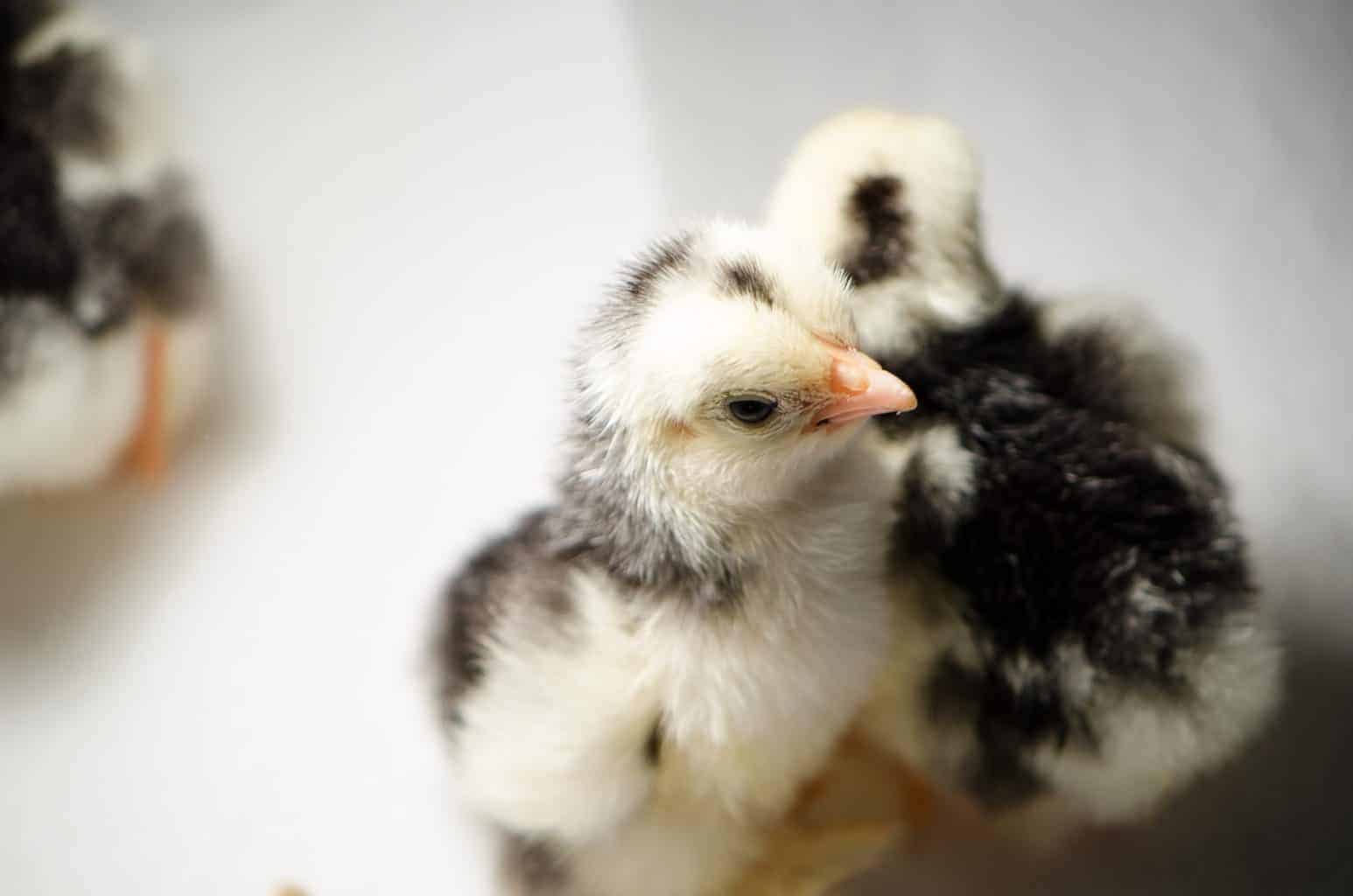
3 Common Chick Illnesses and How to Naturally Treat Them

10 Ways to Make Money on Your Homestead

Homemade Chicken Pot Pie with Pie Crust

Homemade Chicken Pot Pie with Rustic Crust

  • ← Previous
  • Page 1
  • Page 2
  • Page 3
  • Page 4
  • Page 5
  • Interim pages omitted …
  • Page 9
  • Next →

Follow Along

@amy.fewell

That’s all… That’s all…
What if understanding the blood requires us to loo What if understanding the blood requires us to look beyond laboratory values—and begin observing the whole person again?

Historically, herbalists did not think about blood only in terms of its composition. They observed its movement, distribution, temperature, and relationship with the tissues. They noticed whether a person was pale or flushed, cold or hot, depleted or congested. They paid attention to the pulse, skin, digestion, menstruation, sweating, energy, and even the way these patterns changed with the seasons.

In Southern and Appalachian folk medicine, this developed into an entire system of blood typology. Practitioners used terms such as high blood, low blood, thick blood, thin blood, fast blood, slow blood, good blood, and bad blood to describe constitutional patterns within the person.

These terms should not be translated directly into modern medical diagnoses. “Thick blood,” for example, did not necessarily mean increased blood viscosity, just as “high blood” did not simply mean hypertension. They were part of a much broader observational framework.

One of the most fascinating parts of this tradition was the connection between blood, seasons, and trees. The old practitioners did not have our modern terminology for these health mechanisms. But they were paying attention.

And that is perhaps one of the most valuable things traditional herbalism can teach us—instead of immediately asking, “What herb is good for circulation?” we can learn to ask better questions. We can learn better ways.

This is the subject of my new 6-part series, The State of the Blood, inside the Homestead Herbalist membership. My goal isn’t simply to give you another list of herbs to memorize. I want to help you recover the skill that traditional practitioners relied upon for generations—observation and intimate assessment. 

Part One of The State of the Blood is now available inside the Substack membership.

🌿 Comment LESSON and I’ll send it to your inbox.
It's been a few weeks, and a lot happened while th It's been a few weeks, and a lot happened while the garden kept growing. Here's your Weekly Ag Brief—most important first. One thread ties it together: the gap between what Washington SAYS about protecting farmers and clean food, and what the ledger actually shows. 

🥩 FOREIGN BEEF: Trump moved to bring in up to 300,000 metric tons of tariff-free foreign beef to lower prices—after already quadrupling Argentine imports in February. Ranchers (and even Republican senators) are furious, because cheap imports undercut the very prices producers need to rebuild the herd. Know your rancher. Buy direct.

🪰 SCREWWORM: The cattle border reopens TOMORROW, Aug. 24 (coincidence?)—even after Mexico's Sonora state confirmed its first case days earlier. 44 U.S. cases and climbing. Keep checking your animals.

🥬 LETTUCE UPDATE: The imported-iceberg parasite outbreak became one of the largest on record—10,930 sick, 17 states, 2 deaths. Industrial lettuce from Mexico. Your garden greens were never in it.

🏛️ FARM BILL: Collapsed in committee Aug. 6 over a SNAP fight. Back to the drawing board in September.

✅ TWO WINS: A court ordered USDA to close the GMO-labeling loopholes (no more hiding GMOs in oils & sodas, no more QR-code-only labels). And MAHA moved to close the food-additive "GRAS loophole."

⚖️ BUT THE LEDGER CUTS BOTH WAYS: glyphosate got a liability shield, and the EPA eased scrutiny of "forever chemicals" in the sludge spread on farmland (comment window closes Sept. 4).

The closer your food is to your own hands, the less any of this can touch you.
Full breakdown on my Substack — link in bio. Stay watchful, stay rooted.

🌱Comment BRIEF and I’ll send it to your inbox.
Here comes that cheap beef the government is “impo Here comes that cheap beef the government is “importing” this year 😆

Yall don’t remember this but about 13 years or so ago Aldi got sued because their hamburger meat was supplemented with horse meat. History always repeats itself. 

Grow your own. And if you can’t, buy local. 

🥩 TAG YOUR FAVORITE LOCAL BEEF FARMER BELOW!

PS-I totally believe in managing the earth, but this all sounds fishy. Kind of like when they released wolf hybrids (coy-wolves) on the east coast to manage the deer population. But no one wants to talk about that either (we’ve seen them many many times here).
The truly traditional practitioner and herbalist d The truly traditional practitioner and herbalist did not have a need for asyra machines or muscle testing. These things are based on falsities, not skill and trade. The world of wellness is truly a skill and trade. Energy “healing”, and energy detecting machines either dabble in new ageism, or put the skill on a man made machine that can get things wrong many many times. 

The experienced practitioner and family herbalist will evaluate the indications of the client or patient. What does the tongue look like—is it red, elongated, covered in film, dry? Are the extremities cold or hot? Is the skin pale and blue, or pink and inflamed? What organ affinities are being affected? What is the state of the internal and external tissue? A whole body assessment is required. 

Modern holistic wellness has become more like allopathic medicine than it should. The practitioner should be able to access the subject, and make corresponding recommendations based on that evaluation.

Everything else is a cop-out. 

For years I treated herbalism the way one would treat modern medicine. Oh you have a headache? Try this. Fever? You need this herb. But as I’ve grown in skill and knowledge, I’ve realized that while in God’s mercy, much of that has worked, I have seen it work better when I have crafted the skill of the traditional practitioner.

Don’t get me wrong—modern medicine has its place. That’s not what I’m saying. But there is more. Much more. 

I aim to teach you this, friends. What should herbalism and natural wellness truly look like? We must redeem the original design for health. Health is not treating symptoms. True healthcare says things like “the body indicates it is cold and stagnant—how do we move the body towards dispersing heat and releasing stagnation?” 

The germ is not the issue—it is thriving in a particular environment.
The disease is not the enemy—it is the indication.

This is the way.

Footer

Learn More

Chickens
Homemaking
Herbs
Recipes
Devotionals

Info

About
Contact
Privacy Policy
Shop

stay in the know

Copyright © 2026 · Theme by 17th Avenue