

You want to start raising chickens, but you’re not quite sure where to begin. Whether you’re raising chickens because you’ve been thinking about it for a long time, or because recent current events have caused you to think more self-sufficiently––this blog post will help you learn how to start raising chickens in 10 easy steps!
I’ve been raising chickens for quite a while on this beautiful homestead. We’ve gained a lot of experience through real life chicken keeping rather than google chicken keeping. Because, you know, you can’t google experience. And I want to share it with you! Let’s start raising chickens!
If you want to dive even deeper into chicken keeping, you can get my book The Homesteader’s Natural Chicken Keeping Handbook now! It’s packed full of in-depth information on how to start raising chickens, hatch chicks, and even has recipes for all those eggs you’ll be getting! Check it out here.
Step 1: Check Your Local Laws on Chicken Keeping
Make sure you check your local laws before you start raising chickens. Both county and communities have certain laws in place about livestock, and especially chicken keeping laws. Unfortunately, many subdivisions don’t allow chickens, and if they do, they absolutely don’t allow roosters.
It’s important to do this research before you start chicken keeping. However, I’m also a believer food freedom and asking for forgiveness later. Make sure you educate yourself, but in the end, use common sense too.
For example, we lived in a subdivision (rural) that said in the HOA agreement that it didn’t allow livestock on properties. Well, a whole bunch of us decided we didn’t think that was fair, so we all got chickens and farm animals at the same time. Decades later, that clause is still there, but they do not enforce it because so many people decide to take control of their food and celebrate freedom! It can be done.
Step 2: Chicken Coop and Living Area for Raising Chickens
If you’re going to start raising chickens, you’re going to need a chicken coop. But more importantly, you need to figure out where to put that chicken coop! There are a lot of ways to make a chicken coop, or you can just purchase one from a local farm store. Either way, make sure you are placing it in an area that keeps dry all year long, gets some sunlight (though doesn’t need to be in full sun), and can get good ventilation.
The general rule is that each chicken needs about 2-square-feet of space in order to be healthy and comfortable. However, I can comfortably fit about 25 to 35 chickens in my 8-foot by 8-foot chicken coop.
Here are some fun chicken coop plans if you’d like to build your own.
If you’d like to have your chickens on pasture at all times, you can create a chicken tractor. Here is a great chicken tractor coop plan you can use. We really enjoy this pasture raising chicken coop plan. If you’d like to make the Joel Salatin chicken tractor, you can find those plans by clicking here.
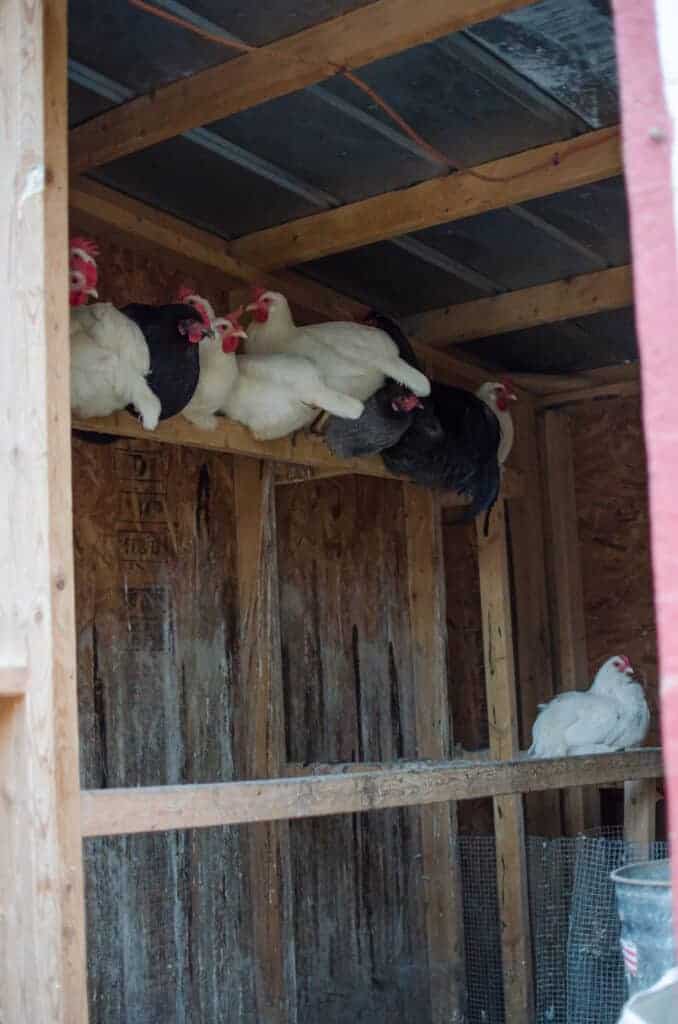
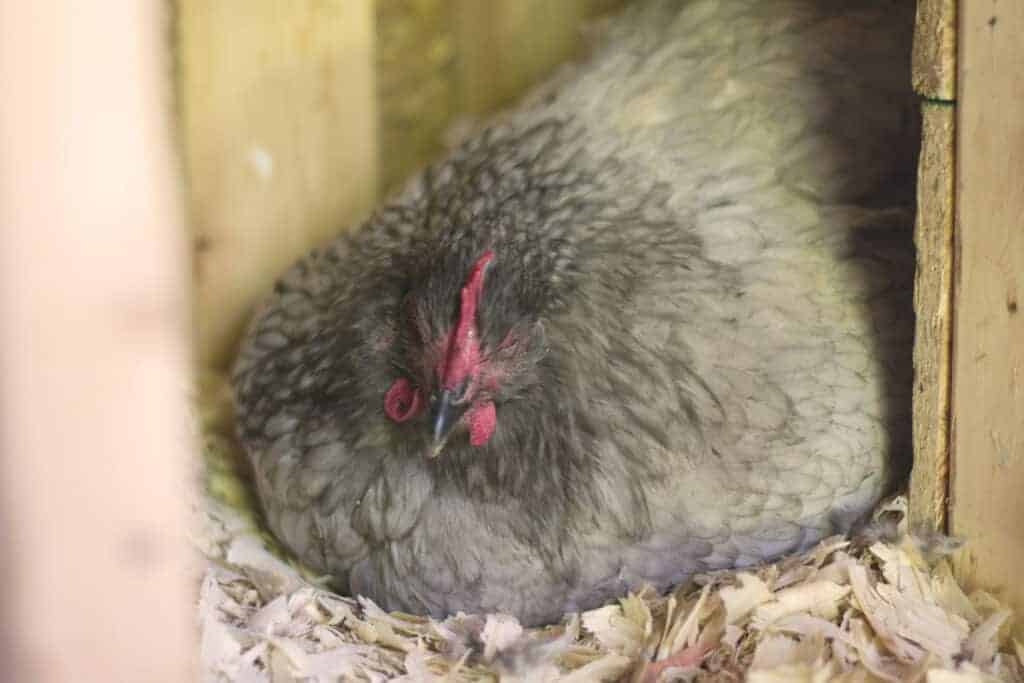
A good chicken coop will have a few nesting boxes (above or not near the roost) and a roost. Outside in the chicken run, your chickens will need space to peck at the ground, and also take a dust bath. You can choose whether or not you want your chickens to be in the run all day, or if you wish for them to free range. It’s up to you!
Step 3: Choose You Chicken Breeds
There are a lot of different types of chickens you can raise. I’ve split out some of our favorites by type and breed. You can find most of these at McMurray Hatchery, or there are well known hatcheries across the globe. Or, if you’d like, you can also find adult birds locally.
Good Egg Layers
These egg layers are known for exactly that––their exceptional egg laying abilities! These breeds normally lay 1 egg a day.
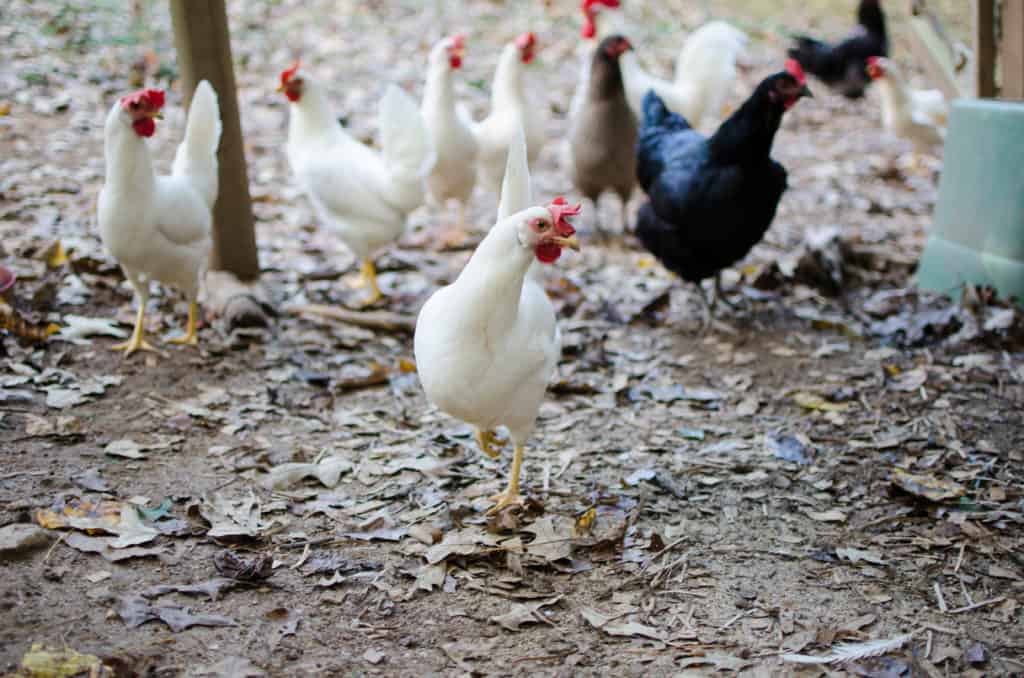
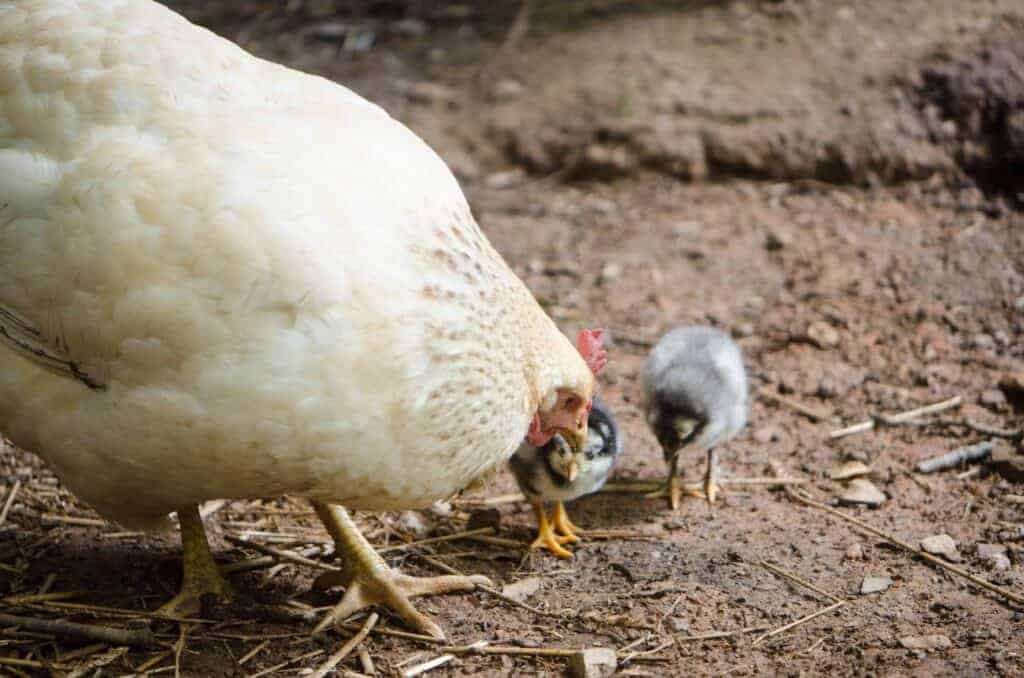
- White Leghorn (pictured above)
- Rhode Island Red
- Orpington
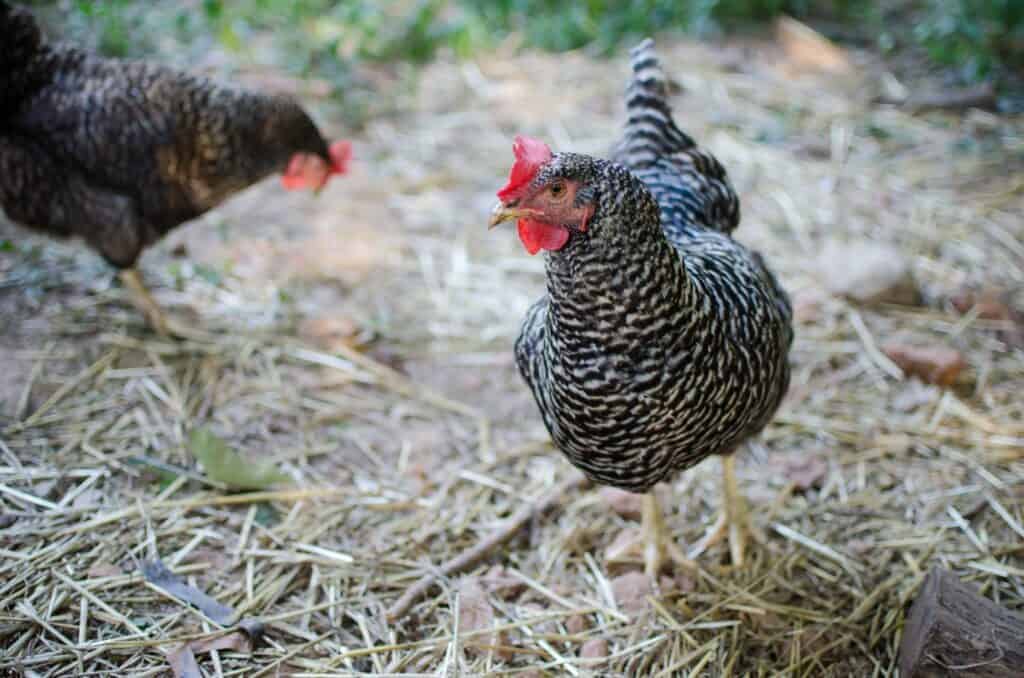
- Barred Rock (or any Rock)
- Wyandotte
- Cochin
- Delaware
- New Hampshire Red
- any Sex Link breed
Tinted Egg Layers
These egg layers are known for their different colored eggs. Ranging from greens to blues, to even a deep dark chocolate color!
- Ameracauna (blue eggs)
- Cream Legbar (blue eggs)
- Marans (dark chocolate eggs)
- Whiting True Blue (blue eggs)
- Whiting Tru Green (green eggs)
Meat Birds
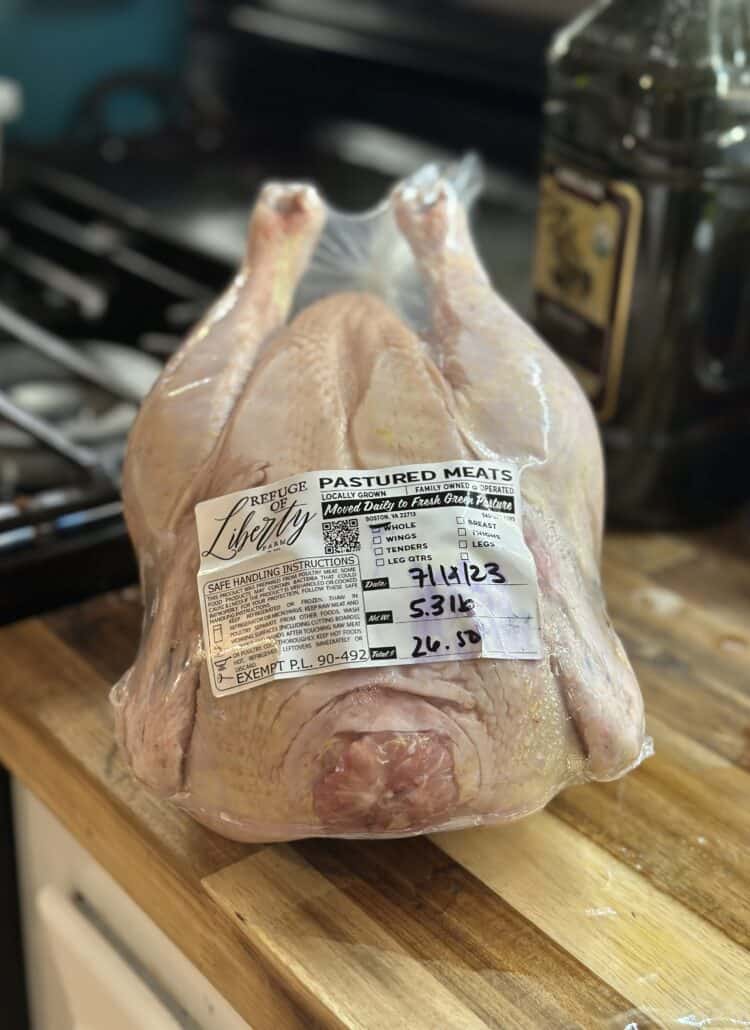
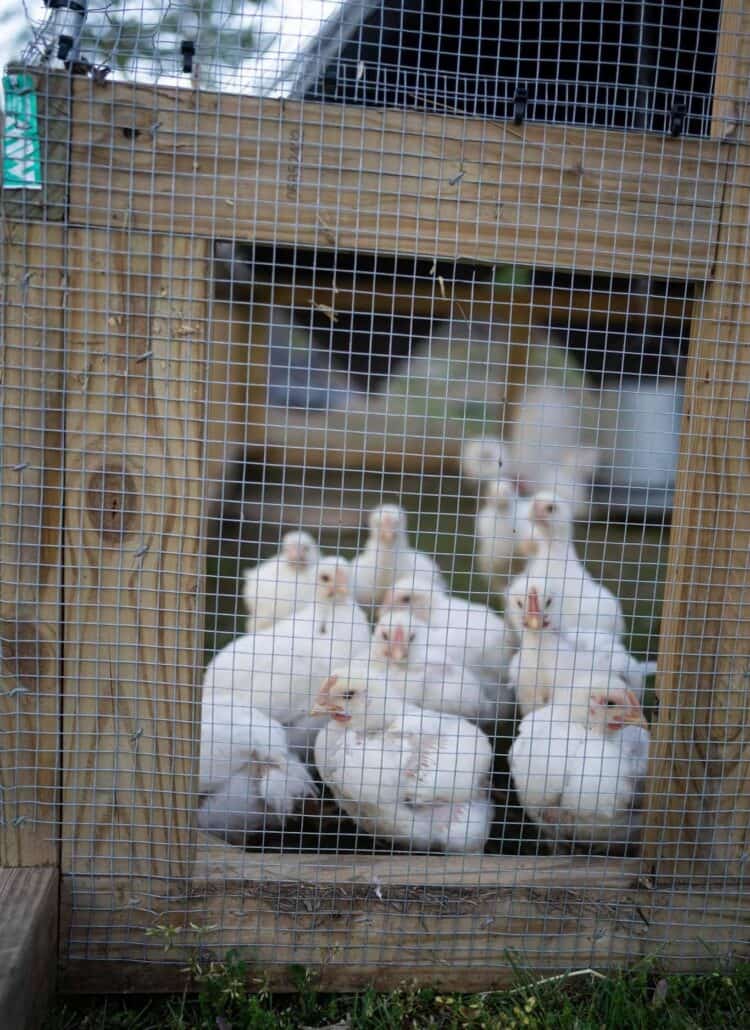
These birds are known for their ability to grow quickly (within 8 to 12 weeks) and then be processed for the table.
- Cornish Cross
- Freedom Rangers
- McMurray’s Big Red Broiler
Dual Purpose Chickens
These chickens are great for meat and eggs (though better for eggs). They take quite a bit longer to grow out for meat, but are a great meat option should you need a chicken for dinner that night!
- Orpington
- Cochin
- Black Giant (or any Giant)
- Barred Rock (or any Rock)
- Wyandotte
Step 4: Purchase Chicken Keeping Supplies
Now that you’ve decided on the space for your chickens, your chicken coop, and your breeds––now you need chicken keeping supplies! Don’t worry, these are fairly simple.
Supplies for Chicken Feed & Water
- chicken feed
- hanging chicken feeder
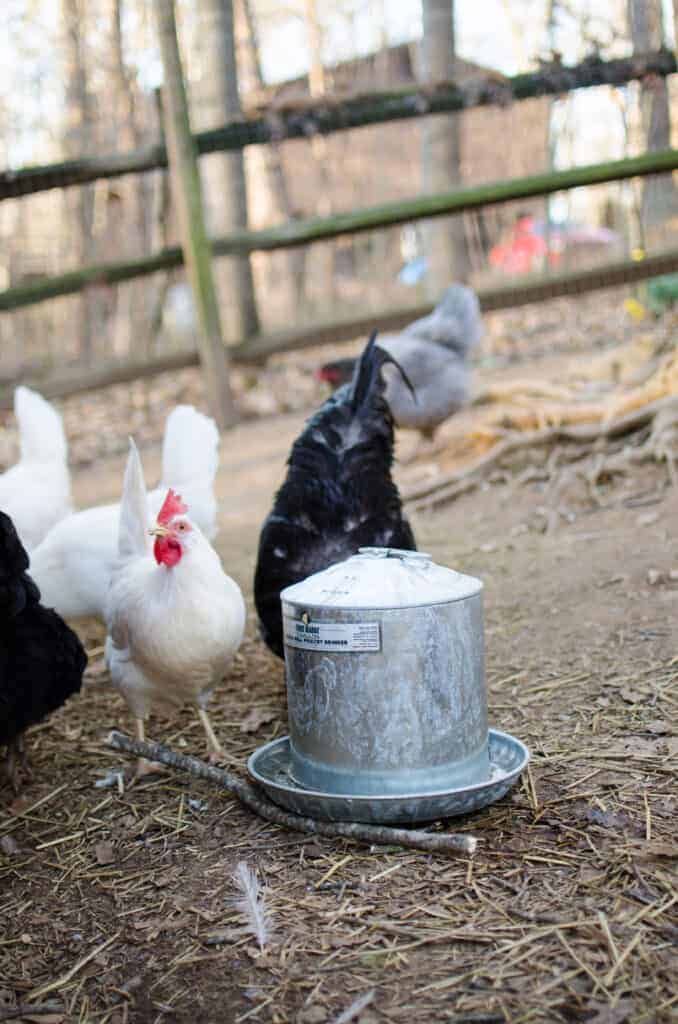
or if you prefer bowls, a rubber chicken feed bowl - chicken waterer
Things to keep in mind ––
Adult birds need at least 16% protein in their feed. Each bird eats about 1/4 lb of feed each day.
Chicks need feed starter crumbles for at least the first 4 weeks. We use non-medicated organic feed for our chicks.
All chickens need fresh water, but most chickens will find the dirtiest puddle of mud to drink out of when free ranging.
Supplies for Chicken Brooder (for raising chicks)
- chick brooder (more info below)
- pine shavings (buy from your local farm store)
- chick feeder
- chick waterer
- chick feed
You can make an indoor chick brooder out of a 95-quart storage tote that you can purchase from your local store. Cut out a large rectangle in the lid and put chicken wire in its place. And you have an easy homemade chick brooder!
You can also check out our homemade outdoor chick brooder that is in our coop in the video here.
Step 5: Purchase Chicks or Adult Chickens
You’ll want to decide whether you want to purchase chicks to raise, or already (or almost laying) hens. Either is a great option, but there are some things to understand before you choose.
Chicks take 5 to 6 months to reach maturity. That means that you should expect eggs until your chickens are about 6 months old.
You do not need a rooster in order for a hen to lay eggs. While some may laugh at that statement because it’s pretty commonly known, I actually get this question all of the time!
If you want eggs right away, I would recommend purchasing pullets or already laying hens. You can buy these locally. Most people sell chickens through various outlets like Craigslist and Facebook. You can also order them from your local farm store.
If purchasing adult birds, make sure you keep them in their new living space, closed off (in their run), for at least one day and one night before letting them out to free-range. Two days is even better. Otherwise they will try to find their way back to their old home when free ranging!
If you want to raise chicks and don’t mind waiting for eggs, this is a great option as well. When you raise chickens from the age of a chick, they often bond with you better.
Here are some common terms to know when looking for chickens to purchase.
Pullet––a young female chicken soon to be at point of lay
Hen––a fully mature egg laying female chicken
Cockerel––a young male chicken
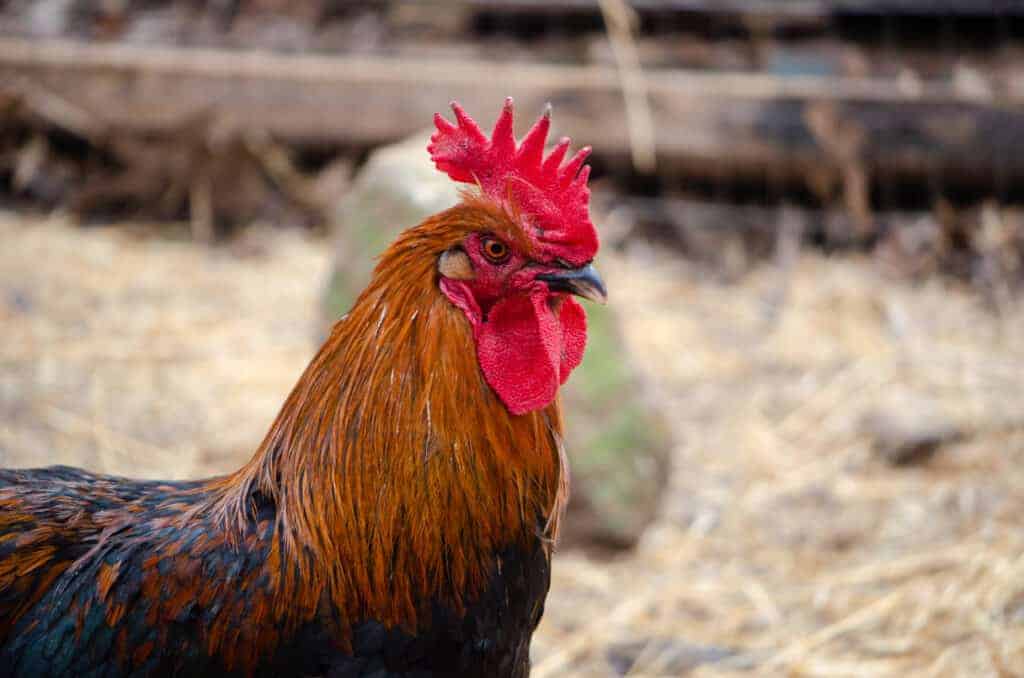
Cock/Rooster––a fully mature male chicken
Straight Run––a batch of chicks that are not sexed (meaning you could have males or females in the batch)
Sexed––a batch of chicks that are a specific sex (all females or all males)
Step 6: Feed and Water Your Chicks or Chickens
As I started above, chicks will need chick starter feed until they are at least 4 weeks old. Then you can slowly switch them over to regular chicken feed. Chicks can actually be on pasture from day one. There’s really no need for them to have just feed until a certain age. Consider chickens that are in the wild. Their chicks are eating bugs and grass just like they are!
I also like to add dried or fresh thyme to my chick waterer. It really helps perk them up and give them a good start in life! It is also a natural aid for the respiratory and digestive systems.
Now, on to adult chickens!
You can make your own chicken feed by following these steps, or continue reading below for other options.
Your adult chickens will need at least a 16% protein feed. There are different ways to feed chickens, though. For example, in the summer time our chickens are mostly free-range. They free-range all day and then eat a bit of food at later afternoon. That’s it! But during the winter months, they will eat much more food during the day.
If your chickens are cooped up in a run all day, you’ll need to follow the simple rule of at least 1 feed scoop a day per 8-10 chickens. Some people like to give 2 feed scoops, but we offset the feed with kitchen scraps.
Chickens generally need about 1/4-pound of feed per chicken per day. But we don’t measure out by pound, we just eyeball it if the chickens are cooped up and not free-ranging.
Chickens always act like they are hungry, so don’t let that worry you! As long as your birds are plump (not fat) and healthy, they are fine!
You can also offer treats (as treats, not meals) like meal worms and more!
Chickens need a fresh supply of water everyday. However, they will pick the muddiest mud puddle to drink out of if given the chance. Don’t be alarmed if that happens! It’s normal!
You can also add a bit of Apple Cider Vinegar (with the mother) in it to help level out your chicken’s PH balance. It also helps them have a healthy digestive tract.
Step 7: Watch for Any Illnesses or Chicken Keeping Issues
Once you have your chickens, there’s really nothing to it. You just feed and water them everyday. If you want to give them extra supplements you can. But it’s not always a necessity.
I do attribute my chickens’ good health to the herbs we give them in their feed each week. You can find a list of herbs and how to use them in this blog post.
Learn more about chicken ailments and how to treat them here. Or find the 16 Sick Chicken Illnesses and Treatments you should know about.
Step 8: Keep A Chicken Medical Kit on Hand
You’ll need to make sure you have simple, basic items on hand for when a problem may arise with your chickens. Make a simple chicken first aid kit with some (or all) of the products below. You never know when you might need them! It’s easy! Here’s what you need.
Chicken First Aid Supplies
I’d highly recommend getting my book, The Homesteader’s Natural Chicken Keeping Handbook, to learn more about natural first aid care for your chickens!
You might also find the following articles helpful when it comes to chicks, chickens, and illnesses:
- 3 Common Chick Illnesses and How to Naturally Treat Them
- 8 Common Chicken Illnesses and How to Treat Them
- Naturally Treating Chicken Mites with Garlic and Essential Oils
Step 9: Spend Time In Chicken Keeping
The key to healthy chickens is being intently aware of your chickens frequently. Cleaning their coop. Freshing up nesting boxes with new straw. And ultimately being around them for more than 5 minutes a day.
Every week, make sure you’re inspecting the way you flock acts and reacts. Pay attention to potential predator threats––four legged, two-legged, slithering, and sky predators. Mites and lice can be tricky too, but they can be prevented. Make sure you are paying attention to your chickens’ feathers, digestion, and breathing.
Ensure that your chickens are eating, drinking, and living their best life! If they start having tattered feathers or droopy wings, or if their comb or wattles get pale, that’s something that needs to alert you to a potential issue. Reference the “chicken illnesses” blog post linked at the bottom of this blog, or get a copy of my book for a full list of illnesses and how to naturally prevent and treat them.
Step 10: Enjoy Your Chickens!
That’s right. Don’t freak out about every little thing. More likely than not, your chickens are going to be just fine! Your new feathered friends will come running every time it’s time to eat a meal or a snack. If you let them free range, there’s nothing like watching their little fluffy butts stuck up in the air while they chase bugs and rodents.
This simple life of chicken keeping is amazing. Start raising chickens with these easy steps, and you’re sure to be successful! I hope that you enjoy your brand new adventure. And if you need anything, just holler!
Other Posts You May Enjoy:
- How to Make Deep Cleaning Coop Cleaner
- 3 Common Chick Illnesses and How to Naturally Treat Them
- Herbs for Your Chickens
- A Guide to Buying Baby Chicks
- Naturally Treating Frostbite on Chickens
- Naturally Keeping Chickens Cool in the Summer
- Naturally Treating Bumblefoot with Essential Oils
- Setting Up Your Outdoor Chick Brooder
- Naturally Treating Chicken Mites with Essential Oils and Garlic
- 8 Common Chicken Illnesses and How to Treat Them
Pin this Post for Later!



I want to raise 10,000 eggs per week. What would be the most efficient and cost efficient way to accomplish such a goal?
Is there a way to build up instead of out. A free range coops setup where i can feed and exercise 4,000 hens?