
The best antiviral herbs and herbal cold remedies could surprise you. Either way, with the growing amount of viruses we encounter each and every year, it’s probably best to learn how to make natural cold remedies right in your own kitchen. My family and I keep these simple herbs on hand each and every year in case we need them for viruses, to prevent viruses, and more.
Learn all about which herbs we use for herbal cold remedies, flu season, and other viruses. If you want to dive into herbs more, check out my herbalism course here and my book, The Homesteader’s Herbal Companion here.
The Best Antiviral Herbs for Your Home Apothecary
Sometimes it’s not all about the herbs that just have antiviral properties. Often times, you have to help rid your body of the virus, but also of the secondary conditions that could cause major problems—like pneumonia.
It’s common knowledge for medical professionals that many people who have complications or die from “viruses” actually have complications and death from secondary conditions, rather than the virus itself.
Here are some antiviral herbs, and other herbs, that you need to keep on hand this virus season. Some will help you kick that virus or cold to the curb (or prevent it from happening). Others will help you prevent or treat a secondary condition that could arise. While still, others can help treat viral symptoms, like headache and fever.
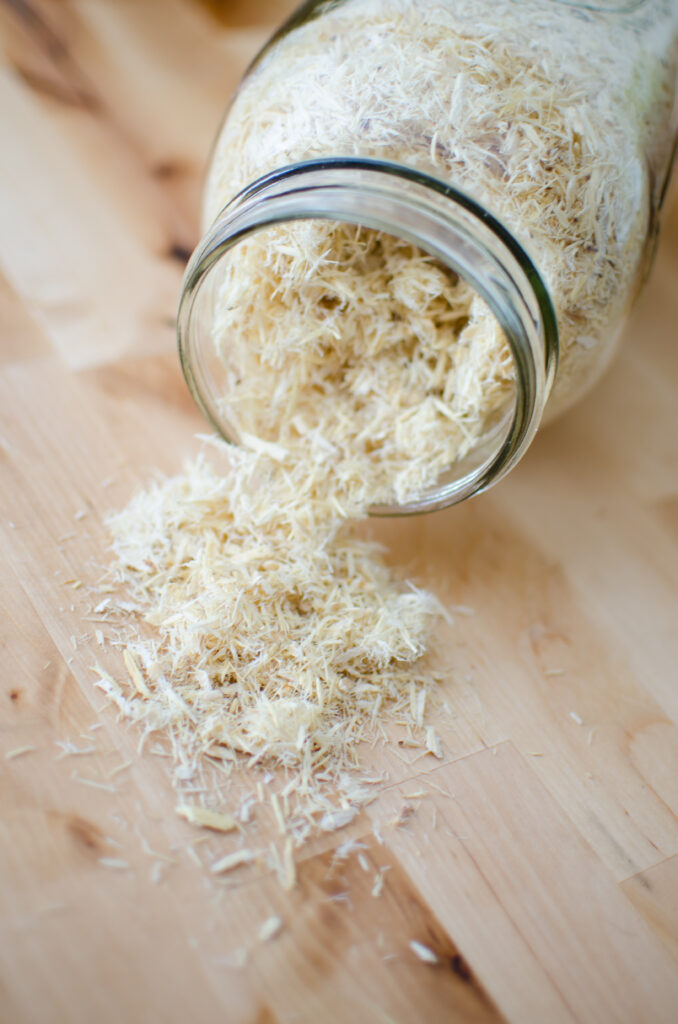
Astragalus (Astragalus membranaceus)
This powerhouse antiviral herb should be the first herb you keep on hand in your herbal apothecary. Astragalus has major immune stimulating properties, and is a fabulous adaptogen (meaning, it helps the body adapt to stress and other issues). It reduces the common cold and flu, increases white blood cell count, is a natural anti-inflammatory, protects the cardiovascular system, and more. It has even been proven to be a natural herbal remedy for seasonal allergies.
Safety & Dosage:
TINCTURE: A 1:5 tincture ratio can be taken three times a day, 30 drops per dose.
SYRUP: It be taken in syrup (like an addition to my elderberry syrup) to prevent or ease viruses.
CAPSULE: 300-500g 3x a day
INFUSION (TEA): 1.5-4.5 g in 150 ml water, or 1/2 tbsp herb in a cup of water.
There are no known safety precautions with this herb, and it is considered safe for general usage. However, there is some question as to whether it can interact with medications that help suppress the immune system (like certain cancer medications, organ transplant medications, etc.) since astragalus does boost the immune system.
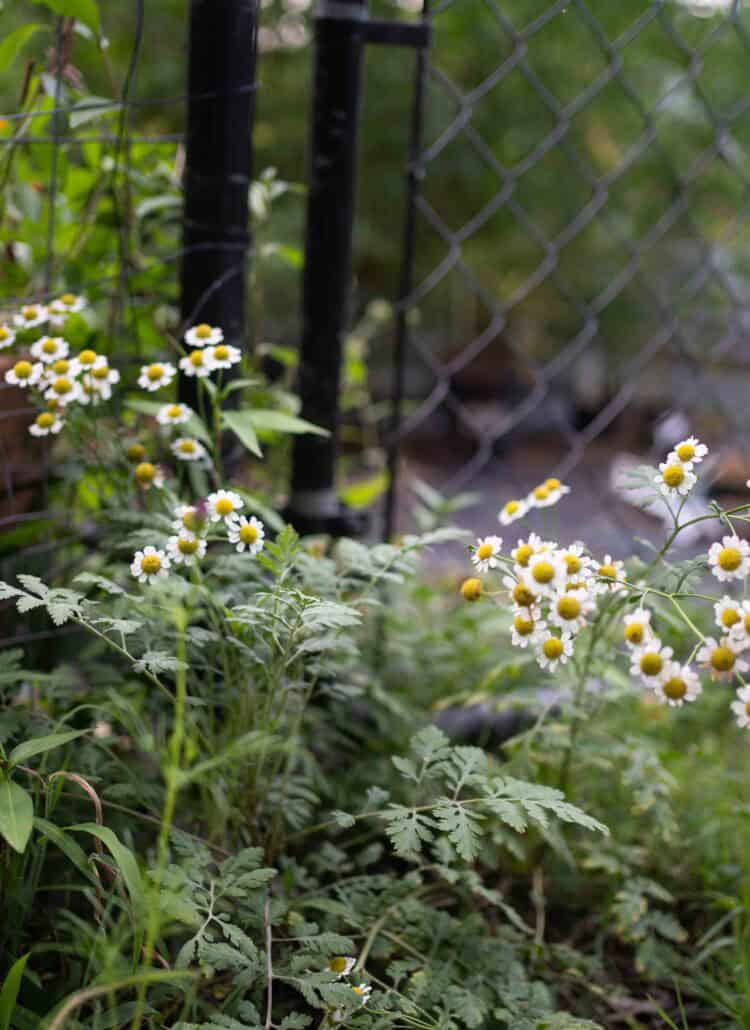
Chamomile (Matricaria recutita OR Matricaria chamomilla)
Chamomile is popularly known in western culture as a calming tea, but it has much greater benefits than just calming you. Chamomile is a natural anti-inflammatory, antipeptic, antiphlogistic, antispasmodic, antibacterial, and has sedative actions (Bradley, 1992; Leung and Foster, 1996; Mann and Staba, 1986; Szabo-Szalontai and Verzar-Petri, 1977; Newall et al., 1996).
The Commission E approved the internal use of chamomile for gastrointestinal spasms and inflammatory diseases of the gastrointestinal tract and approved its external use for skin and mucous membrane inflammations, as well as bacterial skin diseases, including those of the oral cavity and gums. It is also approved for inflammations and irritations of the respiratory tract (inhalations)…
Herbal Medicine: Expanded Commission E—American Botanical Council
Safety & Dosage:
CUT HERB: 3 g of whole flower head three to four times daily between meals.
INFUSION/GARGLE: 3 g in 150 ml water, three or four times daily for gastrointestinal complaints. Use the tea infusion as a wash or gargle for inflammation of the mucous membranes of the mouth and throat.
TINCTURE: 1:5 (g/ml): 15 ml, three or four times daily.
Those with a ragweed allergy could be reactive to chamomile.
Chinese skullcap (Scutellaria baicalensis)
Chinese skullcap (not to be confused with American skullcap) is one powerful antiviral herb. In fact, it’s one that should be used with caution, unlike most of the other herbs I’m listing. Specifically, it has been studied and proven to inhibit viruses (including the 2019 novel virus) from attaching themselves to ACE2 receptors (Xion et al, 2020).
This herb has been applied in the treatment of diarrhea, dysentery, hypertension, hemorrhaging, insomnia, inflammation and respiratory infections. It is thought to have anti-cancer, liver protecting, antibacterial and antiviral, antioxidant, anticonvulsant and neuroprotective effects (Zhao et al, 2016).
Chinese Skullcap has helped heal bacterias like listeria, E. coli, salmonella, Staphylococcus aureus, and more (Zhao et al, 2016).
Use this herb to help lessen the viral load in your body, or as a preventative in times when you know you’ve come into contact with a virus infected individual.
Safety & Dosage:
TINCTURE: 1:5 (g/ml): 15 ml, three or four times daily.
INFUSION (TEA): 1.5-4.5 g in 150 ml water, or 1/2 tbsp herb in a cup of water.
Do not take longer than 2 weeks. Chinese skullcap should not be used during pregnancy or breastfeeding.
If you have liver or spleen issues, it’s best to avoid this herb.
This herb may lower blood sugar, so if you have diabetes you’ll need to monitor it well. Likewise, it can lower and slow the body’s ability to create blood clots.
This herb can interact with and enhance drugs that have sedating, blood sugar lowering, and anticonvulsive effects.

Echinacea (Echinacea purpurea or Echinacea angustifolia)
One of the most common natural antiviral herbs that you’ll hear about, this herb is another fabulous immune booster. Echinacea downregulates pro-inflammatory cytokines and upregulates anti-inflammatory molecules. This shows that the herb is beneficial with autoimmune disorders when facing illneses such as the common cold.
Safety & Dosage:
TINCTURE: A 1:5 tincture ratio—5 ml (or 1 glass dropperful) of liquid can be taken three to five times a day until symptoms subside.
TEA: Echinacea can be taken in a tea, 2-3 tsp of dried leaf/root. Up to 3 times a day.
CAPSULES: 300 mg/3x a day, or up to 1500 mg/day during acute viral infections (up to 2 weeks)
Those with ragweed allergies may be reactive.
Echinacea can interact with medications that suppress the immune system.
Elderberry & Elderflower (Sambucus nigra)
A natural antiviral—Elderberry became extremely popular after the H1N1 outbreak in the United States, when a study was released that elderberry had the ability to inhibit viral replication and effectively inhibited the virus. Flowers and berries of the plant also cleanse tissues and stimulate the digestive tract. For this reason, elderberry and elderflowers are a natural detoxification herb.
Elderberry and flowers are well known to help lessen the duration of influenza, on average, by 4 days. It is also known to help prevent the influenza virus from attaching to cells, therefore it is a great preventative of seasonal flu.
Safety & Dosage:
Elderberries/flowers are toxic until heated. It is ideally used in a syrup, rather than teas or tinctures. Elderflowers may be less toxic than berries. Toxicity includes nausea and vomiting, which are generally not severe, but have the potential to become more serious if continued. Do not eat any other part of the plant.
SYRUP: 1-3 tbsp per day, three times a day, until symptoms subside. Or 1 tbsp per day as a preventative. Children ages 2 and up should take half the amount.
Elderberry and elderflower should not be used (or used cautiously) by people with auto immune disorders, as it could worsen auto immune diseases.
The herb can also interact with immune suppressing drugs.
Garlic (Allium sativum)
Garlic is one of those simple, everyday herbs that can be used for a multitude of things. It’s a must have in your kitchen when it comes to herbal cold remedies. Garlic has been used to help aid in digestion infections such as dysentery, typhoid, enteritis, and cholera. It can be used in ear infection oils, for UTIs, and cold and flu prevention.
It can also be used as an antifungal for things like Athlete’s foot and ringworm. Garlic has a mild blood thinning ability that boosts heart health. It has been shown to reduce blood pressure in people with hypertension, and promotes an over-all healthier heart and overall cholesterol ratios.
Garlic works hard to help fight bacteria, which is a must have herb when confronting the possible secondary issue of pneumonia. Garlic should be taken at the onset of illness.
Garlic is best consumed raw, but can be taken in capsules, dried, as well. However, if chopped and allowed to set for several minutes, it can tolerate heat without complete loss of medicinal value and efficacy.
Safety & Dosage:
RAW: Eat 3-5 grams of fresh garlic per day.
CAPSULES: up to 600 mg per day.
Do not take with anticoagulant medications. Some sources suggest that substantial amounts of garlic should not be consumed prior to surgery, since it can prolong bleeding time. In rare cases, garlic can cause stomach upset if eaten too much.
Goldenrod (Solidago virgaurea)
While Goldenrod is not a natural antiviral herb, it is a powerful respiratory herb. One of its most known abilities is to rid the body of excess mucous. Excess mucous can be one of the unfortunate side effects of recent and mutating novel viruses (and other viruses). Antiviral herbs, like goldenrod, can help the body get rid of this excess mucous.
This herb is also a natural anti-inflammatory, antimicrobial, and helps induce perspiration. This is a necessity when trying to sweat out a fever. For an exceptional throat gargle, you can combine goldenrod with sage (Salvia officinalis) in an infusion to soothe sore throats, thrush, and laryngitis.
Goldenrod is also a very efficient herb to use for urinary tract infections.
Safety & Dosage:
INFUSION (TEA): Steep 3 g in 150 ml boiled water for 10 to 15 minutes, two to four times daily between meals. Or, add 1/2 tbsp to a cup of water.
TINCTURE: In a 1:5 ratio—take 3 ml, two to four times daily between meals.
You should not do irrigation therapy while taking goldenrod in case of edema due to impaired heart and kidney function.
Though rare, goldenrod has caused allergic contact dermatitis after both handling and oral administration. Those with Asteraceae allergies should exercise caution with goldenrod as they could be reactive.
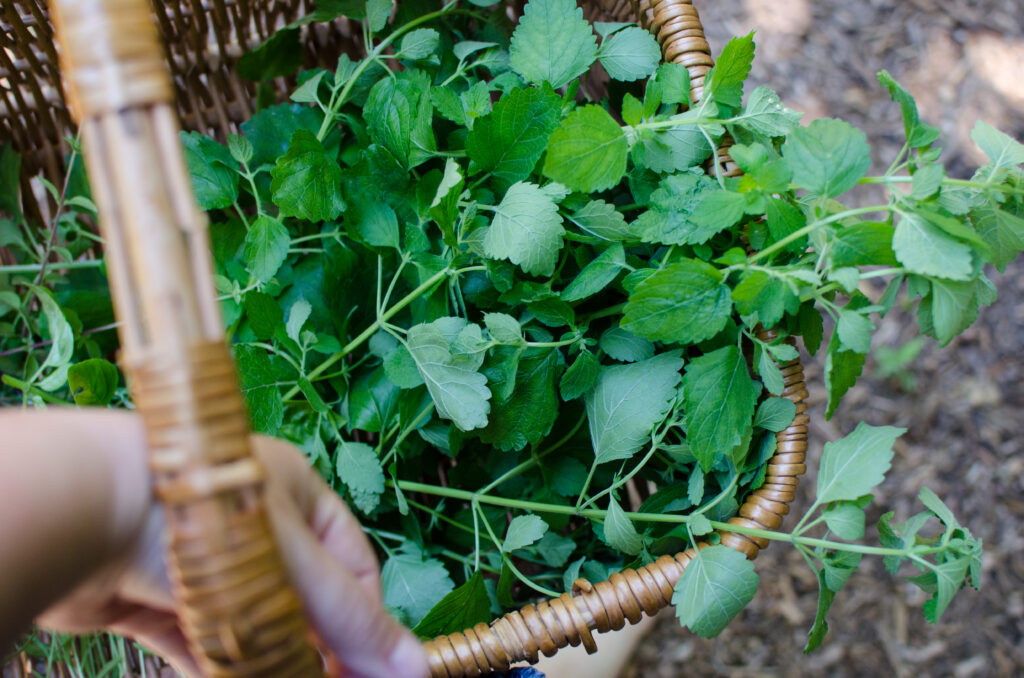
Lemon Balm (Melissa officinalis )
In Germany, lemon balm is licensed as a standard medicinal tea for sleep disorders and gastrointestinal tract disorders. It has successfully been used for viral, fungal, and bacterial infections. In one study, lemon balm caused patients who have frequent cold sores (HSV) to have a shorter outbreaak with fewer symptoms.
In a 2015 study, the herb was used to reduce heart palpitations and anxiety. For women who have menopause, and those who simply have insomnia, a 2013 study showed that lemon balm, combined with valerian, successfully treated the insomnia in 81% of the women who took the remedy.
Lemon balm is most effective as a mild sedative, to help relieve tension, stress, headache, and body stress.
Safety & Dosage:
CUT HERB: 1.5-4.5 g cut herb several times daily, as needed.
CAPSULE: 300-500g 3x a day
INFUSION (TEA): 1.5-4.5 g in 150 ml water. Or 1/2 tbsp in a cup of water.
TINCTURE: A 1:5 ratio, 1.5-4.5 ml. per day
Lemon Balm may interact with antiretroviral, thyroid, and anxiety medications, but it has not been proven.
Marshmallow (Althaea officinalis)
The Greek physician, Hippocrates, valued Marshmallow as a wound treatment. Greek physician, Dioscorides, valued it in a vinegar infusion to help with toothaches and soothe insect stings. While still, herbalists through generations have valued this herb for its ability to soothe sore throats and coughs, heal inflammation, and urinary tract irritation and inflammation. Perhaps today the most popular use of marshmallow is to help reduce coughing and inflammation in the respiratory tract. It is a common ingredient in cough syrups. Marshmallow also helps alleviate ulcerative colitis, enteritis, gastroenteritis, and peptic and duodenal ulceration. Marshmallow helps stimulate cellular regeneration, and is great when used externally as well.
It is most commonly used, however, to help treat a cough (especially dry cough) and throat irritation.
Safety & Dosage:
CUT HERB: 6 g per day of cut or ground root • 2-5 g, up to three times daily
TINCTURE: 1:5 (g/ml) ratio: take 10-25 ml, up to three times daily
SYRUP: 10 ml single dose, to be used only in treating throat irritation
There are no known adverse effects of marshmallow. However, it can inhibit the absorption of some drugs, since the herb coats the lining of the stomach. This is great for a damaged or leaky gut, but not great if you’re taking other medications. Take marshmallow several hours before or after taking your other medications. It is not recommended to take marshmallow in capsule form unless it’s purely for laxative benefits.
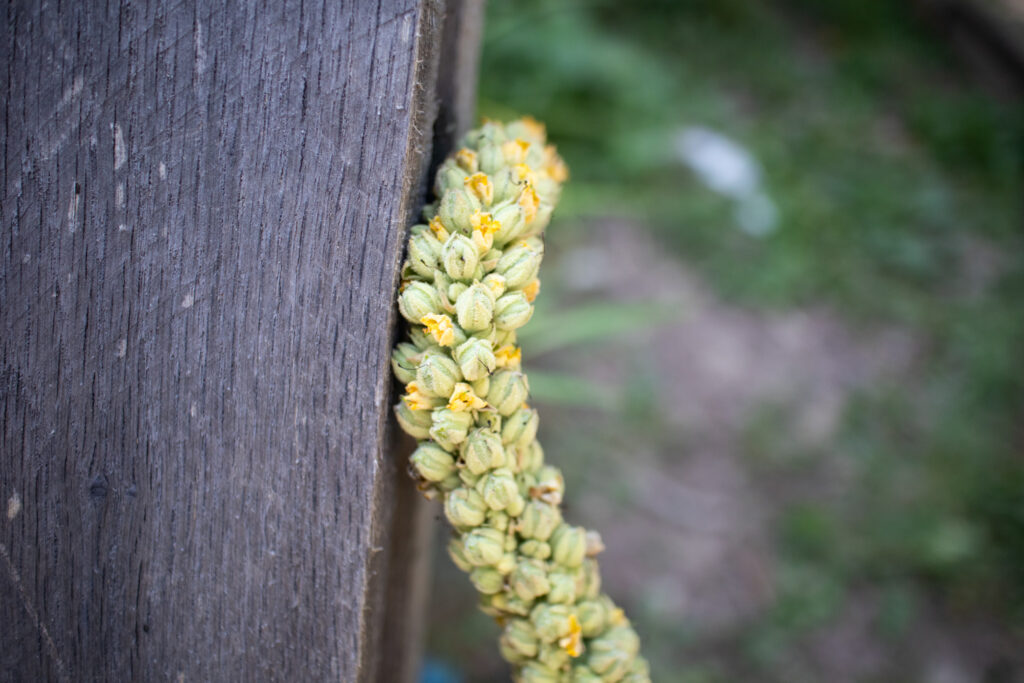
Mullein (Verbascum thapsus)
In the late 19th-century, a pharmaceutical trial showed that mullein was beneficial in cases of tuberculosis. Dr. Quinlan of St. Vincent’s hospital in Dublin, Ireland noted that it was a trusted popular remedy in Ireland for tuberculosis. The study stated that 6 out of 7 cases were successful in the treatment of tuberculosis by smoking mullein or drinking mullein tea.
The medicinal uses of mullein are far and wide, with extensive uses for tuberculosis and respiratory ailments affecting the lungs. Cultures have also turned to smoking mullein for cough and asthma. Using the flower stalks as torches, and as a medicinal ear ache cure when made into an infused oil, were also not uncommon.
Mullein has been proven to have anti-influenza properties, is an expectorant, eases sore throat, and more.
Safety & Dosage:
CUT HERB: Use 3-4 grams of cut herb for teas and other internal uses.
TINCTURE: 1:5 (g/ml): 7.5-10 ml, twice daily
INFUSION (TEA): Steep 1.5-2 g of herb in 150-250 ml boiled water for 10 to 15 minutes, twice daily. Or, use 1/2 tbsp in a cup of water.
There are no known adverse side effects of mullein, however, it has been reported that mullein could interact with anti-diabetic drugs, so please consult your physician before taking.
You can read more about mullein (and get an herbal smoking recipe) in this article that I wrote.
Oregano (Origanum vulgare)
The Greeks often made poultices with oregano and placed them on aching muscles, wounds, and bites. Since oregano is naturally antibacterial and can be used as a natural antibiotic, oregano has been used to treat illnesses and infections for centuries.
In a 2017 study, oregano extract exhibited antioxidant activity and cytotoxic activity against breast cancer cells. In a 2016 study, it reduced the growth and viability of acute myeloid leukemia cells.
Oregano has often been used in folk medicine to help control fever. You would need to accomplish this by frequently drinking large doses of oregano tea. However, there is currently no scientific evidence proving that the herb itself can accomplish this, but there is some support of the essential oil accomplishing this.
Oregano is another herb that is good for supporting the body in preventing secondary and bacterial conditions from arising during illness.
Safety & Dosage:
INFUSION: 1.5-4.5 g in 150 ml water up to 6 times a day. Or 1/2 tbsp. in a cup of water up to 6 times a day.
TINCTURE: 1:5 ratio, 1.5-4.5 ml. per day
There are no known adverse side effects.
Most studies done on Oregano are for Oregano essential oil. Keep this in mind when researching.
Stinging Nettle (Urtica dioica)
Stinging nettle has been a respiratory support herb for centuries. It has been used for asthma, pleurisy, and for the treatment of spleen-related illness (and to protect the spleen during times of ailment). In traditional African medicine the herb is used as a snuff powder for nosebleeds, excessive menstruation, and to treat internal bleeding.
North American aboriginal medicines use it as an antirheumatic drug. In Germany, it is licensed as a standard medicinal tea for diuretic action. Modern clinical studies show the herb as an aid in allergic rhinitis, rheumatic complaints, acute arthritis, and as a diuretic. It’s also well known to support the urinary tract, often treating and preventing UTIs.
Keep this herb around for respiratory support and spleen support during viruses.
Safety & Dosage
CUT HERB: 8–12 g per day of cut herb for teas and other internal uses
CAPSULES: 2–5 g, three times daily.
INFUSION (TEA): Steep 2–5 g in 150 ml boiled water for 10 to 15 minutes, three times daily. OR 1/2 tbsp in a cup of water.
TINCTURE: 1:5 (g/ml) ratio: take 10-25 ml, up to three times daily
There are no known safety concerns with stinging nettle, however, it should be avoided during other irrigation therapies.
Sage (Salvia officinalis)
Sage is another herb that helps support the body during common viruses and ailments. It is best used to heal mucous membranes of the nose, throat, and respiratory tract. Use this herb in a gargle or dried in a tea for best efficacy in treating the respiratory tract.
Safety & Dosage:
CUT HERB: 4-6 g per day of cut leaf for infusions, alcoholic extracts, and distillates for gargles, rinses and other topical applications, and for internal use.
CAPSULES: 1-3 g, three times daily.
INFUSION (TEA): 1-3 g in 150 ml water, three times daily. OR 1/2 tbsp in a cup of water.
TINCTURE: Tincture 1:10 (g/ml): 2.5-7.5 g
GARGLE OR RINSE: Use warm infusion: 2.5 g cut leaf in 100 ml water; or 2 to 3 drops of essential oil in 100 ml water; or use 5 ml of tincture diluted in 1 glass water, several times daily.
It is not recommended to use while pregnant or breastfeeding. The pure essential oil and alcoholic extracts should not be used at all internally during pregnancy.
After prolonged ingestion of alcohol extracts or of the pure essential oil, epileptiform convulsions can occur.
Thyme (Thymus vulgaris)
One of the most common herbs in your pantry, thyme is a natural antiviral herb, but is also an incredible support system for an already ailing body. According to the Commission E, it’s approved for symptoms of bronchitis and whooping cough, and catarrhs of the upper respiratory tracts. It has also been used to improve digestion (Stecher, 1968) and to treat pertussis, stomatitis, and halitosis (ESCOP, 1997; Wichtl and Bisset, 1994).
Thyme is a carminative (relieves flatulence), antibiotic, anthelmintic (treats parasites), astringent, expectorant, and relieves cough (Leung and Foster, 1996; Newall et al., 1996)
This herb is best taken internally in a tea/infusion when treating coughs and respiratory ailments.
Safety & Dosage:
INFUSION (TEA): 1-2 g of herb for 1 cup of tea, several times daily as needed.
TINCTURE: 1:5 (g/ml): 1-2 ml, one to three times daily.
Thyme essential oil can be extremely toxic. The whole herb is preferred when being used internally. Signs of toxicity escalate from nausea to respiratory arrest (Newall et al., 1996).
Thyme is not recommended during pregnancy.
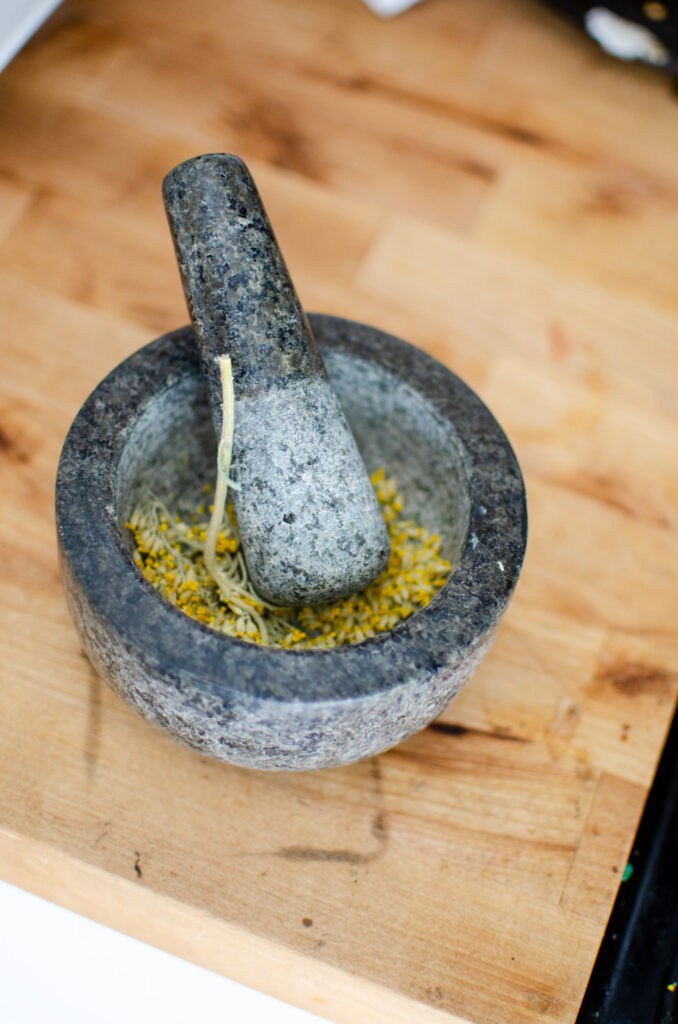
Yarrow (Achillea millefolium)
Yarrow has traditionally been used as a tonic, anti-inflammatory, anti-spasmodic, diaphoretic, diuretic, and emmenagogic agent (stimulating blood flow in the pelvic area and uterus). It has been used for the treatment of hemorrhage, pneumonia, rheumatic pain, and wound healing in traditional Persian literature. The modern medicinal uses for yarrow have even included treatments for malaria, hepatitis, jaundice, liver disorders, and it is known as a hepatoprotective herb (meaning, it protects the liver).
We’ve even seen yarrow used in the prevention and treatment of influenza, though there aren’t really any studies about the herb and the specific treatment of influenza.
When taken at the onset of influenza symptoms, it can greatly help ease the symptoms of influenza since it is a natural anti-catarrhal (removes excess mucous from the body) and natural fever reducer (through perspiration). Yarrow can be used as a mild sedative to reduce anxiety and promote sleep. Yarrow essential oil has been shown to have antimicrobial properties against certain bacteria, including E. coli and pnuemonia. It may also help with urinary tract infections, and has even been linked to treating polio.
Safety & Dosage:
CUT HERB: 4.5 g per day of cut herb, or 3 g of cut flower for teas and other internal uses.
INFUSION (TEA): 1-2 g in 150 ml boiled water for 10 to 15 minutes, three times daily between meals. Or 1/2 tbsp in a cup of water.
TINCTURE: 1:5 (g/ml): 5 ml, three times daily between meals.
Do not take yarrow if you are pregnant, as it can cause uterine contractions and may result in a miscarriage.
If you are on high blood pressure medications, please note that yarrow can lower blood pressure, and therefore your regular blood pressure medications can be affected.
Placing yarrow on the skin can cause issues if you will be in direct sunlight afterwards.
You can read an entire article I wrote about Yarrow by clicking here.
A Note on SARS-CoV-2
While this article isn’t about the 2019 virus (though we do mention it), I do want to link to a study that shows where lemon and geranium essential oils can inhibit the virus from attaching to your ACE2 receptors. This is how the novel virus replicates and spreads throughout the body (the ACE2 receptors). You can find that study by clicking here or in the citation below.
…geranium and lemon oils displayed significant ACE2 inhibitory effects in epithelial cells. In addition, immunoblotting and qPCR analysis also confirmed that geranium and lemon oils possess potent ACE2 inhibitory effects. Furthermore, the gas chromatography-mass spectrometry (GC-MS) analysis displayed 22 compounds in geranium oil and 9 compounds in lemon oil. Citronellol, geraniol, and neryl acetate were the major compounds of geranium oil and limonene that represented major compound of lemon oil. Next, we found that treatment with citronellol and limonene significantly downregulated ACE2 expression in epithelial cells. The results suggest that geranium and lemon essential oils and their derivative compounds are valuable natural anti-viral agents that may contribute to the prevention of the invasion of virus into the human body.
Kumar et al., 2020
There are also emerging studies done in 2020 and 2021 about Andrographis (Andrographis paniculata) and its evidence based approach to preventing and healing SARS-CoV-2. Check out this blog post I wrote in early 2021 for more information.
So, What Do You Do With All These Herbs?
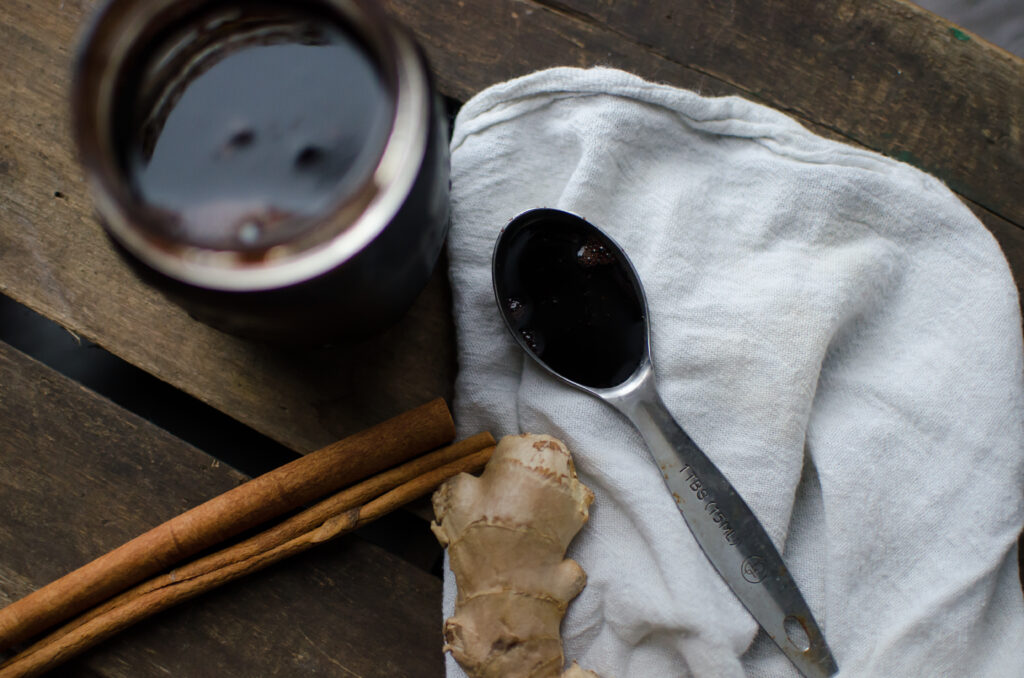
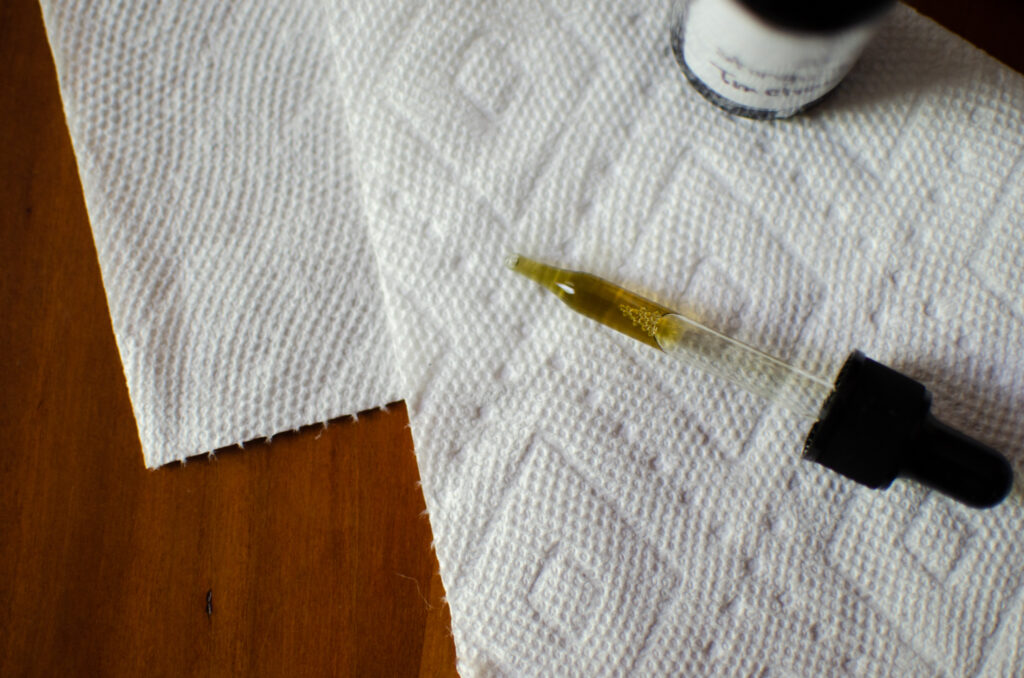
That’s a good question. Fortunately, you don’t have to have “all the herbs”. And please, please don’t ever think about taking “all the herbs”. These antiviral herbs can be used to create natural cold remedies, or to take as preventatives. Herbal cold remedies are so easy to create, including the creation of tinctures and syrups. But you’ll need to make them in advance. They aren’t something you can create once you’re sick. These things take time.
However, I’ve given you many options for healing, including ingesting through teas, infusions, and even in capsule form. Some herbs, like mullein and marshmallow, are best taken in tea form. I’ve tried to mention this in some of the herbal profiles above.
Ultimately, I want you to chose an herb of each kind (whatever action it may have on the body), and store it away in your mental capacity for a rainy day. Purchase your herbs now rather than later (I get mine from Starwest Botanicals and local herbal apothecary stores). And put together an herbal protocol like the one outlined below.
Efficient herbal protocol—choose one herb each:
- immune preventative support
- immune support after a virus begins
- fever reducer
- cough reducer
- respiratory support
- liver protecting herb during viral infection (especially if you take OTC pain relievers and fever reducers)
- secondary condition support (for things like pneumonia that could occur as a secondary infection)
Once you have chosen your herbs from the list above (1 of each), you can store them away in your cabinet or pantry for when you may need them. Or, you can create an herbal tincture or syrup in advance for each administration.
I hope you enjoyed this list of natural antiviral herbs and herbs that support your body during a virus! I encourage you to research and learn more as you educate yourself through herbalism. And more than anything, make sure you use caution, but do not be fearful of herbalism. Each person is different and has different needs and interactions. Please research before taking any herbal supplements.
Other posts you may enjoy:
- Andrographis (Andrographis paniculata) for the Common Cold and Viruses
- Homemade Cough Syrup | Eucalyptus and Thyme
- Medicinal Uses for Yarrow—The Ultimate Homestead Herb
- Flu Fighting Elderberry & Astragalus Syrup
- Medicinal Uses of Mullein—Grow, Harvest, Use
- How to Make Herbal Marshmallow Hot Chocolate
- Essential Oils and Herbs for Ear Infections


Thanks for sharing this wonderful list! I like the inclusion of he culinary herbs.
Amy, can you share which herbs you use with each of the above protocols. Just curious. Thanks! You’re awesome!